Last updated:
Disclosure: As an Amazon Associate we earn from qualifying purchases. This does not change what we recommend. See our affiliate disclaimer.
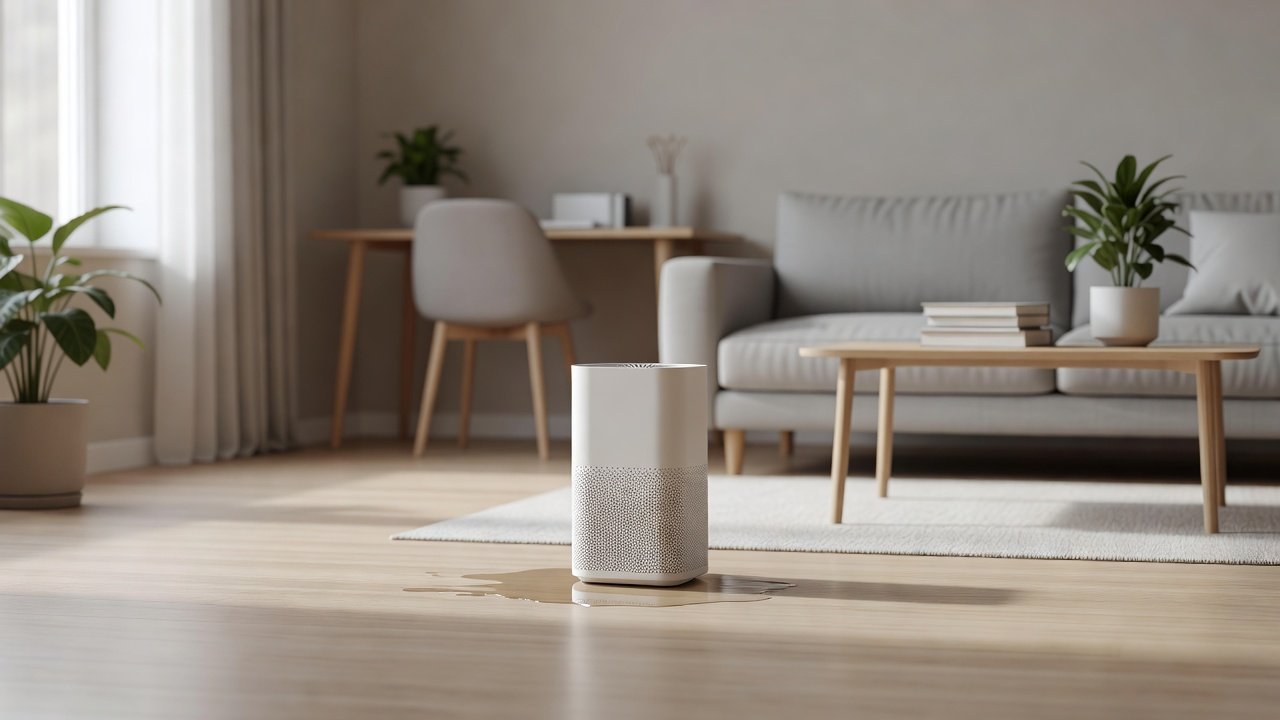
Standard air purifiers do not use water, so a leak is unusual and may come from condensation, a nearby humidifier or dehumidifier, a spill, a cleaning mishap or a combination device that includes a water tank. Water near electronics is a safety risk. Unplug the unit if it is safe to do so, move it away from wet areas, dry it and inspect for the source. If you do not find an obvious cause or the unit has electrical symptoms, stop using it and contact the manufacturer.
We have not tested these products ourselves, so follow your manual. Nothing here is medical advice. If water has entered the unit, do not use it until it has been inspected.
Do
- Unplug when safe
- Find the water source
- Dry and inspect before use
Do not
- Use a wet unit
- Wash filters not meant for water
- Ignore electrical warning signs
Key Takeaways
- Unplug and dry the unit
- Find the water source
- Do not use a wet unit
- Contact support for suspected electrical damage
Safe Steps After Finding Water
If it is safe, unplug the unit, avoid touching it with wet hands and wipe away visible water. Move the unit to a dry, ventilated area. Remove the filters and check them for dampness. Let everything air-dry fully before use, which may take a day or more. Look for the source: a spill, a drip from above, a nearby humidifier or condensation. Fix the source. Do not use hair dryers or heaters to speed drying. When the unit is dry, check that it powers on normally and watch for odors or noises. If you see sparks, smell burning or the breaker trips, stop using the unit and contact support. Keep photos and notes for warranty claims.
Preventing Future Water Problems
Keep the unit away from humidifiers, sinks and leaks, place it on a stable surface and wipe up spills promptly. Check humidity levels and ventilate.
Condensation Explained
Cold surfaces in humid rooms can attract condensation. Place the unit away from windows and cold walls.
Combination Units
If your unit has a water tank or humidifier, follow cleaning instructions and refill with the recommended water.
Insurance and Warranty
Check warranty terms for water damage and keep records.
Mold After Water Exposure
Dry the area and check for mold. Replace filters if damp.
Safety Alarms
Keep smoke and CO alarms working.
Humidity, Condensation and Cold Surfaces
Water droplets on or near the unit often come from condensation. This happens when warm, humid air touches a cold surface such as a window, a cold floor or a chilly exterior wall. Placing the unit in such a spot can lead to moisture on the casing or the floor around it. Move the unit away from cold surfaces and humidifiers, ventilate the room and keep humidity in range. Wipe moisture promptly. Check the unit’s underside and the area where it sits. If the unit is on a table, check for drips from above, such as a leaking pipe or ceiling. If the water seems to come from inside the unit, stop using it and contact support. Document the pattern with dates, humidity readings and photos.
Tank-Based Devices and Combination Units
If your device has a tank, check for cracks, loose caps and worn seals. Fill only with the recommended water and follow cleaning guidance. Replace damaged tanks.
Protecting Floors and Furniture
Use trays or mats under humidifiers and place purifiers away from wood surfaces that can warp. Wipe spills quickly to avoid damage.
When to Replace the Unit
If the unit has been wet inside or shows corrosion, replacement is safer than continued use. Choose a new unit with good warranty and support.
Quick Reference: If You Find Water Near Your Purifier
Unplug when safe, dry the area, move the unit away from wet places, remove and check filters, let everything dry completely, find and fix the source and watch for odors, sparks or tripped breakers. Do not use a wet unit. Contact support if water entered the electronics. Keep proof of purchase and photos. A few careful steps protect you, the unit and your home.
Choosing Placement to Avoid Water Problems
Place the unit on a dry, stable surface away from windows, sinks, humidifiers and leaks. Keep cords off wet floors and use a mat if needed. Check regularly for condensation or drips.
Purifiers Do Not Leak
A standard purifier contains no liquid, so anything leaking from it has come from outside or from a combination unit’s water tank. Work out what the liquid is first: clear water suggests condensation, a humidifier tank, a dehumidifier or air conditioner above, or a spill; oily residue suggests an aroma feature or cooking grease; a sticky or discolored film suggests spray products landing on the housing. The source decides the fix.
Unplug the unit before investigating, and dry everything before switching it back on.
Water Sources
- Combination purifier-humidifier: cracked tank, overfilled reservoir, blocked float, unlevel unit
- Condensation: cold housing in a humid room, unit against an exterior wall or under a window
- Drips from above: air conditioner, window frame, radiator, plant pot
- Spills and pet accidents near the base
- Washable filters reinstalled while still wet
Check above and around the unit before blaming it.
Oily and Sticky Leaks
Aroma pads overfilled with essential oil leave an oily trail; remove and clean the pad and tray. Cooking grease builds a film on units placed near stoves; move the unit and clean the grilles. Aerosol polish and hairspray settle as a sticky residue; keep sprays away. A motor bearing weeping grease is rare and comes with noise; that is a manufacturer matter.
Safety and Recovery
If liquid reached the controls or motor, leave the unit unplugged to dry for at least a day. Replace any filter that got wet. If the unit behaves oddly afterward, smells of burning, or trips a breaker, do not use it again. Prevent repeats by placing the unit on a dry, level surface away from windows, walls, vents, plants, and sinks, with room humidity between 30 and 50 percent.
Replacement Air Purifier Options
If troubleshooting does not solve the problem, you may prefer to replace the unit. These picks come from the Hostinger affiliate plugin. Specs change by model year, so confirm filter type, CADR, noise and replacement filter costs on the product page.






Is Your Unit Water-Based?
Some products combine purification with humidification or use water in the process. Check the model. Standard HEPA units have no water tank.
Condensation and Nearby Humidifiers
Humid rooms, humidifiers and dehumidifiers can create moisture near the unit. Keep them apart and wipe up spills.
Spills and Cleaning Accidents
Spills and wet cloths can leave water in the unit. Dry carefully and let it air-dry fully before use.
Filters and Moisture
Wet filters can drip and grow mold. Replace damp filters and do not wash disposable ones.
Safety and Support
If water entered the electronics, stop using the unit and contact support.
Humidifier and Dehumidifier Interactions
Keep devices separate to avoid mist and drips on the purifier.
Bathrooms and Basements
Avoid placing units in wet areas unless designed for them.
Plumbing and Roof Leaks
Leaks from ceilings or pipes may drip onto the unit. Fix the leak.
Cleaning Safely
Use dry cloths and follow the manual. Avoid spraying liquids on the unit.
Warranty
Keep proof of purchase and photos of the issue.
How to Choose
- Good warranty and support
- Easy filter access
- Clear instructions
- Reliable build
Do
- Match the unit’s rated coverage to your room first
- Run it consistently, not only when the air feels bad
- Leave space around the unit for airflow
- Replace filters on the maker’s schedule
Don’t
- Do not buy on looks or price alone
- Do not block the intake or exhaust
- Do not skip filter changes
- Do not expect a purifier to fix every source of pollution
Honest Limits
- This guide uses manufacturer information and public guidance from the EPA and AHAM, not our own lab tests.
- Features and room ratings change between model years, so confirm on the listing before you buy.
- A purifier is not a medical device and does not replace medical advice or treatment.
Who Should Skip This
When to See a Professional
Frequently Asked Questions
Why is it wet?
Condensation, spills or nearby devices.
Is it safe to use?
Not until dry and inspected.
Can filters leak?
Wet filters can drip.
Do I need support?
If water entered the unit.
Bottom Line
If an air purifier leaks, unplug it when safe, find the source, dry it and inspect it. Do not use a wet unit and contact the manufacturer if water entered the electronics.
Related reading: sens,fan,bed
Sources: EPA, Guide to Air Cleaners in the Home; AHAM Verifide.