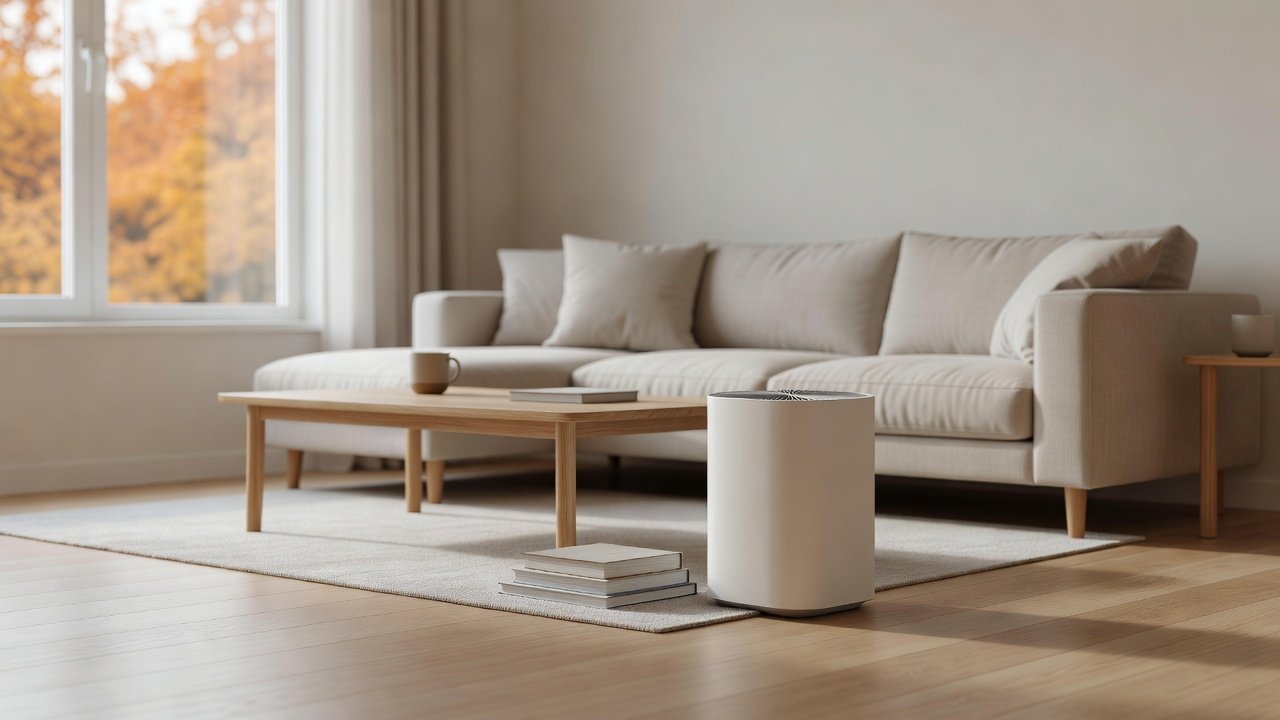
Can Air Purifiers Help With Indoor Air Quality During Fall?
Fall brings pollen, mold spores, leaf dust and closed windows. See what a HEPA air purifier can and cannot do for fall indoor air and how to use one well.
Fall brings pollen, mold spores, leaf dust and closed windows. See what a HEPA air purifier can and cannot do for fall indoor air and how to use one well.
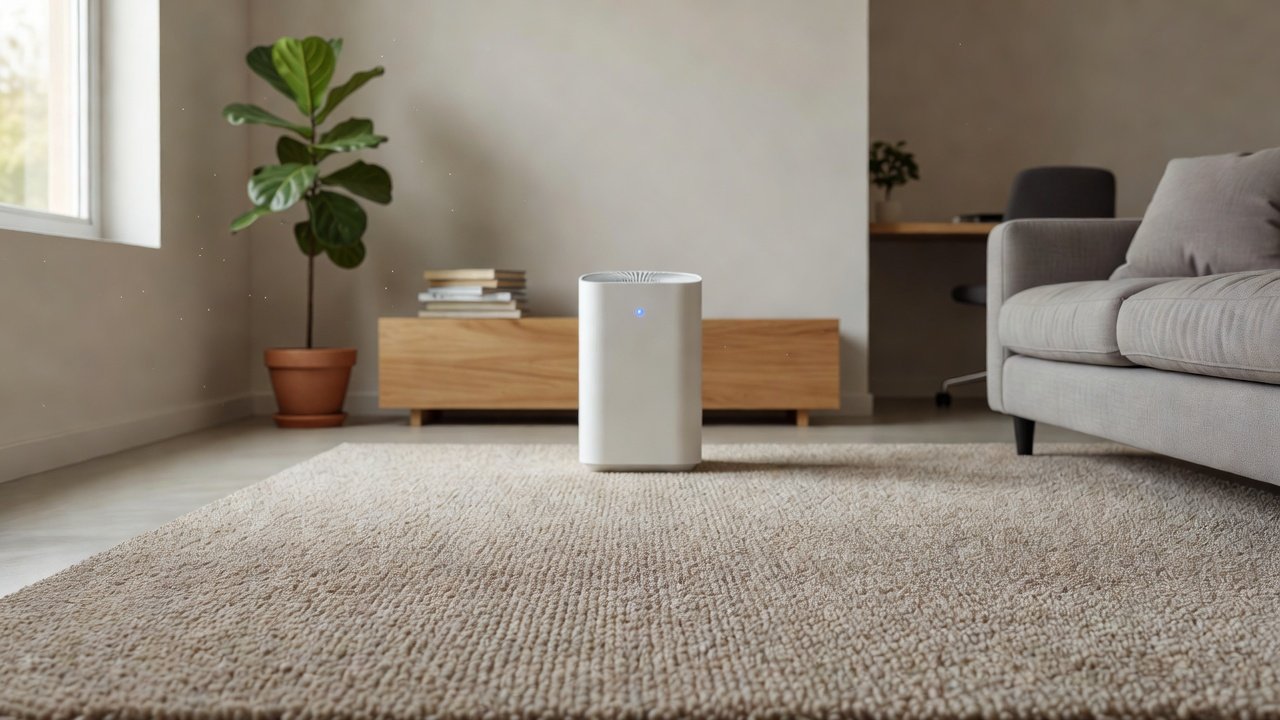
New or old synthetic carpet can release VOCs and hold dust, allergens and odors. Learn practical ways to ventilate, clean and filter the air in a carpeted home.
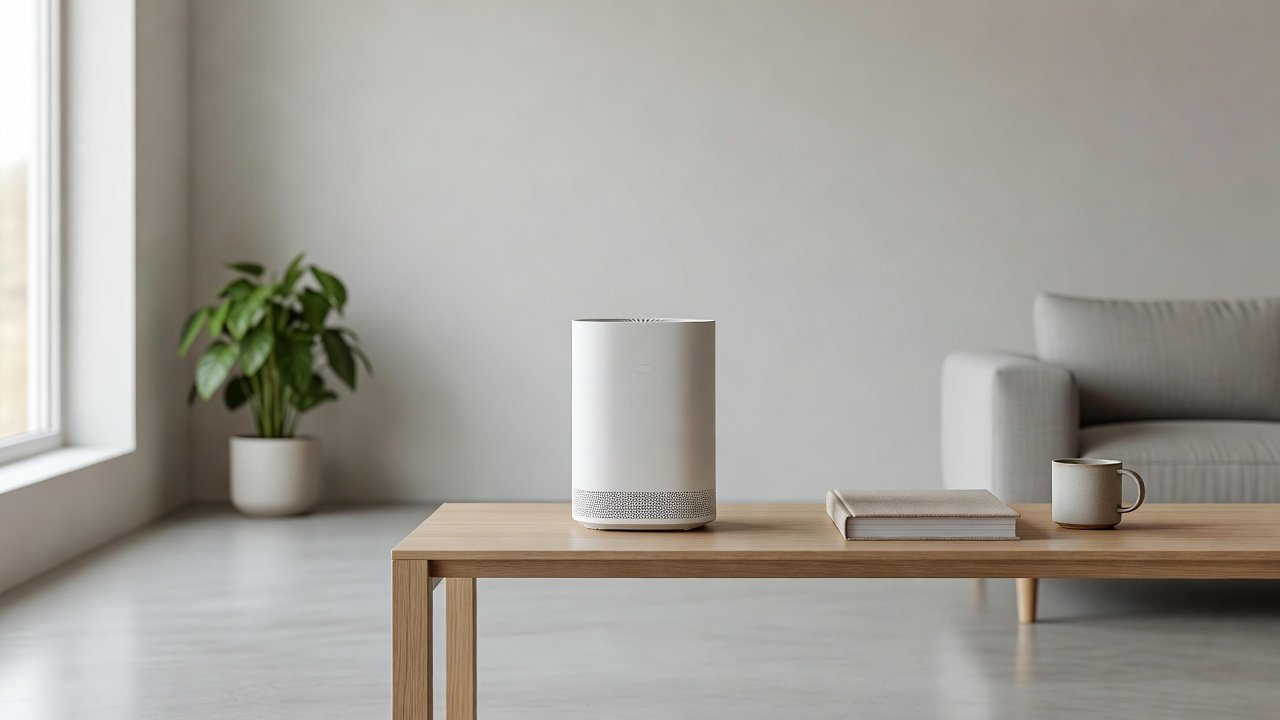
A practical guide to choosing an air purifier: CADR and room size, true HEPA, carbon, noise, filter costs and features worth paying for, plus mistakes to avoid.
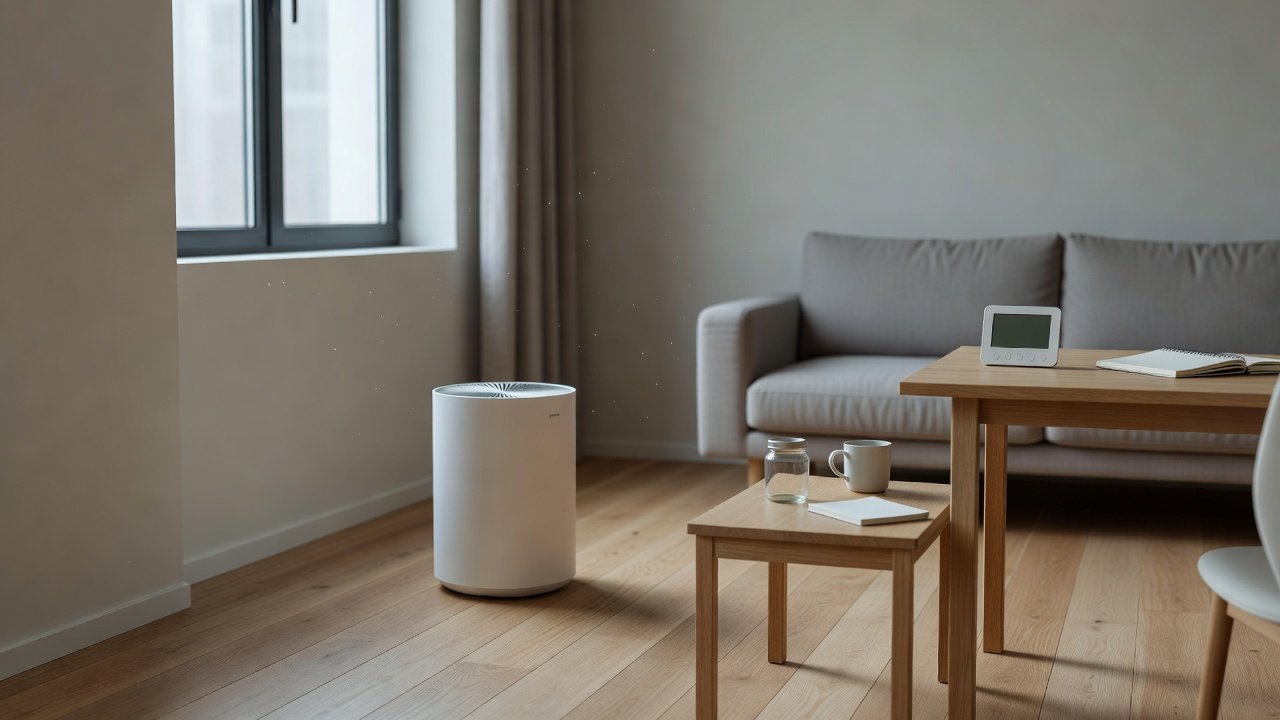
Learn how to test indoor air quality at home with monitors for PM2.5, CO2, VOCs, humidity and radon, what each reading means and when to call a professional.
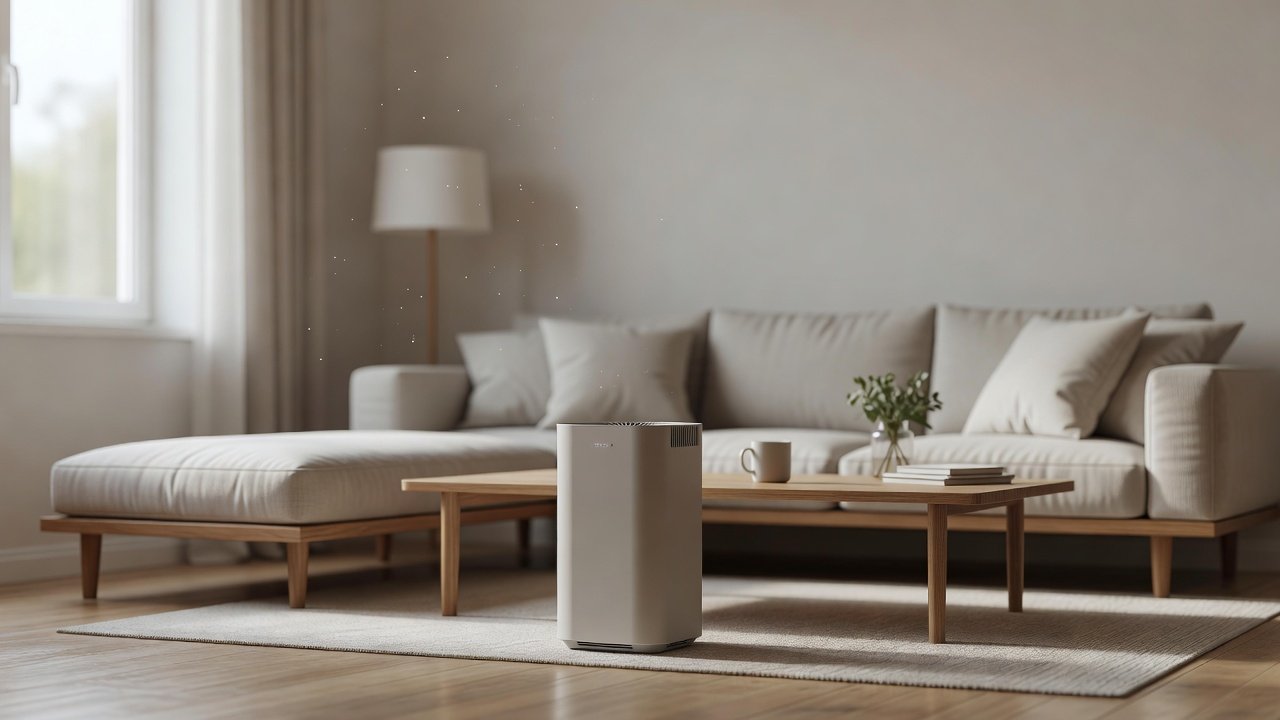
Can an air purifier remove cigarette smoke? A HEPA and carbon unit can cut airborne smoke particles and some odor, but it cannot remove residue or make smoking indoors safe.
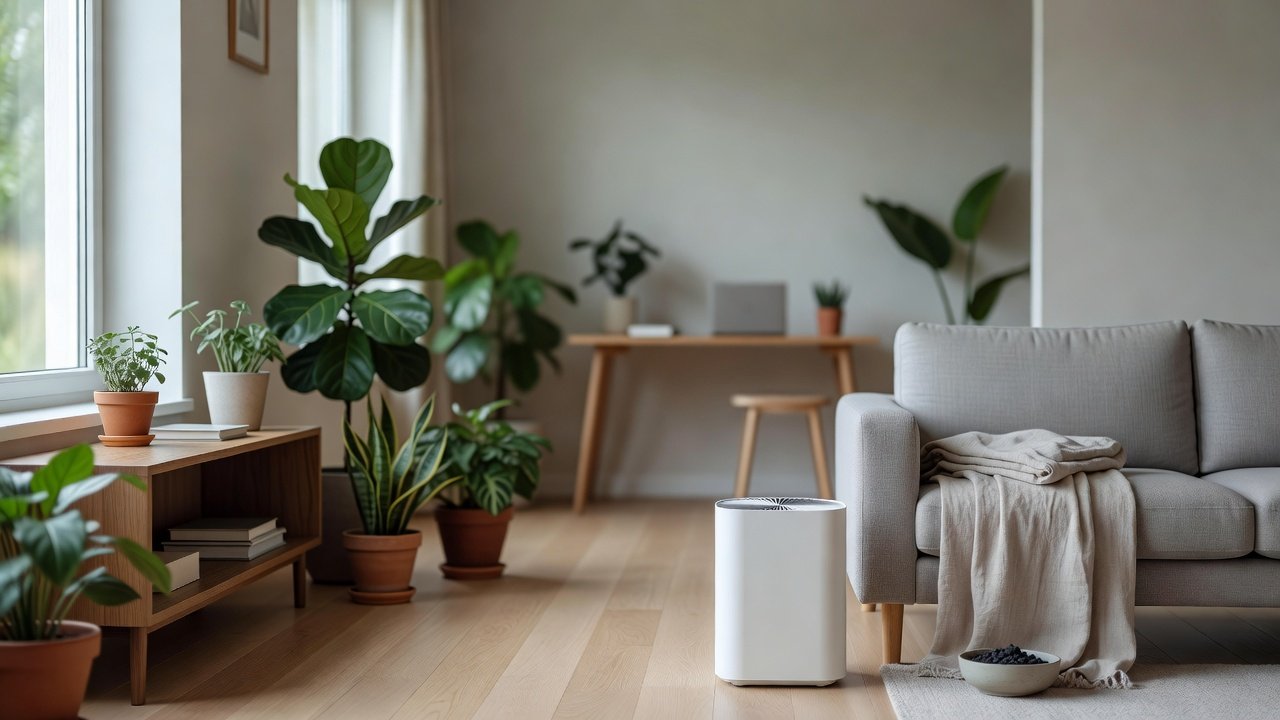
You can improve indoor air quality without an air purifier by controlling sources, ventilating well, managing humidity, cleaning smartly and upgrading HVAC filters.
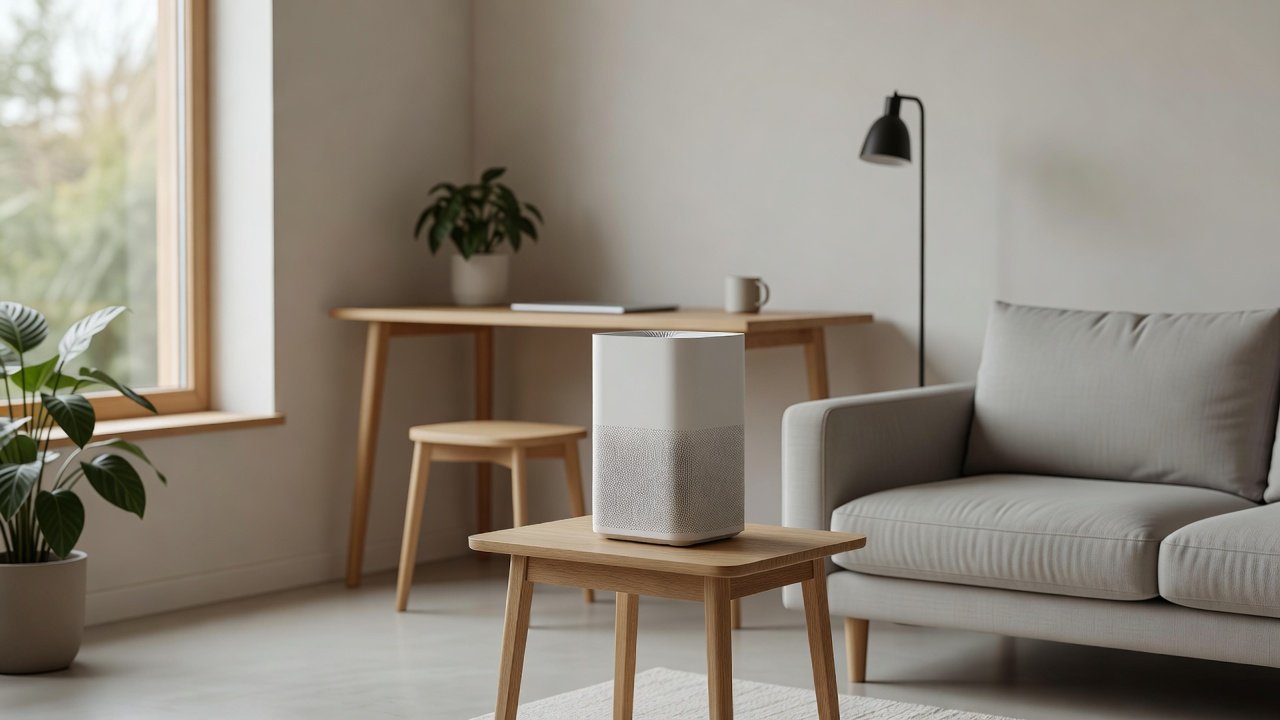
Summer brings pollen, wildfire smoke, smog and humidity. See what to look for in an air purifier for summer indoor air quality and how to run it with AC and open windows.
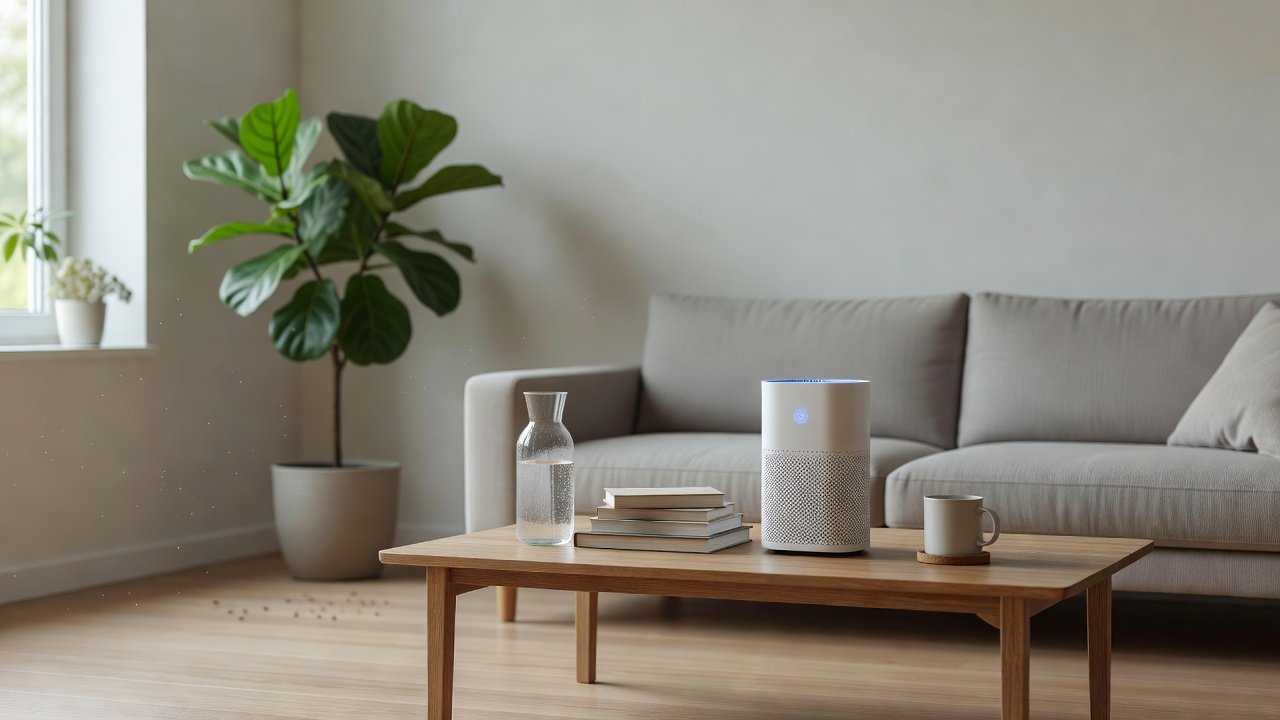
Better bedroom air can mean less congestion and better rest. Learn how bedding, humidity, ventilation, cleaning and a quiet HEPA purifier can improve air quality for sleep.
Winter means closed windows, heating dust, dry air and more time indoors. See what to look for in a winter air purifier and how to pair it with a humidifier and good ventilation.
Dust mites, pet dander, mold and smoke can trigger asthma symptoms. Learn practical home steps to reduce indoor allergens and how a HEPA purifier fits in.
Strong cleaning product smells come from volatile compounds. Learn how to ventilate, choose lower-odor products, avoid mixing chemicals and use carbon filtration safely.
Dry air, particles, smoke, mold and allergens may irritate skin or worsen conditions like eczema. See what is known, practical home steps and where air purifiers fit.
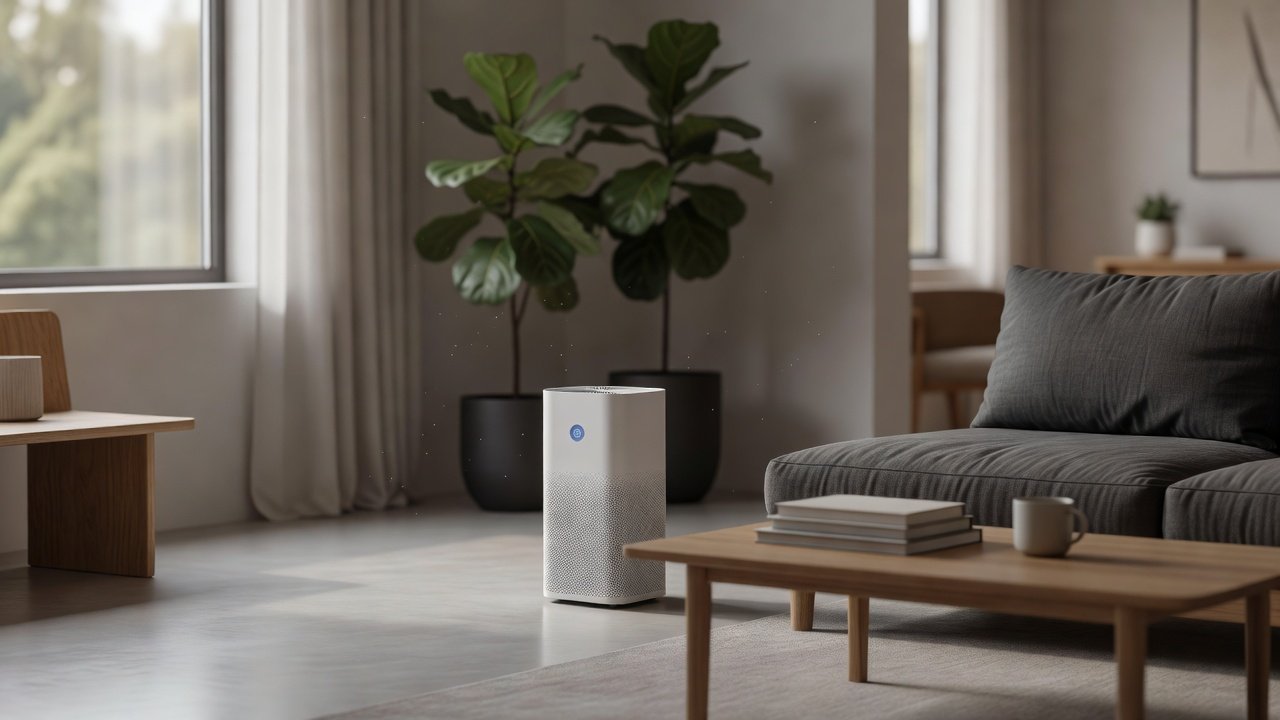
Large rooms with dead spots, high ceilings or closed layouts need more than one big number. Learn how to size, place and combine air purifiers for poor air circulation.
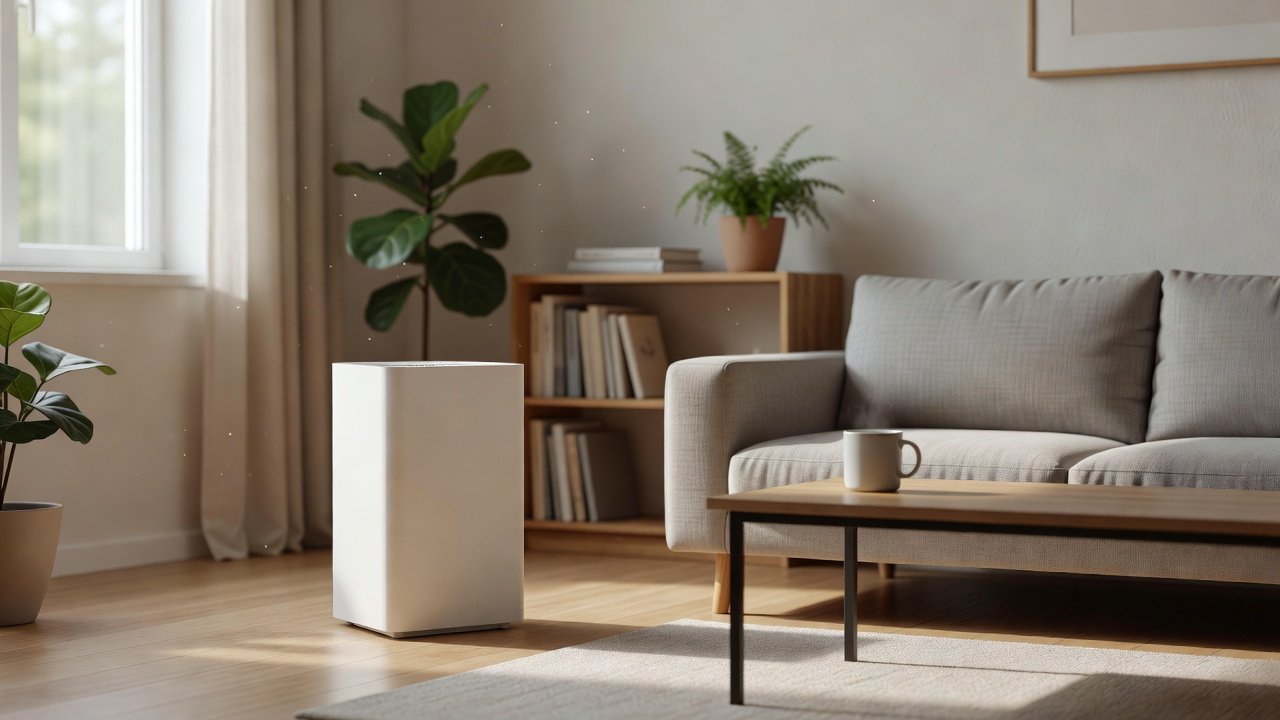
Learn how to detect mold in your home: visible signs, musty smells, moisture checks, what mold test kits can and cannot tell you and when to call a professional.
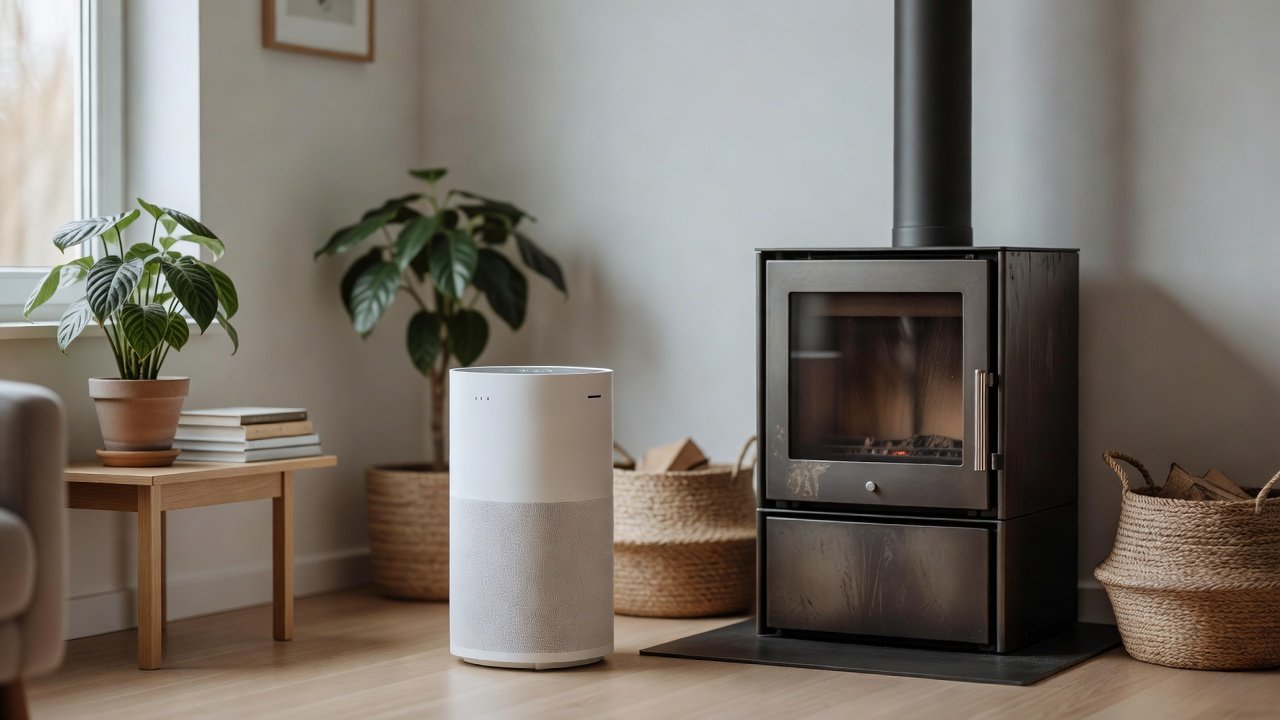
Wood stoves can release smoke and fine particles indoors. Learn safer burning habits, ventilation, maintenance and how a HEPA air purifier and CO alarms fit in.
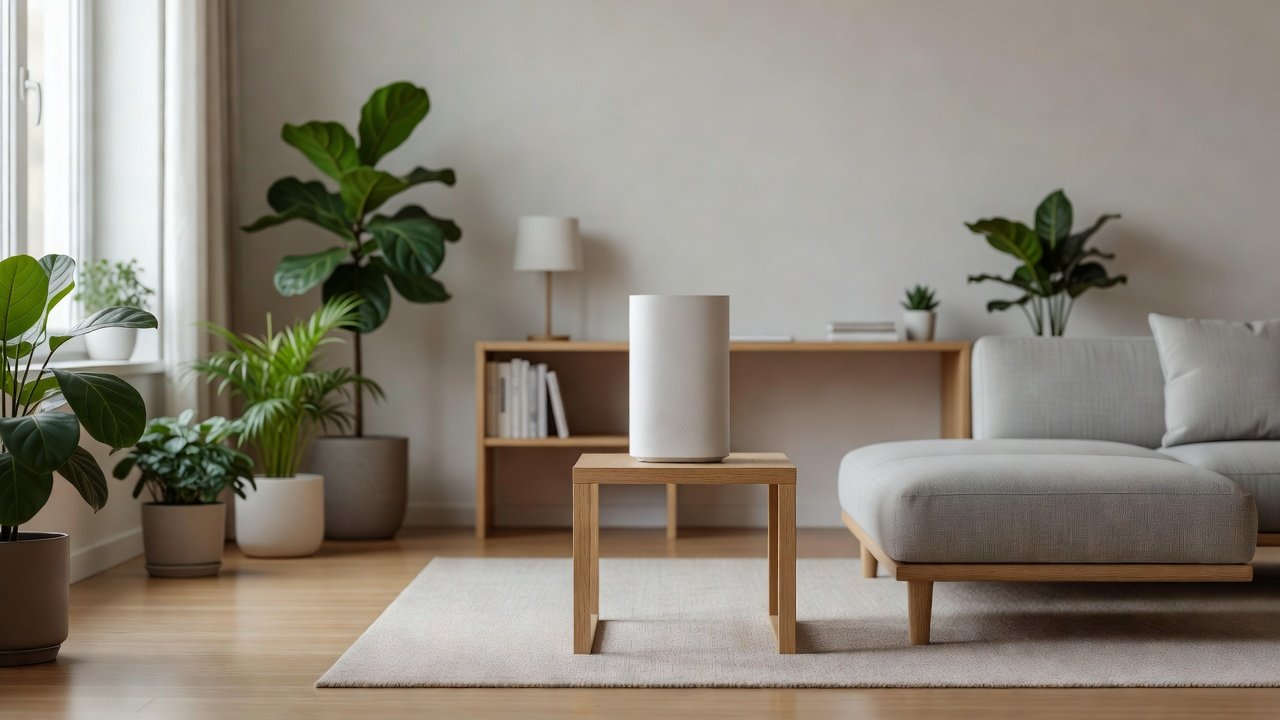
Good indoor air is a habit, not a one-time fix. Use this monthly and seasonal routine for filters, cleaning, humidity, ventilation and air purifier maintenance.
People with COPD are sensitive to smoke, particles and irritants. See what to look for in an air purifier, what to avoid and the home steps that matter alongside medical care.
Paints, new furniture, cleaning products, fragrances, printers and cooking all release VOCs indoors. Learn the main sources and practical ways to lower exposure.
Duct cleaning is not always needed. Learn when it makes sense, what to do yourself, how to choose a service and which steps improve indoor air more.
A neglected air purifier loses performance. Learn how to clean the pre-filter, replace HEPA and carbon filters, wipe sensors, set a schedule and avoid common mistakes.
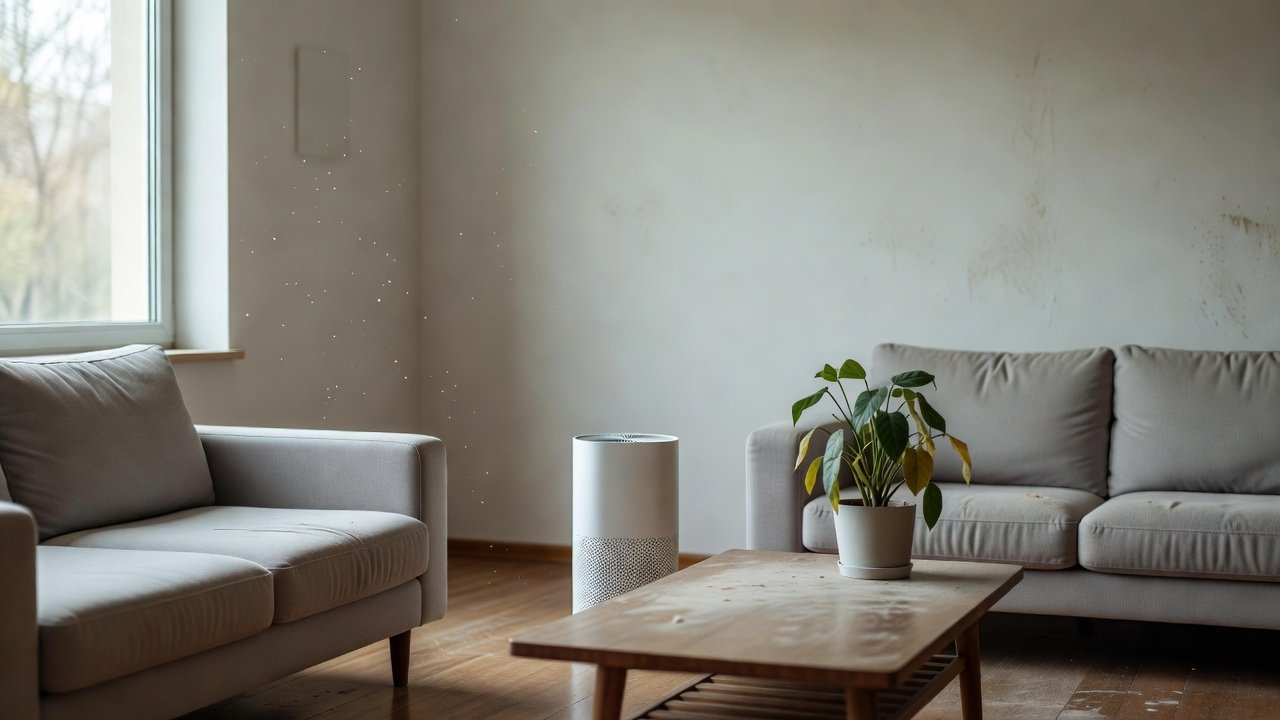
Poor indoor air can cause short-term irritation and, with long exposure to certain pollutants, contribute to serious health problems. See what is known and practical steps to reduce risk.
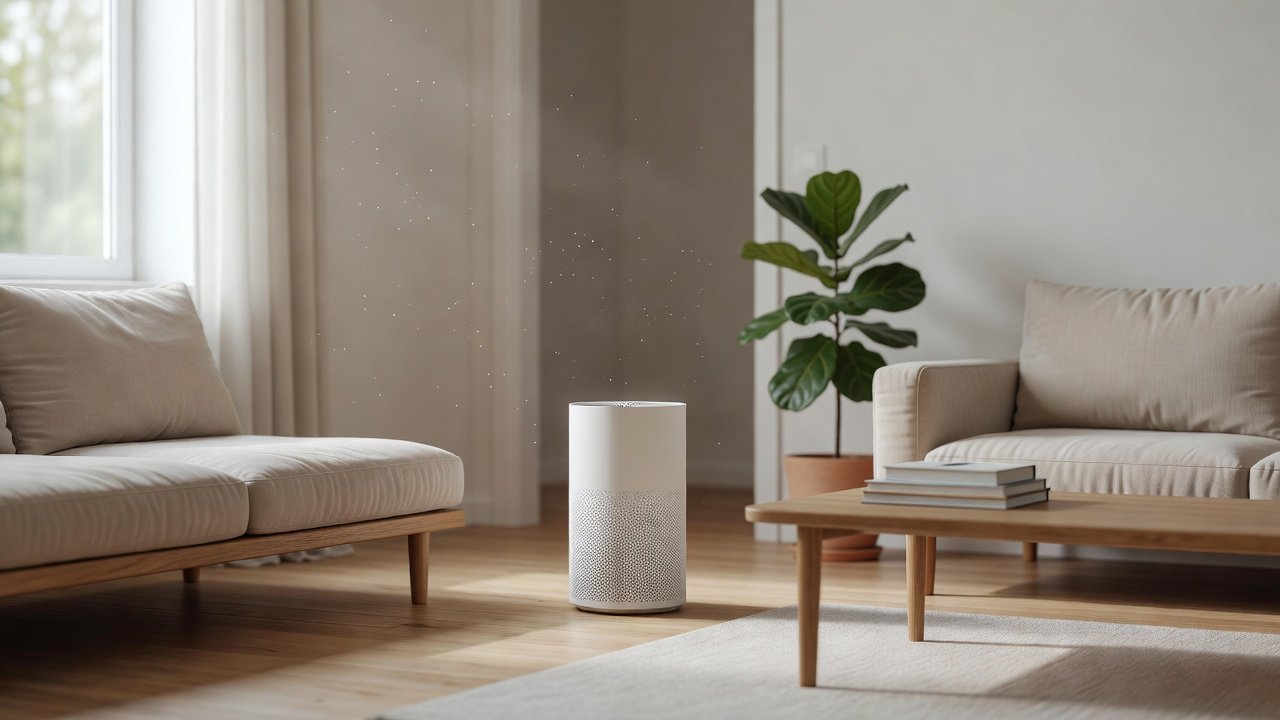
Indoor particles, allergens, smoke, mold and chemicals can irritate airways and worsen conditions like asthma. Learn the main triggers and practical steps to reduce exposure.
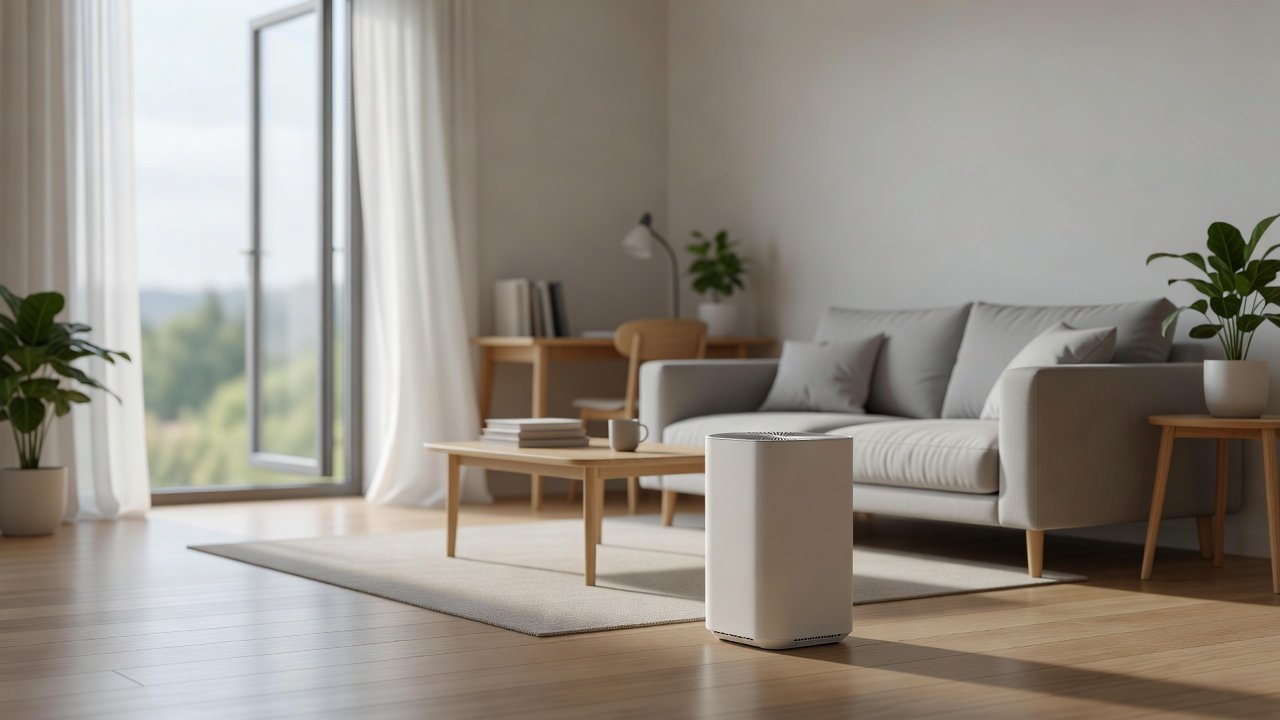
Proper ventilation dilutes indoor pollutants and moisture. Learn how to use exhaust fans, natural airing, balanced systems and filtration, and when outdoor air is not the answer.
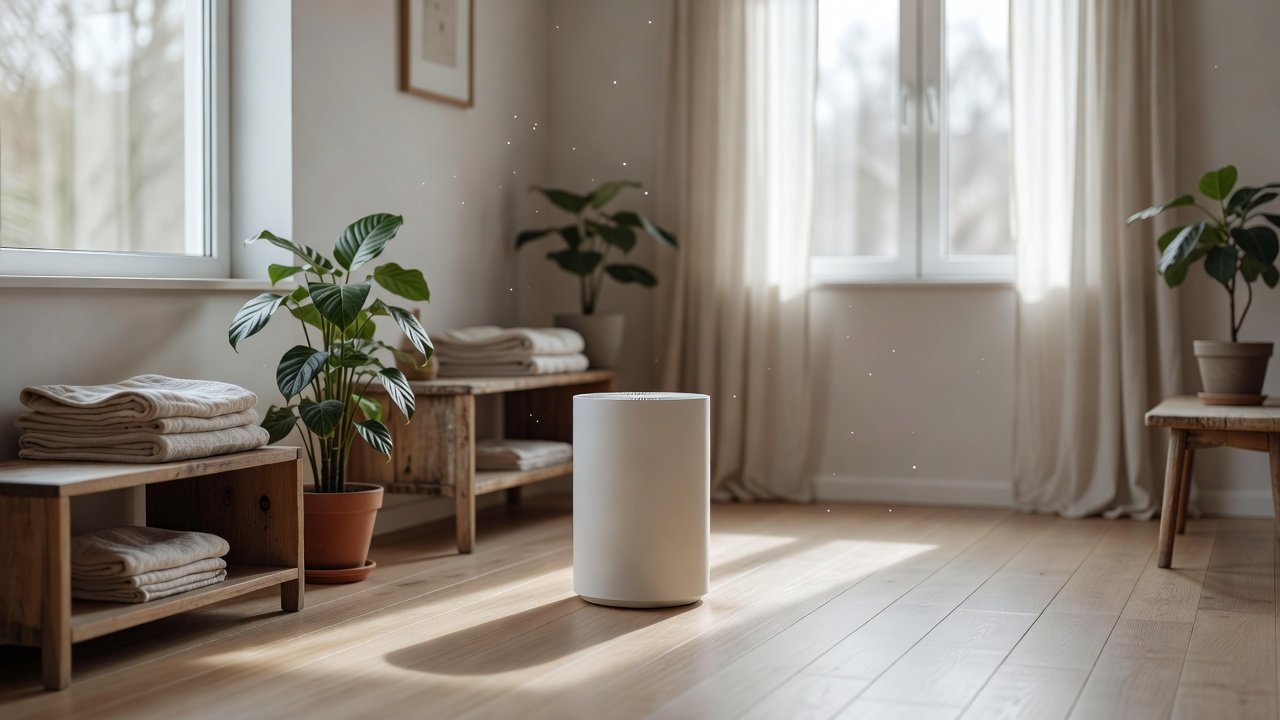
High indoor humidity feeds mold and dust mites. Learn the ideal range, how to measure it, and how to lower it with ventilation, dehumidifiers, air conditioning and habits.
Learn the most common indoor air pollutants, including particles, VOCs, mold, radon, carbon monoxide and allergens, where they come from and how to reduce them.
City homes face traffic particles, smog and noise that make open windows a trade-off. Learn how sealing, ventilation, filtration and habits cut indoor pollution in urban living.
During flu season, ventilation, moderate humidity, clean filters and a HEPA purifier may support cleaner indoor air, but they do not replace vaccination or hygiene. See what helps.
Research links air pollution and poor indoor environments with mood and cognition, but evidence is still developing. See what is known, simple home steps and when to seek help.
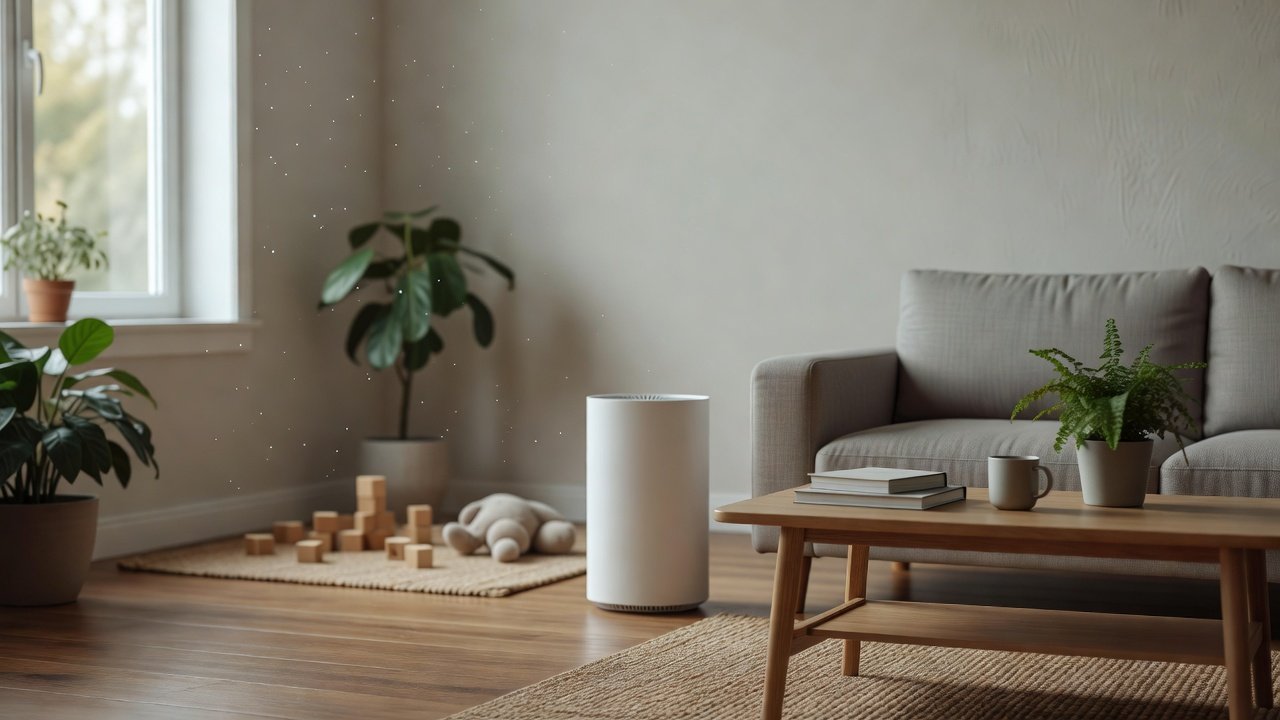
Children breathe more air for their size and spend lots of time at home. Learn how smoke, allergens, mold and chemicals can affect them and simple steps parents can take.
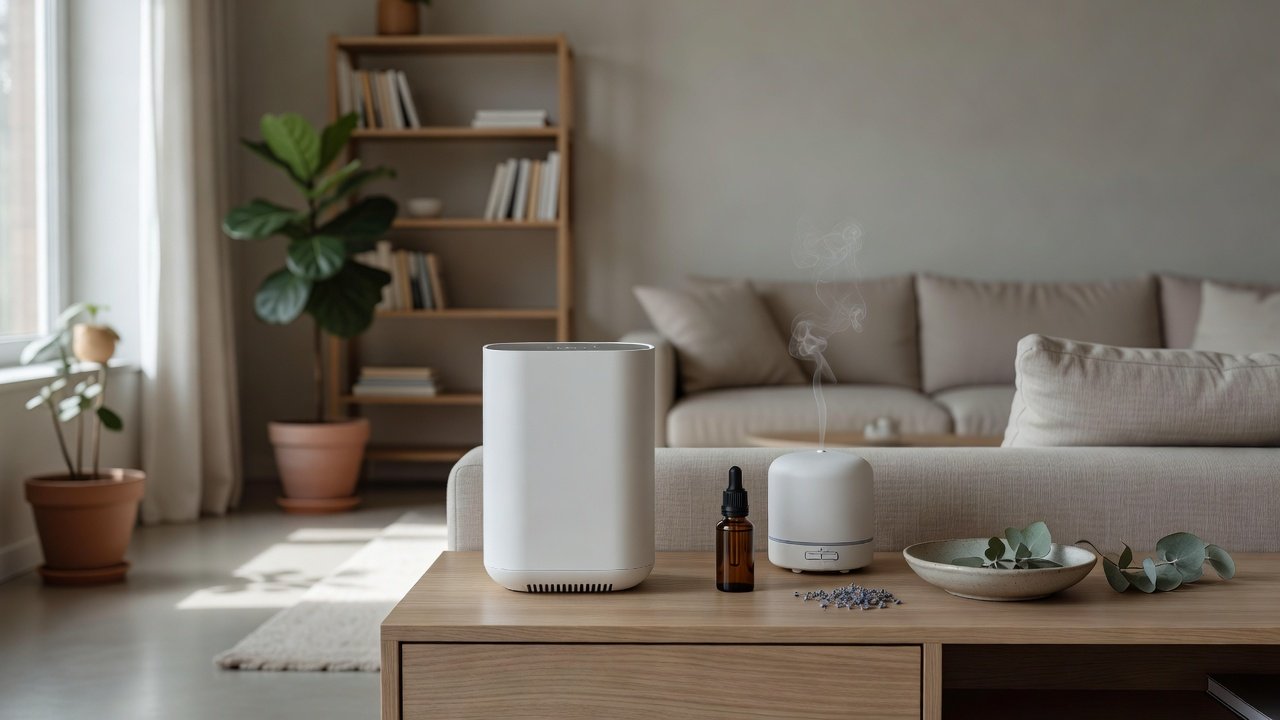
Essential oils and diffusers add scent, but they also release VOCs and particles. Learn what the evidence says, who should be careful and better ways to freshen indoor air.