Last updated:
Disclosure: As an Amazon Associate we earn from qualifying purchases. This does not change what we recommend. See our affiliate disclaimer.
During flu season you spend more time indoors with the windows shut, which can let airborne particles, including respiratory droplets, linger. Public health guidance emphasizes vaccination, hand hygiene and staying home when ill, and also highlights ventilation and filtration as supporting measures that can lower the concentration of airborne particles indoors. A HEPA purifier, fresh air and moderate humidity are reasonable additions, though they do not guarantee protection.
We have not tested these products ourselves. This article is general information, not medical advice. Ask your clinician about vaccination and care, and follow public health guidance, particularly if someone in the household is at higher risk.
Supporting measures
- Ventilation when possible
- HEPA filtration
- Moderate humidity
Not substitutes for
- Vaccination
- Hand hygiene
- Staying home when sick
Key Takeaways
- Ventilation and HEPA filtration are supporting measures
- Aim for 30 to 50 percent humidity
- Do not skip vaccination, hand hygiene or staying home when sick
- Follow public health guidance
A Flu Season Home Plan
Before the season, replace HVAC and purifier filters, check ventilation and stock supplies such as tissues, soap and a thermometer. During the season, open windows briefly when feasible, run the purifier in the room where the household spends time, keep humidity in range and clean frequently touched surfaces. If someone is ill, keep them in a ventilated room, wash hands, and follow guidance on when to seek care. After the season, clean humidifiers and review what worked. Keep the plan simple so everyone in the household can follow it, and adjust for people at higher risk.
Choosing a Purifier for Shared Rooms
Pick a unit with a CADR suited to the room, preferably above the two-thirds rule for rooms that host many people. Choose quiet speeds so it runs while you talk or sleep. Check filter cost and availability. Place it centrally with clearance, not behind furniture. Confirm specifications on the product page.
Cleaning Without Overdoing Chemicals
Clean frequently touched surfaces with suitable products and follow label directions. Ventilate when using disinfectants, never mix chemicals and avoid excessive fragrance. Over-cleaning with strong products can irritate airways.
Rest, Hydration and Care
General self-care such as rest and fluids, along with advice from your clinician, helps recovery. Air quality measures support a healthier environment but are not a treatment.
Special Considerations for High-Risk Households
Infants, older adults, pregnant people and those with chronic conditions may be at higher risk. Talk to a clinician about vaccination and precautions. Layer measures and keep a plan for when to seek care.
Cold Weather Ventilation Tips
Use short, vigorous airing instead of leaving windows open for long, run exhaust fans and use heat recovery if available. Dress warmly during airing and close windows afterwards.
Reading the Evidence Honestly
Studies of ventilation and filtration in shared spaces suggest they can lower airborne particle concentrations, and public health bodies include them in layered guidance. Proof that a home purifier reduces illness in a given household is limited, and results depend on how much time you spend in the room, how well the unit is sized and how infectious exposure occurs. Treat these measures as one layer that adds to vaccination and hygiene, and avoid products that promise to kill or prevent illness outright.
Humidifiers: Helpful or Risky?
Some people use humidifiers in winter to ease dry air. Use cool-mist or warm-mist models as directed, use clean water, empty and clean the tank daily or as the manual says and keep humidity under about 50 percent. A dirty humidifier can spread microbes and minerals into the air, so maintenance matters more than the device.
Planning for a Whole Season
Stock replacement filters, set reminders to change HVAC filters, plan ventilation habits and keep a list of supplies and contact numbers for your clinic. Review your household plan at the start of each season and after illness in the family.
A Flu Season Routine
Ventilate rooms briefly each day when outdoor air is good, run a true HEPA purifier continuously in bedrooms and the main living area, hold humidity between 30 and 50 percent since very dry air irritates airways, keep fragrances and smoke out, clean shared surfaces, wash hands, and stay home when ill. When someone is sick, give them a closed room with the purifier running and ventilate it when weather allows. Follow public health guidance on masks and vaccination as recommended by clinicians. The purifier is one layer; it does not prevent illness. Nothing here is medical advice.
HEPA Air Purifiers for Shared Rooms
These picks come from the Hostinger affiliate plugin. Specs change by model year, so confirm filter type, CADR, noise and replacement filter costs on the product page before you buy.






How Infections Spread Indoors
Respiratory viruses spread through close contact, droplets and smaller airborne particles, and through contaminated surfaces. Poorly ventilated, crowded indoor spaces allow airborne particles to build up. Reducing that build-up is the idea behind ventilation and filtration.
Ventilation: Fresh Air Dilutes
Bringing in outdoor air dilutes airborne particles. Open windows for short periods when feasible, use exhaust fans and make sure mechanical ventilation works. In cold weather, balance comfort and energy with short bursts of airing, particularly when someone is sick or after gatherings.
HEPA Filtration in Shared Spaces
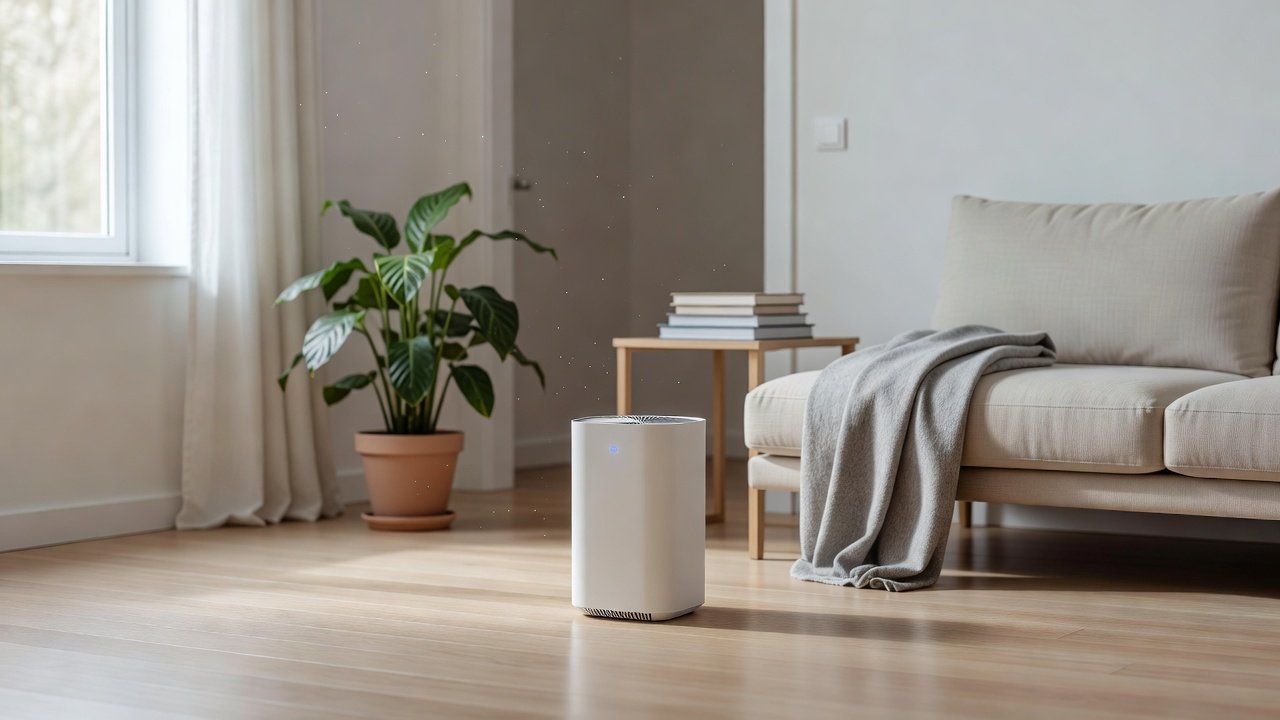
A true HEPA purifier removes 99.97 percent of particles at 0.3 micrometers, including those in the size range of respiratory aerosols, from the air that passes through it. Place the unit in the room where people gather or where someone is sick, with a CADR suited to the room. This lowers airborne particles but is not a guarantee against infection.
Humidity and Comfort
Very dry air can irritate airways, while very humid air promotes mold. Keeping humidity roughly between 30 and 50 percent is a reasonable target for comfort and mold control. Keep humidifiers clean and avoid over-humidifying.
Hygiene, Cleaning and Staying Home
Hand washing, covering coughs, cleaning frequently touched surfaces and staying home when sick remain core measures. Vaccination is recommended by public health authorities for many people, so ask your clinician which vaccines suit you.
Caring for a Sick Family Member
Keep the sick person in a separate room when possible with good ventilation, use a purifier in that room, wash hands often, clean frequently touched surfaces and use separate towels and dishes as advised. Follow public health guidance and ask your clinician about care and when to seek help.
Gatherings and Visitors
For gatherings, ventilate, run purifiers in the main room, ask guests who are ill to stay home and provide hand-washing options. Use a larger CADR for crowded rooms.
Schools, Daycare and Shared Spaces
Shared spaces benefit from ventilation, filters and cleaning. Ask schools and childcare providers about ventilation and filter maintenance. Home measures complement, not replace, institutional policies.
HVAC Filters in Flu Season
Check the HVAC filter and consider a higher MERV filter if your system supports it. Replace on schedule, run the fan on auto or continuous as advised and keep the system serviced.
Masks and Other Layers
Public health agencies recommend layered measures. Masks, vaccination, ventilation, filtration and hygiene each help. Choose what suits your situation and follow local guidance.
How to Choose
- True HEPA filtration
- CADR suited to the room
- Quiet operation
- Easy filter replacement
Do
- Match the unit’s rated coverage to your room first
- Run it consistently, not only when the air feels bad
- Leave space around the unit for airflow
- Replace filters on the maker’s schedule
Don’t
- Do not buy on looks or price alone
- Do not block the intake or exhaust
- Do not skip filter changes
- Do not expect a purifier to fix every source of pollution
Honest Limits
- This guide uses manufacturer information and public guidance from the EPA and AHAM, not our own lab tests.
- Features and room ratings change between model years, so confirm on the listing before you buy.
- A purifier is not a medical device and does not replace medical advice or treatment.
Who Should Skip This
When to See a Professional
Frequently Asked Questions
Can a purifier stop the flu?
No. It may lower airborne particles but is not a guarantee.
Is fresh air helpful?
Ventilation dilutes airborne particles.
What humidity is best?
About 30 to 50 percent.
Should I rely on a purifier?
No; combine it with other measures.
Bottom Line
During flu season, support cleaner indoor air with short ventilation bursts, a true HEPA purifier in shared rooms, moderate humidity and clean filters. These measures do not replace vaccination, hand hygiene or staying home when sick, so follow public health guidance and talk to your clinician.
Related reading: sens,fan,bed
Sources: EPA, Guide to Air Cleaners in the Home; AHAM Verifide.