The Truth About Ozone-Generating Air Purifiers and Asthma
Ozone generators and some ionizers can produce ozone, a lung irritant that can worsen asthma. Learn what the EPA says and which filter-based alternatives are safer.
Ozone generators and some ionizers can produce ozone, a lung irritant that can worsen asthma. Learn what the EPA says and which filter-based alternatives are safer.
Learn how to spot common household allergens such as dust mites, pet dander, mold and cockroaches, track symptoms, use simple tests and when to see an allergist.
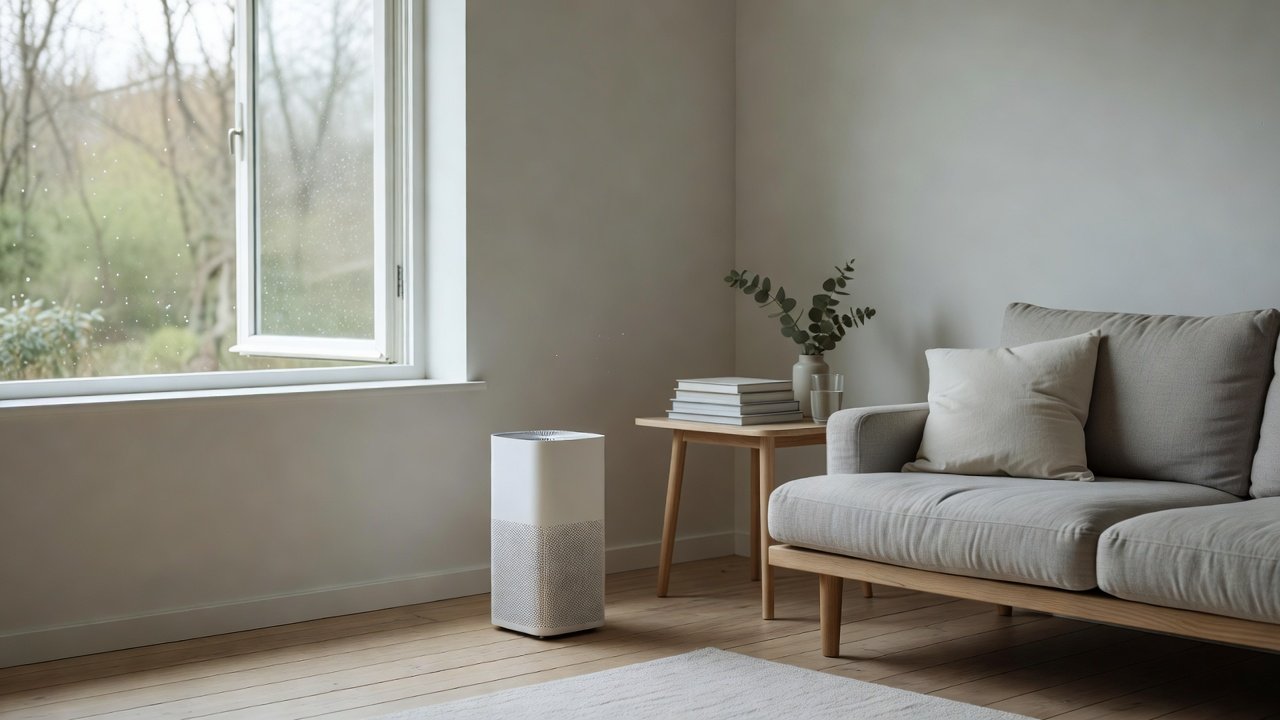
Running an air purifier with open windows lets in new pollutants and reduces its effect. Learn when to open windows, when to close them and how to combine airing with filtration.
Air purifiers can lower airborne triggers but cannot prevent asthma attacks on their own. See what research suggests, how to use one and why your action plan comes first.
Plug-in car air purifiers are tiny and often unproven. Learn what actually improves in-car air: cabin filters, recirculation settings, habits and when a compact HEPA unit may help.
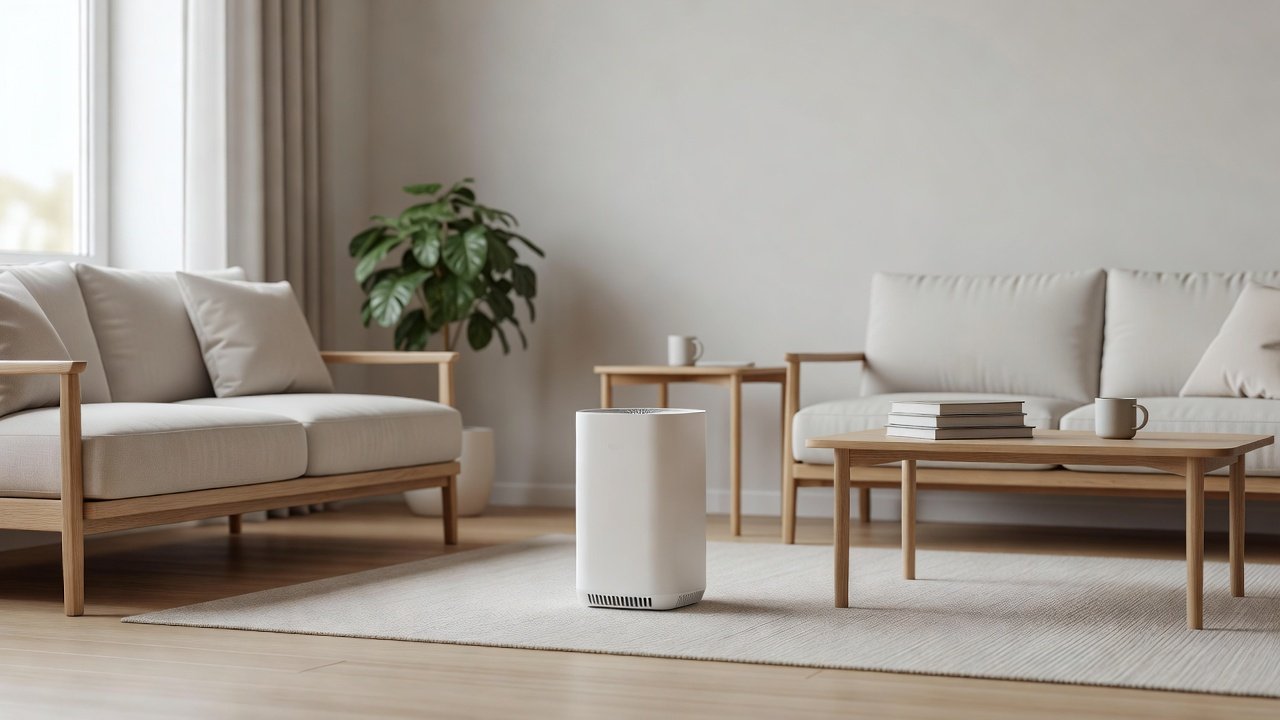
Shared homes mean different habits, pets, cooking and sensitivities. Learn how to size, place and agree on air purifier use in apartments, roommate houses and family homes.
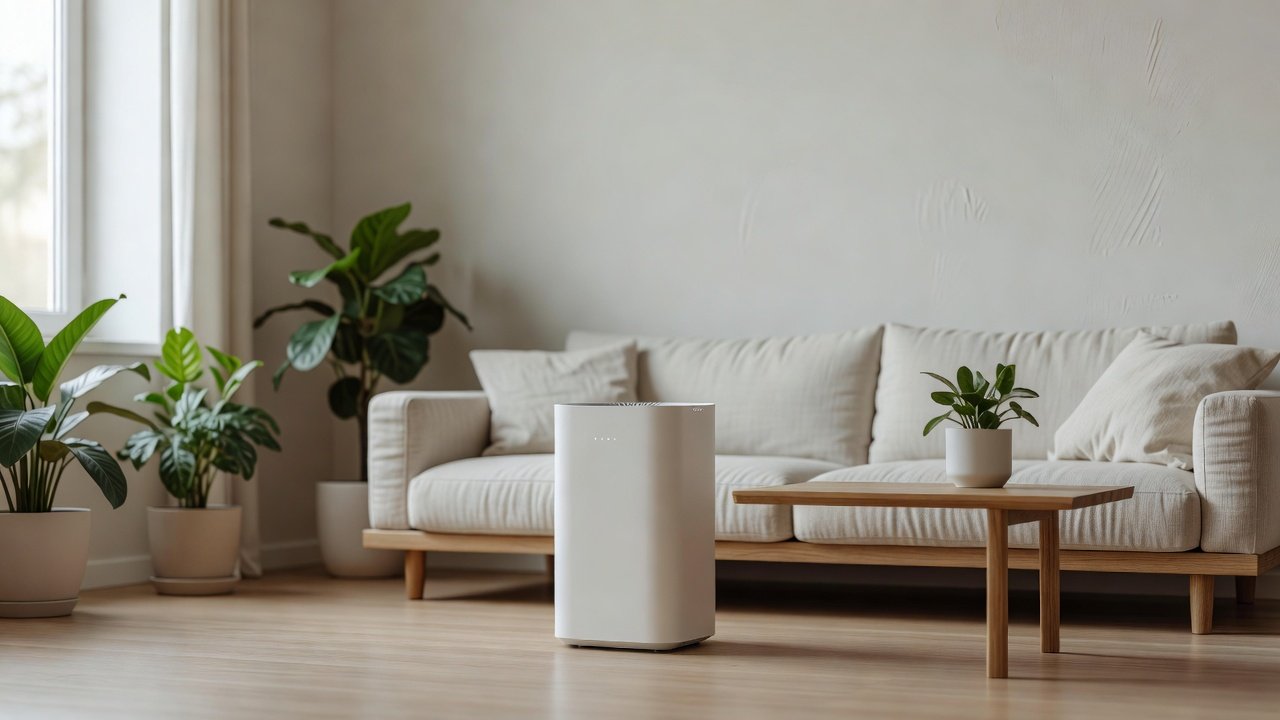
If you react to dust, pollen, pets and mold, you need a purifier that handles all of them. See what features matter, how to size one and which home steps help most.
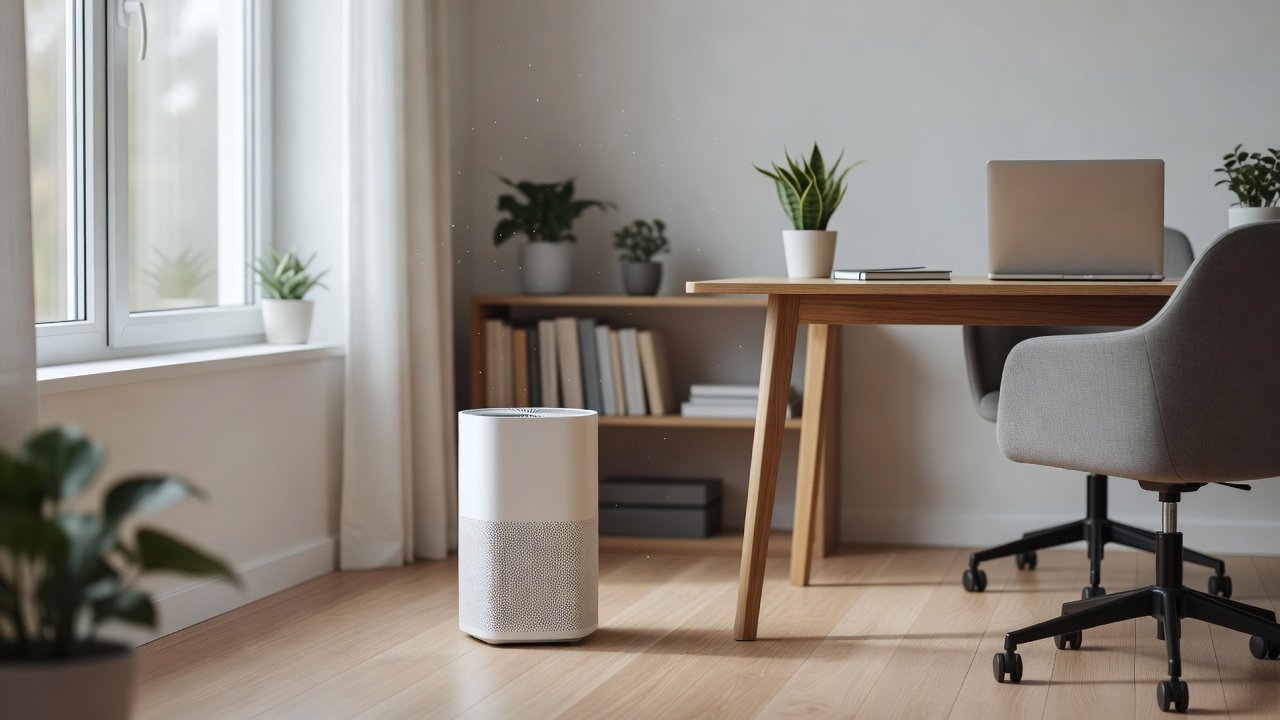
A home office needs quiet, low-maintenance air cleaning plus fresh air. Learn how to size a purifier for a small office, manage printer and dust issues and keep CO2 down.
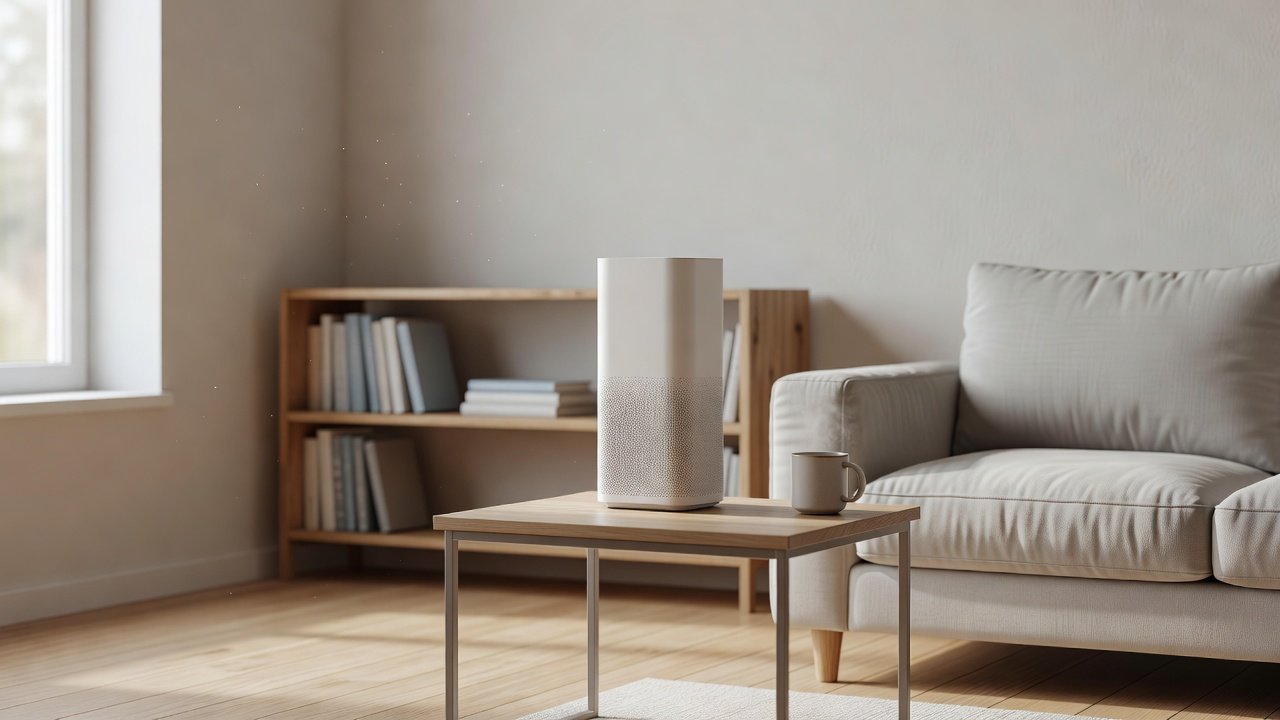
Seniors with asthma need air cleaners that are quiet, simple to operate and easy to maintain. See what features matter, where to place a unit and which home steps support breathing comfort.

RVs and campers have small cabins, power limits and extra exposure to dust, smoke and cooking fumes. Learn how to choose, power and place a purifier safely in a camper.
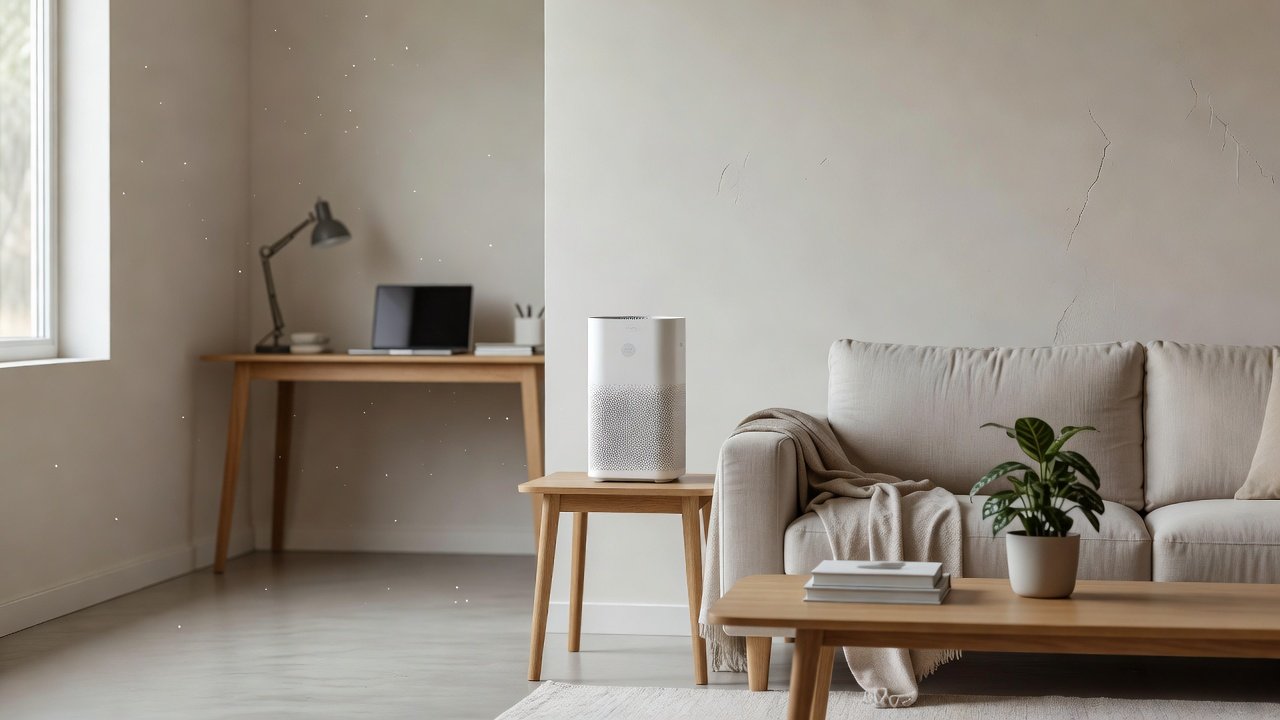
Attached garages can send exhaust, fuel vapors and dust into your home. Learn what a HEPA purifier can and cannot do, how to seal and ventilate and when to call a pro.

Wood stoves and fireplaces release fine particles and gases. Learn what a HEPA purifier can capture, what it cannot, and how to burn cleaner and ventilate safely.

Allergies can wreck sleep through congestion, itching and coughing. Learn how a quiet bedroom purifier, clean bedding and humidity control can support better rest.

After a leak or flood, mold and musty odors can follow. Learn how to dry, clean and remediate first, and where a HEPA purifier fits in the recovery plan.
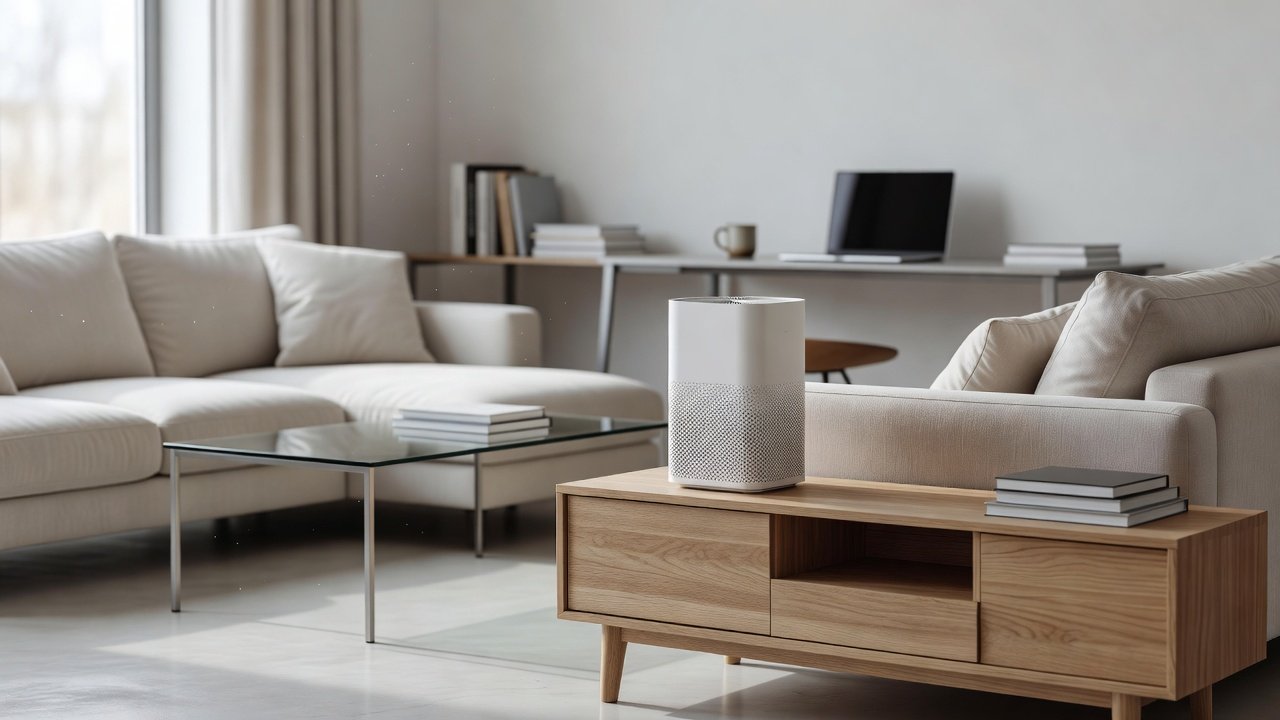
Cockroach allergens trigger asthma in many homes. Learn how cleaning, pest control and a HEPA purifier work together and why source control matters most.
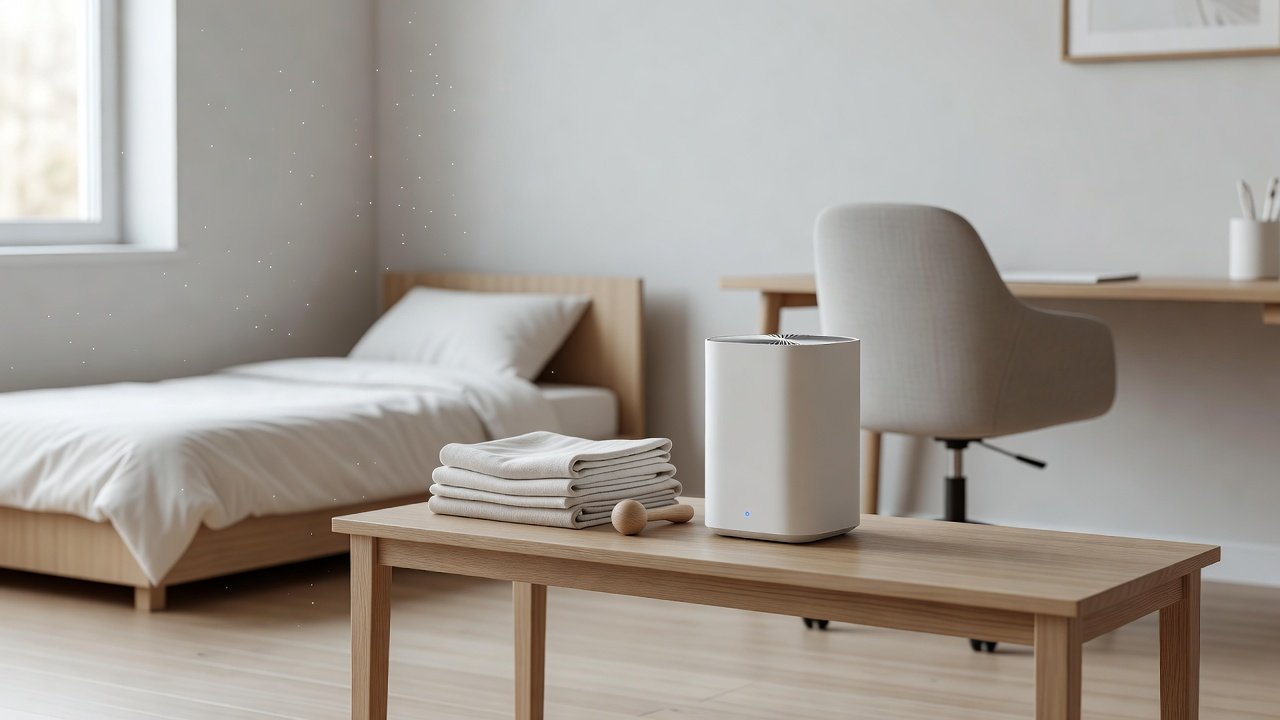
Choosing an air purifier for a nursery means prioritizing safety, quiet operation and placement out of reach. See what to look for, how to size one and which habits matter most.
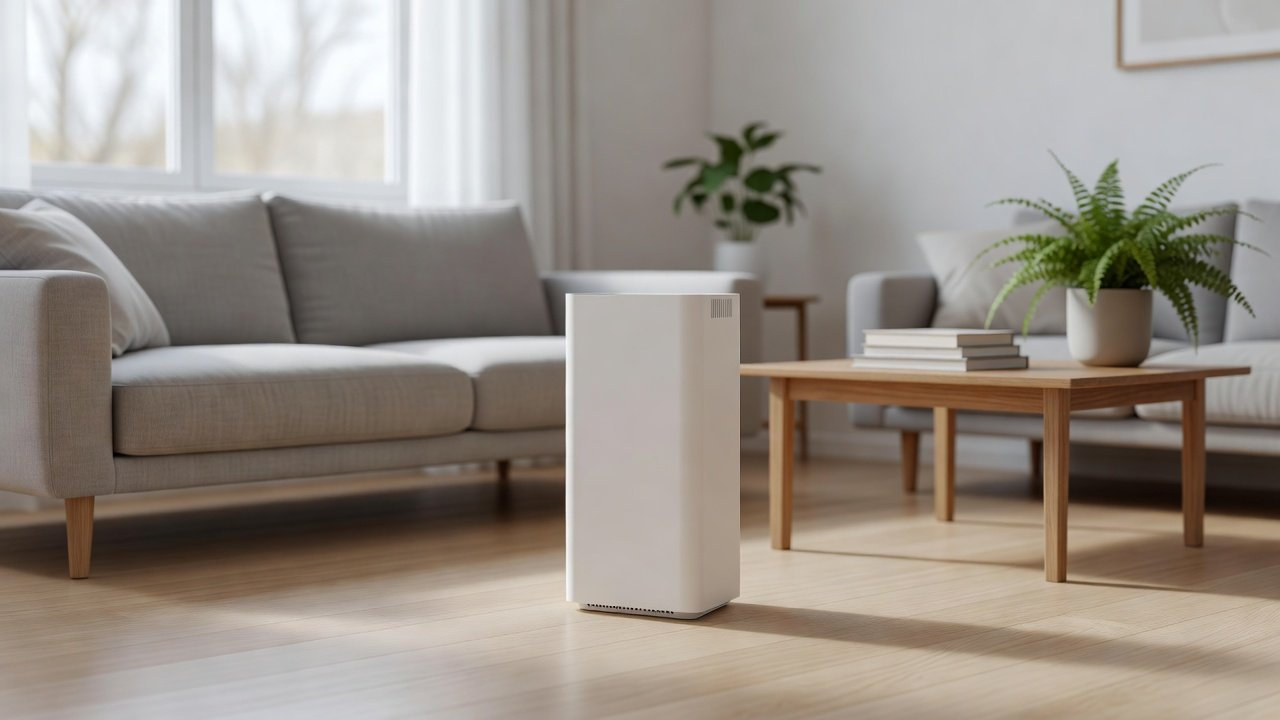
Damp basements can mean musty air and mold. Learn how dehumidifiers, drainage fixes and a HEPA purifier work together and what to prioritize for asthma.
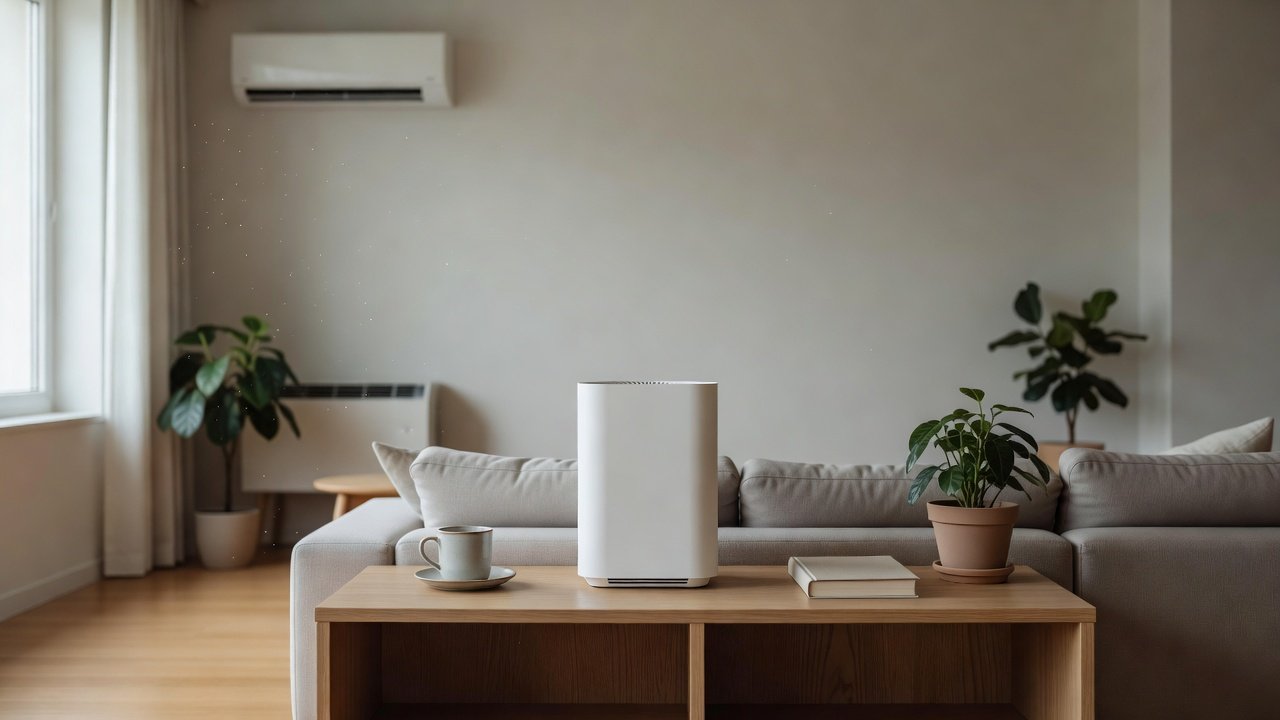
Air conditioning can help or hurt asthma depending on filters, humidity and maintenance. Learn how an air purifier fits with AC and what to check first.
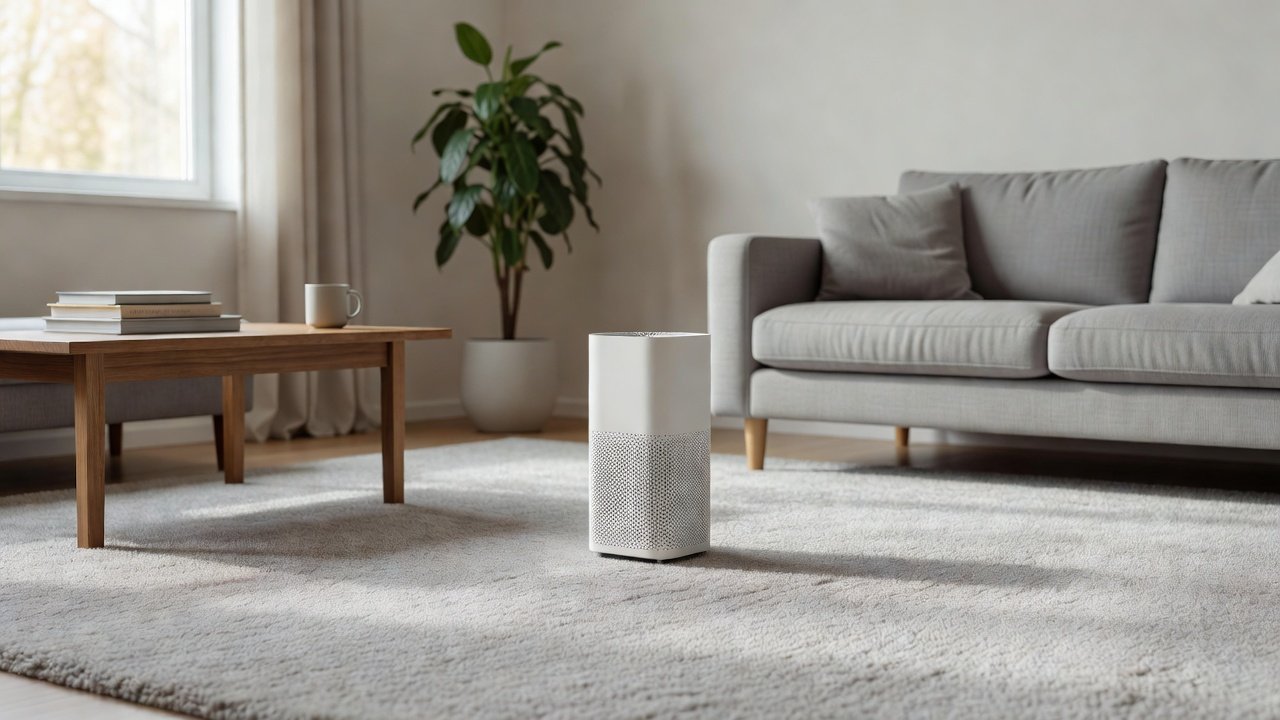
Carpet traps dust, pet dander and pollen, which can be stirred back into the air. Learn how a HEPA purifier, HEPA vacuuming and smart habits reduce allergens in carpeted homes.
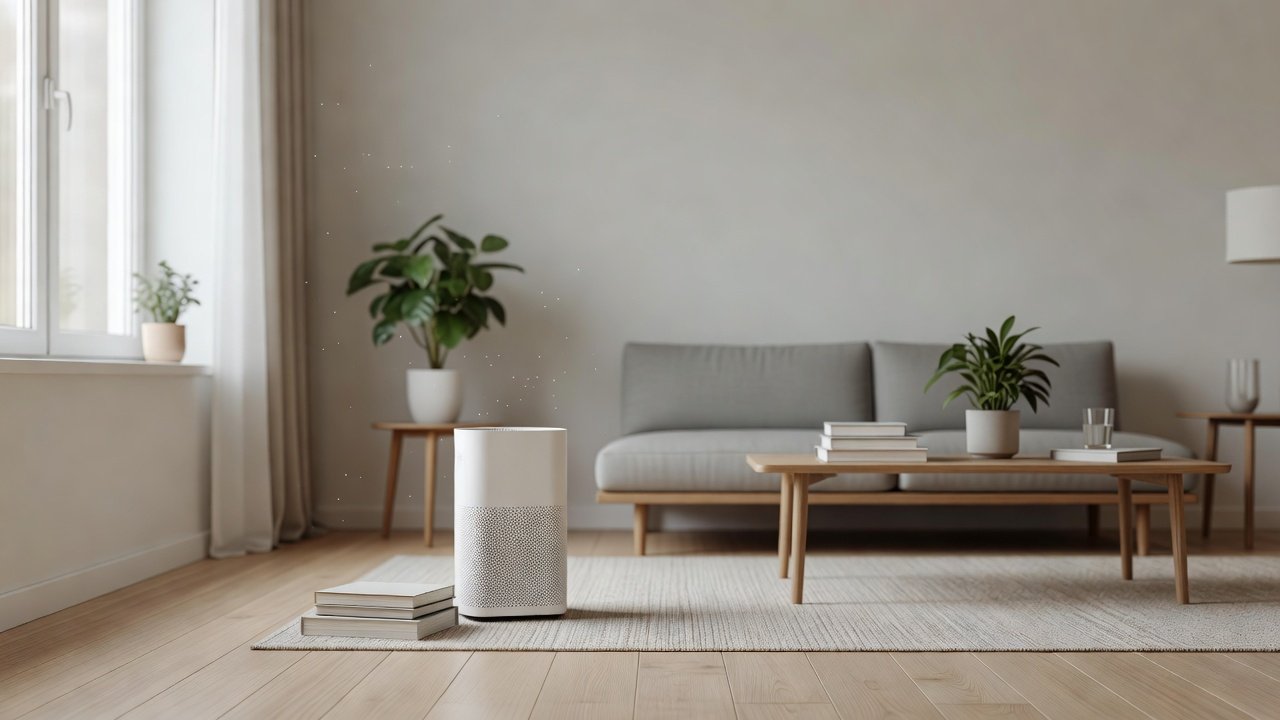
Learn simple ways to check your home’s air quality for allergens, from symptom diaries and humidity checks to low-cost monitors, inspections and when to call a professional.
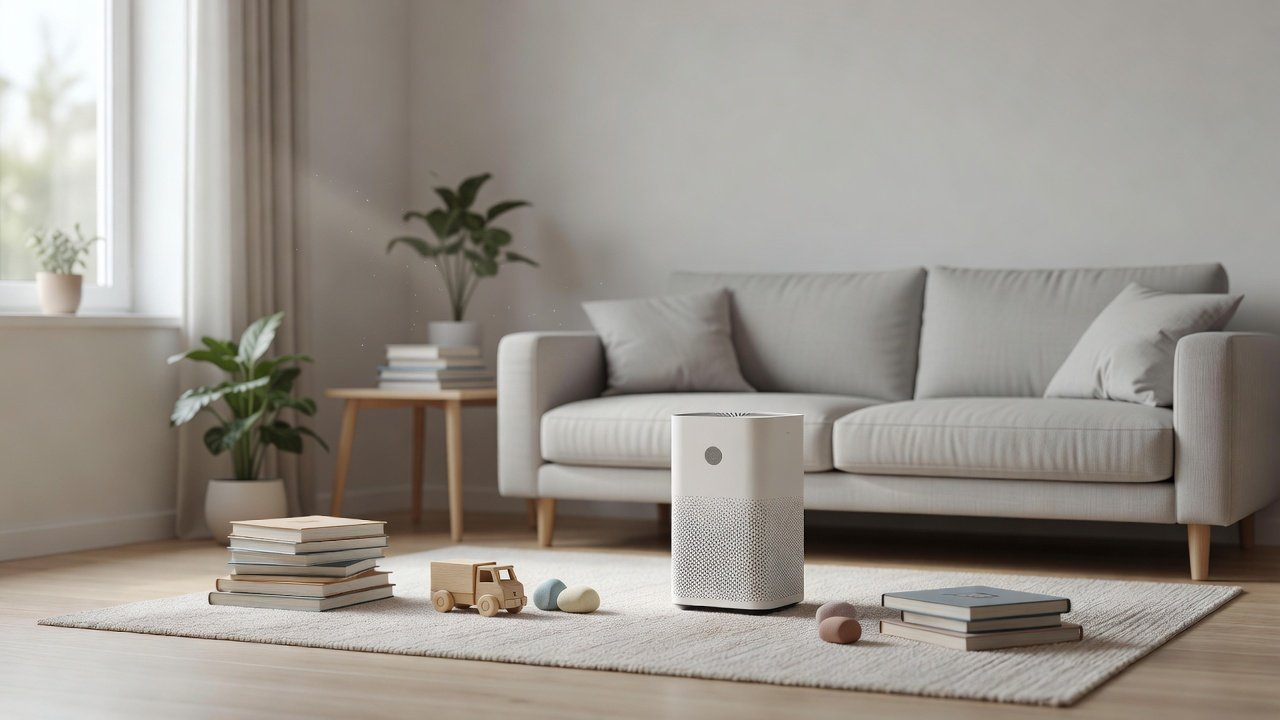
Parents of children with asthma often ask whether a purifier helps. Learn what to look for, how to place it safely and which home steps matter alongside medical care.

Workplace air depends on ventilation, filters and cleaning. Learn how portable HEPA purifiers can help in offices and shared spaces and what to ask building managers.
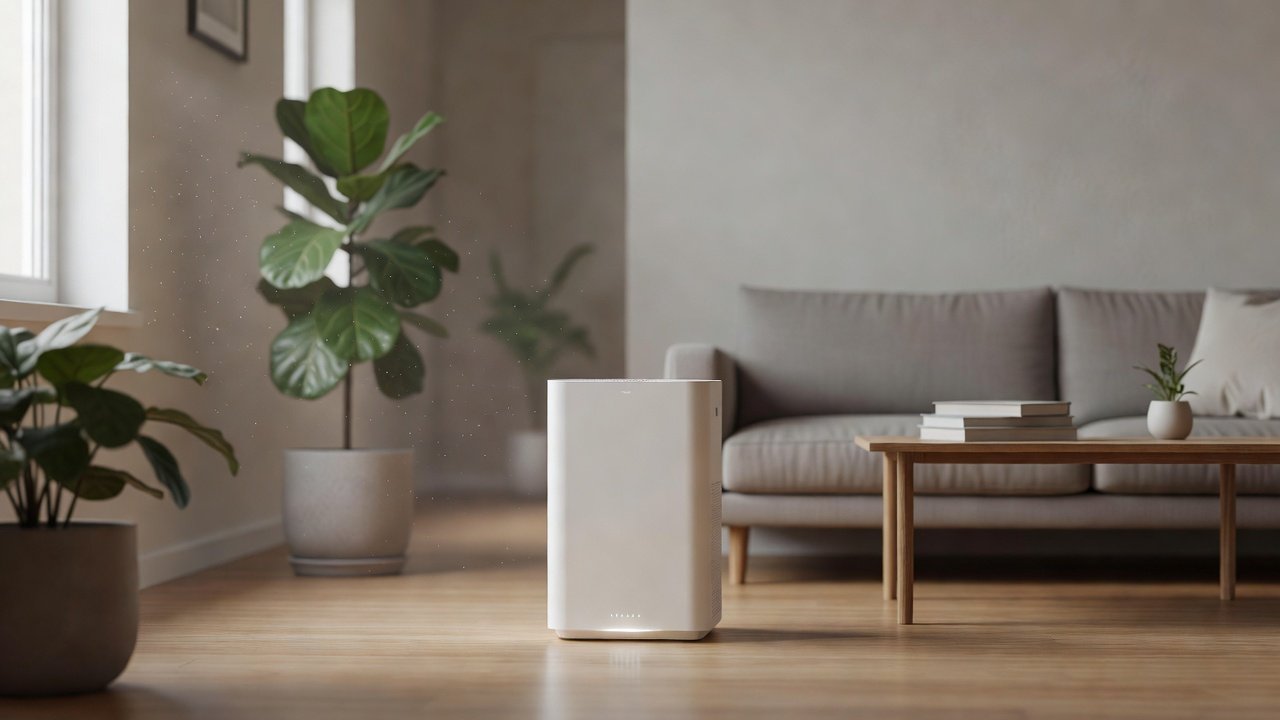
Tight or poorly ventilated homes trap dust, moisture, odors and CO2. Learn what a purifier can and cannot do and how to improve fresh air safely.

Cleaning sprays, bleach and fragranced products release fumes that can irritate airways. Learn how ventilation, product choices and a carbon-equipped purifier fit together.
Planes recirculate filtered air, but dryness, crowds and cabin triggers can affect asthma. Learn what portable purifiers can and cannot do and how to prepare for a flight.

Pollen follows you indoors on clothes, hair and open windows. Learn how to choose a HEPA purifier for pollen, size it correctly and combine it with simple habits.

Most true HEPA purifiers do not worsen asthma, but ozone-emitting and some ionizer devices can irritate airways. Learn what to avoid and how to choose a safer unit. Not medical advice.

Air purifiers filter airborne particles; dehumidifiers reduce moisture. Learn the difference, when each may help with asthma triggers and how to use both. Not medical advice.

Cats with asthma need veterinary care. An air purifier may reduce some airborne irritants such as dust, but it is not treatment. Learn what to ask your vet and how to reduce triggers.