Last updated:
As an Amazon Associate we earn from qualifying purchases. This does not change what we recommend. See our affiliate disclaimer.
A cat that coughs, crouches low with its neck stretched out and wheezes is frightening to watch, and once a veterinarian has diagnosed feline asthma, owners understandably look at everything in the home that might be making it worse. Air purifiers come up quickly. They are not a treatment, and no honest guide will call them one, but they can change the air a cat breathes in ways that fit alongside the vet’s plan.
An air purifier can help a cat with asthma indirectly, by reducing airborne irritants such as dust, litter dust, pollen, mold spores and smoke particles in the rooms where the cat spends its time. Veterinary sources list environmental irritant reduction among the supportive measures for feline asthma, together with low-dust litter, no smoking indoors, avoiding aerosol sprays and scented products, and controlling humidity. A filter-based unit with a true HEPA stage, sized by CADR for the room, run continuously and kept away from ozone-producing features, does that job well. What it cannot do is treat the inflammation in the cat’s airways, replace prescribed medication, or remove dust already settled in bedding and carpet. Whether a cleaner room changes a particular cat’s symptoms is a question only its vet can answer over time.
In short: a HEPA purifier is a sensible supporting step for an asthmatic cat’s environment, never a substitute for the veterinarian’s treatment, and only one part of reducing irritants.
Veterinary guidance on feline asthma from sources such as the Cornell Feline Health Center emphasizes medication prescribed by a vet alongside reducing environmental triggers, including dusty litter, smoke, aerosols and scented products. The EPA’s guidance on portable air cleaners, written for people, describes the same particle reduction and the same warning about ozone that applies to a cat’s lungs as much as a person’s.
This guide is research-based and educational, drawn from veterinary sources, EPA material and maker specifications. We have not tested the units in the comparison table and quote no prices or ratings. Nothing here is veterinary advice; a cat with breathing problems needs a vet, and sudden breathing distress is an emergency.
A purifier is a reasonable supporting step if
- The vet has diagnosed asthma and set a treatment plan
- The cat spends most time in one or two rooms you can filter
- Dust, litter dust, smoke or pollen are present in the home
- You will run a true HEPA unit continuously with any ionizer off
Focus elsewhere first if
- The cat has not been seen by a vet for its breathing
- Someone smokes indoors or aerosol sprays are used daily
- The litter is dusty or scented
- You are considering an ozone or ionizer device
Key Takeaways
- A purifier reduces airborne irritants in a room; it does not treat feline asthma or replace medication.
- Veterinary sources list irritant reduction as supportive care alongside prescribed treatment.
- Low-dust, unscented litter and no smoking indoors usually matter more than any appliance.
- Choose true HEPA, size by CADR for the room where the cat sleeps, run continuously, and keep ionizer features off.
- Ozone generators and ionizers that emit ozone are respiratory irritants; the EPA advises against ozone, and cats are small.
- Avoid aerosols, scented products, candles and incense near the cat.
- Open-mouth breathing, blue gums or labored breathing are emergencies: go to a vet immediately.
Pet-Household HEPA Purifiers to Compare
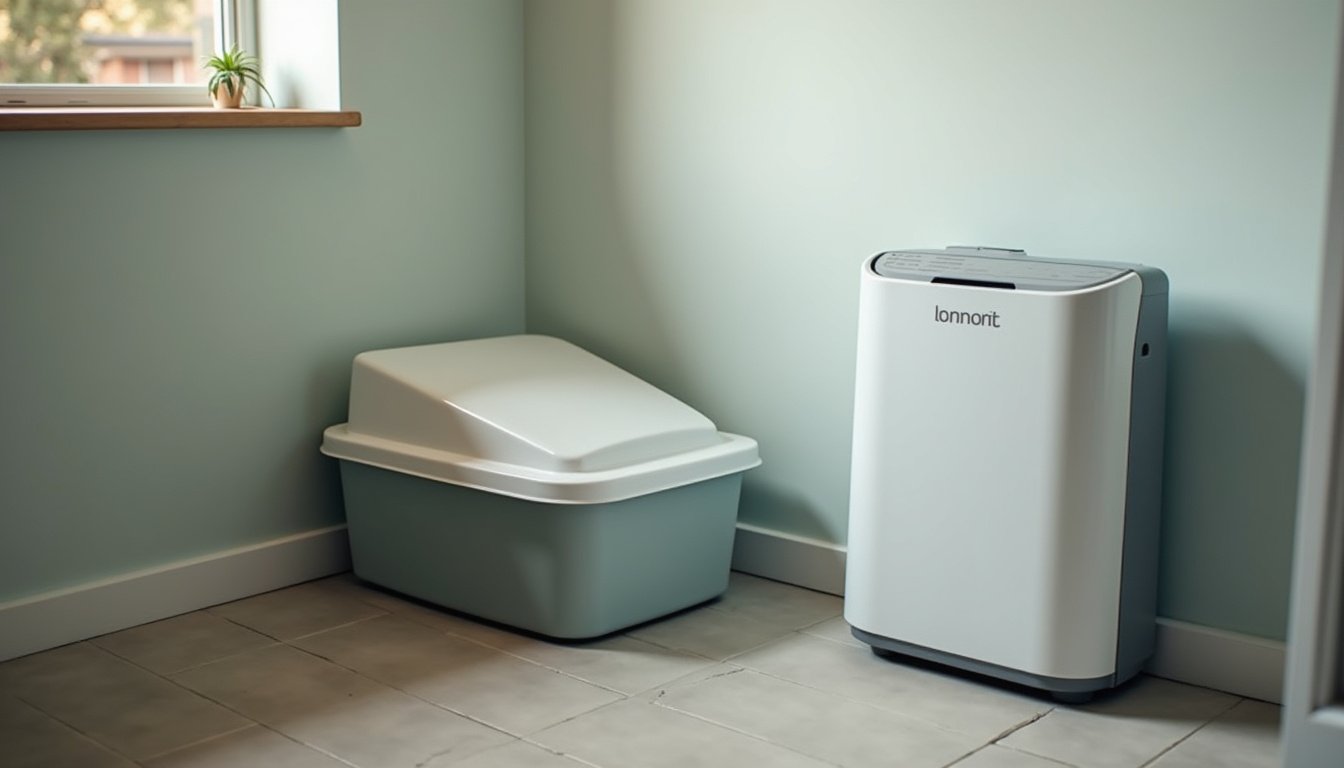
These widely reviewed filter-based units are commonly chosen for homes with pets and allergies, combining true HEPA with carbon. Compare maker-listed CADR and room size against the room where the cat spends most of its time, and keep any optional ionizer switched off.


How This Guide Approaches the Question
We read veterinary guidance on feline asthma to identify the environmental measures vets recommend, then looked at what a filter-based purifier physically changes in a room and how that overlaps. EPA material on particle filtration and ozone applies to the device itself. Product details come from maker specifications.
Throughout, the vet comes first. Feline asthma is a medical diagnosis with medical treatment, and environmental steps are supportive. This guide helps you do the supportive part well.
What Feline Asthma Is, Briefly
Feline asthma is a chronic inflammatory condition of a cat’s lower airways. Veterinary sources describe episodes in which the airways narrow and produce mucus, causing coughing, wheezing, rapid or labored breathing and sometimes open-mouth breathing, which in a cat is an emergency sign. Diagnosis involves a vet, typically with chest X-rays and other tests to rule out heartworm, infection and other causes. Treatment is prescribed by the vet and commonly includes anti-inflammatory and airway-opening medications, often given by inhaler.
Inhaled irritants are widely described as triggers for episodes. The list from veterinary sources is familiar from human asthma: tobacco smoke, dust and litter dust, aerosol sprays, perfumes and scented products, pollen, mold spores, and smoke from fireplaces or candles. Reducing those in the cat’s environment is the part of care an owner controls at home, and it is where a purifier fits.
What a Purifier Changes for the Cat
A filter-based purifier pulls room air through a true HEPA filter rated to capture 99.97 percent of particles at 0.3 microns under test conditions. The dust, litter dust, pollen, spores and smoke particles that veterinary sources name as irritants are in or above that size range and are captured efficiently. In a closed room with a correctly sized unit, airborne particle counts fall quickly and stay low while the fan runs.
Cats live low and close to floors and bedding, where disturbed dust is thickest, and they groom constantly, inhaling what settles on their fur. A purifier cannot remove settled dust, so vacuuming with a sealed HEPA vacuum, washing cat bedding weekly and keeping the litter area clean do that part. The purifier handles the airborne fraction continuously.
| Irritant named by vets | Where it comes from | Purifier captures it when airborne | What else is needed |
|---|---|---|---|
| Litter dust | Clay and scented litters | Yes, true HEPA | Low-dust unscented litter; covered or well-placed box |
| Household dust | Fabric, skin, soil, carpet | Yes | HEPA vacuum; washing bedding |
| Tobacco smoke | Indoor smoking | Particles yes; gases need carbon | No smoking indoors; the only real fix |
| Pollen | Open windows, clothing | Yes | Closed windows on high-count days |
| Mold spores | Damp areas | Yes | Moisture control to 30 to 50 percent humidity |
| Aerosol sprays, perfumes | Cleaning and personal products | Particles partly; gases need carbon | Stop using them near the cat |
| Candle, fireplace, incense smoke | Combustion | Particles yes | Avoid use in the cat’s rooms |
Choosing a Unit for a Cat’s Room
The right purifier for an asthmatic cat is the same filter-based design recommended for people with asthma, with the ozone concern taken even more seriously because a cat’s lungs are small. Choose true HEPA or H13. Add a carbon stage if litter odor, smoke or household chemical smells are present. Avoid ozone generators entirely and keep any ionizer, plasma or UV function switched off; the EPA advises against ozone-generating air cleaners for people, and nothing about that changes for a cat.
Size the unit for the room where the cat sleeps and spends the most time, often a bedroom or a living room corner. AHAM’s rule is a dust CADR of at least two-thirds of the floor area in square feet for 8 foot ceilings. Choose a model that reaches that figure on medium, so it runs quietly all day; many cats dislike loud fans and will leave the room, which defeats the purpose. Place it a few feet from the cat’s bed with the outlet aimed away, on a hard floor or low stand with a foot of clearance.
Litter, Dust and the Box Itself
For most asthmatic cats the litter box is the largest controllable irritant source. Clay litters, especially fine clumping and scented varieties, release dust every time the cat digs and every time the box is scooped. Veterinary sources commonly suggest low-dust, unscented litter made from paper, wood, corn, wheat or similar materials, and keeping the box clean so the cat does not dig deeply through old litter.
- Switch to a low-dust, unscented litter gradually, mixing with the old to avoid rejection.
- Scoop daily and change litter fully on schedule, pouring slowly to limit dust clouds.
- Use an open or well-ventilated box; hooded boxes trap dust and odor at the cat’s face level.
- Place the box in a room with the purifier, or run a second small unit near it, so dust kicked up is captured.
- Vacuum the area around the box with a sealed HEPA vacuum rather than sweeping, which lifts dust.
Worked example: a cat sleeps in a 12 by 12 foot bedroom, 144 square feet, and uses a box in an adjoining bathroom. The bedroom unit needs a dust CADR of about 96, reached on medium. Switching to a paper-based unscented litter and leaving the bathroom door open so the bedroom unit draws some of that air, or adding a small unit in the bathroom, addresses the main dust source. Weekly washing of the cat bed and a HEPA vacuum around the box finish the routine.
Other Household Irritants to Remove
Several triggers named by veterinary sources are things owners add to the home without thinking. Aerosol cleaners, air fresheners, plug-in scent diffusers, scented candles, incense, perfume and hair spray all release fine particles or gases that irritate airways, and a carbon stage catches only part of them. The simplest step is to stop using them in the rooms the cat occupies.
Smoke is the most important. Tobacco smoke is a well-documented irritant for cats, and no purifier makes indoor smoking acceptable for an asthmatic animal; smoking must move outdoors. Fireplace, wood stove and candle smoke belong in the same category. Cooking smoke should be vented with a range hood, and the cat kept out of the kitchen during frying.
| Product or habit | Why it matters | Alternative |
|---|---|---|
| Aerosol cleaning sprays | Fine droplets and solvents | Pump sprays applied to a cloth, unscented products, cat out of the room |
| Air fresheners and plug-ins | Continuous VOCs and fragrance | Remove them; ventilate; carbon purifier for odors |
| Scented candles and incense | Combustion particles | None in the cat’s rooms |
| Perfume and hair spray | Fine aerosol | Apply in a room the cat does not use, door closed |
| Indoor smoking | Major irritant | Smoke outdoors only |
| Dusty or scented litter | Dust at face level | Low-dust unscented litter |
Humidity, Mold and Cold Air
Veterinary sources also mention very dry air and mold as irritants. The EPA’s guidance for homes is to hold indoor relative humidity between 30 and 50 percent, which limits mold and dust mites while avoiding the dryness that can irritate airways. A hygrometer tells you where the home sits; a dehumidifier handles damp rooms and basements, and in very dry winters a humidifier used carefully, with the hygrometer watched so humidity does not climb above 50 percent, can help.
Mold is a particle source the purifier captures when airborne, but the growth itself must be fixed: find the moisture, dry the area and remove growth, with a professional for areas over about 10 square feet as the EPA suggests. Keep the cat away from damp basements and bathrooms with visible mold.
Running the Unit Day to Day
Continuous operation matters more than any setting. Particles return as people move, the cat grooms and the HVAC cycles, so a unit switched on for an hour does little. Run it on medium around the clock in the room where the cat spends the most time, and use high during and after vacuuming, litter changes or cooking, when the cat should ideally be elsewhere.
What to Expect and How to Judge It
Do not expect a purifier to change a cat’s medical condition, and do not change medication because the room seems cleaner; that decision belongs to the vet. What you can reasonably expect is a measurable drop in airborne particles in the room, visible on an inexpensive PM2.5 monitor within an hour, and less dust settling on surfaces over a couple of weeks. Whether episodes become less frequent is something to track with the vet over months, alongside the medication plan and the other environmental changes.
Keep a simple log of coughing or wheezing episodes with dates and notes about what was happening in the home. Vets find that useful, and it separates the effect of litter changes, purifiers and seasons from chance. If the cat’s breathing worsens at any point, the log is secondary; call the vet.
| What you can measure | How | Timeframe |
|---|---|---|
| Airborne particles in the room | PM2.5 monitor before and after the unit runs | Within an hour |
| Surface dust and fur settling | Wipe a shelf clean and compare | One to two weeks |
| Litter dust at the box | Visible cloud when pouring or digging | Immediately after switching litter |
| Episode frequency | Symptom log reviewed with the vet | Months; vet decides what it means |
When It Is an Emergency
Veterinary sources are consistent that certain signs mean immediate emergency care, not environmental adjustments: open-mouth breathing, panting, blue or gray gums or tongue, very rapid or labored breathing, or a cat that cannot settle and is struggling for air. These are not the moment to check the purifier. Go to a veterinarian or emergency animal hospital at once.
Ongoing coughing, wheezing or a cat that tires easily should also be reported to the vet, even if the home has been made as clean as possible. The purifier and litter changes are supportive; the diagnosis and treatment plan are the vet’s.
How to Set Up a Cleaner Environment in 7 Steps
- See the vet first; follow the diagnosis and treatment plan exactly, and ask which irritants to prioritize.
- Switch to a low-dust, unscented litter and keep the box scooped daily.
- Remove aerosols, air fresheners, scented candles and incense from the cat’s rooms, and move any smoking outdoors.
- Measure the room where the cat sleeps and choose a true HEPA unit whose dust CADR on medium is at least two-thirds of the floor area.
- Confirm the unit has no ozone output and switch off any ionizer, plasma or UV feature.
- Place it a few feet from the cat’s bed with the outlet aimed away, and run it continuously.
- Vacuum with a sealed HEPA vacuum, wash cat bedding weekly, hold humidity at 30 to 50 percent, and keep a symptom log for the vet.
Do and Do Not
Do
- Follow the vet’s plan without changes.
- Use low-dust unscented litter.
- Run a true HEPA unit continuously in the cat’s main room.
- Clean the pre-filter every two weeks.
- Treat open-mouth or labored breathing as an emergency.
Do not
- Do not use ozone generators or ionizers around the cat.
- Do not smoke indoors or use aerosols and scents in the cat’s rooms.
- Do not stop or change medication because the room seems cleaner.
- Do not aim the outlet at the cat’s bed or use a loud setting it avoids.
- Do not rely on a hooded litter box to contain dust.
Who Should Skip This
If the cat has not yet been examined by a vet, skip the shopping and book the appointment. Coughing and wheezing in cats have several possible causes, some of them urgent, and environmental changes made before a diagnosis can delay the right treatment.
If someone in the home smokes indoors, a purifier is the wrong first purchase. Veterinary sources name tobacco smoke as a leading irritant for asthmatic cats, and no filter makes it acceptable. Moving smoking outdoors does more than any appliance.
Honest Limits
- A purifier does not treat feline asthma, reduce airway inflammation or replace medication.
- It captures airborne particles in one room while running; it does nothing for settled dust, fur or litter in the box.
- Gases from aerosols and scents are only partly captured, and only with a carbon stage.
- Whether cleaner air changes a particular cat’s episodes is unknown in advance and is for the vet to assess.
- Cat fur loads filters quickly; neglected units lose airflow and get louder.
- None of this guidance is veterinary advice.
When to See a Professional
See a veterinarian for any cat that coughs, wheezes or breathes rapidly, and follow the prescribed plan; go to an emergency animal hospital immediately for open-mouth breathing, blue or gray gums or obvious distress. Ask the vet which environmental changes matter most for your cat. Nothing on this page is veterinary advice.
Call a mold professional for damp or visible growth over about 10 square feet, as the EPA suggests, and an HVAC professional if dust blows from vents, since the cat’s low breathing zone collects it. For any purifier that smells of burning or sparks, unplug it and contact the maker.
Frequently Asked Questions
Will an air purifier help a cat with asthma?
It can help indirectly by lowering airborne irritants such as dust, litter dust, pollen, spores and smoke particles in the rooms the cat uses, which veterinary sources list as triggers. It does not treat the condition or replace medication. Use it alongside the vet’s plan, low-dust litter and no smoking indoors.
What type of air purifier is best for a cat with asthma?
A filter-based unit with true HEPA, sized so its dust CADR on medium is at least two-thirds of the room’s floor area, with no ozone output and any ionizer switched off. Add carbon if litter odor or smells are present. Quiet operation matters so the cat stays in the room.
Are ionizers or ozone purifiers safe for cats?
No. Ozone is a respiratory irritant and the EPA advises against ozone-generating air cleaners; some ionizers, plasma and UV devices emit it as a by-product. Cats breathe low in small rooms and have small lungs. Use a plain fan-and-HEPA unit with every electronic air feature off.
Does cat litter trigger feline asthma?
Dusty litter is commonly named by veterinary sources as an irritant, especially fine clay and scented types. Switching gradually to a low-dust, unscented litter, scooping daily, pouring slowly and using an open box rather than a hooded one reduces the dust the cat inhales while digging.
Where should I put the purifier for my cat?
In the room where the cat sleeps and spends the most time, a few feet from its bed, with the outlet aimed away and a foot of clearance, on a hard floor or low stand. Run it continuously on medium. If the litter box is elsewhere, consider a second small unit there.
Can I stop my cat’s medication if the air is cleaner?
No. Medication decisions belong to the veterinarian. A purifier and other environmental changes are supportive measures that may reduce triggers; they do not treat airway inflammation. Report any changes in symptoms to the vet and follow the prescribed plan.
What else should I remove from the home for an asthmatic cat?
Veterinary sources point to tobacco smoke, aerosol sprays, air fresheners, scented candles, incense, perfume and dusty litter. Move smoking outdoors, stop using sprays and scents in the cat’s rooms, vent cooking smoke, hold humidity at 30 to 50 percent and keep damp or moldy areas off limits.
How do I know the purifier is doing anything?
An inexpensive PM2.5 monitor shows airborne particles falling within an hour in a closed room with a correctly sized unit. Surface dust slows over a couple of weeks. Whether the cat’s episodes change is tracked with the vet over months, using a simple symptom log.
Will a purifier remove cat hair and dander?
It captures airborne dander and fine hair fragments, which also helps people in the home who react to cats. Larger fur settles quickly and must be vacuumed. Expect the pre-filter to load fast; clean it every two weeks so airflow stays up and the fan stays quiet.
What breathing signs mean I should go to the vet immediately?
Open-mouth breathing, panting, blue or gray gums or tongue, very rapid or labored breathing, or a cat that cannot settle and is struggling for air. These are emergencies for a veterinarian or emergency animal hospital right away, not situations for adjusting the home environment.
Bottom Line
An air purifier can be part of helping a cat with asthma, but only the supporting part. A true HEPA unit sized for the cat’s main room, run continuously with every ozone-producing feature off, lowers the dust, litter dust, pollen, spores and smoke particles that veterinary sources name as irritants. It does not treat the disease and never replaces the vet’s medication.
Do the rest alongside it: low-dust unscented litter scooped daily, no smoking or aerosols or scents indoors, a HEPA vacuum, weekly washing of the cat’s bedding, humidity held at 30 to 50 percent and a symptom log for the vet. And treat open-mouth or labored breathing as the emergency it is.
Related reading: Can air purifiers make asthma worse, Does an air purifier clean dust, What type of air purifier is best for odors.