
Air Purifier Causing a Chemical Smell? Causes, Fixes and When to Stop Using It
A new or old air purifier can give off a chemical smell. Learn common causes, quick fixes, filter checks and when to stop using the unit and contact the manufacturer.
A new or old air purifier can give off a chemical smell. Learn common causes, quick fixes, filter checks and when to stop using the unit and contact the manufacturer.
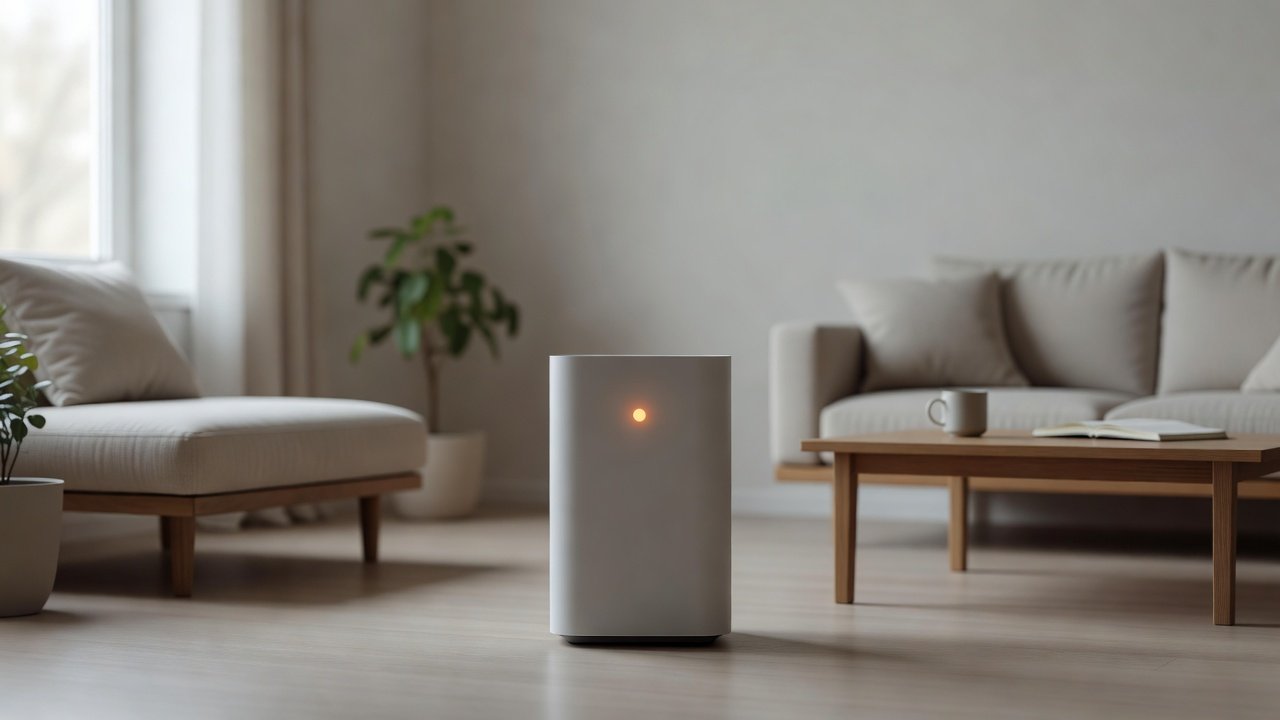
An orange or amber air purifier light can mean moderate air quality, a filter reminder or a status warning. Check your manual, clean the sensor and replace filters if needed.
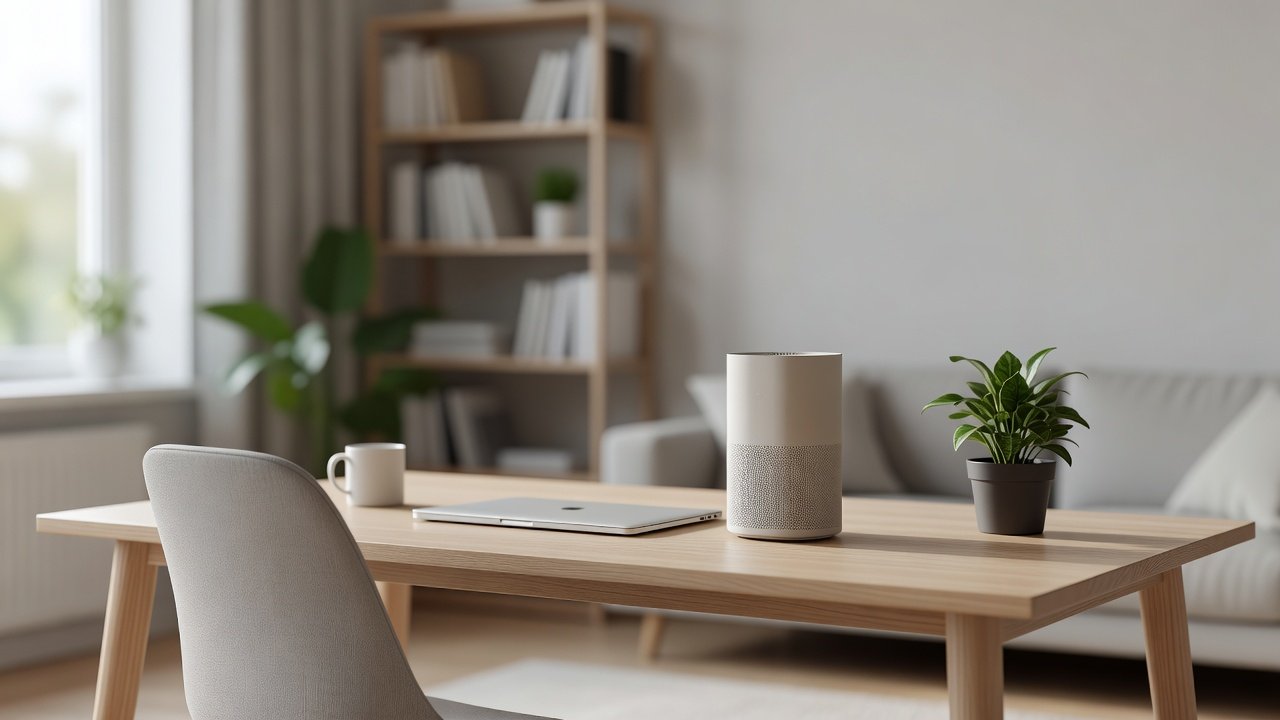
A desk air purifier can help with personal-space dust and odors if sized and placed well. Learn what CADR to expect, noise to check, placement tips and when a room unit is better.
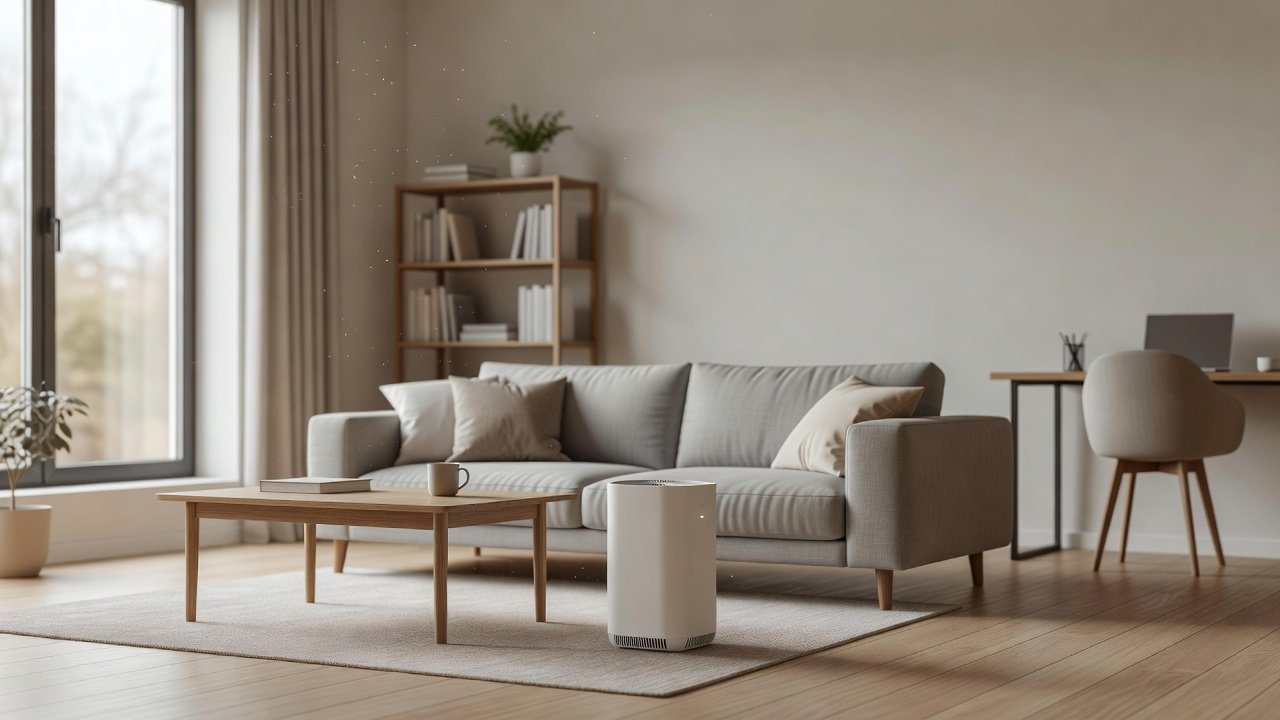
If your air purifier does not seem to help with pet dander, the cause may be size, filters, placement or sources on surfaces. See practical checks and fixes.

If your air purifier shuts off on its own, check the power source, filters, sensors, timers and overheating. Learn quick fixes and when to contact the manufacturer.
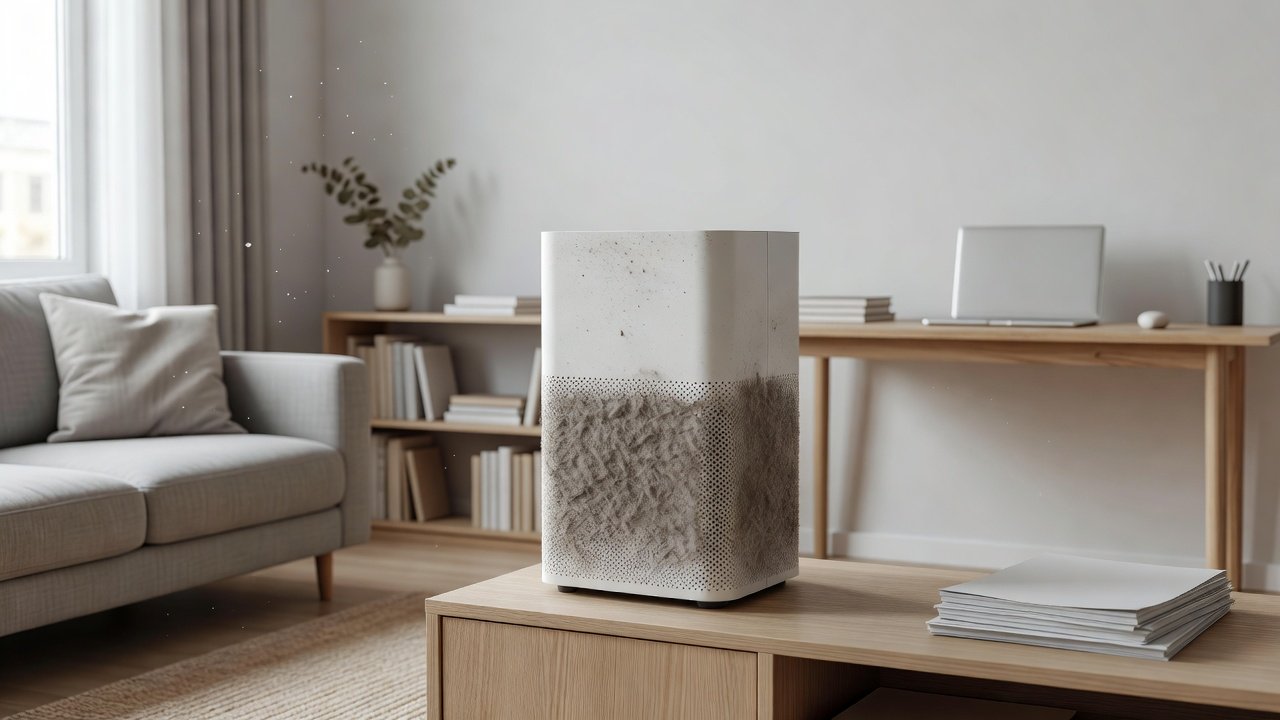
A pre-filter that clogs fast usually signals dusty air, pets, new construction or a problem with placement. Learn how to clean it, reduce dust and when to replace it.

Filter life depends on the type, your home and how long you run the unit. Learn typical replacement guidance, signs a filter needs changing and how to avoid wasting money.
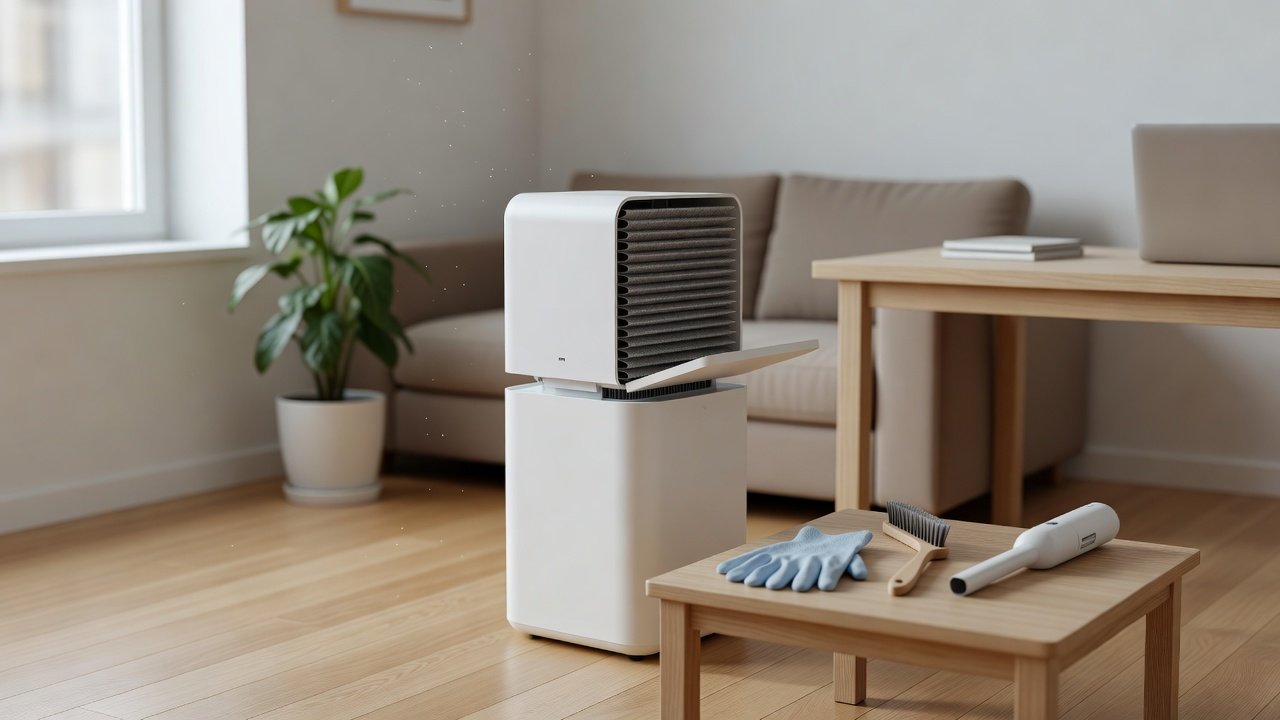
Most true HEPA filters are replaced, not washed. Learn how to tell if yours is washable, how to clean pre-filters safely and the mistakes that damage filters.
If your purifier’s air quality light seems wrong, the sensor may be dirty or the unit needs a reset. Learn safe cleaning steps, simple tests and when to contact the manufacturer.

Rattling, scraping, hissing or buzzing from your air purifier usually has a simple cause such as filters, dust or placement. Learn quick checks and when to stop using it.
If an air purifier sparks, smells burnt or trips the breaker, stop using it and unplug it safely. Learn common causes, what not to do and how to prevent electrical problems.
Air purifiers pull air through filters with a fan. Learn how HEPA, carbon and pre-filters work, what CADR means and what purifiers cannot do.

Small rooms are easy to clean when the purifier is placed well. See where to put it, how much clearance it needs and mistakes that waste performance.
A noisy air purifier is easier to live with when you adjust speed, placement and maintenance. See practical ways to cut noise and what to look for in a quiet model.

If your air purifier’s LED stays on or is too bright, check display settings, sleep mode, filter reminders and sensors. Learn how to dim lights and when to contact support.
If your air purifier timer does not work, check the setting steps, remote batteries, app connection and power resets. Learn quick fixes and when to contact support.
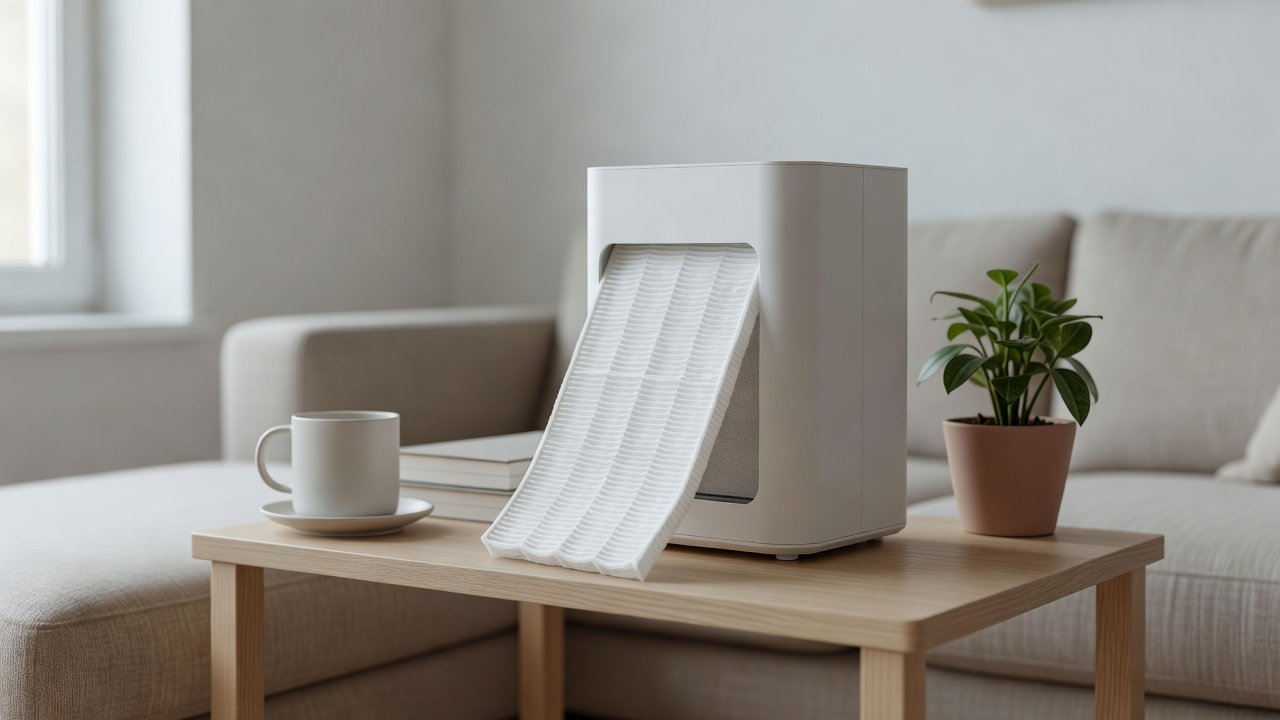
A filter that will not stay in place may be the wrong size, installed backward or blocked by packaging. Learn how to seat filters correctly and when to contact support.
If your air purifier fan is stuck on one speed, will not change or seems too slow, check mode settings, filters, the sensor and power resets. Learn when to contact support.
High or low humidity affects comfort, mold, dust mites and how an air purifier performs. Learn ideal humidity, how to measure it and what to do about problems.

A musty smell from an air purifier usually means damp filters, mold in the room or a saturated carbon filter. Learn how to find the cause, replace filters and prevent it.
Mold on or in an air purifier filter usually comes from moisture. Learn how to handle it safely, replace filters and prevent recurrence by controlling humidity.
HEPA filters can capture airborne particles that carry bacteria, but purifiers do not sterilize rooms or prevent infection. Learn what they can and cannot do.

Most air purifiers do not heat or cool air, so the air can feel cool because of airflow. Learn why it feels that way, how to reduce drafts and when to check for problems.
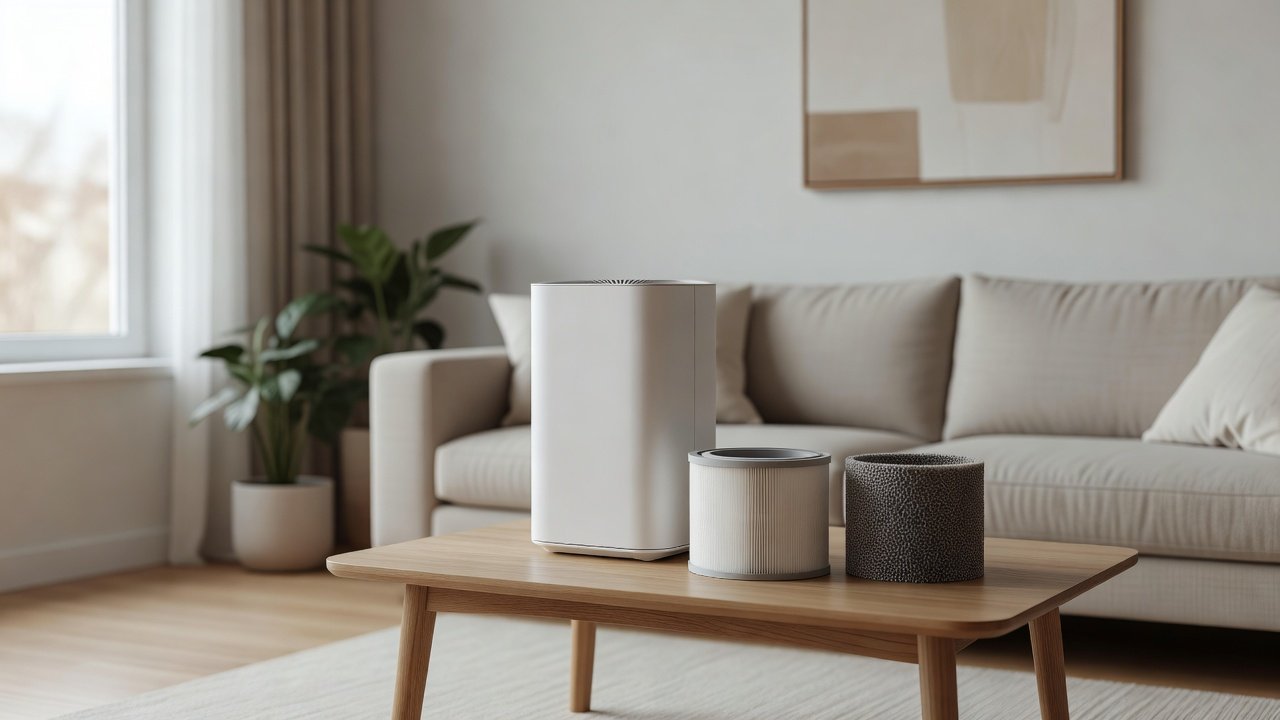
Know which air purifier parts wear out: filters, pre-filters, sensors, fans and remotes. Learn how to find the right replacements, when to use the manufacturer and when to stop and call support.
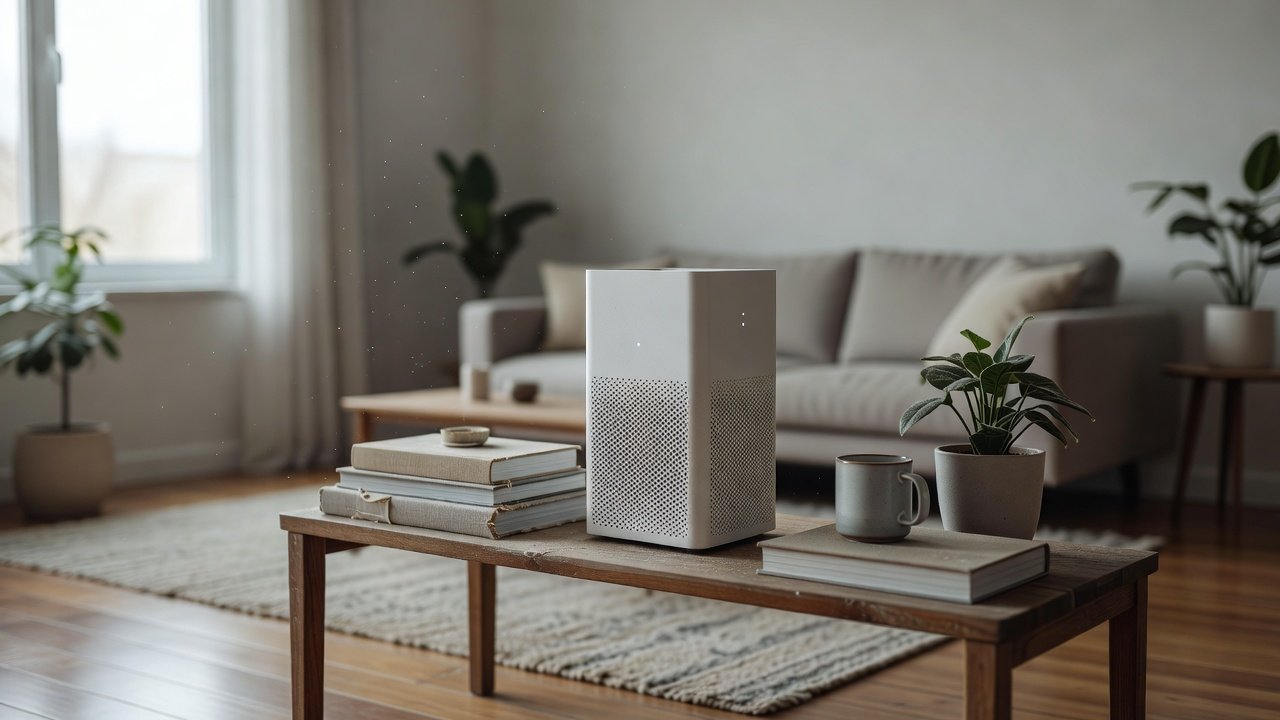
If your HEPA filter seems ineffective, check filter age, seating, airflow, unit size and sources. Learn how to tell if it is working and when to replace it.
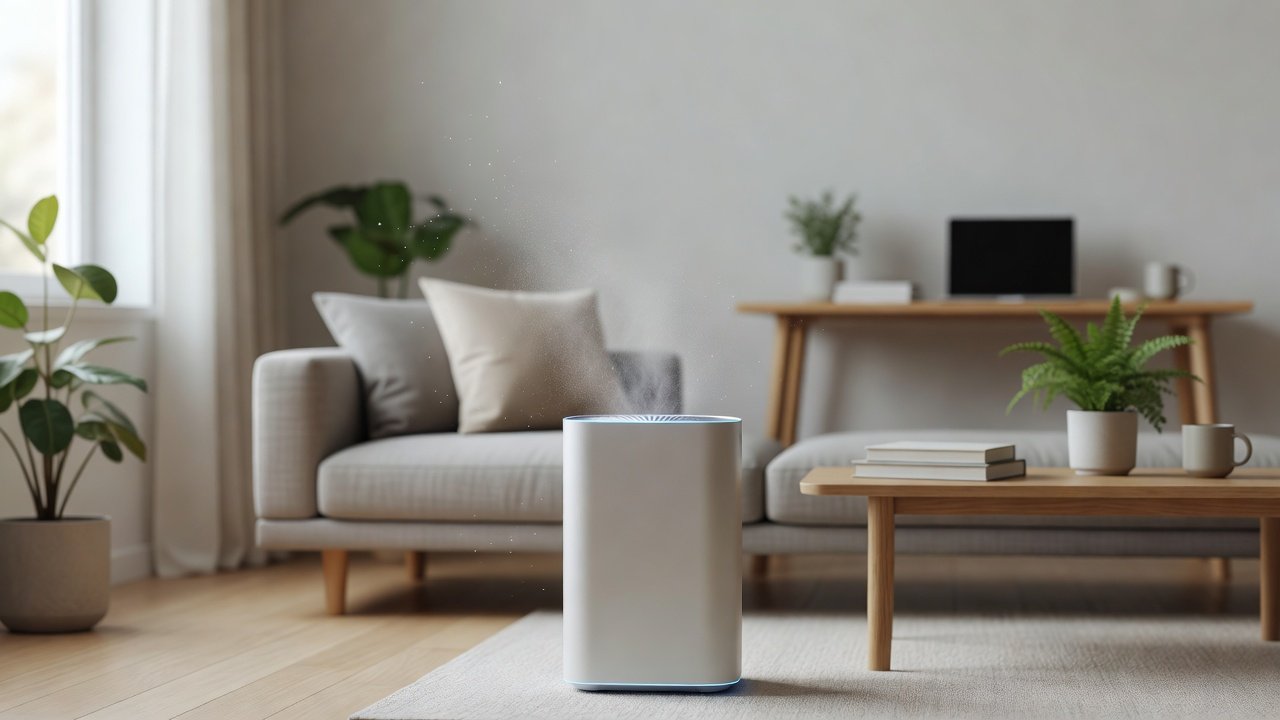
If your air purifier seems to blow out dust, check filter seating, filter condition, intake clogs and surrounding dust. Learn how to fix it and when to contact support.

Air purifiers do not remove moisture from the air, but airflow, heating and low humidity can make skin and nasal passages feel dry. Learn the causes and simple fixes.
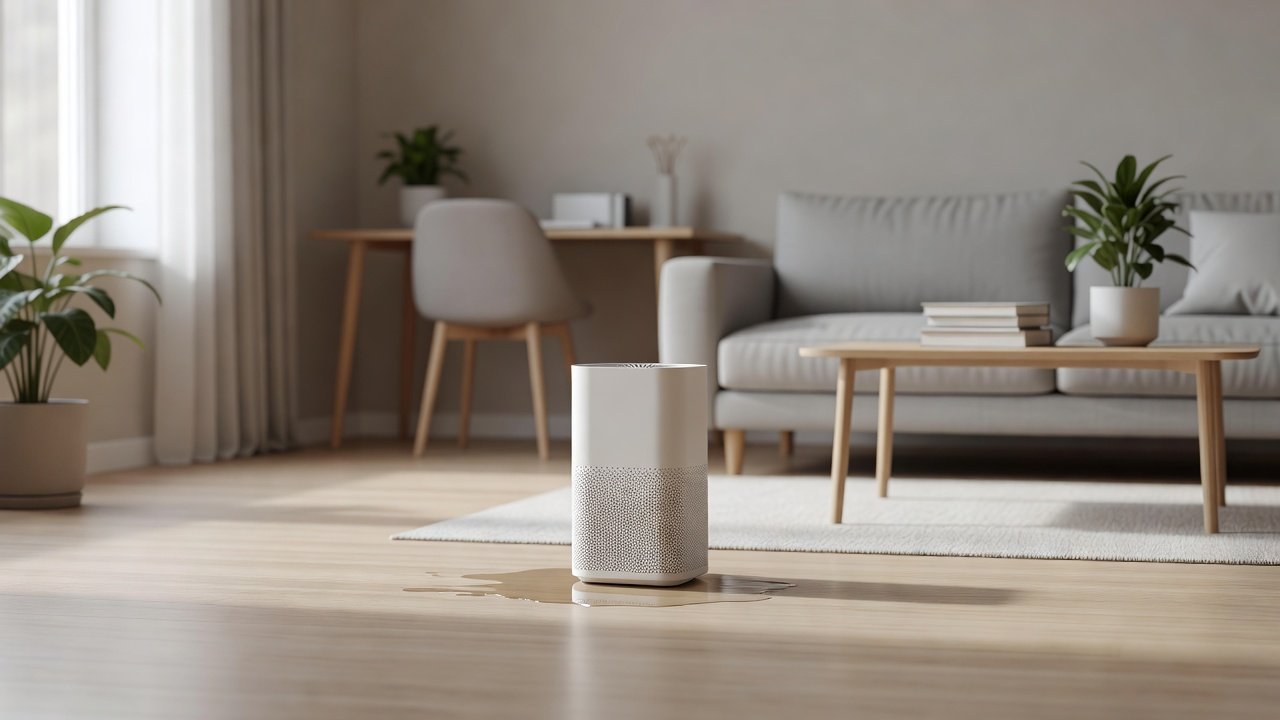
Most air purifiers should not leak water. If yours does, it may be condensation, a combination humidifier or a fault. Learn safety steps and what to check.
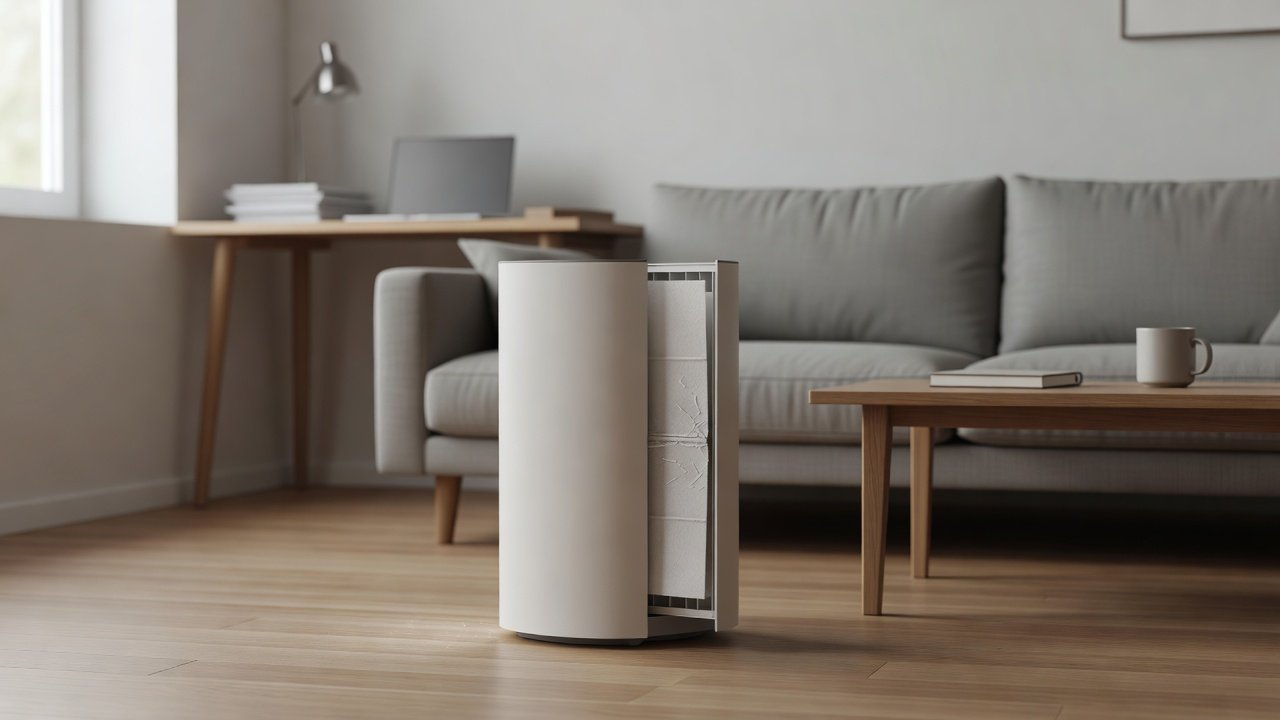
A stuck filter can be due to tight seals, a locked cover or debris. Learn safe steps, what not to do and when to contact support to avoid damage.
If your air purifier fan is not spinning, check power, safety switches, filters, obstructions and mode settings. Learn quick fixes and when it is a motor or control fault.