Can Air Purifiers Reduce Mold? What They Can and Cannot Do
Air purifiers can capture airborne mold spores but do not stop mold growth. Learn the limits, what to do about moisture and when to call professionals.
Air purifiers can capture airborne mold spores but do not stop mold growth. Learn the limits, what to do about moisture and when to call professionals.
Beeping from an air purifier can mean a filter reminder, an open cover, an error, a button press or a fault. Learn how to read the beeps and how to silence them.
Air purifiers can lower airborne particles, which may help some people with allergies or smoke exposure, but they are not a treatment. Learn realistic benefits and limits.
If your air purifier app will not connect or control the unit, check Wi-Fi bands, permissions, updates and pairing. Learn simple steps to restore smart control.

A burning smell from an air purifier can be dust on a warm part or an electrical fault. Learn immediate safety steps, common causes and when to stop using the unit.

If your purifier does not remove strong smells, the problem may be thin carbon, an overloaded filter, an undersized unit or an ongoing source. Learn what works.

Itchy or irritated eyes can come from allergens, dryness, smoke or fumes. A HEPA purifier may help lower airborne triggers, but other causes need other fixes.
There is little evidence that air purifiers treat acne. Learn what indoor air can and cannot do for skin, what actually influences breakouts and when to see a dermatologist.
If your air purifier remote does not respond, check batteries, line of sight, pairing and interference. Learn quick fixes and when the remote or the unit needs replacing.

Dust mites live in bedding and fabrics, so purifiers only help with airborne allergen particles. Learn what a HEPA unit can do and which cleaning steps matter more.

Cooking smoke contains fine particles and odors. Learn how a HEPA and carbon purifier can help, why a range hood matters most and how to place a unit near the kitchen.
If dust keeps returning, an air purifier may be undersized, poorly placed or fighting sources like carpets and bedding. Learn practical fixes and realistic expectations.
Large rooms and open plans need higher CADR and smart placement. Learn how to size an air purifier, when to use two units and which specs to check before buying.

An ammonia smell near an air purifier may come from the room, pets, cleaning products or a new filter. Learn safe checks, when to ventilate and when to stop using the unit.
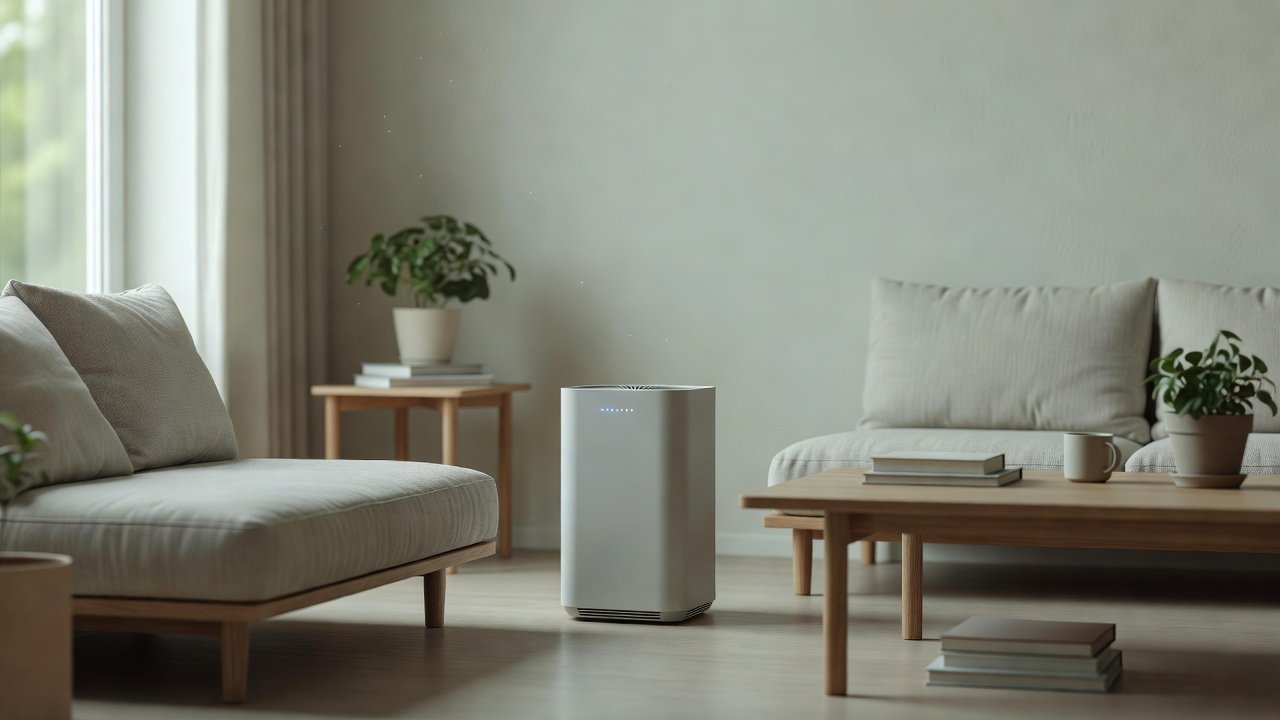
If your air purifier changes fan speed on its own, auto mode and the air quality sensor are usually responsible. Learn how it works, how to stop it and when to check for faults.

A grinding noise from an air purifier can come from debris, a misaligned filter or a failing fan. Learn safe checks, what not to do and when to stop using the unit.
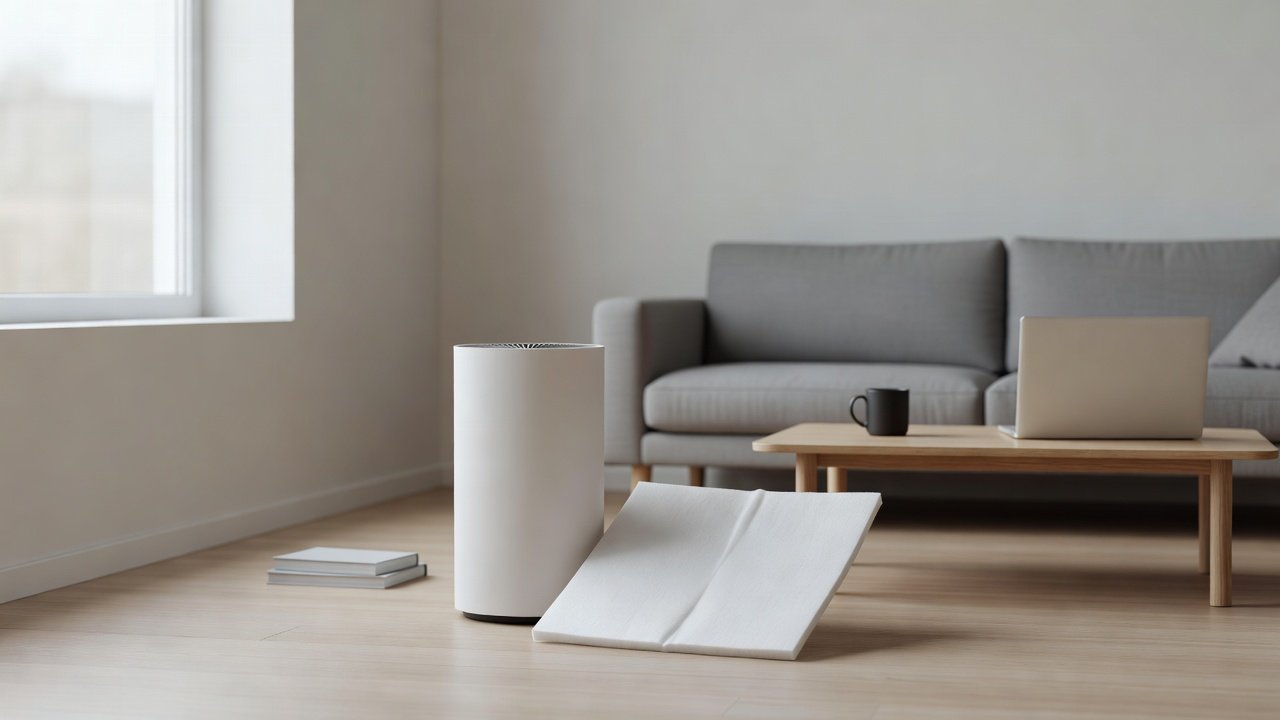
If a pre-filter will not fit, it is usually the wrong model, wrong orientation, trapped packaging or damage. Learn how to check, what not to force and when to contact support.

A vibrating air purifier is often caused by an uneven surface, a loose filter or a dirty fan. Learn simple checks and when to stop using the unit and call support.
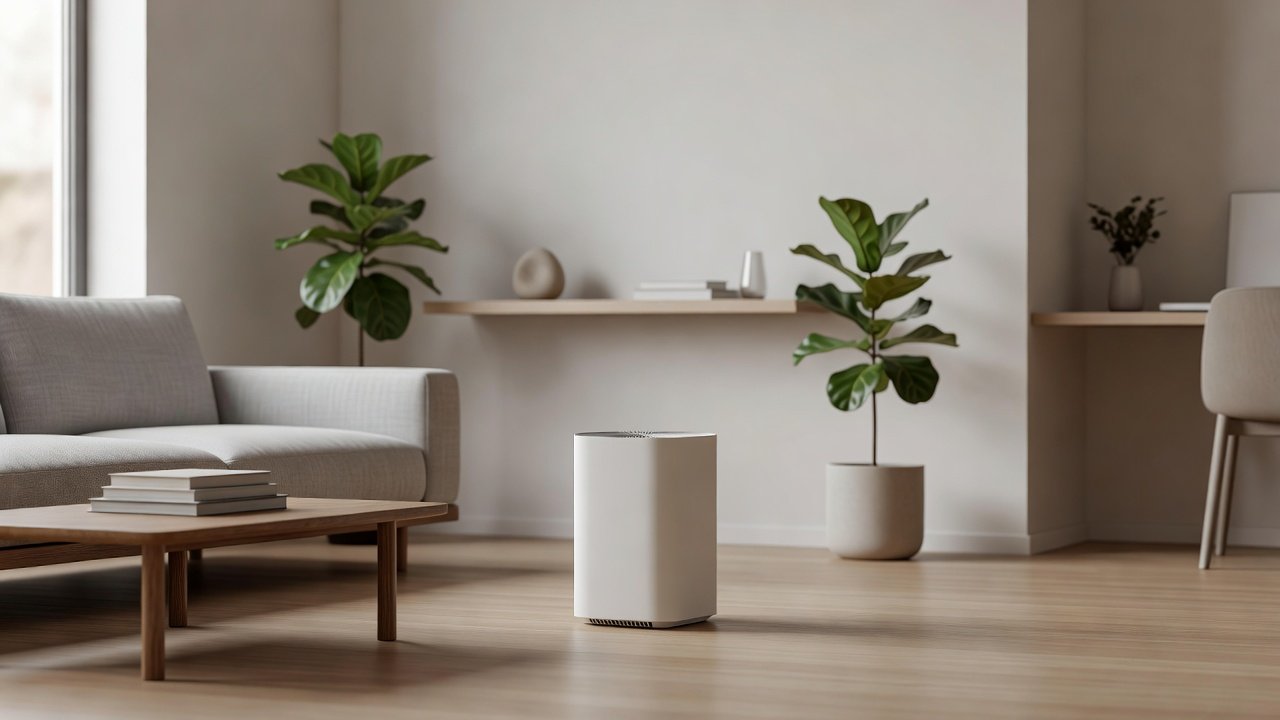
Learn how air purifier airflow works, where to place the unit, how much clearance it needs and how to avoid blowing air on yourself while improving room circulation.

A fluttering noise from an air purifier is often a loose filter, packaging, a pet hair strand or something touching the fan. Learn safe checks and when to contact support.

Learn how to reset an air purifier, including the filter replacement indicator, Wi-Fi connection and a basic power reset. Steps vary by model, so check your manual.

Learn how to clean air purifier filters safely: vacuum or wash pre-filters, replace HEPA and carbon filters and avoid compressed air or water on filters not rated for it.
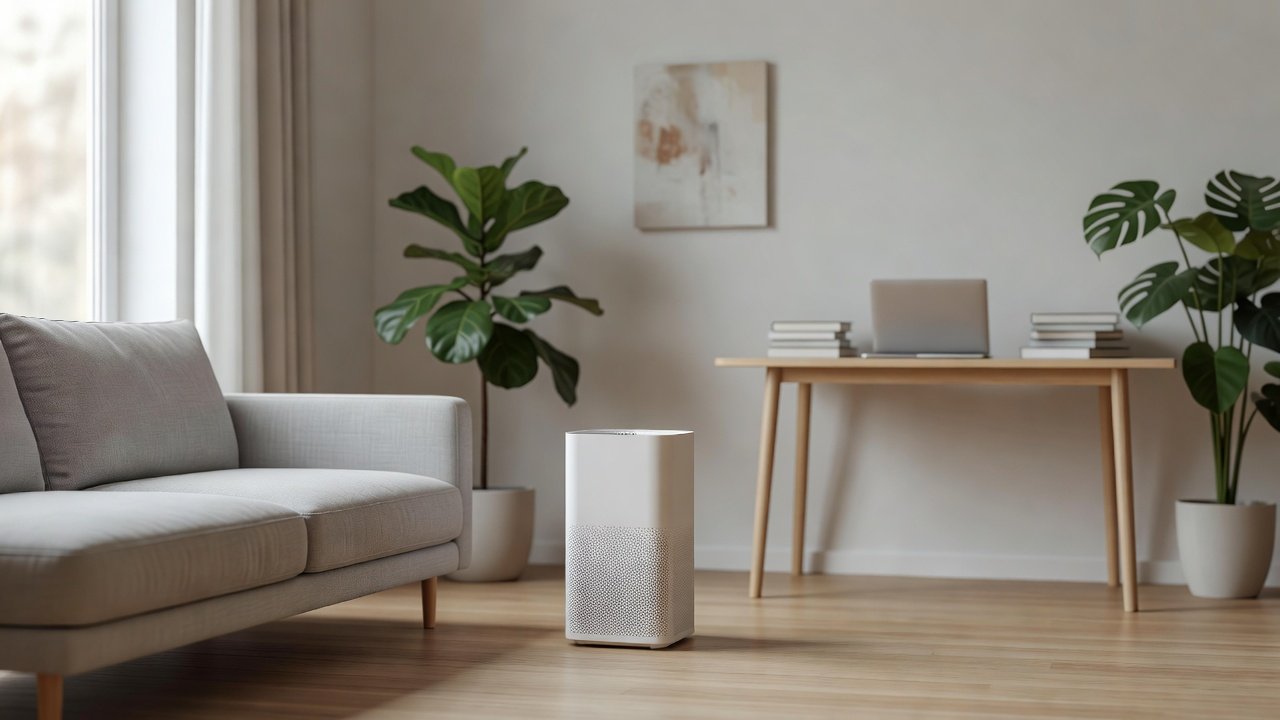
Weak or uneven airflow from an air purifier usually comes from clogged filters, blocked vents, wrong filter installation or sensor settings. Learn what to check first.

Air purifiers can reduce smoke particles indoors, but they do not remove all gases or odors. Learn when a purifier is worth it for wildfire, cooking and tobacco smoke.

If an air purifier keeps shutting off or turning on and off, check the outlet, timer or sleep settings, filters and cover, and for overheating. Stop if you smell burning.

If an air purifier power cord is damaged, loose or hot, stop using the unit. Learn safety steps, what to check and why the manufacturer or a qualified technician should handle repairs.
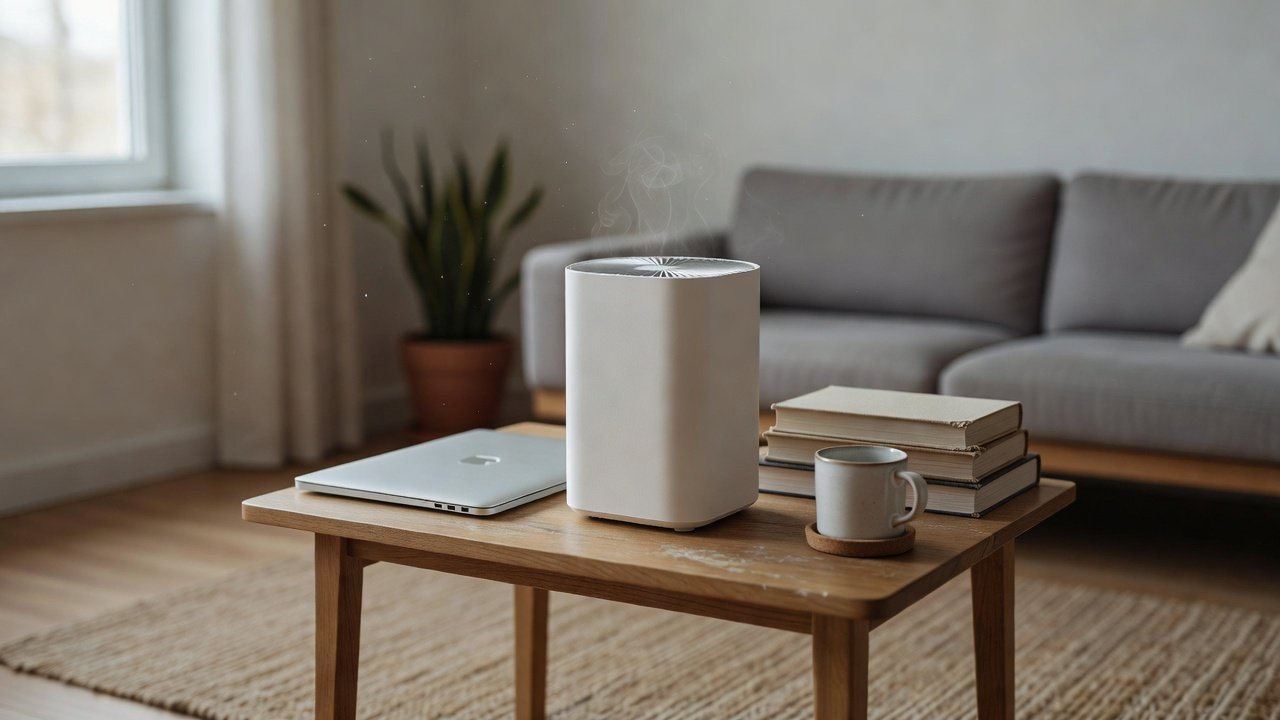
If an air purifier feels very hot or smells hot, stop using it. Learn common causes such as clogged filters and blocked vents, safe checks and when to contact the manufacturer.

Get more from your air purifier by choosing the right size, placing it well, replacing filters, running it continuously and controlling pollution sources and ventilation.
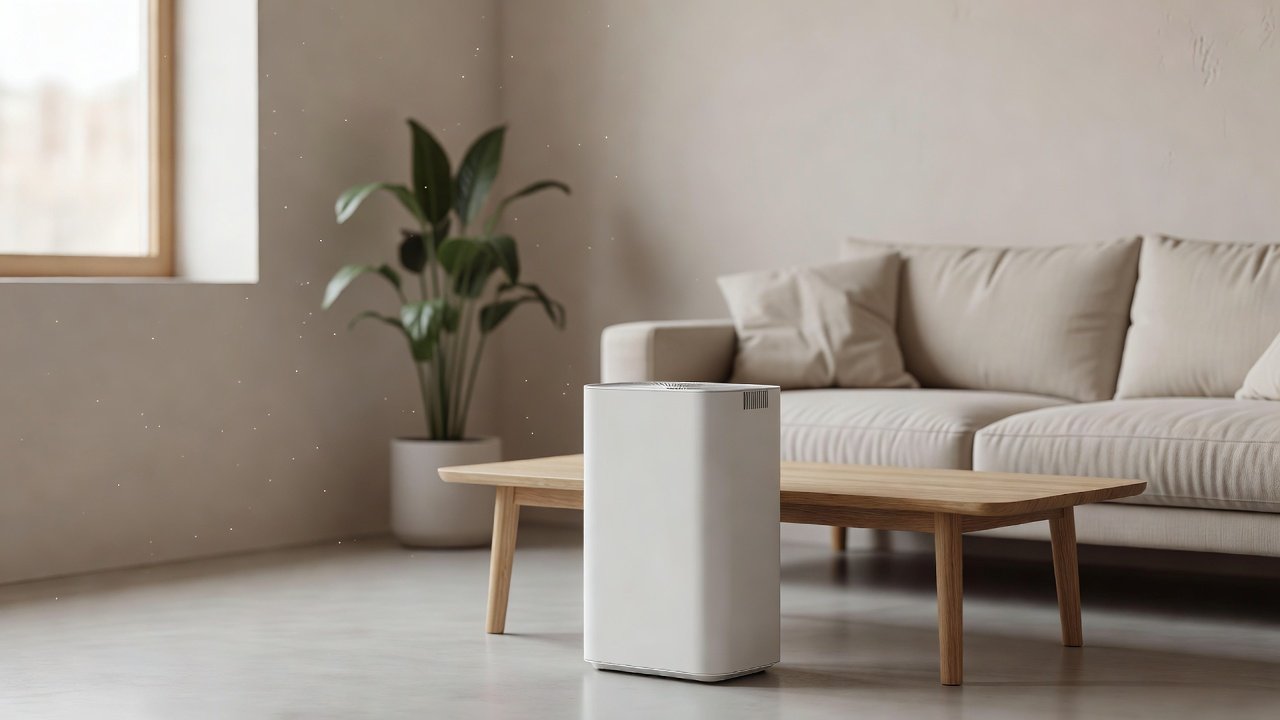
VOCs are gases from paints, cleaners and furniture. HEPA does not capture gases, and carbon filters may reduce some, but ventilation and source control matter most.

Blue indicator lights on air purifiers often show good air quality, a mode or a setting, but meanings vary by brand. Learn how to read the colors and check your manual.