Last updated:
Disclosure: As an Amazon Associate we earn from qualifying purchases. This does not change what we recommend. See our affiliate disclaimer.
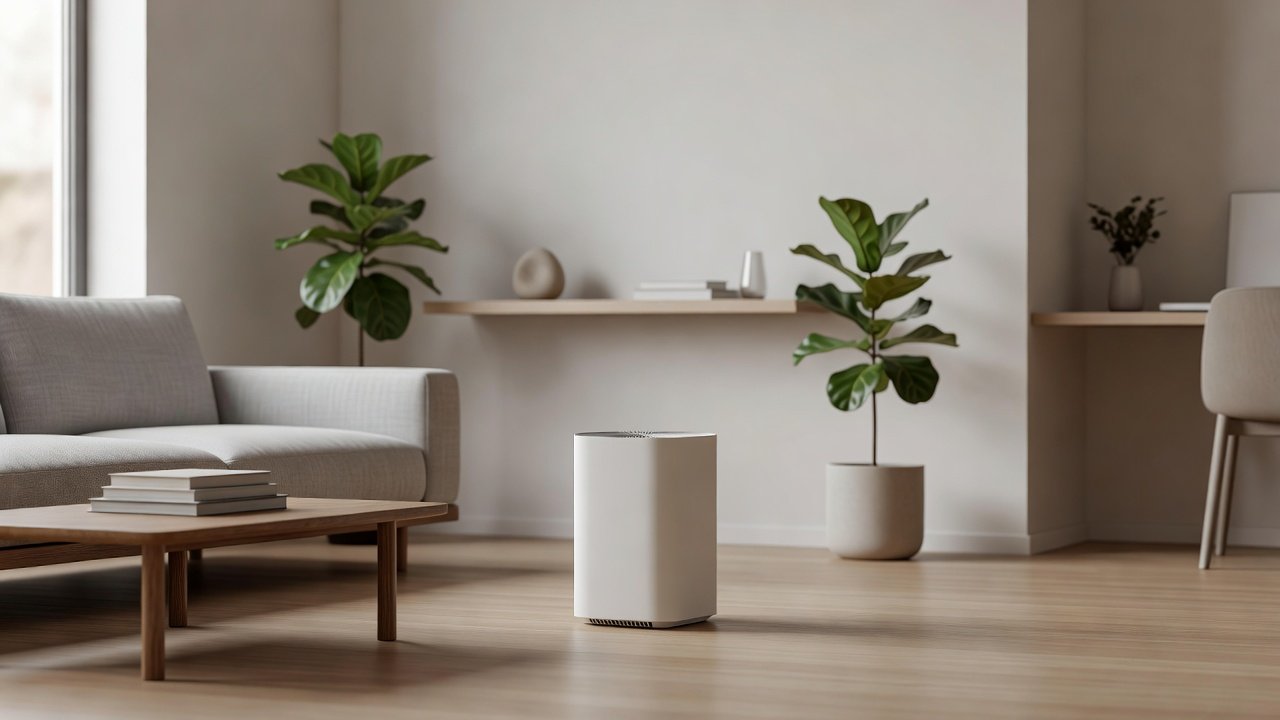
Air purifiers draw air in through intakes and push cleaned air out of vents, and the direction depends on the design. Top-facing outlets spread air upward, 360-degree units pull from all sides and some models direct air forward. Good placement means leaving clearance around intakes, avoiding blocked outlets and keeping the unit where air can circulate through the room. Aim airflow away from your face for comfort. If you notice weak flow, check the filters and the unit’s manual before moving it around.
We have not tested these products ourselves, so check specifications and your manual. Nothing here is medical advice.
Do
- Leave clearance around the unit
- Place it where air circulates
- Aim airflow away from your face
Avoid
- Blocking intakes or outlets
- Pushing against walls or curtains
- Placing it in closed cabinets
Key Takeaways
- Leave clearance around intakes
- Do not block outlets
- Aim airflow away from your face
- Check filters if airflow is weak
A Simple Placement Checklist
Read the manual for intake and outlet locations. Choose a spot with at least the recommended clearance on all sides. Place the unit on a hard, level surface and avoid soft rugs that block lower intakes. Keep it away from curtains, TVs and heat sources. In a bedroom, place it a few feet from the bed with airflow aimed away from your face. In a living room, choose an open area with circulation. Keep the door closed for better results. Run the unit for a day and see if the room feels fresher and the noise is comfortable. Adjust placement if you notice dead zones, and check filters for clogging if airflow drops.
Intake Versus Outlet
Know which side pulls air in and which pushes it out. Blocking either reduces performance.
Pets and Children
Place the unit where cords and vents are safe from chewing, tipping and curious hands.
Using Multiple Units
Larger spaces may need more than one unit placed at opposite ends.
Cleaning Around the Unit
Vacuum dust around intakes and wipe surfaces regularly.
Moving Between Rooms
If you move the unit, give it time to clean the new space and adjust speed.
Noise and Vibration
Place on a stable surface to avoid rattling. Check the manual if you hear unusual noises.
Troubleshooting Weak or Odd Airflow
If airflow feels weak, first turn the unit off, unplug it and check that the filters are installed correctly and not clogged. Make sure the filter cover is closed and that no protective plastic remains on the new filter. Clear dust from intakes and vents. Check that the unit is on a level surface with clearance. Try a higher fan speed and see if the sensor is forcing a low speed because the air looks clean. If airflow is uneven or noisy, look for obstructions in the fan area without opening the sealed parts. If problems continue, contact support with your model and what you have tried. Replace filters on schedule to keep airflow strong.
Auto Mode and Sensors
Auto mode adjusts the fan to measured air quality. Clean sensors as directed so they read accurately.
Seasonal Adjustments
During high-pollen or smoky periods, raise the fan speed and keep doors and windows closed.
Combining With Ventilation
Open windows when outdoor air is clean, then close and run the unit.
Why Direction Matters
A purifier creates a loop: air is drawn in, filtered, and pushed out, and the outlet stream drives circulation that brings more room air back to the intake. Where that stream goes determines how much of the room gets cleaned and how comfortable the unit is to live with. Aimed at a wall, it short-circuits; aimed at a bed, it is a draught; aimed toward the centre of the room or the ceiling, it mixes the room’s air and returns it evenly. The intake side needs equally clear space or the loop starves.
The best placement makes the whole room part of the loop.
Placement Rules
- Keep a foot of clearance around intakes and the outlet
- Aim the outlet toward the open centre of the room or upward, not at people or walls
- Place the unit along a wall at mid-room height rather than in a corner
- Keep it away from curtains, which get drawn into the intake
- Avoid placing it directly under a return vent or beside a window that is often open
- In long rooms, position it a third of the way along rather than at an end
A ceiling fan on low helps distribute clean air in large rooms.
Tower, Box, and Cylinder Units
Towers usually draw from the back or sides and blow forward or upward; keep the back clear. Box units draw from the front and blow upward, which suits placement against a wall. Cylinders draw from all sides and blow upward, so they want space all round and work well in open floor positions. Check the manual’s diagram for your unit’s intake and outlet.
Bedrooms
Place the unit a few feet from the bed with the outlet aimed toward the ceiling or the room’s centre, never at the pillow. A spot on the wall opposite the bed usually works. If the room is small and the only space is near the bed, use the lowest speed and point the outlet away.
Checking Your Placement
Light a stick of incense briefly on the far side of the room with the purifier running and watch the smoke; it should drift toward the intake within a minute or two. A particle monitor placed at the far side should fall nearly as fast as one near the unit. If it does not, move the unit or add a fan to mix the air.
Final Word
Airflow direction decides how much of the room gets cleaned. Keep a foot of clearance, aim the outlet at the room’s centre or ceiling rather than at people or walls, place the unit mid-wall rather than in a corner, and test with a particle monitor on the far side of the room.
Air Purifiers With Flexible Placement
These picks come from the Hostinger affiliate plugin. Specs change by model year, so confirm filter type, CADR, noise and replacement filter costs on the product page.






How Airflow Works in a Purifier
A fan pulls room air through the filters and sends cleaned air out through vents. The intake and outlet positions vary by model, so check the manual.
Clearance Around the Unit
Leave space around intakes, often 15 to 30 centimeters or as the manual states. Avoid pushing against walls, curtains or furniture.
Choosing a Spot
A central or open location helps air mix across the room. Bedrooms may place the unit a few feet from the bed with airflow aimed away.
Floor, Table or Wall
Floor units are common, but a raised spot can help in some rooms. Follow the manual and keep the unit stable and out of reach of children and pets.
Using Fans and Doors
Keep doors closed so the unit treats a defined space. A fan can help circulation but may add noise.
Weak Airflow
Clogged filters or blocked vents reduce airflow. Replace or clean as directed.
Corners and Walls
Corners limit air movement. Pull the unit away from walls.
Large and Open Rooms
Use higher CADR or more than one unit.
Bedrooms
Keep noise low and airflow away from the bed.
Safety
Keep cords tidy and the unit stable.
How to Choose
- Clear airflow design
- Quiet low speed
- CADR suited to the room
- Stable base
Do
- Match the unit’s rated coverage to your room first
- Run it consistently, not only when the air feels bad
- Leave space around the unit for airflow
- Replace filters on the maker’s schedule
Don’t
- Do not buy on looks or price alone
- Do not block the intake or exhaust
- Do not skip filter changes
- Do not expect a purifier to fix every source of pollution
Honest Limits
- This guide uses manufacturer information and public guidance from the EPA and AHAM, not our own lab tests.
- Features and room ratings change between model years, so confirm on the listing before you buy.
- A purifier is not a medical device and does not replace medical advice or treatment.
Who Should Skip This
When to See a Professional
Frequently Asked Questions
Should it face me?
Usually aim away for comfort.
How much clearance?
Follow the manual.
Can I put it in a corner?
Better to pull it out.
Why is airflow weak?
Clogged filters or blocked vents.
Bottom Line
Place the purifier with clearance around intakes and outlets, keep airflow away from your face and let air circulate through the room. Check filters if airflow seems weak.
Related reading: sens,fan,bed
Sources: EPA, Guide to Air Cleaners in the Home; AHAM Verifide.