Last updated:
Disclosure: As an Amazon Associate we earn from qualifying purchases. This does not change what we recommend. See our affiliate disclaimer.
Many air purifiers have an auto mode that raises or lowers the fan speed according to a particle or gas sensor. If your unit keeps changing speed, it is usually responding to cooking, dust, spray products, pets or changes in humidity. Switch to a manual speed to stop the changes, clean the sensor as the manual directs and check that no source is triggering it. If the unit changes speed in manual mode, shuts off, flickers or shows error codes, check the manual and contact support.
We have not tested these products ourselves, so follow your manual. Nothing here is medical advice.
Usually normal
- Auto mode responding to the sensor
- Speed rises after cooking or cleaning
- Speed falls as air clears
Worth checking
- Changes in manual mode
- Flickering or error codes
- Sensor dirt or blocked vents
Key Takeaways
- Auto mode adjusts speed with the sensor
- Use manual for steady speed
- Clean the sensor as directed
- Contact support if it changes in manual mode
A Quick Way to Test the Cause
Set the unit to a manual speed and watch it for an hour. If the speed stays steady, auto mode was the cause. Next, return to auto and note when changes happen: after cooking, when you open a window, when pets move around or when you use sprays. Remove one possible trigger at a time and see if the changes stop. Clean the sensor and the intake grilles gently while the unit is unplugged. Replace filters on schedule so airflow stays steady. If speed still changes in manual mode, or the unit shows error lights, restart it by unplugging for a minute, then try again. Contact support if the behavior continues and provide a short video.
Choosing Units With Good Auto Modes
Look for clear sensor readouts, adjustable sensitivity and a quiet minimum speed. Read reviews about how often auto mode ramps up.
Sleeping With Auto Mode
Use sleep or night mode to prevent loud ramps. Check whether lights can be turned off.
Cooking and Candles
Run the unit during cooking and expect speed rises. Candles and incense produce particles that raise readings.
Reset and Firmware
Restart the unit and check whether the manufacturer offers updates for smart models.
Wi-Fi and Apps
If the app and unit disagree, check settings and update the app.
Filter Condition
Old filters can make auto mode work harder. Replace on schedule.
Living With Auto Mode
Auto mode is designed to save effort, but it works best when you understand it. Expect the fan to speed up when you cook, clean, spray products or open windows on a dusty day, and to slow down when the air clears. If the noise bothers you, choose a fixed speed during meetings, calls or sleep and return to auto at other times. Place the unit away from steam and kitchen vents so the sensor is not constantly triggered, and avoid putting it where a pet will brush against it. Keep the sensor and grilles clean, and replace filters on schedule so the fan does not need to work harder than necessary. If you see odd behavior after a power cut, unplug the unit for a minute and restart it.
Comparing Models
Some purifiers show a live air quality color or number. Others only adjust speed silently. Check what the sensor measures and how fast it reacts.
Children and Pets
Keep controls out of reach if you want a stable setting and use child locks where offered.
Support Checklist
Note the model, firmware, filter age and behavior before you contact support.
Auto Mode Explained
A purifier that changes speed on its own is almost always in auto mode, where a particle or odor sensor drives the fan. Cooking, cleaning sprays, a pet walking past the sensor, someone making a bed, or even humidity changes can trigger a jump to high and a drop back to low a few minutes later. That is the feature working. It becomes annoying when the sensor is dirty and reacts erratically, when the unit sits next to a constant source, or when speed changes at night disturb sleep.
If the behaviour is unwanted, the fix is usually a manual speed or sleep mode, not a repair.
Taming Auto Mode
- Clean the sensor opening with a dry cotton swab; dust makes readings jumpy
- Move the unit away from the kitchen, bathroom door, litter box, and sprays
- Use sleep mode at night, which fixes the fan on low on most models
- Use a manual speed when you want predictability
- Check the app for a sensitivity setting and lower it if available
A clean sensor in a sensible location behaves far more predictably.
Schedules and Smart Features
Smart units can change speed on a schedule, through an automation, or in response to a voice assistant routine. Check the app for schedules and any smart home platform the unit is linked to. Disabling those stops speed changes you did not ask for.
When Speed Changes Are a Fault
If the fan surges or drops in manual mode with no schedule, if changes come with a hum, grinding, or heat, or if the unit cycles rapidly between speeds, the motor controller or a loose connection may be failing. Power-cycle the unit once; if the behaviour continues, contact the manufacturer and do not run a unit that shows heat or smell.
Quick Reference
Auto mode responds to the sensor; clean it and move the unit. Use sleep mode at night and manual speeds when you want control. Check schedules and automations on smart units. Speed changes in manual mode with heat or noise mean a fault.
Final Word
Speed changes on their own are auto mode doing its job with a sensor that may be dirty or badly placed. Clean the sensor, move the unit, use sleep mode at night and manual speeds when you want control, and check schedules on smart units. Changes in manual mode with heat or noise mean a fault.
Air Purifiers With Manual and Auto Modes
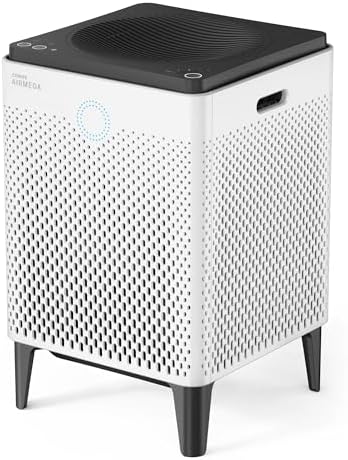
These picks come from the Hostinger affiliate plugin. Specs change by model year, so confirm filter type, CADR, noise and replacement filter costs on the product page.





How Auto Mode Works
An internal sensor estimates particle levels and sometimes gases. The unit raises fan speed when readings rise and lowers it when they fall. Short bursts of speed are normal.
Common Triggers
Cooking, candles, sprays, perfumes, dust from cleaning, pets and open windows can trigger changes. Humidity can also affect some sensors.
Switching to Manual
Choose a fixed speed if you prefer steady noise. Many people use manual low at night and auto during the day.
Cleaning the Sensor
Dust on the sensor can cause odd readings. Follow the manual to clean it gently while the unit is off and unplugged.
When It Might Be a Fault
If speed changes in manual mode or the unit behaves erratically, contact support.
Night Mode and Lights
Use sleep mode to lower noise and dim lights. Check whether auto mode remains active.
Sensor Sensitivity
Some models let you adjust sensitivity. Lower it if it reacts too often.
Pets and Cleaning Products
Sprays and pet dander can trigger changes. Ventilate and use fragrance-free products.
Humidity Effects
High humidity can affect some sensors and filters.
Power Fluctuations
Unstable power can cause resets. Use a stable outlet.
How to Choose
- Manual speed control
- Adjustable auto sensitivity
- Quiet night mode
- Easy sensor cleaning
Do
- Match the unit’s rated coverage to your room first
- Run it consistently, not only when the air feels bad
- Leave space around the unit for airflow
- Replace filters on the maker’s schedule
Don’t
- Do not buy on looks or price alone
- Do not block the intake or exhaust
- Do not skip filter changes
- Do not expect a purifier to fix every source of pollution
Honest Limits
- This guide uses manufacturer information and public guidance from the EPA and AHAM, not our own lab tests.
- Features and room ratings change between model years, so confirm on the listing before you buy.
- A purifier is not a medical device and does not replace medical advice or treatment.
Who Should Skip This
When to See a Professional
Frequently Asked Questions
Why does the speed change?
Auto mode responds to the sensor.
How do I stop it?
Use a manual speed.
Is it a fault?
Not usually.
Can dust affect the sensor?
Yes.
Bottom Line
Speed changes are usually auto mode responding to the sensor. Use manual mode for steady speed, clean the sensor and look for triggers. Contact support if changes continue in manual mode.
Related reading: sens,fan,bed
Sources: EPA, Guide to Air Cleaners in the Home; AHAM Verifide.