
Air Purifier Not Removing Pet Odor? Why and What Works Better
If a purifier does not remove pet odor, the carbon may be thin or saturated, the unit undersized or the source still present. Learn practical fixes and realistic expectations.
If a purifier does not remove pet odor, the carbon may be thin or saturated, the unit undersized or the source still present. Learn practical fixes and realistic expectations.
Slightly warm air from an air purifier can be normal because the motor produces heat. Hot air, burning smells or shutoffs are not. Learn what to check and when to stop.

Air purifiers may reduce airborne particles that carry viruses, but they are not medical devices and cannot prevent infection on their own. Learn what to expect and what matters more.
Air purifiers capture airborne dander and fine hair fragments but cannot remove fur from floors and furniture. Learn what helps, how to choose and how to handle shedding.
Air purifiers use modest electricity, mostly depending on fan speed and run time. Learn how to estimate costs, choose efficient settings and keep filters fresh.
Typical replacement intervals vary by filter type and conditions. Learn the common ranges, what shortens filter life and how to decide when to replace yours.
Learn how to tell if your air purifier is working by checking airflow, filter condition, sensor readings, dust and odors, and how to compare with a stand-alone monitor.
If an air purifier’s odor or VOC sensor seems stuck or unresponsive, dust, settings, warm-up time or sensor limits may be the cause. Learn how to check and clean it.

If an air purifier will not turn off, check child lock, schedules, app and remote commands and the power button. If it will not stop, unplug it and contact support.
True HEPA filters can capture airborne pollen particles. Learn how to use an air purifier during allergy season, where to place it and which habits matter more.

An air purifier does not cool air, but moving air can feel cool on skin. Learn why a room may feel colder, how placement and speed matter and what to check.
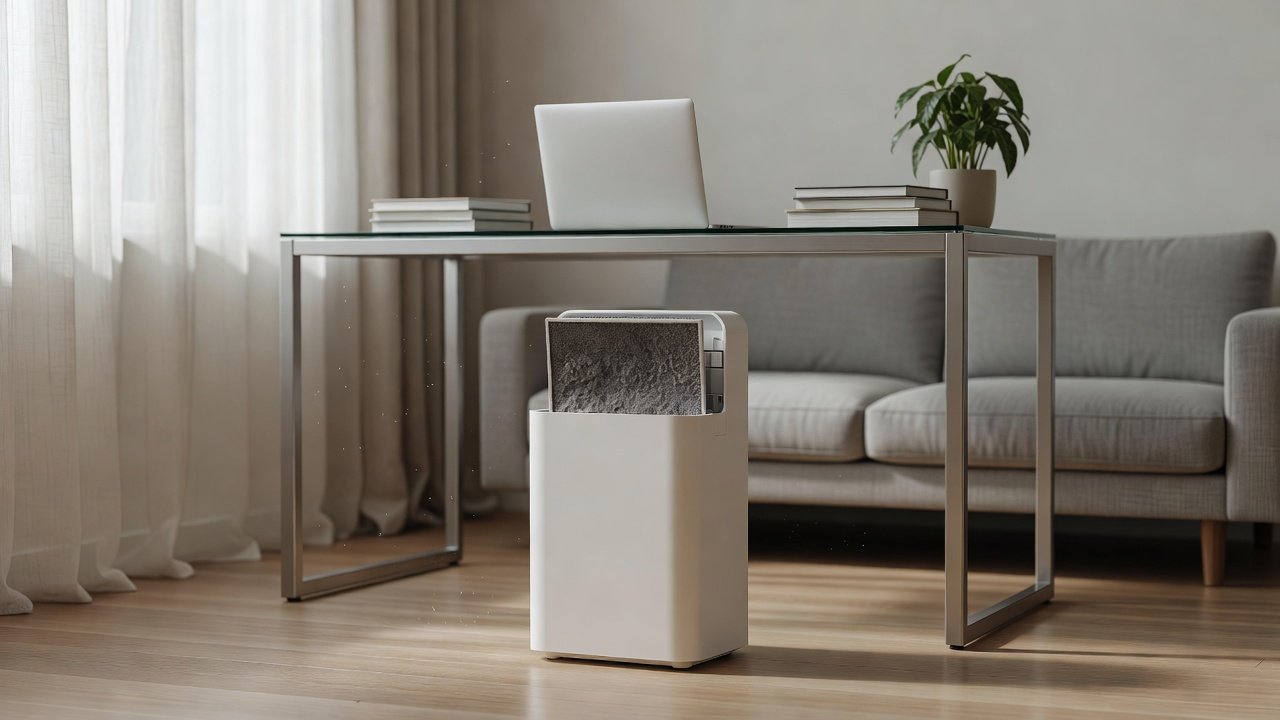
Carbon filters can saturate, shed dust or fail to remove odors. Learn the common carbon filter problems, how to spot them and when to replace the filter.

If your air purifier has lights on but no airflow or seems to do nothing, check filters, covers, modes, sensors and power. Follow this simple checklist before contacting support.
A sweet smell near an air purifier may come from new filters, fragrance, spills, plasticizers or room sources. Learn safe checks and when to stop using the unit.
Learn how to handle and dispose of used air purifier filters safely: sealing them, wearing gloves if needed, checking local rules and exploring recycling programs.

A true HEPA purifier can lower indoor pollen and other airborne allergens, which may add comfort in allergy season, but it works best with closed windows, cleaning and clinician advice.

A cracked air purifier housing can affect airflow, filter sealing and electrical safety. Learn what to check, why not to repair it with tape or glue and when to replace the unit.

Activated carbon filters adsorb some odors and gases. Learn how they work, what they do not do, how much carbon matters and how often to replace them.
A true HEPA purifier may lower airborne allergens that irritate sinuses, but it does not treat sinus conditions. Learn what may help, what else matters and when to see a clinician.
UV lights in air purifiers can fail, flicker or add little value. Learn common problems, safety notes, ozone concerns and how to decide whether UV is worth having.

A musty or moldy smell from an air purifier usually points to damp filters or a humid room. Learn how to check filters, fix moisture, handle mold safely and when to call a professional.
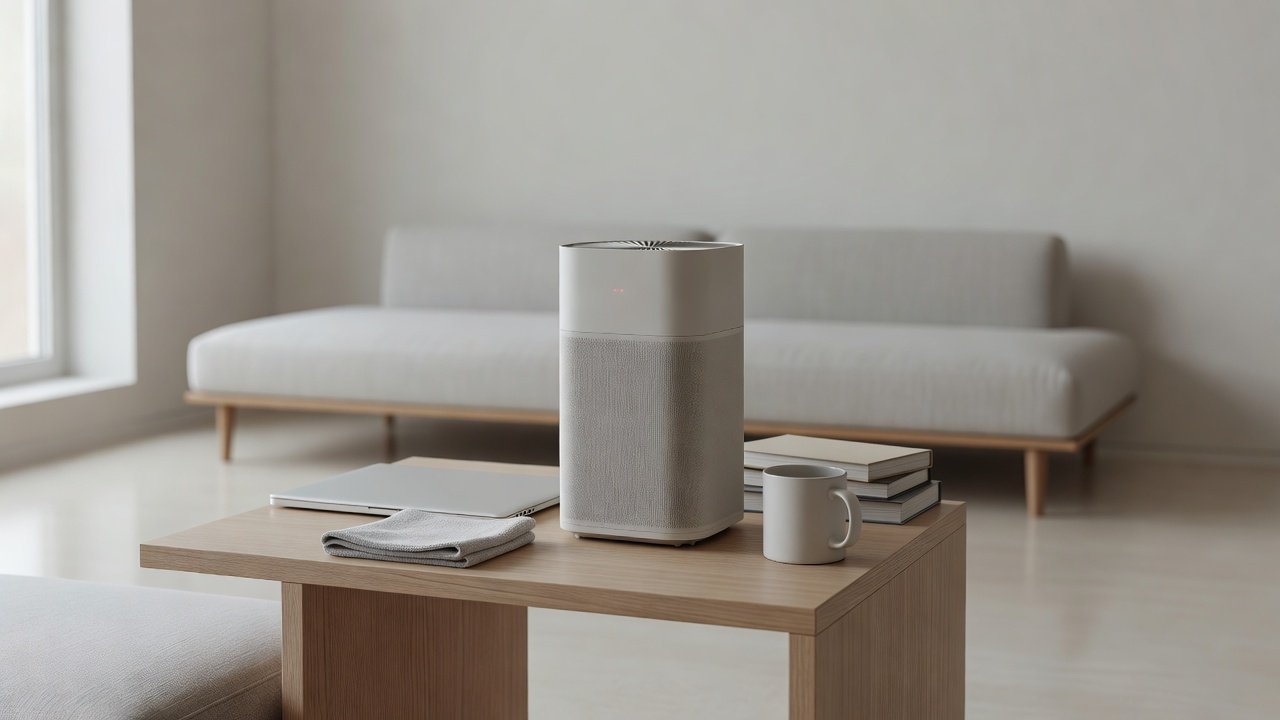
An air purifier may beep for filter alerts, an open cover, a mode change, an error or a low-water or sensor warning. Learn how to check the cause and what to do next.

During wildfire smoke, a true HEPA purifier sized for the room can lower indoor particles. Learn how to choose, set up a clean room and follow local health guidance.

If an air purifier will not turn on, check the outlet, plug and cord, filter cover, child lock and a power reset. Learn safe steps and when to contact support.

Choosing a quiet air purifier for the bedroom means checking decibel ratings at working speeds, sleep modes, dimmable lights and placement. Learn what matters for sleep.

Oil or greasy liquid around an air purifier is unusual. Unplug it, keep it out of use and contact the manufacturer. Learn possible causes such as lubricant, spills or cooking residue.

Small rooms need modest CADR, quiet operation and compact design. Learn how to size an air purifier for a small bedroom, office or dorm and what to check before buying.
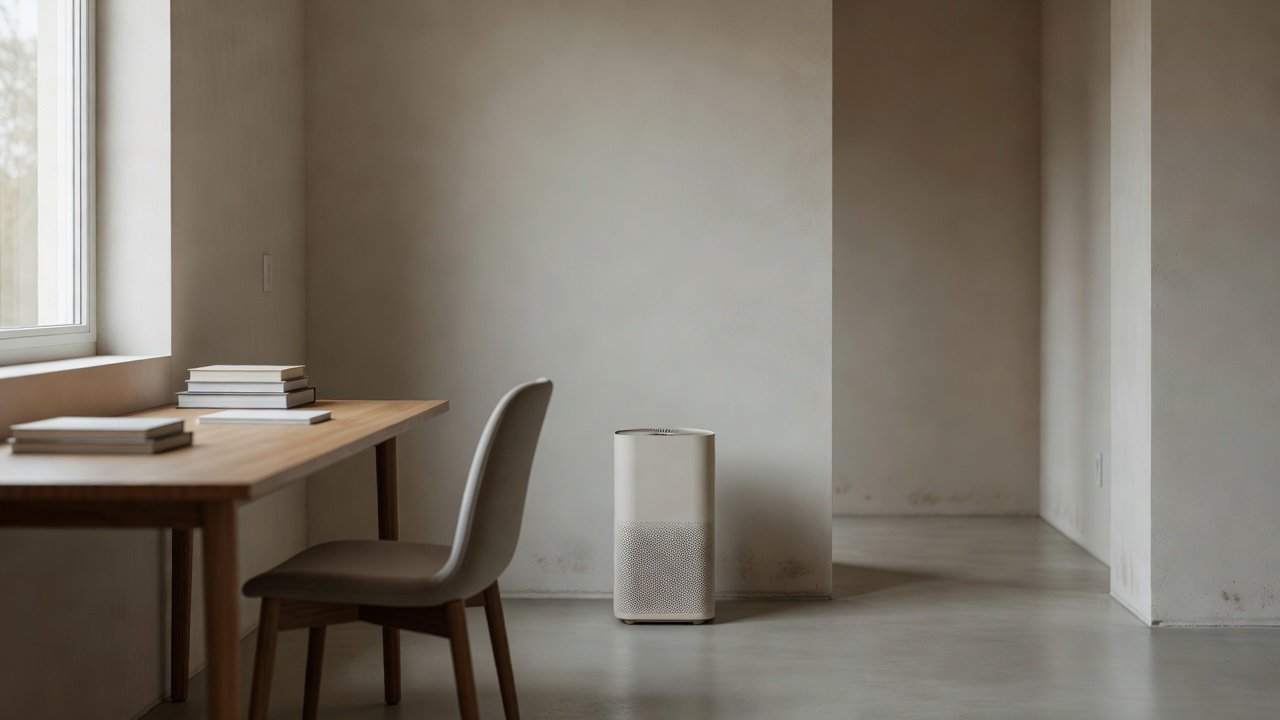
A purifier may capture some airborne mold spores, but it does not stop mold growth. Fix moisture, control humidity and ask professionals about large mold problems.