Last updated:
As an Amazon Associate we earn from qualifying purchases. This does not change what we recommend. See our affiliate disclaimer.
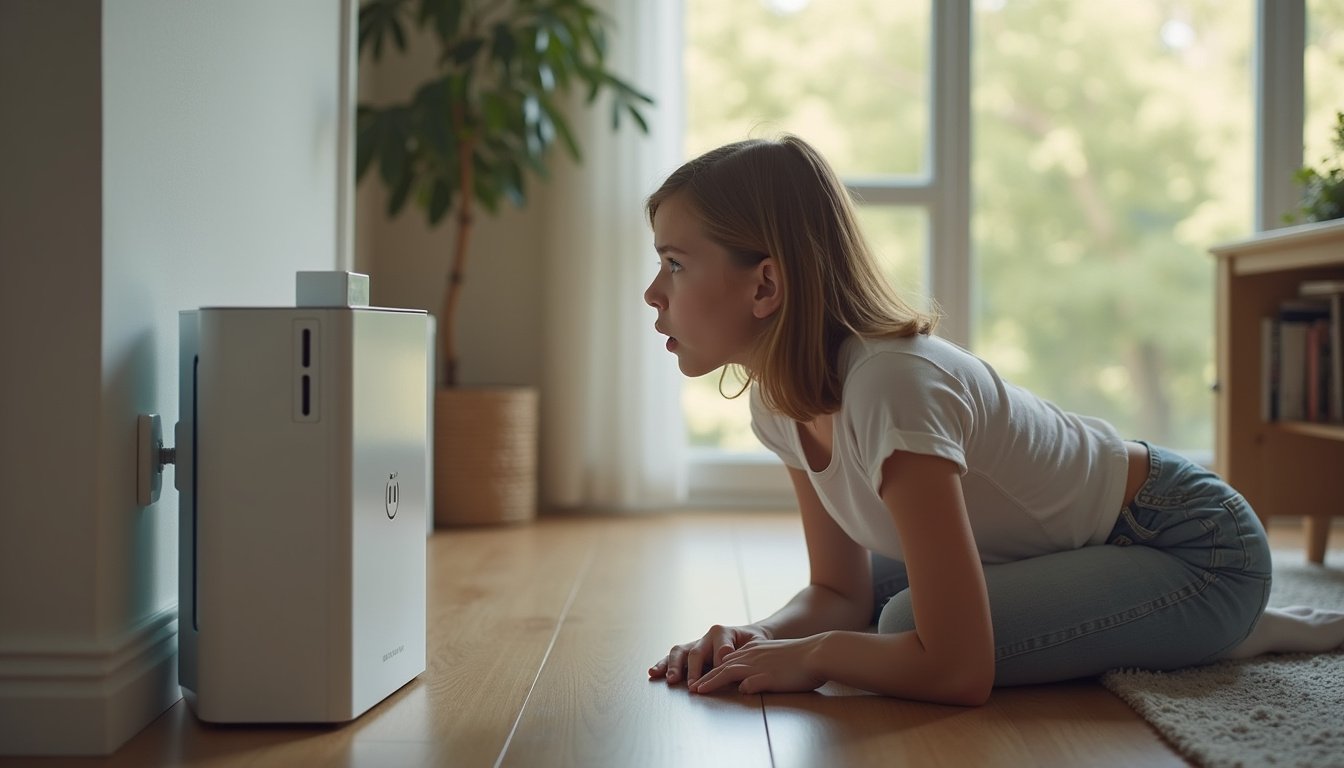
A purifier is supposed to make the room smell of nothing. So when the air coming off it has a faintly sweet, sometimes sickly, sometimes chemical edge, the appliance meant to remove odors seems to be adding one. The smell is a clue, and the few things that produce it are easy to tell apart.
A sweet smell from an air purifier usually comes from one of four sources, and the timing and character of the smell point to which. A new unit or filter that smells sweet and plasticky for the first days is off-gassing from fresh plastics, adhesives and media, which fades with running. A sweetish, slightly chemical smell after a few months, especially from a unit near a kitchen or in a home with fragrances, is a saturated carbon filter releasing what it adsorbed, often worse on warm days. A sharp, clean, sweet smell like the air after a thunderstorm, from a unit with an ionizer, plasma or UV feature, is ozone, which the EPA cautions against breathing indoors and which is the one cause to act on immediately by switching the feature off. A sweet, musty or fermented smell from a unit in a damp room, near a humidifier or with a wet filter is microbial growth, which means the filter is replaced, not cleaned. A rarer fifth cause is a hot electrical component, sweet and acrid together, which means unplug and contact the maker.
In short: new plastic fades, saturated carbon gets replaced, ozone gets switched off, mold gets a new filter, and a hot-electrical smell gets the unit unplugged.
The EPA cautions that ionizers, plasma and some UV devices can produce ozone, which has a distinctive sweet sharp odor and is a lung irritant, and advises against ozone-generating air cleaners in occupied spaces. Maker manuals attribute new-unit odors to off-gassing, note that carbon filters saturate and must be replaced, and direct owners to replace filters that have become damp or musty.
This guide is research-based, drawn from EPA guidance on ozone and air cleaners, maker manuals and published filter maintenance advice. We have not tested the units in the comparison table and quote no prices or ratings.
Match the smell
- Sweet and plasticky, new unit or filter: off-gassing; runs off in days
- Sweetish chemical, months in, near kitchen or fragrances: saturated carbon
- Sharp clean sweet, like after a storm, with ionizer or UV on: ozone
- Sweet musty or fermented, damp room or wet filter: microbial growth
Act at once if
- The smell is ozone-like; switch the ionizer or plasma feature off
- The smell is sweet and acrid together, with warmth or buzzing: unplug, contact the maker
- It comes with headaches, eye or throat irritation; stop the unit and ventilate
- It persists after a new filter and ventilation; contact the maker
Key Takeaways
- A sweet smell from a purifier has a few causes, and when it started and what it smells like tell them apart.
- New units and filters off-gas a sweet plastic smell that fades within days of running; ventilate and let it run.
- A saturated carbon filter releases a sweetish chemical smell, often worse on warm days; replace it.
- A sharp, clean, sweet smell like the air after a storm is ozone from an ionizer or plasma feature; switch it off.
- A sweet musty or fermented smell is mold or bacteria on a filter that got damp; replace the filter, do not wash it.
- A sweet acrid smell with warmth or buzzing is an electrical fault; unplug and contact the maker.
- Nothing here is medical advice; a smell that comes with symptoms belongs with a doctor.
Purifiers Without Ozone-Producing Features
These widely reviewed units rely on true HEPA and activated carbon only, with no ionizer or plasma stage, so a sweet smell can only come from the filters themselves and is solved by replacing them. Check each maker’s listing for the carbon replacement interval.






How This Guide Approaches the Question
We looked at what in a purifier can produce a sweet-smelling compound, when each source appears in the unit’s life, how to distinguish them by character and timing, and what the fix is for each. Product details in the table come from maker specifications.
The most useful question is simply when it started: in the first days, after months, when a feature was switched on, or after the room got damp. Each answer points at a different part of the machine.
New Unit or New Filter: Off-Gassing
Fresh plastics, adhesives, foam gaskets and filter media release volatile compounds for a while after manufacture, and a sealed box concentrates them. A new purifier, or an old one with a new filter, often smells sweet and plasticky for the first hours to days, strongest at the outlet. It fades as the unit runs and the compounds disperse; running it on high in a ventilated room for a day speeds this. The carbon stage in the new filter adsorbs some of its own off-gassing, which is one reason the smell is usually gone within a few days.
| Source of new smell | How long it lasts | What helps |
|---|---|---|
| Housing plastics and gaskets | Hours to a few days | Run on high in a ventilated room |
| Filter media and adhesives | A few days | Unwrap and air the filter a day before fitting |
| Packaging residue | Hours | Remove all wrap and inserts |
| Persistent beyond two weeks | Not normal | Contact the maker |
If a new-unit smell persists beyond a week or two, or is strong enough to irritate, contact the maker; some units have had adhesive or coating issues that were resolved by replacement.
Saturated Carbon Filter
Activated carbon holds odor molecules on its surface rather than destroying them. Once the surface fills, the filter stops adsorbing, and on warm days or when humidity rises some of what it holds can desorb back into the airflow. The result is a faint sweetish, chemical or stale smell from the outlet that was not there when the filter was new, often from a unit in or near a kitchen, in a home that uses air fresheners, candles or cleaning sprays, or that has been through a smoke event or renovation. The HEPA may look fine and the indicator may be green, since it counts hours, not carbon capacity.
| Household | Typical carbon life | Sign of saturation |
|---|---|---|
| Low-odor home, bedroom | 4 to 6 months | Faint stale smell from outlet |
| Kitchen or open-plan | 2 to 4 months | Sweetish cooking-oil note from outlet |
| Fragrances, candles, cleaning sprays | 2 to 3 months | Sweet perfumed smell off the unit |
| Pets | 2 to 3 months | Pet smell from outlet |
| Smoke event or renovation | Weeks | Smell returns on warm days |
The fix is a new carbon stage. Where it is bonded to the HEPA in one cartridge, the whole cartridge is replaced; where it is separate, only the carbon. Spraying fragrance or deodorizer into the intake makes it worse by filling the carbon faster.
Ozone from an Ionizer, Plasma or UV Feature
Ozone has a sharp, clean, slightly sweet smell most people know from the air after a thunderstorm or from a photocopier. Purifiers with an ionizer, plasma, electrostatic or some UV features can produce it, and the smell is often noticed when the feature is switched on or when the unit runs on high in a small room. The EPA cautions that ozone is a lung irritant at concentrations that have no useful effect on pollutants and advises against ozone-generating devices in occupied spaces. If the sweet smell matches this description and the unit has such a feature, switch the feature off; on many units it is a separate button and the HEPA and carbon stages continue without it. If the unit cannot run without it, stop using it in occupied rooms.
Some units generate a little ozone from the fan motor’s brushes or from electrostatic filter stages even without a labeled ionizer; a persistent storm-like smell from any purifier is worth a question to the maker.
Mold or Bacteria on a Damp Filter
Filter media that gets damp, from a humidifier placed too close, a bathroom or basement location, condensation, a flood or a filter that was rinsed and refitted wet, grows mold and bacteria in the dust it holds. The smell is sweet in a musty, fermented, sometimes sour way, like damp cardboard or old fruit, strongest when the unit first starts and the air pushes through the filter. HEPA media cannot be washed and a moldy filter cannot be cleaned; it is bagged and replaced, and the housing wiped with a damp cloth and dried before the new filter goes in. Then the cause is fixed: move the humidifier across the room, relocate the unit out of damp spaces, and keep humidity at 30 to 50 percent so the filter stays dry.
| Cause of dampness | Fix |
|---|---|
| Humidifier within a few feet of the intake | Move it across the room; use distilled water in ultrasonic units |
| Unit in a bathroom, laundry or damp basement | Relocate; dehumidify the space |
| Filter rinsed and refitted damp | Only pre-filters are washable; dry fully; never wash HEPA |
| Condensation on a cold exterior wall | Move the unit away from the wall and window |
| Flood or spill | Replace filters; dry the unit fully before use |
A Hot Electrical Component
Overheating electronics and motor windings produce a smell that is sweet and acrid at the same time, often described as sweet burning plastic or a hot electrical smell, usually with the unit running warm, buzzing, slowing or cutting out. This is not a filter problem. Unplug the unit, do not run it again, and contact the maker with the model and serial number; a blown thermal fuse, failing motor or power supply is a fire-relevant fault and not an owner repair. A blocked intake or outlet, a filter packed with dust or a unit in a cabinet can cause the overheating; those are worth fixing before the replacement unit goes in the same spot.
Telling Them Apart
The four common causes separate on two questions: when did it start, and what exactly does it smell like. Off-gassing starts with a new unit or filter and fades. Saturated carbon starts months in and worsens on warm days. Ozone starts when a feature is switched on and smells like a storm. Microbial growth starts after dampness and smells musty. Electrical faults come with heat or noise. A new filter, a switched-off ionizer and a few hours of ventilation resolve most cases; what remains goes to the maker.
Worked example: a bedroom purifier, eight months old, has started to smell faintly sweet and chemical from the outlet, more on warm afternoons. There is no ionizer, the room is dry and the filter looks clean. The timing and warm-day pattern point to saturated carbon; a new combined HEPA and carbon cartridge removes the smell the same day, and the owner sets a four-month reminder for the next one.
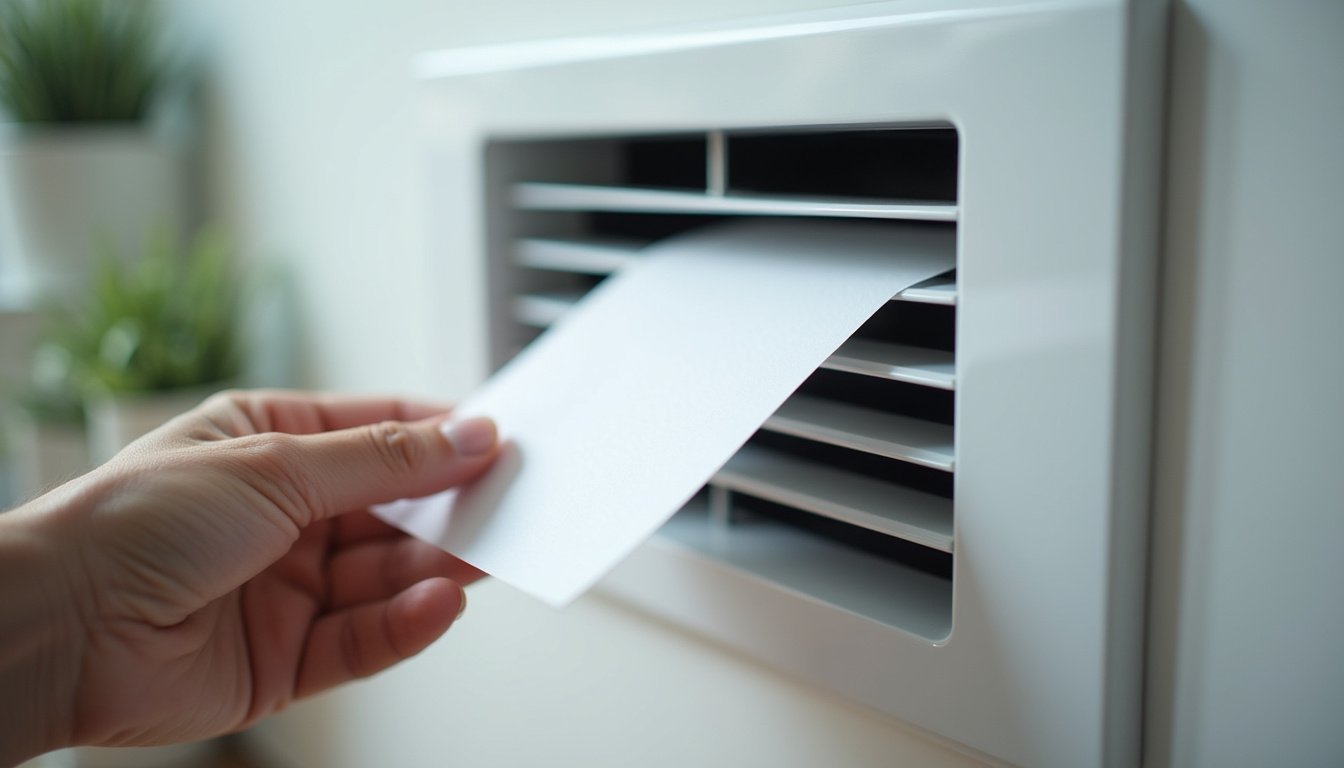
A sweet smell that is in the room but not stronger at the purifier outlet is not the purifier at all: candles, air fresheners, a drain, spilled sugar in a cupboard, or in persistent cases a pest problem behind a wall. Smell the outlet directly through a sheet of paper to check.
Keeping the Purifier Smelling of Nothing
Replace the carbon stage on a schedule matched to the home rather than the indicator light, keep the unit out of damp rooms and away from humidifiers, switch off ionizer and plasma features and leave them off, air out new filters before fitting, keep intake and outlet clear so the motor runs cool, and never wash HEPA media. A purifier maintained this way produces no smell of its own, which is the only acceptable result from an appliance bought to remove them.
- Carbon replaced every two to six months depending on odor load.
- Unit placed in dry rooms, six feet or more from any humidifier.
- Ionizer, plasma and similar features switched off permanently.
- New filters unwrapped and aired a day before fitting.
- Intake and outlet clear; filter changed before it chokes airflow.
- Housing wiped and dried at each filter change.
How to Find and Fix a Sweet Smell From a Purifier in 6 Steps
- Smell the outlet directly through a sheet of paper to confirm the smell is from the unit and not the room.
- Note when it started: new unit or filter, months in, when a feature was switched on, or after damp conditions.
- If the unit has an ionizer, plasma or UV feature and the smell is sharp and storm-like, switch the feature off and ventilate.
- If the smell is sweet and acrid with heat, buzzing or burning, unplug and contact the maker; do not run it again.
- Otherwise replace the carbon stage or the whole cartridge, wipe and dry the housing, and air the new filter before fitting.
- Fix the cause: move humidifiers across the room, relocate the unit out of damp spaces, and set a carbon replacement schedule.
Do and Do Not
Do
- Smell the outlet to confirm the source.
- Switch off ionizer and plasma features.
- Replace saturated carbon on a schedule.
- Replace any filter that got damp.
- Unplug for any hot or burning note.
Do not
- Do not wash HEPA media to remove a smell.
- Do not spray fragrance or deodorizer into the intake.
- Do not keep running a unit that smells hot or electrical.
- Do not place the purifier beside a humidifier.
- Do not ignore an ozone smell because the unit is new.
Who Should Skip This
If the unit is new and the smell is plasticky, skip the diagnosis; run it on high in a ventilated room for a day or two and the off-gassing fades on its own.
If the smell is in the room but not stronger at the purifier’s outlet, skip the purifier entirely; the source is elsewhere, and candles, fresheners, drains and cupboards are the usual suspects.
Honest Limits
- Smell descriptions are subjective; the timing clues are more reliable than the character.
- We cannot identify a smell remotely, and some units combine causes, such as saturated carbon in a damp room.
- Ozone output varies widely by device and setting; a storm-like smell is a reason to act, not a measurement.
- Filter and carbon life depend on the home and are estimates.
- Electrical faults require the maker; we offer no repair guidance for them.
- Nothing here is medical advice; symptoms belong with a doctor.
When to See a Professional
Contact the maker for any sweet smell paired with heat, buzzing, burning or a tripped breaker, for a persistent new-unit smell beyond two weeks, or for a storm-like smell from a unit with no labeled ionizer; these are not owner repairs.
See a doctor if anyone in the home has headaches, coughing or eye or throat irritation that coincides with the purifier running, especially with an ionizer feature. Nothing on this page is medical advice.
Frequently Asked Questions
Why does my air purifier smell sweet?
Usually one of four things: off-gassing from a new unit or filter, which fades in days; a saturated carbon filter releasing what it adsorbed, months in; ozone from an ionizer, plasma or UV feature, which smells sharp and storm-like; or mold on a filter that got damp, which smells musty.
Is a sweet smell from an air purifier dangerous?
It depends on the cause. New-filter off-gassing and saturated carbon are nuisances. A sharp, clean, storm-like sweet smell is ozone, a lung irritant the EPA cautions against, and the feature producing it should be switched off. A sweet acrid smell with heat or buzzing is an electrical fault; unplug the unit.
My new air purifier smells sweet. Is that normal?
Yes, for the first hours to days. Fresh plastics, adhesives, gaskets and filter media release volatile compounds concentrated by the packaging, and running the unit on high in a ventilated room disperses them. Air new filters for a day before fitting. If the smell persists beyond a week or two or irritates, contact the maker.
Can a carbon filter cause a sweet smell?
Yes, once it is saturated. Activated carbon holds odor molecules rather than destroying them, and when its surface is full it stops adsorbing and can release some of what it holds, especially on warm humid days, giving a sweetish chemical or stale smell from the outlet.
What does ozone from an air purifier smell like?
Sharp, clean and faintly sweet, like the air after a thunderstorm or near a photocopier, strongest when an ionizer, plasma or UV feature is switched on or the unit runs on high in a small room. The EPA advises against ozone-generating devices in occupied spaces; switch the feature off and ventilate.
Why does my purifier smell sweet and musty?
A filter that got damp has grown mold or bacteria in the dust it holds, producing a sweet, musty, fermented smell strongest when the unit starts. Causes include a humidifier placed too close, a damp room, or a filter rinsed and refitted wet.
Can I clean the filter to get rid of the smell?
Only a washable pre-filter, rinsed and dried fully. HEPA media is damaged by water and loses its rating, and a moldy or saturated filter does not recover with cleaning; spraying fragrance into it makes the carbon saturate faster. Bag the old filter at the machine, wipe the housing and fit a new one.
The purifier smells sweet and like burning plastic. What should I do?
Unplug it and do not run it again. A sweet acrid smell with warmth at the housing or plug, buzzing, slowing or a tripped breaker points to an overheating motor, power supply or board, which is a fire-relevant fault and not an owner repair.
How do I know whether the smell is from the purifier or the room?
Hold a sheet of paper over the outlet and smell the air coming off it. Stronger at the outlet means the purifier; the same as the room means the source is elsewhere, such as candles, air fresheners, a drain, something spilled in a cupboard or, in persistent cases, a pest problem behind a wall.
How do I stop the sweet smell coming back?
Replace the carbon stage every two to six months depending on odor load rather than waiting for the light, keep the unit in a dry room well away from any humidifier, switch off ionizer and plasma features for good, air new filters before fitting, keep intake and outlet clear, and never wash HEPA media.
Bottom Line
A sweet smell from an air purifier has a short list of causes, and the timing sorts them: off-gassing in the first days, which fades; saturated carbon months in, which gets replaced; ozone when an ionizer or plasma feature is on, which gets switched off; and microbial growth after dampness, which means a new filter and a drier spot. A sweet acrid smell with heat or buzzing is the exception that means unplug and call the maker.
Smell the outlet to confirm the unit is the source, match the smell to when it started, and the fix is usually a new filter or a button pressed. Keep carbon on a schedule, filters dry and ozone features off, and the purifier goes back to smelling of nothing. Nothing here is medical advice.
Related reading: Why does my air purifier smell, Air purifier smells like vinegar, Air purifier ionizer issues.