
Air Purifier Filter Keeps Getting Dirty? Why It Happens and What to Do
A fast-dirtying air purifier filter usually means a dusty home, nearby sources, a poor fit or heavy use. Learn what causes it, how to slow it and when to replace.
A fast-dirtying air purifier filter usually means a dusty home, nearby sources, a poor fit or heavy use. Learn what causes it, how to slow it and when to replace.

If an air purifier filter keeps falling out, it may be the wrong filter, a worn latch, a loose cover or incorrect installation. Learn safe checks and when to contact support.
Some air cleaners emit ozone, a lung irritant. Learn what the EPA says, how to spot ozone-emitting devices, what an ozone smell means and safer filtration choices.
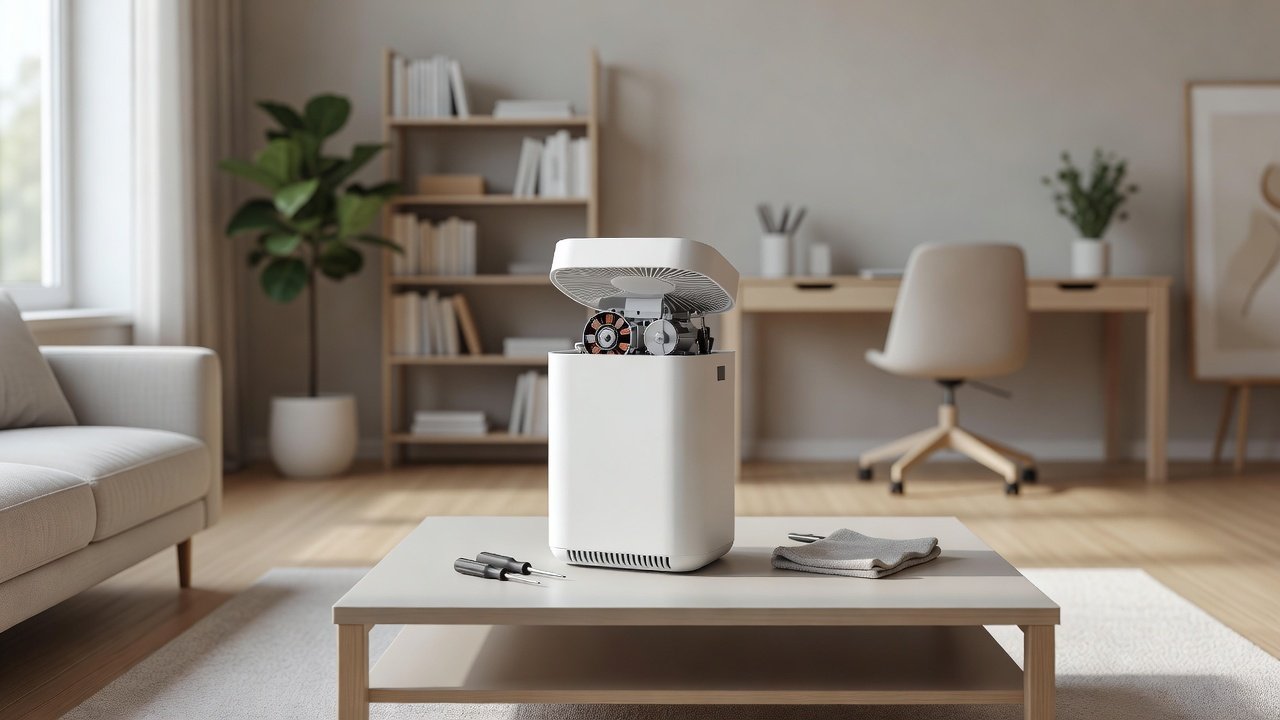
Opening an air purifier to repair the fan motor is risky and may void the warranty. Learn safe checks, when to contact the manufacturer and how to decide between repair and replacement.

If an air purifier fan is stuck on one speed or will not change, check auto mode, child lock, the controls, filters and a power reset. Contact support if it persists.

Ionizer features on air purifiers can cause residue, odd smells or confusing results. Learn how to troubleshoot, why many people turn them off and how to check for ozone.

Learn how to install an air purifier filter correctly: unplug, remove packaging, check order and orientation, seat the filter, close the cover and reset the indicator.
A smell like exhaust or fumes near an air purifier may come from outdoors, a garage, gas appliances or the unit. Learn safety steps, CO precautions and what to check.

Coughing near an air purifier may come from ozone-emitting features, dust from dirty filters, dry air or unrelated causes. Learn what to check and when to see a clinician.

If air escapes around an air purifier’s filter or cover, the filter may not be seated or the seal may be worn. Learn how to find leaks, fix them and when to replace parts.

A vinegar-like smell near an air purifier may come from the room, damp filters, cleaning products, a new filter or the unit itself. Learn safe checks and when to stop.
Choosing an air purifier for a nursery means prioritizing safety, low noise, cord management and mechanical filtration. Learn placement tips and what to avoid.

Air purifiers cannot cure or prevent colds, but cleaner, moderately humid indoor air may add comfort. Learn what to expect and which everyday steps matter more.

Portable air purifiers suit small rooms, desks and travel. Learn their benefits and limits, how to size them and what to check before buying a compact unit.

Air purifiers clean recirculated air but do not bring in fresh air or remove CO2. Learn how ventilation and filtration complement each other and when to use each.
Static shocks near an air purifier are usually caused by dry air, synthetic materials and charged dust, not a fault. Learn how to reduce static and when to check the unit.

Air purifiers do not remove moisture, but airflow can make dry rooms feel drier. Learn what really lowers humidity, how to keep 30 to 50 percent and how to place a purifier.

A discolored air purifier filter is often normal dust loading, but yellow, brown or black spots can point to smoke, moisture or mold. Learn what to check and when to replace.

A rotten egg smell can signal a natural gas leak. Learn immediate safety steps, other causes such as drains and damp filters, and why a purifier cannot fix gas leaks.

Washable filters can lower running costs but need careful cleaning and complete drying. Learn the pros and cons, which parts are washable and what to check before buying.
If an air purifier’s humidity reading looks off, sensor placement, dust, temperature changes and calibration may be the cause. Learn how to check, clean and compare readings.
Headaches near an air purifier may come from ozone, noise, airflow, fragrances or unrelated causes. Learn what to check, how to adjust the setup and when to see a clinician.

A red light on an air purifier often means poor air quality, a filter alert or an error, but meanings vary by brand. Learn how to check the cause and what to do next.

A loud air purifier fan is often due to high speed, clogged filters, poor placement or loose parts. Learn how to quiet it, which settings help and when to contact support.

Water around an air purifier is unusual. Unplug the unit, then check for humidifier parts, condensation, spills or leaks nearby. Learn safe steps and when to contact support.

If an air purifier trips a breaker or seems to cause a power outage, unplug it and check for overloads, damaged cords or faults. Learn safe steps and when to call an electrician.

A whistling air purifier usually has an air leak, a poorly seated filter, a blocked vent or a high fan speed. Learn how to find the source and quiet it.

Cigar smoke contains particles and strong odors that cling to surfaces. Learn how HEPA and carbon purifiers help, why ventilation matters and how to set up a smoking room.

A damp air purifier filter can come from high humidity, a nearby humidifier, condensation or spills. Learn why it matters, how to fix it and when to replace the filter.

Learn how to check indoor air quality using monitors, built-in purifier sensors, simple observations and test kits, and what the numbers do and do not tell you.