Last updated:
As an Amazon Associate we earn from qualifying purchases. This does not change what we recommend. See our affiliate disclaimer.
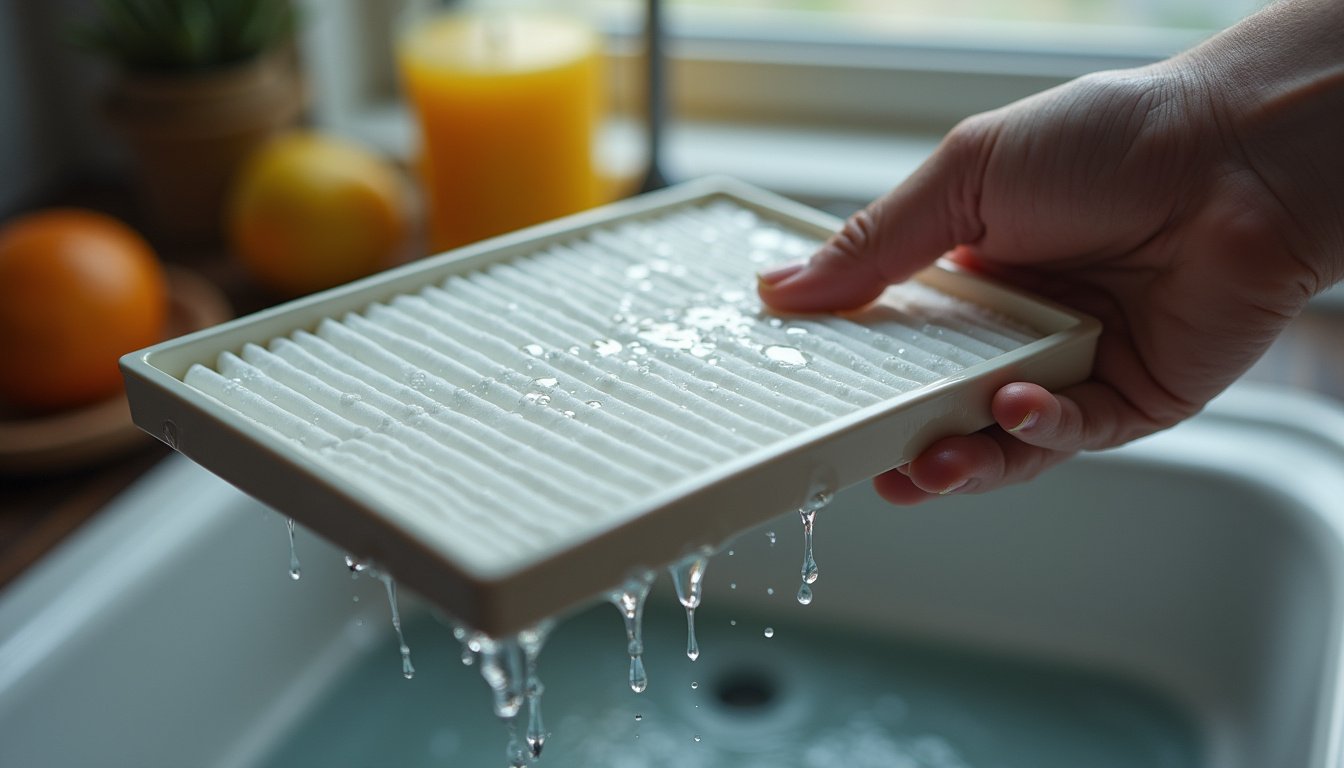
A purifier filter should be bone dry. It lives in a stream of room air and holds nothing but dust, so finding it cool, heavy and faintly clammy when you open the compartment is a surprise, and it is one worth taking seriously. Fibrous media that gets damp becomes a place for mold and bacteria to grow, and the fan then blows whatever grows there into the room.
An air purifier filter gets damp for a short list of reasons, nearly all of them about where the unit sits. The most common is a humidifier within a few feet, whose mist is drawn straight into the intake and condenses on the filter. Next are steamy locations, a bathroom doorway, a laundry area or a kitchen, and damp rooms such as basements and bedrooms running above 60 percent relative humidity, where the filter simply absorbs moisture from the air. Condensation forms when a unit is brought from a cold car or garage into a warm room, or sits against a cold exterior wall or under a window that sweats. Spills, plant watering and pets account for the rest, along with filters stored in a damp basement before installation. A damp filter is replaced rather than dried and reused, because growth begins within a day or two and drying does not remove it.
In short: find the moisture, replace the damp filter, dry the housing, and relocate the purifier so it stays dry. A damp filter is a mold problem in waiting, not a filter to rescue.
The EPA’s mold guidance notes that mold can begin growing on damp materials within 24 to 48 hours and recommends keeping indoor relative humidity between 30 and 50 percent. Maker manuals instruct owners to keep purifiers away from humidifiers, water and steam, never to wash HEPA or carbon filters, and never to run a unit with a wet filter.
This guide is research-based, drawn from EPA mold and humidity guidance, maker manuals and the behavior of fibrous filter media. We have not tested the units in the comparison table and quote no prices or ratings, only published features relevant to placement and filter care.
Likely cause is nearby if
- A humidifier, diffuser or kettle sits within a few feet
- The unit is near a bathroom, laundry or kitchen
- A hygrometer reads above 60 percent in the room
- The unit was recently moved in from a cold space
Treat it as urgent if
- The filter smells musty, sour or earthy
- Green, pink, white or spotted patches are visible
- The unit has been running damp for more than a day or two
- Someone in the home has allergies or asthma
Key Takeaways
- A damp filter is almost always a placement problem: humidifier mist, steam, a damp room or condensation.
- Mold and bacteria can begin growing on damp media within 24 to 48 hours; drying does not remove them.
- Replace a damp filter; never wash, dry and reuse HEPA or carbon media.
- Keep the purifier several feet from humidifiers and out of bathroom, laundry and kitchen steam.
- Hold room humidity at 30 to 50 percent with a hygrometer to confirm.
- Let a cold unit reach room temperature before running it, and keep it off cold exterior walls and damp floors.
- Store spare filters sealed in a dry closet, not a basement or garage.
Purifiers That Are Easy to Keep Dry to Compare
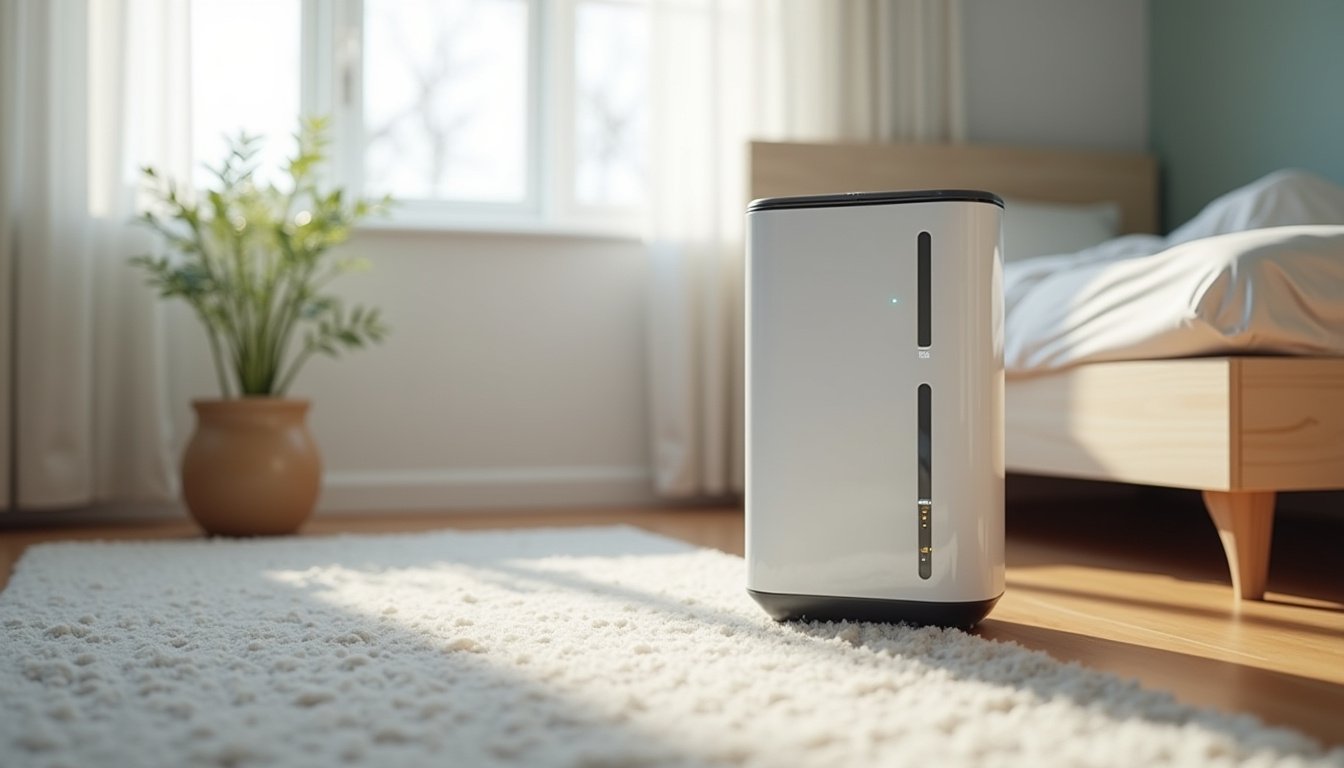
These widely reviewed filter-based units pair true HEPA with carbon and have accessible filter bays that make a quarterly dampness check simple. Compare the maker-listed CADR against your room and place the unit on a stand, away from humidifiers and steam.






How This Guide Finds the Moisture
We listed every realistic way moisture reaches a purifier filter, sorted them by how common they are, matched each to the clues it leaves and set out the replacement and prevention steps makers and the EPA describe. Product details in the table come from maker specifications.
The question that resolves most cases is simple: what within six feet of the purifier puts water into the air or onto the floor?
First Steps When You Find a Damp Filter
- Unplug the unit and stop running it; a fan blowing across a damp filter spreads whatever is growing on it.
- Remove the filters and smell each one. Musty, sour or earthy means growth has started.
- Look for patches of green, pink, white fuzz or dark spots on the media and frame.
- Feel the housing interior and base for moisture; check the floor beneath for a damp ring.
- Look around: humidifier, diffuser, kettle, plant, window, exterior wall, bathroom door, recent spill or cleaning.
- Check a hygrometer in the room; above 60 percent points to the room itself.
Quick Diagnosis Table
| Clue | Likely moisture source | Fix |
|---|---|---|
| Humidifier, diffuser or kettle within a few feet | Mist drawn into the intake | Move the purifier several feet away and out of the mist path |
| Unit near bathroom, laundry or kitchen | Steam and cooking vapor | Relocate; vent bathrooms and kitchens; keep doors closed while steamy |
| Hygrometer over 60 percent | Damp room | Dehumidify and ventilate to 30 to 50 percent; fix leaks |
| Filter damp after moving the unit indoors | Condensation on cold surfaces | Let the unit reach room temperature before running |
| Damp on the side facing a wall or window | Cold exterior wall or sweating window | Move to an interior wall; improve insulation; lower humidity |
| Damp at the base; ring on the floor | Spill, plant watering, pet, wet floor cleaning | Set on a stand; move plants; mop and dry before running |
| New filter damp out of the box | Stored or shipped damp | Return it; store spares sealed and dry |
| Whole unit damp, musty smell | Damp basement or storage | Dehumidify; set on a stand; replace filters |
Cause 1: Humidifiers, Diffusers and Steam
The most common damp filter sits next to a humidifier. Cool-mist and ultrasonic units throw a fine spray of water droplets that a purifier’s intake pulls in directly; warm-mist units add steam. The droplets condense on the pre-filter and HEPA face, the media absorbs the water, and within a day the filter is heavy and cool. Essential oil diffusers do the same on a smaller scale and add oil to the mix. Ultrasonic humidifiers using tap water also leave white mineral dust on the filter.
Keep the purifier at least six feet from any humidifier and out of the direction its mist drifts, ideally on the opposite side of the room. Both appliances can run in the same bedroom; they simply must not share the same few cubic feet of air. Bathroom doorways, laundry areas and kitchens produce bursts of steam that do the same thing; a purifier serving those rooms belongs across the room from the shower, dryer or stove, with the door closed while steam is heavy and the exhaust fan running.
Cause 2: The Room Itself Is Damp
Fibrous media absorbs moisture from humid air even with no mist in sight. In a basement, a poorly ventilated bedroom or any room sitting above about 60 percent relative humidity, a filter slowly becomes damp, the dust it holds feeds growth, and a musty smell follows. A hygrometer tells you in a minute; the EPA’s target range is 30 to 50 percent.
Bring the room into range before refitting a new filter: ventilate, run a dehumidifier with a drain hose in basements, vent bathrooms and kitchens, fix leaks and seepage. In a basement, set the purifier on a stand or shelf rather than the concrete floor, away from the sump and the dehumidifier’s exhaust. Carbon filters lose capacity in humid air, so a dry room makes the purifier work better as well as keeping it safe.
| Room humidity | Effect on filters | Action |
|---|---|---|
| Under 30 percent | Dry; static and dust clinging | Humidify carefully, far from the purifier |
| 30 to 50 percent | Filters stay dry; carbon works well | Maintain |
| 50 to 60 percent | Slow moisture uptake; carbon less effective | Ventilate; watch the hygrometer |
| Over 60 percent | Filters absorb moisture; growth likely within days | Dehumidify; fix sources; replace damp filters |
Cause 3: Condensation
Water appears on any surface colder than the air’s dew point. A purifier carried in from a cold car, garage or storage unit and switched on in a warm room sweats as warm air meets its cold housing and filters. A unit against an uninsulated exterior wall in winter, or under a window that fogs, sits in a cold pocket where humid room air condenses on it nightly. The filter ends up damp with no visible water source anywhere.
Let a cold unit stand unplugged at room temperature for a few hours before running it, with the cover open so the filters warm up too. Move units off exterior walls and away from sweating windows to an interior wall, and lower room humidity so the dew point drops below surface temperatures. Condensation on windows is itself a sign the room is above the 30 to 50 percent range.
Cause 4: Spills, Plants, Pets and Wet Floors
Units with a base intake pull from the floor, so a spilled drink, an overwatered plant, a pet bowl knocked over, a leaking radiator valve or a mop-wet floor can wick straight into the filter. Pets occasionally mark a floor-standing unit. A damp ring under the purifier and moisture concentrated at the base point this way.
- Set the unit on a low stand or shelf so the intake is above floor spills.
- Keep plants and their watering well away; saucers overflow.
- Mop and let floors dry fully before running a base-intake unit.
- Check radiator valves and window frames nearby for drips.
- If a pet is marking the unit, relocate it and clean the base with mild soapy water on a cloth, then dry completely.
Cause 5: Damp Storage and Damp New Filters
Spare filters stored in a basement, garage or under a sink absorb moisture through their packaging over months and arrive at installation already damp and sometimes musty. Purifiers stored for the off season in the same places come out with damp filters inside. Occasionally a filter is damp straight from the retailer because it was stored or shipped wet.
Store spares sealed in their original packaging in a dry interior closet. Store an off-season unit clean and dry with the filters removed and bagged if the manual allows, in a living space rather than a garage. Return a new filter that smells musty or feels damp out of the box; do not install it hoping it will dry in use.
Why a Damp Filter Matters
Three things go wrong when filter media is wet. Mold and bacteria colonize it within a day or two, feeding on the trapped dust, and the fan then distributes spores and odor into the room, turning the purifier into a source. HEPA fibers clump and the mat deforms when wet, opening channels that let particles through and reducing airflow as the media dries stiff. Activated carbon adsorbs water vapor in competition with odors, so a damp carbon stage loses capacity and can release what it holds.
Worked example: a bedroom purifier shares a nightstand with a cool-mist humidifier through a dry winter. By February the filter is heavy and the room smells faintly sour when the unit starts. The HEPA and carbon filters are replaced and bagged, the housing wiped and left open overnight, the humidifier moved across the room and a hygrometer added, which shows the room had been running at 58 percent. Humidifier output is turned down to hold 45 percent, and the new filters stay dry.
Replacing the Filters and Drying the Housing
- Unplug, remove all filters and bag the damp ones immediately.
- Wipe the filter bay, grilles and reachable fan blades with a cloth dampened with warm water and a little dish soap, then with a dry cloth; never spray liquid into the fan or electronics.
- Clean the sensor inlet with a dry cotton swab.
- Leave the cover open and let the housing air dry completely, overnight if possible, in a dry room.
- Fix the moisture source and bring room humidity to 30 to 50 percent.
- Fit new, dry filters, latch the cover, run on high for an hour in a ventilated room and confirm the outlet smells neutral.
- Date the new filters and add a quarterly dampness check to the maintenance routine.
If the housing itself smells musty after drying, or moisture reached the motor or electronics, contact the maker before running the unit; water inside the housing can cause electrical faults, and a GFCI outlet tripping is a sign of that.
Keeping Filters Dry for Good
| Measure | Why it works |
|---|---|
| Purifier at least 6 feet from humidifiers and diffusers, out of the mist path | No droplets reach the intake |
| Across the room from showers, dryers and stoves; exhaust fans used | Steam is vented before it reaches the filter |
| Room humidity held at 30 to 50 percent, checked with a hygrometer | Media cannot absorb enough moisture to support growth; carbon works better |
| Unit on a stand or shelf in basements and near plants or pets | Spills and floor moisture stay below the intake |
| Interior wall placement, away from sweating windows | No cold surface for condensation |
| Cold units warmed to room temperature before running | No condensation on first use |
| Spares sealed in a dry closet; off-season storage indoors | Filters start dry |
| Quarterly check: touch and smell the filters | Dampness caught before growth spreads |
How to Deal With a Damp Filter in 6 Steps
- Unplug the unit and stop running it; remove and bag any filter that is damp, musty or discolored.
- Find the moisture within six feet: humidifier, steam, damp room, cold wall or window, spill, plant or pet.
- Wipe and dry the housing with the cover open overnight; clean the sensor inlet with a dry swab.
- Fix the source: move the unit, vent steam, dehumidify to 30 to 50 percent, set it on a stand, warm a cold unit before use.
- Fit new dry filters, run on high for an hour in a ventilated room and check that the outlet smells neutral.
- Store spares sealed and dry, and add a quarterly touch-and-smell check to the maintenance routine.
Do and Do Not
Do
- Replace damp HEPA and carbon filters.
- Keep the purifier six feet from any humidifier.
- Hold room humidity at 30 to 50 percent.
- Set the unit on a stand in basements and near plants.
- Let a cold unit warm up before running it.
Do not
- Do not dry and reuse a damp filter.
- Do not run a unit with a damp or musty filter.
- Do not place the purifier in a humidifier’s mist or a bathroom doorway.
- Do not store spare filters in a basement or garage.
- Do not spray liquids into the housing when cleaning.
Who Should Skip This
If the filter is damp because a humidifier sits beside the purifier, skip the search for other causes. Move one of them across the room, replace the filter and the problem is solved; both appliances can share a bedroom at a distance.
If moisture has reached the motor or electronics, the unit trips a GFCI, or the housing smells musty after drying, skip refitting filters and contact the maker. Water inside a mains appliance is a safety matter, not a filter change.
Honest Limits
- A damp filter cannot be made safe by drying; replacement is the only remedy for HEPA and carbon stages.
- Humidity readings on the purifier itself are approximate; use a standalone hygrometer.
- Mesh or foam pre-filters can be rinsed and dried only if the manual allows, and only when fully dry before refitting.
- Combination purifier-humidifiers have water systems with their own cleaning rules; this guide addresses the purifier filters.
- Moisture inside the housing may cause electrical faults not visible from outside.
- Nothing here is medical advice; symptoms after exposure to a moldy filter belong with a doctor.
When to See a Professional
Contact the maker if moisture reached the motor or electronics, the unit trips a GFCI, or the housing stays musty after drying; do not run it meanwhile. Call a mold professional for a room with visible growth over about 10 square feet or persistent damp, and a plumber or contractor for leaks and seepage, following EPA guidance.
See a doctor if anyone develops respiratory symptoms after a moldy filter has been running, especially people with allergies or asthma. Nothing on this page is medical advice.
Frequently Asked Questions
Why is my air purifier filter wet or damp?
Usually because of where it sits: a humidifier or diffuser within a few feet, steam from a bathroom, laundry or kitchen, a room above 60 percent humidity, condensation on a cold unit or against a cold wall, or a spill, plant or pet at the base. Look for moisture within six feet of the intake.
Can I dry out a damp HEPA filter and keep using it?
No. Mold and bacteria begin growing in damp media within 24 to 48 hours and remain after drying, water damages the HEPA fibers and carbon loses capacity. Bag and replace a damp HEPA or carbon filter. Only a mesh or foam pre-filter may be rinsed and dried, if the manual allows.
Is a damp air purifier filter dangerous?
It is a mold risk. A fan blowing across damp, dusty media distributes spores and odor into the room, which matters most for people with allergies or asthma. Stop running the unit, replace the filter, dry the housing and fix the moisture source before using it again.
Can I run a humidifier and an air purifier in the same room?
Yes, at a distance. Keep the purifier at least six feet from the humidifier and out of the path its mist drifts, ideally on the opposite side of the room, and hold the room at 30 to 50 percent humidity. A purifier beside a humidifier will have a damp filter within days.
What humidity keeps purifier filters dry?
The EPA’s recommended range of 30 to 50 percent relative humidity. Above about 60 percent, fibrous media slowly absorbs moisture and growth becomes likely within days, and activated carbon loses capacity. Check with a standalone hygrometer, since purifier humidity readings are approximate.
Why did my filter get damp after I moved the purifier indoors?
Condensation. A unit brought from a cold car, garage or storage into a warm room sweats as humid air meets its cold housing and filters. Let a cold unit stand unplugged at room temperature for a few hours with the cover open before running it.
My new filter was damp out of the box. What should I do?
Return it. A filter that arrives damp or musty was stored or shipped wet and may already harbor growth; installing it puts a mold source in the purifier. Store your own spares sealed in their packaging in a dry interior closet rather than a basement or garage.
How do I dry the inside of the purifier after a damp filter?
Unplug, remove and bag the filters, wipe the bay, grilles and reachable fan blades with a cloth dampened with mild soapy water and then a dry cloth, clean the sensor inlet with a dry swab, and leave the cover open overnight in a dry room. Never spray liquid into the fan or electronics.
Why does my purifier smell musty after the filter got wet?
Mold or bacteria grew in the damp media and the fan is spreading the odor and spores. Replace every affected filter, dry the housing fully and fix the moisture source. If the housing itself still smells musty when dry, or the unit trips a GFCI, contact the maker before running it.
How do I stop the filter getting damp again?
Keep the purifier six feet from humidifiers and out of bathroom, laundry and kitchen steam, hold room humidity at 30 to 50 percent, set the unit on a stand in damp spaces, keep it off cold exterior walls, warm a cold unit before use, store spares sealed and dry, and check filters quarterly.
Bottom Line
A damp air purifier filter is a placement problem that becomes a mold problem if it is ignored. Humidifier mist, bathroom and kitchen steam, a damp room, condensation on a cold unit or a spill at the base put water into media that was never meant to hold it, and growth follows within a day or two. The response is the same every time: stop the unit, bag and replace the damp filters, dry the housing, and find the water.
Then keep it dry for good: six feet from any humidifier, across the room from steam, humidity held at 30 to 50 percent, the unit on a stand in damp spaces and spares stored sealed in a closet. A dry filter is a filter that only ever holds dust, which is the only thing it should.
Related reading: Air purifier smells like vinegar, Air purifier filter discoloration, Air purifier for basement mold.