Last updated:
As an Amazon Associate we earn from qualifying purchases. This does not change what we recommend. See our affiliate disclaimer.
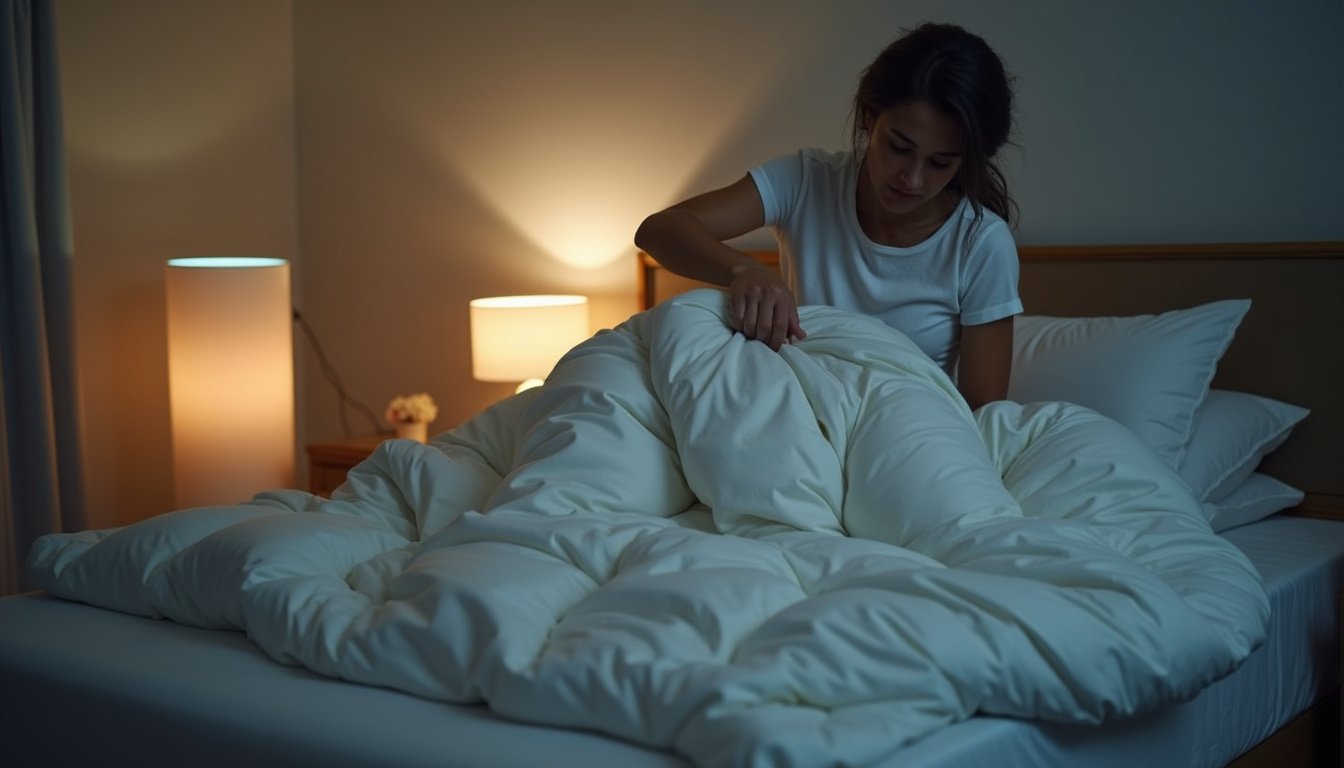
The purifier goes on at bedtime and by midnight someone is pulling the duvet up and glaring at it. The room feels colder, there is a draft across the bed, and the thermostat has not moved. People conclude the machine is cooling the room and switch it off, giving up clean air to fix a problem with a better solution.
An air purifier does not cool a room. It has no refrigeration, no evaporation, no cold coil; it pulls air through a filter and pushes the same air back out at the same temperature, and the motor adds slight heat if anything. What makes the room feel cold is the airflow. A purifier on medium or high moves hundreds of cubic feet of air a minute, and a steady stream across skin speeds evaporation and heat loss, which the body reads as cold even when the thermometer has not changed, the same effect as a fan on a cool evening. The feeling is strongest when the outlet blows directly at a bed, sofa or desk, on a high setting, and in winter when room air is already cool and dry. The fix is not a different purifier and not switching it off, but placement and settings: aim the outlet upward or away from where people sit and sleep, move the unit a few feet further away, run the lowest speed that suits the room, and use sleep mode in the bedroom. Those changes remove the draft while keeping the filtration.
In short: the purifier moves air, it does not chill it. Aim the outlet away from people, drop the speed, add distance and the cold feeling goes while the air stays clean.
Maker manuals describe purifiers as filtration appliances with no heating or cooling function and recommend placement that avoids blowing directly at occupants. The EPA’s indoor air guidance notes that air movement affects perceived comfort independently of temperature, which is why fans feel cooling without lowering room temperature.
This guide is research-based, drawn from maker manuals, EPA indoor air guidance and basic thermal comfort principles. We have not tested the units in the comparison table and quote no prices or ratings.
The purifier feels cold because
- Its outlet blows directly across a bed, sofa or desk
- It runs on medium or high within a few feet of people
- Room air is already cool and dry, as in winter
- Moving air speeds heat loss from skin; the thermometer does not change
Fix it by
- Aiming the outlet upward or away from occupants
- Moving the unit several feet further from the bed or seating
- Running the lowest speed that suits the room, or sleep mode at night
- Checking the thermostat and hygrometer before blaming the appliance
Key Takeaways
- A purifier has no cooling mechanism; air leaves it at the same temperature it entered, and the motor adds slight warmth.
- Moving air feels cold because it speeds evaporation and heat loss from skin, the same way a fan does.
- The draft is worst when the outlet points at people, on high speed, and in cool dry winter rooms.
- Aim the outlet upward or away, add distance, and lower the speed; sleep mode removes the draft at night.
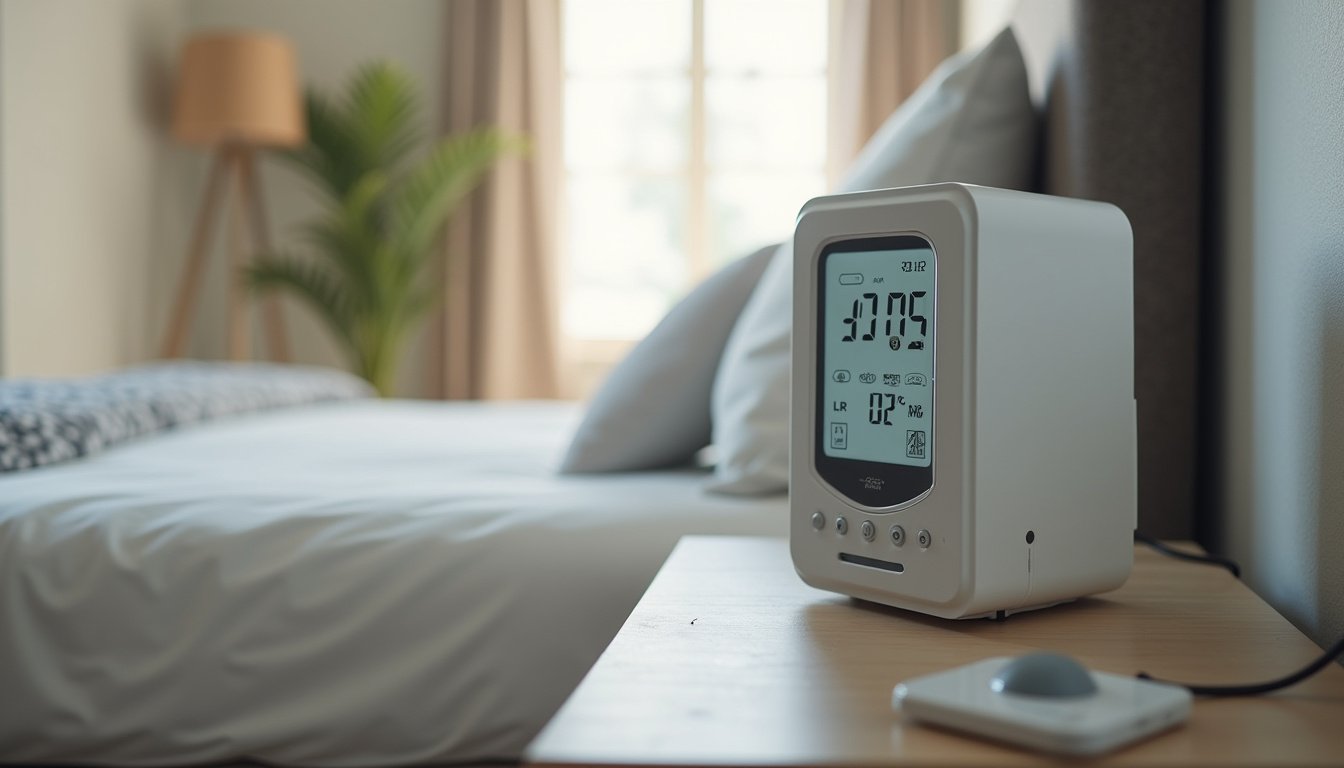
- A thermometer beside the bed shows the room is not actually colder with the unit on.
- Upward-discharge and 360-degree designs spread airflow and feel less drafty than front-discharge towers.
- Very dry winter air makes the draft feel colder; a hygrometer and humidifier address that side.
Purifiers That Avoid a Direct Draft
These widely reviewed units discharge air upward or in all directions rather than straight ahead and run quietly on their low and sleep settings, so they can sit in a bedroom without blowing across the bed. Compare the maker-listed CADR so the low setting still suits the room.






How This Guide Approaches the Question
We looked at what a purifier does to the air passing through it, why airflow changes perceived temperature without changing measured temperature, and which placement and setting changes remove the draft while keeping clean air delivery. Product details in the table come from maker specifications.
The useful experiment: leave a thermometer on the nightstand, read it with the purifier off for an hour and on for an hour. The number stays put. The draft is what changed, and the draft can be moved.
Why a Purifier Feels Cold Without Cooling Anything
The body judges temperature partly by how fast it loses heat. Still air next to the skin warms up and acts as insulation; moving air strips that layer away and speeds evaporation of moisture from skin, so heat leaves faster and the air feels colder than the thermometer says. This is wind chill at room scale, and it is why a fan feels cooling in summer while doing nothing to the room temperature. A purifier is a fan with a filter in front of it, and on medium or high it moves as much air as a small box fan. If its outlet points at a bed or a chair, the person there sits in a constant stream and feels cold all night, while the room temperature is exactly what the thermostat set.
| Appliance | Changes room temperature? | Why it can feel cold |
|---|---|---|
| Air purifier | No; motor adds slight warmth | Outlet airflow across skin |
| Fan | No | Airflow across skin |
| Air conditioner | Yes, lowers it | Refrigeration and airflow |
| Evaporative cooler | Yes, lowers it | Water evaporation and airflow |
| Dehumidifier | Slightly raises it | Compressor heat; dry air feels cooler on skin |
| Humidifier | No | Mist can feel cool nearby |
What Makes the Draft Worse
Three things stack up. Direction: front-discharge towers and units with a single forward outlet throw a concentrated stream in one direction, and if that direction is the bed, the draft is continuous. Speed: airflow rises steeply from low to high, and the high setting most people reach for when the air seems poor is the one that feels like a fan. Season: in winter, room air is cooler and drier, and dry moving air pulls more moisture from skin, so the same airflow that was unnoticed in July feels cold in January. Distance matters too; a stream loses speed quickly, so a unit three feet from the bed feels very different from one eight feet away.
Placement Fixes
Placement does most of the work. Turn the unit so its outlet faces away from the bed, sofa or desk, toward open floor or a wall a few feet away, where the stream disperses before it reaches anyone. On units with an adjustable or upward-angled outlet, point it at the ceiling so clean air mixes into the room from above rather than sweeping across it at body height. Move the unit further from where people sit and sleep; a few extra feet drops the air speed sharply, and a purifier does not need to be beside the bed to clean a bedroom. Keep the intake and outlet clear of walls and furniture so the unit does not have to work harder to move the same air.
| Placement | Draft on occupants | Filtration |
|---|---|---|
| Outlet aimed at the bed, 3 feet away | Strong | Good |
| Outlet aimed at the bed, 8 feet away | Mild | Good |
| Outlet aimed at a wall or open floor | Minimal | Good; air still mixes |
| Outlet aimed upward | Minimal | Good; mixes from above |
| Unit in a corner, boxed in | Minimal | Poor; airflow restricted |
| Unit in a closet or cabinet | None | Very poor; do not do this |
Worked example: a tower purifier sits two feet from the foot of a bed with its outlet facing the headboard, on medium. The sleeper is cold every night. Turning the unit ninety degrees so the outlet faces the open side of the room and sliding it four feet further away removes the draft entirely; a thermometer on the nightstand reads the same before and after, and the unit stays on medium.
Speed and Mode Fixes
Run the lowest speed that keeps up with the room. A unit sized correctly for the bedroom, with CADR around two thirds of the floor area in square feet, cleans it adequately on medium and maintains it on low once the air is clean, so high is for an hour after cooking, smoke or opening windows, not for all night. Sleep or night mode on most units drops the fan to its quietest speed and dims the panel, which removes nearly all perceptible airflow at a few feet while still turning the room’s air over several times through the night. Auto mode is a middle ground: it ramps up when the sensor sees particles and settles back down, so the draft is occasional rather than constant.
- High for an hour after an event, then medium or auto.
- Medium for the first hour at bedtime, then sleep mode.
- Sleep mode all night in a correctly sized room.
- Auto mode if the unit’s sensor is reliable and the room has occasional spikes.
- If low is not enough for the room, the unit is undersized; a larger unit on low beats a small one on high.
Winter, Dry Air and the Cold Feeling
The same purifier that was unnoticed in summer becomes a problem in heating season, because heated air is dry and dry moving air pulls moisture from skin faster, which feels cold. The purifier is not drying the room, since filters do not remove water vapor, but it is moving already-dry air across you. A hygrometer on the nightstand tells you where the room sits; the EPA’s comfort range is 30 to 50 percent relative humidity, and heated homes often fall below 30. A humidifier placed across the room from the purifier, kept several feet from its intake so mist does not dampen the filters, brings humidity up and makes the same airflow feel less cold, as well as easing dry skin and throats.
When the Room Really Is Colder
If the thermometer does read lower with the purifier running, the purifier is not the cause but may be revealing one. A unit placed in front of a radiator or a heating vent blocks warm air and can push it away from the room’s center; move it. A purifier set to draw from a drafty window or door pulls cold air past the bed on its way in; move it or seal the draft. A thermostat in the purifier’s airflow can read warm and cut the heating early; keep the unit well away from the thermostat. And a bedroom door propped open for the purifier’s benefit lets heat out into the hall; the purifier works better with the door closed anyway.
| Situation | What is happening | Fix |
|---|---|---|
| Unit in front of a radiator or vent | Heat blocked or redirected | Move the unit away from heat sources |
| Unit near a drafty window | Cold air pulled past occupants | Move unit; seal the draft |
| Unit blowing at the thermostat | Thermostat reads warm; heating cuts out early | Relocate unit away from thermostat |
| Door open for airflow | Heat escaping to hall | Close the door; purifier works on one room |
| Heating schedule changed | Coincidence with purifier use | Check thermostat program |
Purifier Designs That Feel Less Drafty
If you are choosing a unit for a bedroom, the discharge direction matters as much as the CADR. Upward-discharge cylinders push clean air at the ceiling and let it fall gently, so there is no stream at body height. Units with 360-degree outlets spread airflow in all directions at lower speed. Front-discharge towers and box units throw a concentrated stream and need to be aimed carefully. A unit sized so that low or sleep mode suits the room will spend most of its life at a speed that moves little perceptible air.
None of this means a tower is wrong; it means it should face open floor rather than the bed. A thermometer beside the bed, a hygrometer in winter and a few minutes repositioning the unit solve nearly every too-cold complaint without touching the thermostat or giving up the clean air.
How to Stop a Purifier Making the Room Feel Cold in 6 Steps
- Put a thermometer on the nightstand and read it with the purifier off and on; it will not change, which confirms the problem is airflow.
- Turn the unit so its outlet faces open floor, a wall or upward, not the bed, sofa or desk.
- Move it several feet further from where people sit or sleep, keeping intake and outlet clear.
- Run medium at bedtime and sleep mode overnight; save high for an hour after cooking, smoke or open windows.
- In winter, check humidity with a hygrometer and add a humidifier across the room if it is under 30 percent.
- Keep the purifier away from radiators, vents, drafty windows and the thermostat so it does not disturb the heating.
Do and Do Not
Do
- Aim the outlet upward or away from people.
- Add distance between the unit and the bed.
- Use sleep mode overnight in a correctly sized room.
- Check humidity in winter.
- Confirm with a thermometer before changing the heating.
Do not
- Do not switch the purifier off to warm up; it adds no cooling.
- Do not run high all night a few feet from the bed.
- Do not place it in front of a radiator or vent.
- Do not box it into a corner or closet to kill the draft.
- Do not run a humidifier beside the purifier’s intake.
Who Should Skip This
If the thermometer reads lower with the unit running, skip the airflow fixes and look for what the purifier is disturbing: a blocked radiator, a drafty window it pulls from, or a thermostat in its stream.
If the unit is an upward-discharge design already on sleep mode and still feels cold, skip repositioning; the room itself is cold or dry, and the thermostat and hygrometer are where to look.
Honest Limits
- Perceived temperature varies by person; what feels drafty to one sleeper is unnoticed by another.
- Airflow figures and discharge patterns differ by model; the maker’s specifications describe them.
- A unit undersized for the room cannot run on low without losing filtration; sizing comes first.
- Humidity effects on comfort are real but modest; a humidifier is not a heater.
- We have not tested any unit for draft or noise.
- Nothing here is medical advice; persistent chills unrelated to airflow belong with a doctor.
When to See a Professional
Call an HVAC professional if a room is consistently cold regardless of the purifier, for a check of heating balance, duct leaks or insulation; the purifier is revealing a heating issue, not causing one.
See a doctor if someone feels persistently cold in rooms that measure a normal temperature with the purifier off; that is not an air quality matter. Nothing here is medical advice.
Frequently Asked Questions
Does an air purifier make a room colder?
No. It has no refrigeration, evaporation or cold coil; air leaves the filter at the same temperature it entered, and the motor adds a little warmth. What feels cold is the airflow across skin, which speeds heat loss the way a fan does.
Why does my air purifier feel like a fan blowing cold air?
Because that is what it is mechanically: a fan with a filter in front. On medium or high it moves hundreds of cubic feet a minute, and a stream aimed at a bed or chair strips the warm layer of air from skin and speeds evaporation.
How do I stop my air purifier making me cold at night?
Turn the outlet away from the bed, toward open floor, a wall or the ceiling; move the unit several feet further away; run medium at bedtime and sleep mode overnight. Those three changes remove the draft while the room’s air still turns over several times a night. A thermometer confirms the room is no colder.
Should I just turn the purifier off when it feels cold?
Not usually. Switching it off removes the draft and the filtration together, when the draft alone can be fixed by direction, distance and speed. If the unit only keeps up with the room on high, it is undersized; a larger unit on low is both draft-free and more effective than a small one on high.
Why does the purifier feel colder in winter?
Heated indoor air is dry, and dry moving air pulls moisture from skin faster, which feels colder at the same airflow. The purifier is not drying the room, since filters do not remove water vapor, but it is moving already-dry air across you.
Where should I put the purifier in a bedroom to avoid a draft?
Six to eight feet from the bed, outlet facing open floor or upward, intake and outlet clear of walls and furniture, and away from radiators, vents, drafty windows and the thermostat. It does not need to be beside the bed to clean the room; the air mixes within minutes wherever the unit sits.
Which purifier design is least drafty?
Upward-discharge cylinders push clean air at the ceiling so nothing streams at body height, and 360-degree outlets spread airflow at lower speed. Front-discharge towers throw a concentrated stream and must be aimed away from people.
Does sleep mode still clean the air?
Yes, more slowly. Sleep mode runs the fan at its lowest speed, which on a correctly sized unit still turns the bedroom’s air over several times through the night with almost no perceptible airflow at a few feet.
My thermometer says the room really is colder with the purifier on. Why?
The purifier is disturbing the heating rather than cooling the air. Common causes: it sits in front of a radiator or vent and blocks warm air; it pulls cold air past the bed from a drafty window; it blows at the thermostat so the heating cuts out early; or the door is propped open.
Can I put the purifier in a closet or corner so I do not feel it?
Not a closet; a purifier needs clear intake and outlet, and boxing it in restricts airflow so it cleans very little. A corner is acceptable only with a few feet of clearance on the intake and outlet sides. Better to keep it in the open and aim the outlet upward or at open floor.
Bottom Line
An air purifier does not make a room colder; it moves air, and moving air feels cold on skin even when the thermometer has not budged. The draft is worst when the outlet faces the bed, on high, in dry winter air, and it disappears with direction, distance and speed: outlet upward or at open floor, the unit several feet from sleepers, medium at bedtime and sleep mode overnight.
Put a thermometer on the nightstand to prove the temperature is unchanged, a hygrometer beside it in winter, and keep the purifier away from radiators, drafty windows and the thermostat so it does not disturb the heating. The clean air stays; the chill goes.
Related reading: Do air purifiers dry out the air, Quiet air purifiers for bedroom, Where to place an air purifier.