
Last updated:
Disclosure: As an Amazon Associate we earn from qualifying purchases. This does not change what we recommend. See our affiliate disclaimer.
An air purifier that keeps shutting off may be reacting to a timer or sleep setting, a loose plug or outlet, a filter cover that is not closed, a safety switch, a sensor or overheating from blocked airflow. Start with the simple checks: confirm the plug and outlet, review timer and schedule settings, reseat filters and close covers fully, and clear vents. If the unit gets hot, smells of burning, buzzes or the cord looks damaged, stop using it, unplug it and contact the manufacturer.
We have not tested these products ourselves, so follow your manual. Nothing here is medical advice. If you see smoke or smell burning, unplug when safe and leave the area if needed.
Check first
- Outlet and plug
- Timer, schedule and sleep settings
- Filters and cover seated
Stop if
- Burning smell or heat
- Damaged cord or plug
- Repeated shutoffs after checks
Key Takeaways
- Check outlet and plug
- Review timers and schedules
- Seat filters and cover
- Stop if hot or burning smell
A Troubleshooting Sequence
Unplug the unit, wait a minute and plug it directly into a known-good wall outlet. Review the timer, sleep and schedule settings on the unit and in the app, and clear any you do not want. Open the filter compartment, reseat the filters and close the cover until it clicks. Clear dust from vents and check that the unit has clearance. Run it on a low speed and watch for several hours. If it shuts off again, note the time and what the lights show. If the unit feels hot, smells of burning or the cord or plug looks damaged, stop and contact support. Share your notes, model number and a short video. Do not open the casing or attempt electrical repairs.
On and Off Cycling
Repeated turning on and off, sometimes called cycling, can be a power, sensor or board issue. Record how often and contact support.
Power Surges and Wiring
If other devices behave oddly on the same circuit, ask an electrician to check the outlet and wiring.
Heat and Ventilation
Keep the unit away from heat sources and ensure vents are clear.
Children and Pets
Keep cords out of reach and prevent chewing.
Warranty and Replacement
If the unit is faulty and out of warranty, consider replacing it.
Safety Reminders
Never leave a unit that smells hot running unattended.
Understanding Shutdown Patterns
When the shutdowns happen is a useful clue. If the unit stops at the same time every day, a timer or schedule is likely. If it stops after running for an hour or two and feels hot, overheating protection may be active. If it stops when you touch the unit or move near it, the plug, outlet or cover switch may be loose. If it stops when another appliance starts, the circuit may be overloaded. Keep a short log for a few days with the time, speed setting and what else was running. This helps you and support narrow down the cause quickly. If the pattern points to heat, stop using the unit until it is checked.
Smart Home Routines
Voice assistants and automation apps can switch units off. Review routines and permissions.
Low Quality Power
Brownouts and unstable power can reset electronics. Consider a different outlet or ask an electrician.
Comparing Replacement Options
If the unit is old, check warranty and consider replacement with a model that has clear support.
Why a Purifier Shuts Itself Off
Most self-shutdowns are features doing their job: a timer or schedule ending, a sleep mode on a timer, auto mode dropping to standby when the air is clean on some models, a thermal cut-out after running hot, a safety interlock when a door shifts, or a child lock misunderstood as a shutdown. Real faults include a failing power supply, a loose cord, a tripping outlet, or a control board problem. Work through the features before the faults.
Note whether the unit stops at a fixed interval, after warming up, or at random; the pattern narrows the cause.
Feature Checks
- Clear any timer or schedule in the menu or app
- Check whether auto mode puts the unit in standby when air is clean; use a manual speed to test
- Check sleep or eco modes that may have a time limit
- Make sure the filter door is latched; a slight shift can open the interlock
- Review any smart plug, smart home routine, or voice assistant automation that may be switching it off
Fixed-interval shutdowns are nearly always a timer or schedule.
Heat-Related Shutdowns
A unit that stops after an hour or two and restarts after cooling is protecting its motor. Clean the pre-filter, replace a loaded HEPA, clear the intake, give the unit clearance, move it away from heat sources, and run on medium rather than high. If it still cuts out when cool and clean, the motor or control is failing and the manufacturer should be contacted.
Power and Cords
A loose plug, a damaged cord, a worn outlet, or a power strip with a failing switch causes random shutdowns and restarts. Plug directly into a sound wall outlet, inspect the cord along its length, and try a different outlet. A unit that trips a breaker or GFCI outlet has an electrical issue; stop using it.
When It Is a Fault
Random shutdowns with no timer, no heat, a sound cord, and the door latched point to the power supply or control board. A power cycle and, on smart models, a factory reset are worth one try. Beyond that, contact the manufacturer; opening the unit is not a user repair, and any burning smell or sparking means stop immediately.
Final Word
Timers, schedules, auto standby, sleep limits, interlocks, and smart-home routines explain most self-shutdowns; heat shutdowns mean clogged filters or a blocked intake. Random shutdowns with a sound cord and latched door point to the power supply or board and the manufacturer.
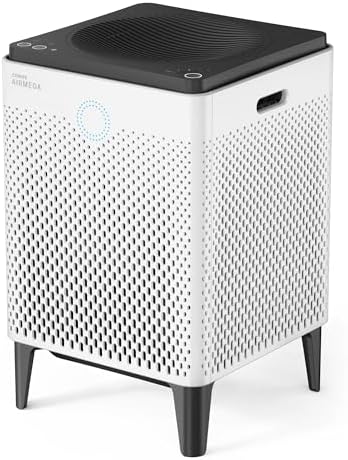
Air Purifiers With Reliable Power Management
These picks come from the Hostinger affiliate plugin. Specs change by model year, so confirm filter type, CADR, noise and replacement filter costs on the product page.





Power Supply
Check that the plug is firm in the outlet and test the outlet with another device. Avoid loose outlets and overloaded power strips.
Timers and Schedules
Many units have timers, sleep modes and app schedules that switch them off. Review and clear them.
Filter Cover and Safety Switches
Some units shut off if the filter cover is not fully closed. Reseat filters and close the cover firmly.
Overheating and Blocked Airflow
Clogged filters or blocked vents can cause overheating protection to switch the unit off. Let it cool, clear vents and replace filters. If it repeats, contact support.
Sensors, Firmware and Faults
Faulty sensors or boards can cause shutdowns. Restart the unit and update the app if relevant. Contact support if it continues.
Power Strips and Extension Cords
Plug directly into a wall outlet where possible.
Auto-Off and Eco Modes
Some modes turn the unit off when air is clean. Check the manual.
Wi-Fi and App Issues
Smart units may power down due to schedules or app commands.
Power Outages
Units may not restart after outages. Check settings.
Warranty
Contact support with a video and model number.
How to Choose
- Clear timer and schedule controls
- Good warranty and support
- Stable construction
- Safety certifications listed
Do
- Match the unit’s rated coverage to your room first
- Run it consistently, not only when the air feels bad
- Leave space around the unit for airflow
- Replace filters on the maker’s schedule
Don’t
- Do not buy on looks or price alone
- Do not block the intake or exhaust
- Do not skip filter changes
- Do not expect a purifier to fix every source of pollution
Honest Limits
- This guide uses manufacturer information and public guidance from the EPA and AHAM, not our own lab tests.
- Features and room ratings change between model years, so confirm on the listing before you buy.
- A purifier is not a medical device and does not replace medical advice or treatment.
Who Should Skip This
When to See a Professional
Frequently Asked Questions
Why does it turn off by itself?
Timers, covers, overheating or power.
Is it dangerous?
If hot or smelly, stop using it.
Can an outlet cause it?
Yes.
Who do I contact?
The manufacturer.
Bottom Line
Check the outlet, timers, filters and airflow. If the unit shuts off repeatedly, smells hot or has a damaged cord, stop using it and contact the manufacturer.
Related reading: sens,fan,bed
Sources: EPA, Guide to Air Cleaners in the Home; AHAM Verifide.