Last updated:
Disclosure: As an Amazon Associate we earn from qualifying purchases. This does not change what we recommend. See our affiliate disclaimer.
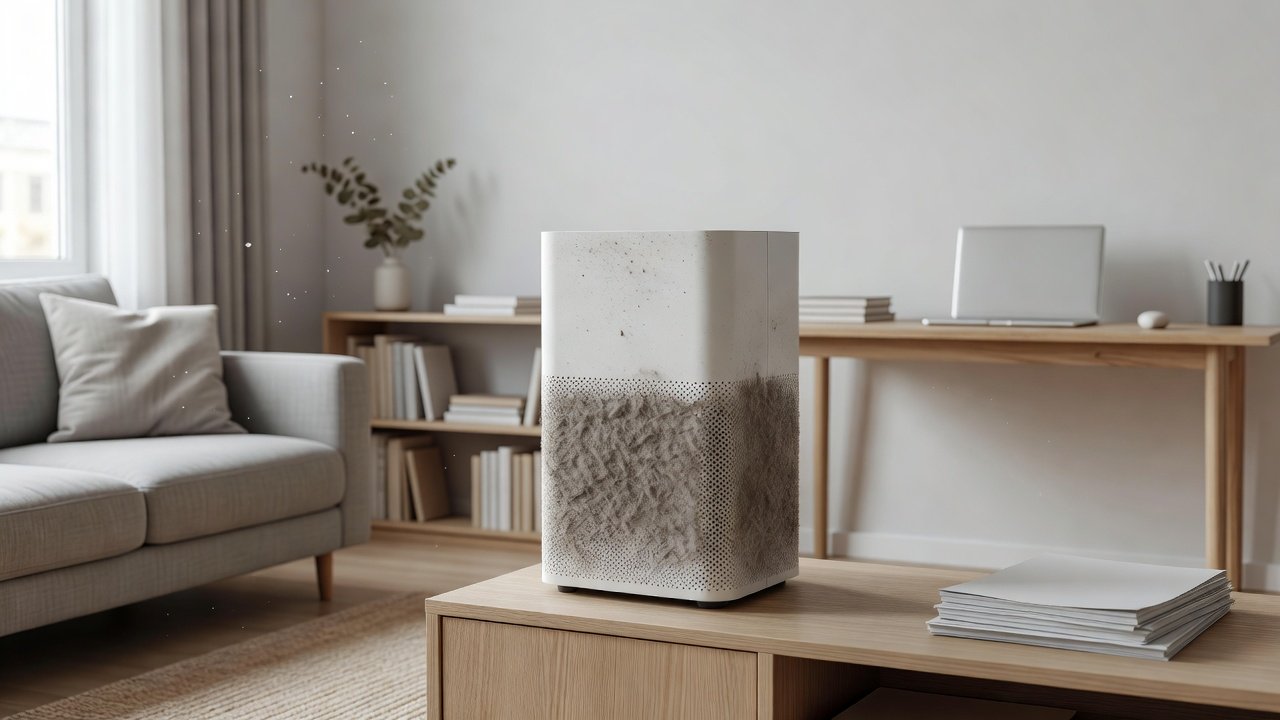
A pre-filter that clogs quickly is doing its job, which is catching hair, fibers and large dust before they reach the main filter. But if you need to clean it every few days, something is feeding it heavily. Common causes include pets, new or ongoing construction, carpets and fabrics, open windows near busy roads, dusty HVAC systems and placing the unit on the floor near a source of lint. Cleaning the pre-filter regularly and reducing sources keeps airflow strong and protects the main filter.
We have not tested these products ourselves, so follow your manual. Nothing here is medical advice. Never wash a HEPA or carbon filter unless the manual says it is washable.
Common causes
- Pets and shedding
- Construction or renovation dust
- Lint from fabrics and carpets
Fixes
- Clean on schedule
- Reduce sources
- Adjust placement
Key Takeaways
- A clogged pre-filter means it is working
- Clean it on a regular schedule
- Reduce hair, lint and construction dust
- Replace damaged filters
Setting a Cleaning Routine
Mark a day each month, or each week in dusty seasons, to check the pre-filter. Unplug the unit, remove the pre-filter and tap it gently over a trash can. Use a vacuum with a soft brush attachment to remove dust and hair. If the manual allows, rinse with lukewarm water, let it dry completely and reinstall. Never reinstall a wet filter. Wipe the intake and the inside of the unit with a dry cloth. Note the date so you can see how quickly it loads. If it clogs in less than a week, look for sources such as shedding pets, construction, open windows or lint. A simple routine keeps airflow strong and the main filter lasting longer.
How Pre-Filter Condition Affects the Rest of the Unit
A clogged pre-filter reduces airflow, which can make the unit louder and less effective and may strain the motor. Keeping it clean preserves performance and reduces filter replacement costs.
Choosing a Unit With a Better Pre-Filter
Look for washable, easy-to-remove pre-filters and a design that is easy to clean. Check replacement cost and availability.
Dust Management at Home
Use doormats, remove shoes, wash bedding and vacuum often. Seal gaps and keep windows closed on dusty days.
Allergy and Asthma Considerations
Heavy dust can aggravate symptoms. Clean regularly, use covers and talk to your clinician.
When to Call Support
If filters clog unusually fast or the unit loses airflow even after cleaning, contact support.
Tracking Replacement Dates
Record cleaning and replacement dates and set reminders.
What Else Could Be Overloading the Pre-Filter?
If your pre-filter loads quickly, look at the whole home. Pets that shed heavily, recently installed carpets, nearby construction, a dusty HVAC system, a fireplace, a workshop or a laundry room can all add particles. Open windows during dusty weather and activities such as sweeping with a broom can raise dust. Check the room’s sources, then adjust. Vacuum with a sealed HEPA vacuum, wash fabrics, seal gaps around doors and windows, change HVAC filters and keep the purifier away from the dustiest areas. If the pre-filter still clogs fast, consider moving the unit to a cleaner spot, using it on a lower speed or checking whether the unit is oversized for the space.
Using Pre-Filter Covers and Accessories
Some people use extra pre-filter covers or fabric to catch hair. Check the manual and manufacturer support first, because blocking airflow can harm performance. Use only approved accessories.
Seasonal Dust Peaks
Spring pollen, summer dust and fall leaves can load pre-filters. Increase checks in these seasons and replace filters if airflow drops.
When to Replace the Pre-Filter or the Whole Filter Set
If cleaning does not restore airflow, if the pre-filter is torn or misshapen or if it smells musty, replace it with the correct part. If the main filter looks dark or loaded, replace it on schedule. Keep spare parts so you can swap quickly. Buy from the manufacturer or approved suppliers to ensure fit and performance. Record replacement dates and compare them with your cleaning notes to see how your home’s conditions affect filter life. If replacements are frequent and costly, look for sources of dust in the home and ask support whether a different model might suit your conditions better.
Preventing Clogs in Homes With Heavy Shedding
Brush pets daily during shedding seasons, wash pet bedding frequently and vacuum furniture. Consider a unit with a large, easy-to-clean pre-filter and run it on moderate speeds.
What Fast Pre-Filter Loading Tells You
A pre-filter that clogs within days is doing its job in a room with a strong source of hair, lint, or large dust: pets, a litter box, textiles, renovation, or an open window. It is also protecting the HEPA, which would otherwise load just as fast. Rather than fighting the pre-filter, find the source and clean the pre-filter more often while you address it.
A pre-filter is the cheapest filter to clean; let it take the load.
Reducing the Load
- Brush pets outdoors and wash their bedding
- Move the unit a few metres from litter boxes and pet beds
- Vacuum with a sealed HEPA vacuum and damp-dust
- Keep windows closed on windy and high-pollen days
- Wash the pre-filter weekly during heavy periods, fully drying it before reinstalling
- Keep a second pre-filter so one can dry while the other works
If the source cannot be removed, a larger unit on low loads its pre-filter more slowly than a small unit on high.
Air Purifiers With Washable Pre-Filters
If troubleshooting does not solve the problem, you may prefer to replace the unit. These picks come from the Hostinger affiliate plugin. Specs change by model year, so confirm filter type, CADR, noise and replacement filter costs on the product page.






What a Pre-Filter Does
The pre-filter catches larger particles such as hair, fibers and dust. This protects the HEPA filter and keeps the unit running efficiently. Many pre-filters are washable or can be vacuumed.
Why It Clogs Fast
Pet hair, lint from laundry or carpets, construction dust and open windows can load the pre-filter quickly. Running the unit on high speeds draws more air and debris.
Cleaning It Properly
Follow the manual: vacuum with a soft brush or rinse if allowed, let it dry completely and reinstall. Do not use harsh cleaners. Replace if damaged.
Reduce the Source
Groom pets, vacuum with a sealed HEPA vacuum, wash bedding, damp-dust, keep windows closed during dusty periods and ask contractors about dust control.
Placement Matters
Place the unit away from lint sources such as dryers, carpets with heavy shedding and pet beds. Keep clearance from walls.
Pets and Shedding Seasons
Spring and fall shedding can load filters quickly. Increase grooming and check filters more often.
Construction and Renovation
Dust from sanding and demolition clogs filters fast. Use dust barriers, run the unit on a clean pre-filter and replace filters after the work.
Laundry and Lint
Lint from dryers and clothing can load filters. Keep the unit away from laundry areas and clean lint traps.
Smoke, Cooking and Grease
Greasy particles can coat the pre-filter. Use the range hood and clean the filter carefully if allowed.
Replacement Pre-Filters
If your pre-filter is damaged, order the correct part. Check compatibility and keep spares.
How to Choose
- Washable pre-filter
- Easy filter access
- True HEPA filtration
- Affordable replacements
Do
- Match the unit’s rated coverage to your room first
- Run it consistently, not only when the air feels bad
- Leave space around the unit for airflow
- Replace filters on the maker’s schedule
Don’t
- Do not buy on looks or price alone
- Do not block the intake or exhaust
- Do not skip filter changes
- Do not expect a purifier to fix every source of pollution
Honest Limits
- This guide uses manufacturer information and public guidance from the EPA and AHAM, not our own lab tests.
- Features and room ratings change between model years, so confirm on the listing before you buy.
- A purifier is not a medical device and does not replace medical advice or treatment.
Who Should Skip This
When to See a Professional
Frequently Asked Questions
How often should I clean it?
Monthly, or more often in dusty homes.
Can I wash it?
Only if the manual says so.
Why does it clog so fast?
Pets, lint or construction dust.
Should I replace it?
If damaged or still clogged after cleaning.
Bottom Line
If a pre-filter clogs quickly, clean it on a schedule, reduce dust and hair sources and adjust placement. Replace the pre-filter or main filter if airflow stays low and follow your manual.
Related reading: sens,fan,bed
Sources: EPA, Guide to Air Cleaners in the Home; AHAM Verifide.