Last updated:
Disclosure: As an Amazon Associate we earn from qualifying purchases. This does not change what we recommend. See our affiliate disclaimer.
When an air purifier powers on but the fan does not spin, the cause is often simple: a loose plug, a safety switch triggered by a missing or misplaced filter or cover, an obstruction near the fan, a locked or sleep mode, a tripped thermal protection or a failed motor or control board. Unplug the unit, check the outlet and cord, reseat filters and covers, clear obstructions and try manual speeds. If the fan still does not move, or you smell burning, stop using the unit and contact the manufacturer.
We have not tested these products ourselves, so follow your manual. Nothing here is medical advice.
Check first
- Outlet, plug and cord
- Filter and cover seating
- Obstructions and mode settings
Likely fault if
- No response to any speed
- Burning smell or heat
- Grinding or buzzing without spin
Key Takeaways
- Check power and controls
- Reseat filters and covers
- Clear obstructions
- Contact support for suspected motor faults
A Step-by-Step Fan Check
Unplug the unit and wait a minute. Inspect the cord and plug. Plug into a working outlet and press the power button. Select the lowest speed and listen for sound. Open the unit and check filter and cover seating. Remove filters and look at the fan area for hair or debris. Vacuum the intake. Reinstall everything and test again. Try each speed and mode. If the display works but the fan does not respond, note any beeps or error codes. Contact support with the model and a short video. Do not use tools inside the unit. Keep records of what you tried to help support diagnose the issue quickly.
Error Codes and Indicators
Some units flash codes when something is wrong. Check the manual to see what the codes mean and follow the steps.
Dust and Pet Hair Around Fans
Hair can wrap around fans in pet homes. Clean the intake and pre-filter and schedule regular cleaning.
Power Surges and Resets
After a power surge, reset the unit. If it does not respond, contact support.
Using the Unit Safely
Do not run a unit with a stuck fan, since the motor may overheat.
Replacement Considerations
If the unit is old or repairs are not available, consider replacement. Compare warranty and support.
Maintenance
Clean filters, vacuum around the unit and avoid blocking vents.
Why Fans Stop: Motors, Capacitors and Control Boards in Plain Language
The fan is driven by a small motor that needs power and a control signal. If power does not reach the motor, if the control board does not send the signal or if a part such as a capacitor fails, the fan will not spin even though lights come on. A mechanical jam from hair, dust or an object can also stop it. Thermal protection can cut power when parts overheat. Because internal parts are not user-serviceable and can be dangerous, the safe approach is to check the simple external causes and then rely on the manufacturer for repair or replacement. Document the symptoms, such as whether the display works and whether there are sounds, so support can advise quickly.
Dust, Hair and Pet Homes
In pet homes, hair can wrap around the fan or clog the intake. Clean the pre-filter and intake often and vacuum around the unit. If you can see hair near the fan through the grille, unplug the unit and carefully remove it with tweezers if the manual allows. Do not insert tools if you are unsure.
Storing and Moving the Unit
A unit that has been stored in a damp or dusty place or moved roughly may have issues. Store it in a dry place, in its packaging, and check the filters and fan area before use. Place it on a level surface.
Warranty Steps and What to Expect
Check the warranty period and conditions. Keep your receipt. Support may ask for photos, videos or serial numbers. They may offer repair, replacement or a refund. Ask about shipping and timelines.
Quick Checklist for a Silent Fan
Check the outlet and cord, reseat filters and cover, clear debris around the intake, switch modes, unplug for a minute, test each speed, look for error indicators, avoid opening the unit and contact support with notes and a video if the fan still does not spin. Replace the unit if it is old and repairs are unavailable. Keep filters and room clean so the fan stays free and quiet. A short checklist prevents unnecessary replacement and keeps you safe.
Choosing a Reliable Replacement
Look for strong warranty terms, accessible support, positive reviews for durability and clear documentation. Consider spare parts availability and filter costs.
Safe Checks
- Unplug the unit and confirm the filter door is latched; interlocks stop the fan
- Release the child lock and exit any timer or standby mode
- Remove the filters and look at the fan with a torch for hair, debris, or a filter touching the blades
- Spin the fan gently by hand; it should turn freely
- Plug in and listen: a hum with no rotation means a stuck fan or failing motor
Do not open the motor housing.
Interpreting What You Find
A fan that spins freely by hand and starts after clearing debris was obstructed. A fan that spins freely but only hums when powered has a motor or capacitor fault. A fan that is stiff or gritty by hand has a failing bearing. Any burning smell means stop. The first case is a user fix; the others are the manufacturer’s.
Repair or Replace
Under warranty, contact the manufacturer. Out of warranty, a motor replacement means opening the unit and handling mains wiring, and parts are not always available; for most units a replacement is the better value. Retire the old unit through electrical waste collection and keep any good filters.
Replacement Air Purifier Options
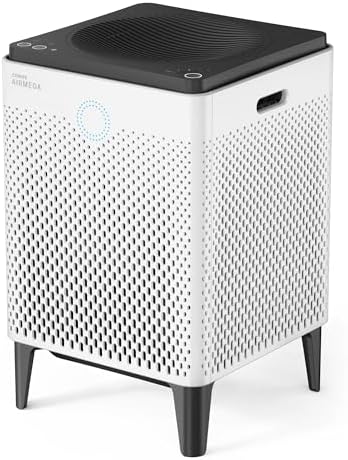
If troubleshooting does not solve the problem, you may prefer to replace the unit. These picks come from the Hostinger affiliate plugin. Specs change by model year, so confirm filter type, CADR, noise and replacement filter costs on the product page.





Power and Controls
Confirm the unit has power, the display lights up and the speed is set. Try another outlet and the unit’s buttons as well as the remote.
Safety Switches
Many units stop the fan if the filter or cover is not seated. Reseat everything and close the cover firmly.
Obstructions
Check for debris, hair or objects near the fan. Unplug and look carefully without inserting tools. Remove obstructions gently.
Modes and Child Locks
Child lock, sleep mode or timer settings can prevent changes. Check the manual and reset to defaults.
Thermal Protection and Faults
Overheating can stop the fan. Let the unit cool and clear airflow. If the fan still does not spin, there may be a motor or board fault. Contact support.
Dust and Debris
Dust buildup can jam fans. Clean the intake and area around the unit.
Voltage and Power Quality
Unstable power can affect motors. Try a different circuit.
Remote and App Problems
Replace batteries and re-pair apps. Use manual controls to test.
Old Units
Older motors wear out. Check warranty and replacement options.
Safety
Do not open the unit. Unplug if you notice heat or burning smell.
How to Choose
- Good warranty and support
- Easy filter access
- Clear manual
- Reliable motor
Do
- Match the unit’s rated coverage to your room first
- Run it consistently, not only when the air feels bad
- Leave space around the unit for airflow
- Replace filters on the maker’s schedule
Don’t
- Do not buy on looks or price alone
- Do not block the intake or exhaust
- Do not skip filter changes
- Do not expect a purifier to fix every source of pollution
Honest Limits
- This guide uses manufacturer information and public guidance from the EPA and AHAM, not our own lab tests.
- Features and room ratings change between model years, so confirm on the listing before you buy.
- A purifier is not a medical device and does not replace medical advice or treatment.
Who Should Skip This
When to See a Professional
Frequently Asked Questions
Why is the display on but no air moves?
A safety switch, obstruction or fan fault.
Can a filter stop the fan?
If misplaced, yes.
Is it safe to open it?
No.
What if it smells hot?
Stop and contact support.
Bottom Line
If the fan does not spin, check power, filter and cover seating, obstructions and modes, then let the unit cool. Stop using it if you smell burning and contact support if the fan still will not move.
Related reading: sens,fan,bed
Sources: EPA, Guide to Air Cleaners in the Home; AHAM Verifide.