Last updated:
Disclosure: As an Amazon Associate we earn from qualifying purchases. This does not change what we recommend. See our affiliate disclaimer.
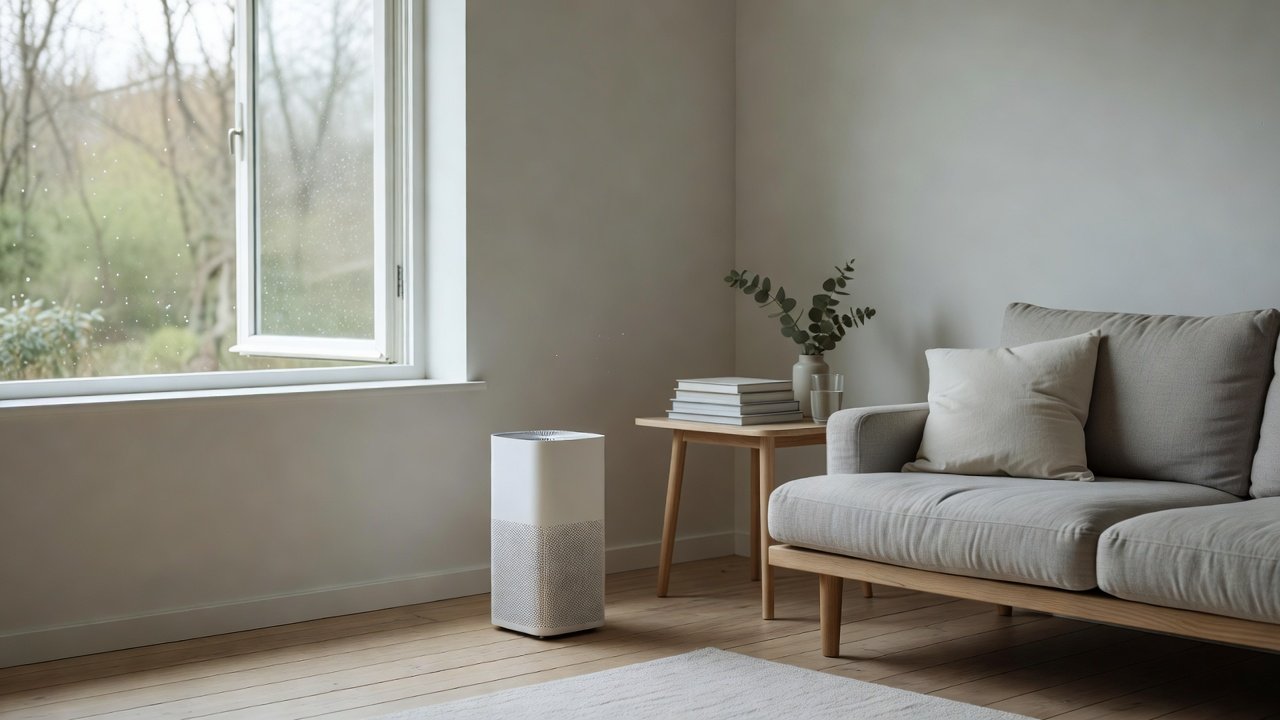
An air purifier still works with the windows open, but it works less effectively because outdoor air keeps bringing in new particles and diluting the room’s air before the unit can clean it. If outdoor air is clean and you want fresh air, open windows briefly or use cross-ventilation. If the air outside is smoky, pollen-heavy or polluted, close the windows and let the purifier handle the indoor air. The best approach is to switch between airing and filtering based on conditions.
We have not tested these products ourselves. Nothing here is medical advice. If you have asthma or allergies, check local air quality and pollen forecasts and follow your clinician’s advice.
Open windows when
- Outdoor air is clean
- Pollen is low
- You are cooking or cleaning with fumes
Close windows when
- Smoke or smog is high
- Pollen counts are high
- You want the purifier to work well
Key Takeaways
- Open windows when outdoor air is clean
- Close them during smoke, pollen or smog
- Purifiers are less effective with windows open
- Switch between airing and filtering
How Much Does an Open Window Reduce Purifier Performance?
The effect depends on the size of the opening, wind, the difference in temperature and how polluted the outdoor air is. A cracked window may have a modest effect, while a wide-open window with a breeze can overwhelm a small unit. Monitor readings show the impact: if indoor PM2.5 tracks outdoor PM2.5 while the window is open, the purifier is mostly fighting incoming air. Close the window, and you should see the reading fall faster. Use this simple test to decide how much airing you can afford while still keeping particles low.
Screens, Filters and Window Fans
Window screens stop insects, not fine particles. Some window fans or filters use filter media to capture pollen, but they vary. If you use a window fan, point it outward to exhaust stale air while closed windows elsewhere limit incoming outdoor air, or use it with caution during pollen season.
Sleeping With Windows Open
Some people prefer cool air at night. If outdoor air is clean and quiet, a slightly open window can help CO2 and temperature, but a purifier will not work as well. In high-pollen or smoky conditions, close the window and run the purifier.
Humidity and Windows
In humid weather, open windows can raise indoor humidity and encourage mold. Use air conditioning or dehumidifiers and keep windows closed during humid periods.
Apartments and Urban Areas
Street-facing windows bring traffic particles. Use rear-facing windows if possible and ventilate at low traffic times. Keep a purifier running in the bedroom.
Making a Plan You Can Stick To
Choose a routine: air out twice a day for a few minutes when conditions are good, close windows in poor conditions, keep the purifier running in occupied rooms and track what you notice. Adjust seasonally.
Cross-Ventilation Done Right
Open windows on opposite sides of the home or room to create a through-flow, and open them wide for a few minutes instead of a crack for hours. Doors inside should be open to let air pass. Close the windows afterwards and let the purifier clean any particles that came in. This approach clears odors and CO2 quickly while limiting the time outdoor pollutants have to enter. Avoid cross-ventilation during peak pollen hours, smoky days or heavy traffic.
Using Air Conditioning and Fans Instead
Air conditioning in recirculate mode with a clean filter lets you keep windows closed in hot or polluted conditions. Ceiling fans and portable fans help comfort without bringing in outdoor air. If you need fresh air for CO2 or odors, use brief airing or mechanical ventilation. Combine with the purifier for particle control.
Pollen and Window Screens
Window screens keep out insects but pollen passes through. Some fine-mesh pollen screens reduce pollen but also reduce airflow. Keep windows closed on high-pollen days and use filtration. Wash bedding and curtains in pollen season.
Wildfire Smoke and Window Decisions
If smoke is present, keep windows closed and seal gaps with weatherstripping or tape for temporary relief. Run the purifier on a higher speed and set the AC to recirculate. When smoke clears, air out thoroughly to remove lingering smoke, then replace filters.
Final Word
Open windows bring fresh air and pollen in equal measure. Air the home when outdoor counts are low, usually after rain or in the evening, close up during peak hours, and run a true HEPA unit on medium after airing to clear what came in, then on low. Keep outdoor clothes and pets out of bedrooms.
Air Purifiers for Homes That Air Out Often
These picks come from the Hostinger affiliate plugin. Specs change by model year, so confirm filter type, CADR, noise and replacement filter costs on the product page before you buy.






What Happens When Windows Are Open
Open windows increase air exchange. That dilutes indoor-generated pollutants such as cooking fumes and CO2, but it also admits pollen, smoke, traffic exhaust and dust. A purifier cleans the air that passes through it, but new particles keep arriving, so measured improvement is smaller.
When Airing Is the Better Choice
For gases, odors, moisture and CO2, fresh air is more effective than a purifier. Open windows briefly on days with clean outdoor air, particularly after cooking, cleaning or using products with fumes. Cross-ventilation clears rooms quickly.
When to Keep Windows Closed
During wildfire smoke, high pollen, smog or heavy traffic, closed windows with a running purifier give cleaner air. Use air conditioning in recirculate mode where available. Check local air quality indexes.
A Simple Switching Strategy
Air out in the early morning or evening when pollen and traffic are lower and outdoor air is clean, then close up and run the purifier on a higher speed for a while. Repeat as needed. A monitor can help you see the effect.
Placement and Sizing When You Do Open Windows
If you must keep windows open, place the purifier near where you sit or sleep, away from the incoming air path, and choose a unit with a higher CADR. Do not expect the same results as in a closed room.
Pollen Season Strategy
Check pollen forecasts, keep windows closed on high-pollen days and during morning peaks, shower after outdoor time and wash bedding often. Run the purifier in the bedroom. Air out in low-pollen periods such as after rain.
Wildfire and Smog Days
Keep windows closed, set the AC to recirculate, run the purifier on a higher speed and consider a clean room. Check local alerts and follow health guidance.
Hot Weather and Energy
In heat, open windows at night when it is cooler and clean, then close in the morning. Use fans and shading. Run the purifier when windows are closed.
Noise, Security and Practicalities
If noise or security keeps windows shut, use exhaust fans, mechanical ventilation or brief airing. A purifier helps with particles but not CO2 or odors.
Using Monitors to Decide
A PM2.5 monitor and CO2 monitor show whether opening a window helps or hurts. If PM2.5 rises when you open the window, close it. If CO2 falls, airing helps.
How to Choose
- True HEPA filtration
- High CADR for the room
- Quiet speeds
- Carbon for odors
Do
- Match the unit’s rated coverage to your room first
- Run it consistently, not only when the air feels bad
- Leave space around the unit for airflow
- Replace filters on the maker’s schedule
Don’t
- Do not buy on looks or price alone
- Do not block the intake or exhaust
- Do not skip filter changes
- Do not expect a purifier to fix every source of pollution
Honest Limits
- This guide uses manufacturer information and public guidance from the EPA and AHAM, not our own lab tests.
- Features and room ratings change between model years, so confirm on the listing before you buy.
- A purifier is not a medical device and does not replace medical advice or treatment.
Who Should Skip This
When to See a Professional
Frequently Asked Questions
Can I run a purifier with windows open?
Yes, but it will be less effective.
When should I open windows?
When outdoor air is clean and pollen is low.
Do purifiers remove CO2?
No; fresh air does.
Should I close windows in pollen season?
On high-pollen days, yes.
Bottom Line
An air purifier works with windows open but less effectively because new particles keep entering. Open windows briefly when outdoor air is clean to clear gases, odors and CO2, and close them during smoke, pollen or smog so the purifier can do its job. Switching between airing and filtering suits most homes.
Related reading: sens,fan,bed
Sources: EPA, Guide to Air Cleaners in the Home; AHAM Verifide.