Can Air Purifiers Remove Viruses From Indoor Air?
HEPA air purifiers can capture airborne particles in the size range that carry viruses, but they do not guarantee protection. See what the science says and how to use them wisely.
HEPA air purifiers can capture airborne particles in the size range that carry viruses, but they do not guarantee protection. See what the science says and how to use them wisely.
Dust mites thrive in warm, humid bedding and upholstery. Learn how to reduce them with hot washing, covers, humidity control, vacuuming and filtration.
HEPA filters capture particles such as dust, pollen and smoke particles. Activated carbon adsorbs some odors and gases. Learn the difference and when you need both.
Air purifiers do not remove carbon dioxide. CO2 builds up from breathing in poorly ventilated rooms, and fresh air is what lowers it. Learn how to manage CO2 at home.
Should you run an air purifier all day? Learn when continuous running makes sense, how auto mode and timers work, what it costs in electricity and when to turn it off.
Cleaning can lower dust, allergens and mold, but the wrong methods stir up particles or add chemicals. See which cleaning habits improve indoor air and which to avoid.
Air purifiers pull room air through filters that trap particles and, with carbon, some odors. Learn how they work, the benefits, the limits and how to get the most from one.
A well-maintained HVAC system filters, ventilates and dehumidifies better. Learn about filter changes, coil and drain care, duct sealing, annual service and what to do yourself.
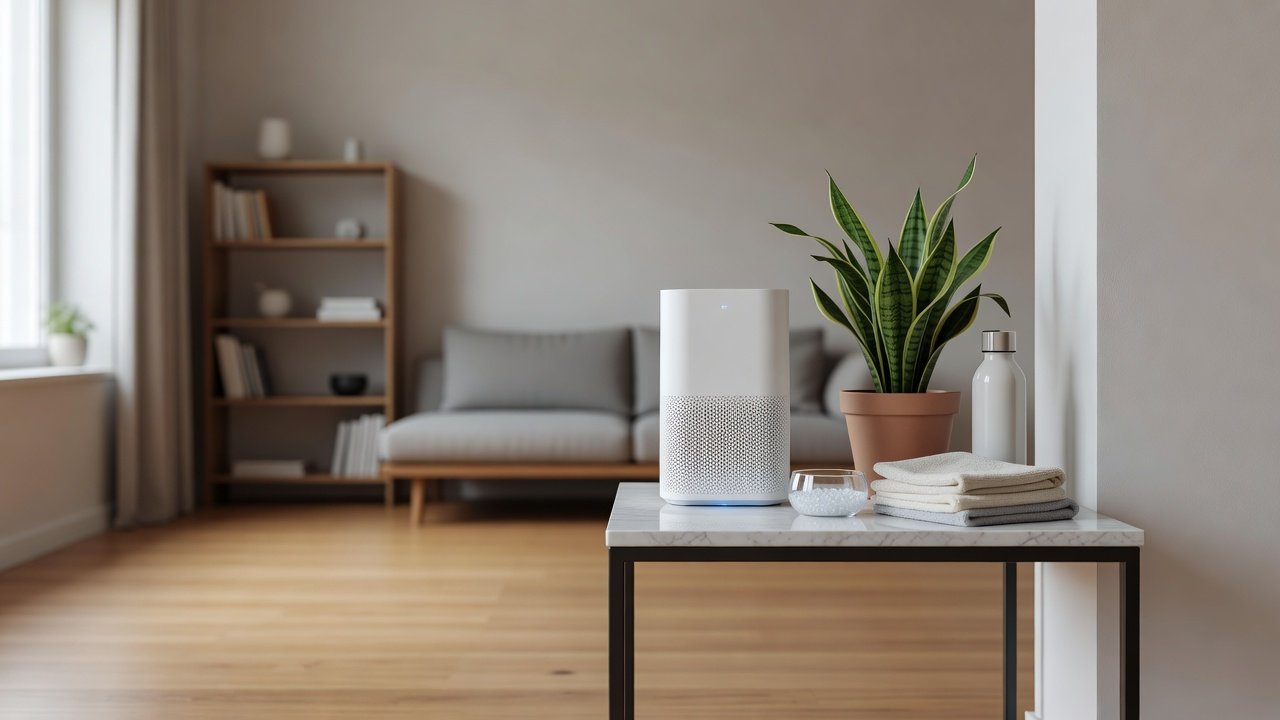
Water damage can lead to mold and musty air within days. Learn how to dry quickly, what to discard, when to call a professional and how filtration fits after a leak or flood.

People with chemical sensitivities often react to fragrance, VOCs and fumes. Learn which features matter in a purifier, what to avoid and the home steps that help most.
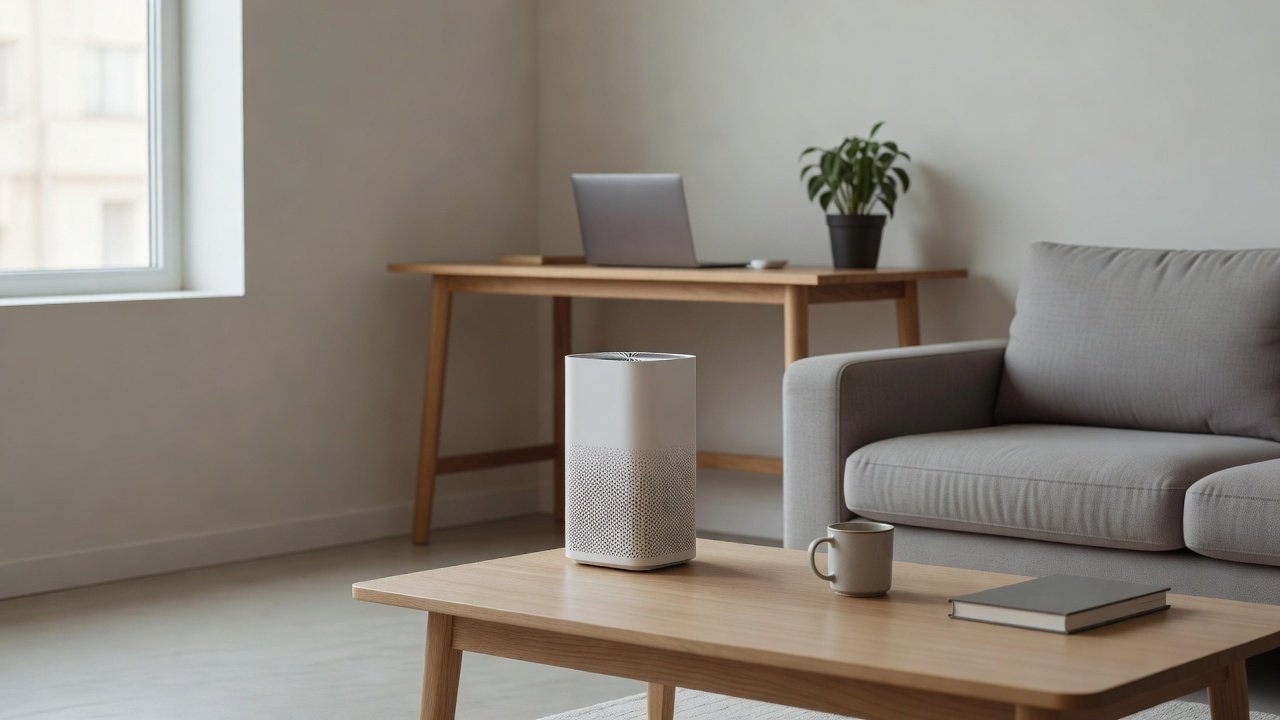
True HEPA air purifiers can remove PM2.5 from indoor air when sized for the room and run steadily. Learn what PM2.5 is, where it comes from and how to lower it at home.
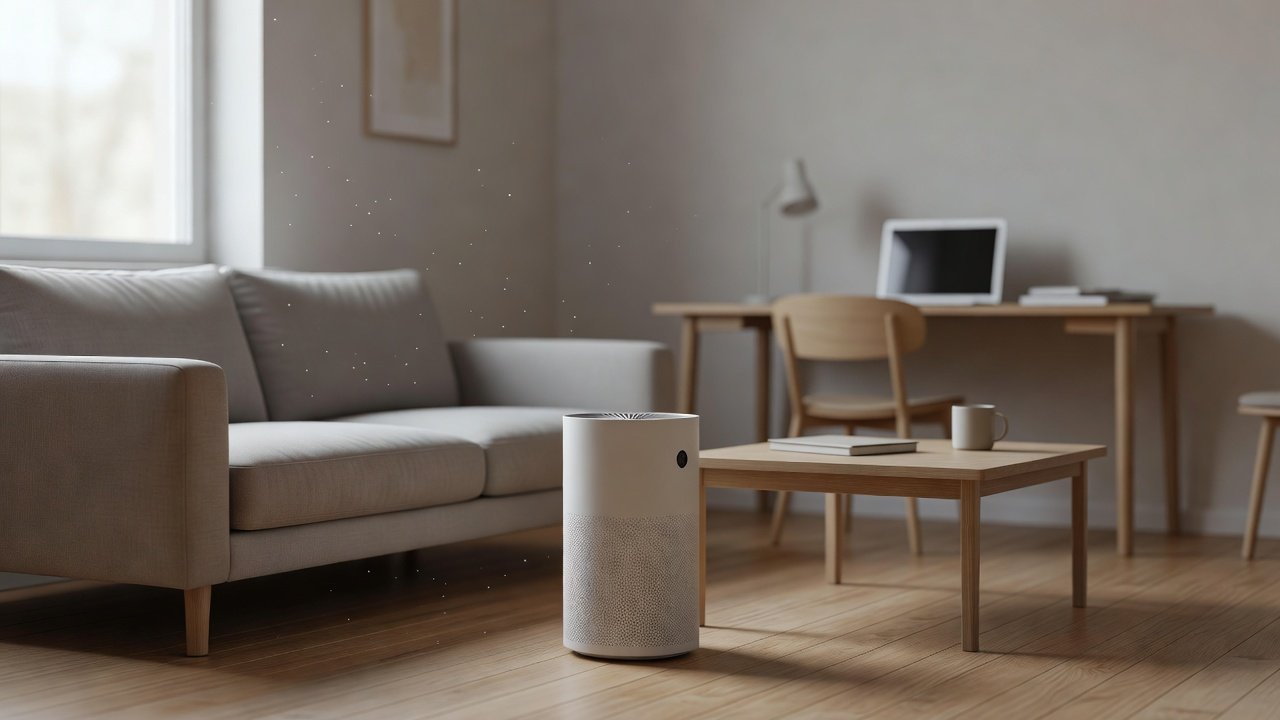
Poor ventilation, fumes, fragrances, mold and carbon monoxide can contribute to headaches indoors. Learn the possible triggers, safety warnings and practical fixes.

Hardwood floors hold less dust and allergens than carpet, but finishes, sanding and moisture matter. Learn how to clean, choose low-emission finishes and control humidity.
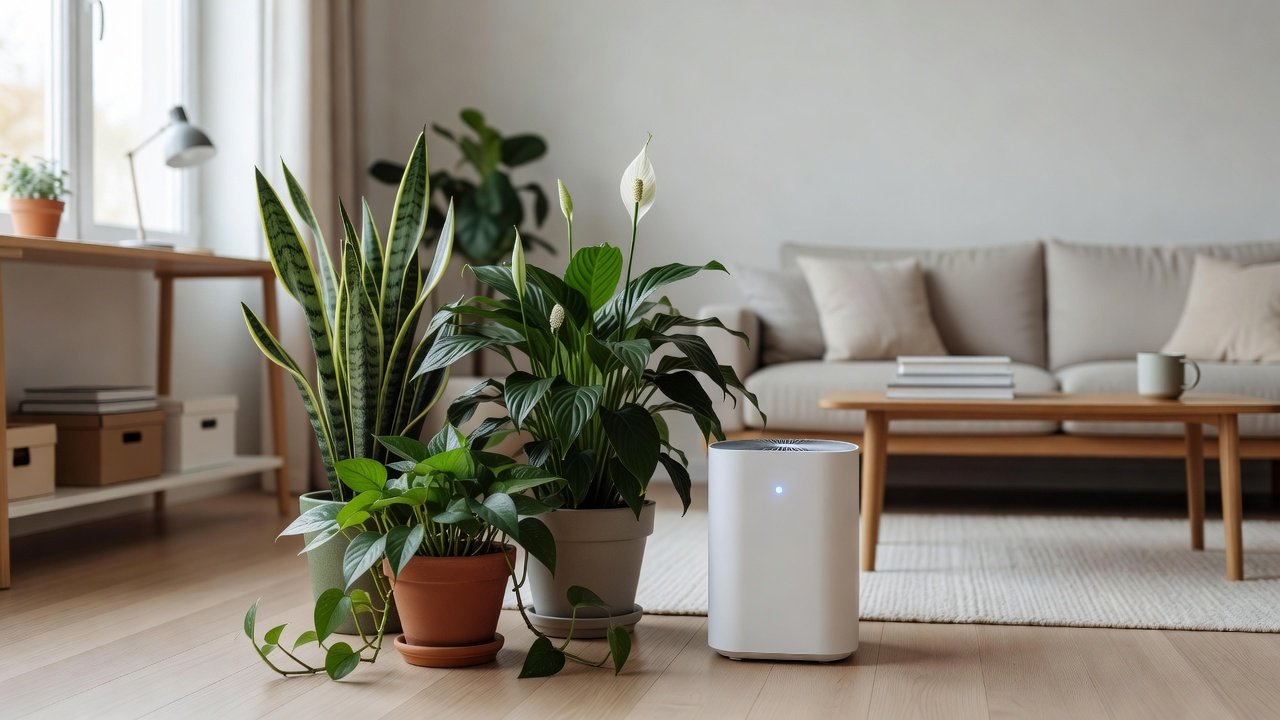
Houseplants are pleasant, but evidence suggests you would need far more plants than any home holds to noticeably clean indoor air. See what research says and what works better.
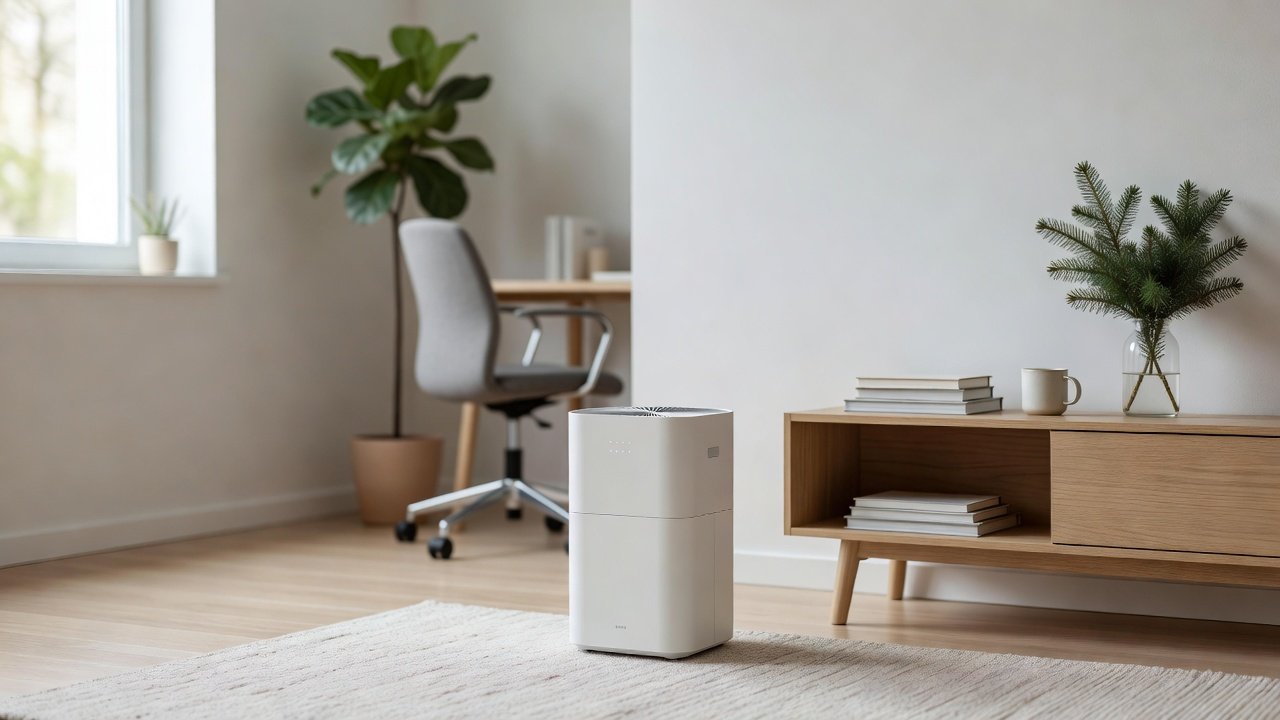
Holiday cooking, candles, fireplaces, real trees, decorations and guests change indoor air. See what a HEPA and carbon purifier can help with and simple ways to keep air fresh.

Candles and incense release fine particles, soot and VOCs. Learn which cause the most pollution, how to reduce exposure and where a HEPA and carbon purifier helps.
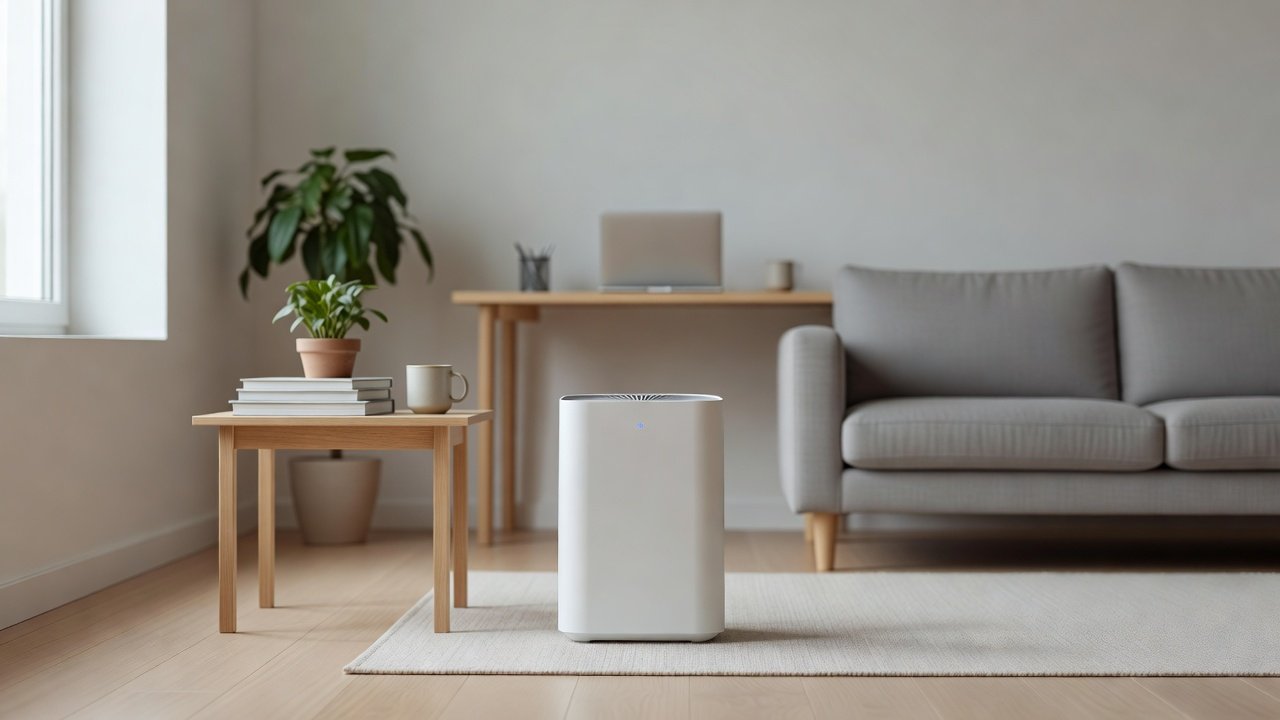
Home air quality testing ranges from low-cost radon kits and monitors to professional inspections. Learn what affects the price, what each test measures and how to get quotes.

Indoor and outdoor air pollution have different sources, pollutants and fixes. Learn how they interact, why indoor air can be worse, and how to reduce both.
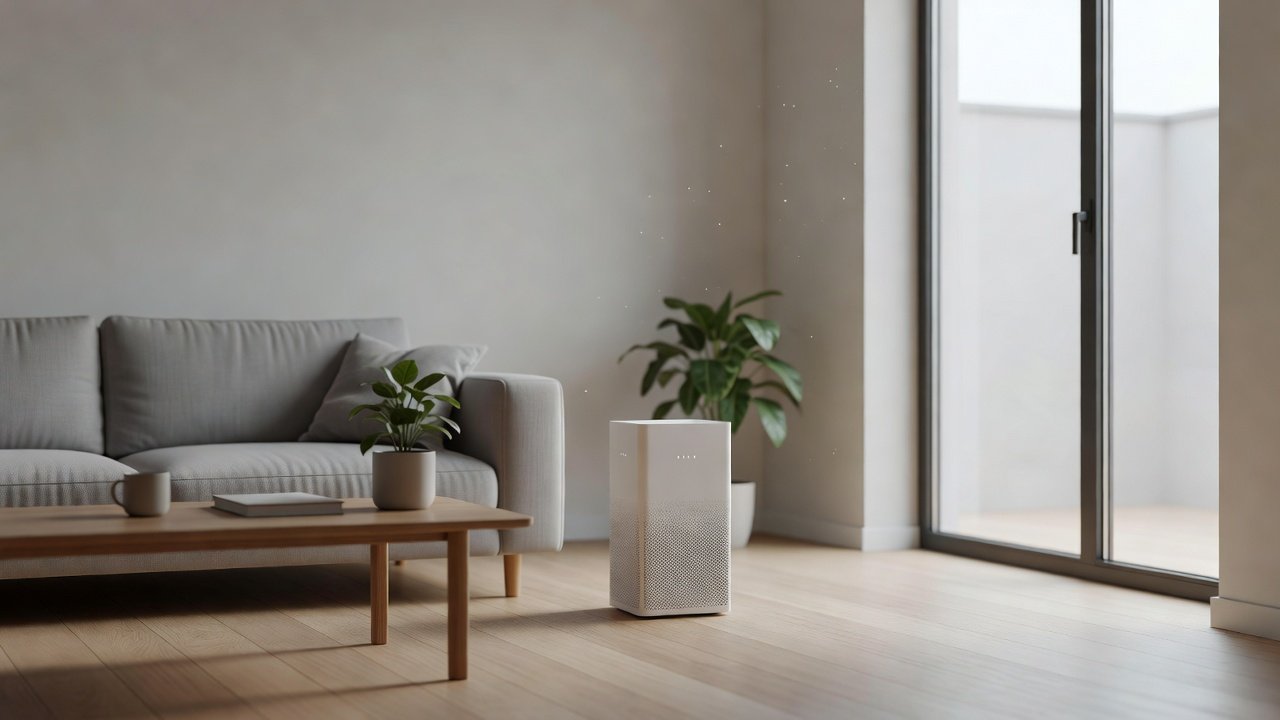
Learn the warning signs of poor indoor air quality, such as musty odors, condensation, dust and stuffiness, plus simple tests and when to call a professional. Not medical advice.
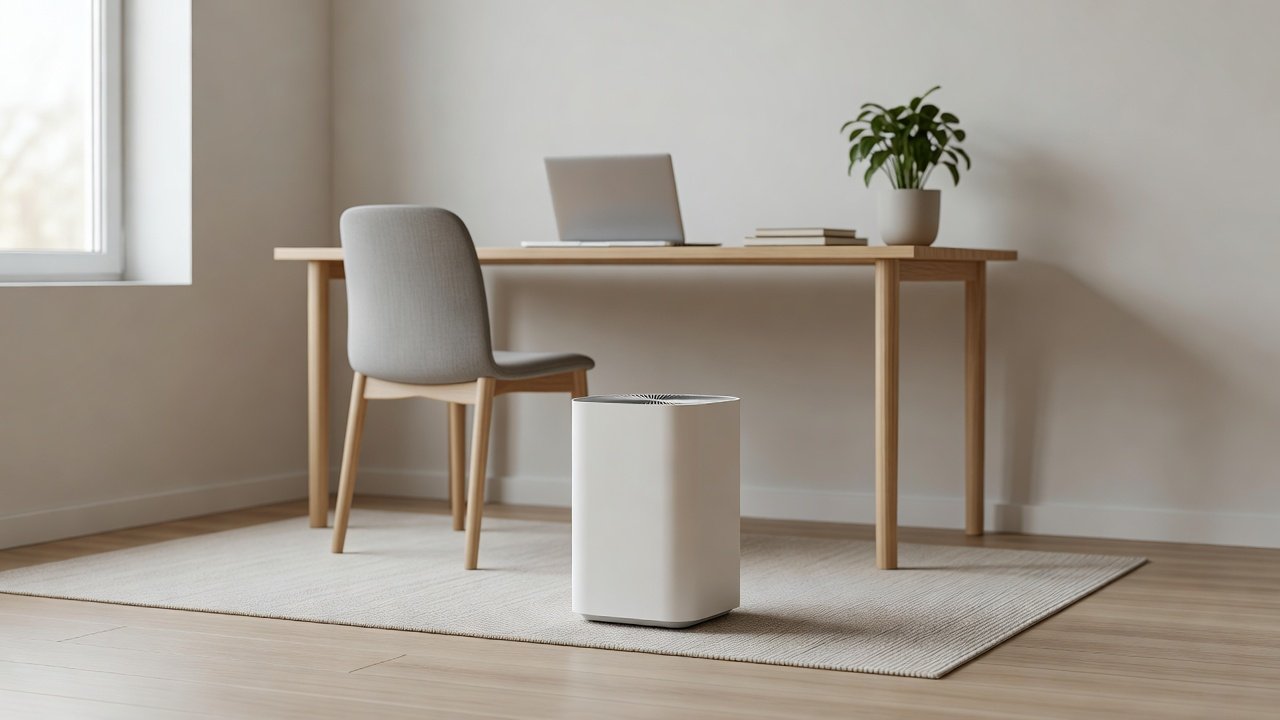
Practical guidelines for office indoor air quality: ventilation, HVAC maintenance, smoking policy, cleaning products, equipment placement, moisture control and how purifiers fit in.
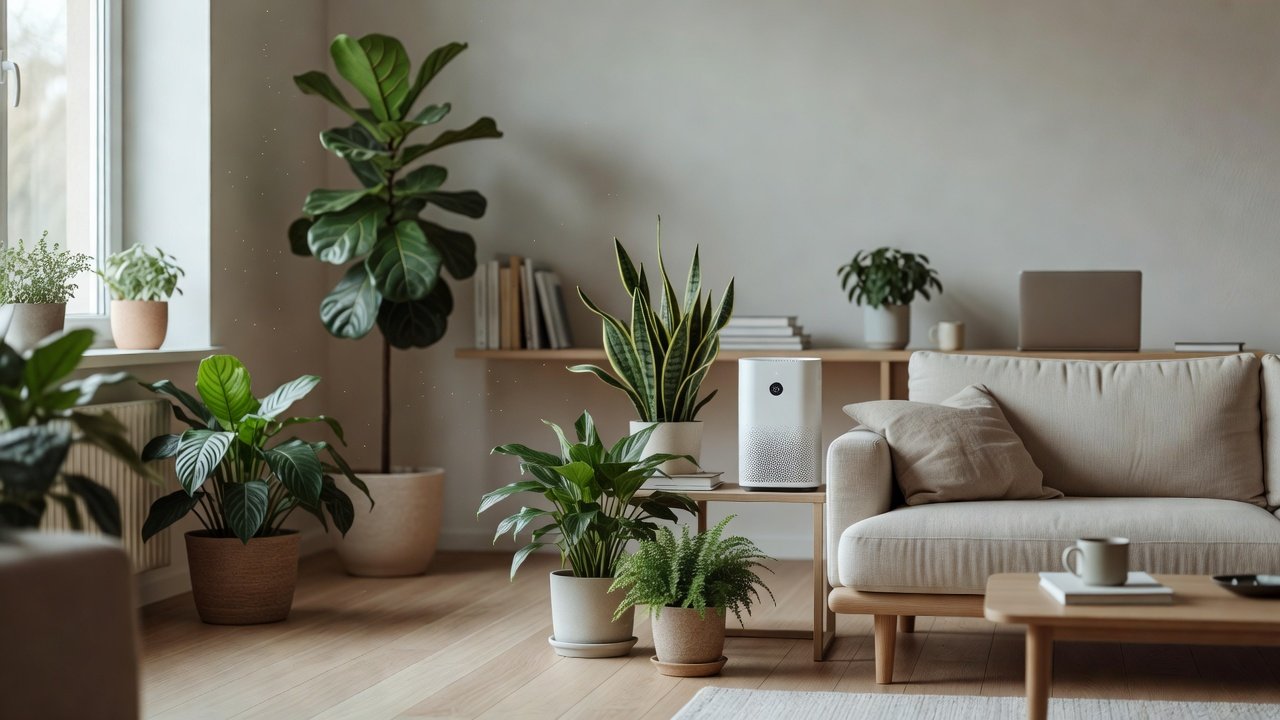
Houseplants are pleasant, but research suggests their effect on indoor air pollutants in real homes is small. Learn what studies found, risks like extra moisture, and more effective steps.
Poor indoor air can irritate eyes, nose and throat and worsen allergies and asthma. Learn possible causes, the difference between irritation and illness, and when to seek medical help.
There is no single home air quality number, but several indicators help: humidity, carbon dioxide as a ventilation guide, particle levels, radon testing and carbon monoxide alarms. Learn what to check.
Wildfire smoke can enter homes. Keep windows closed, run a true HEPA purifier, use HVAC recirculation and a good filter, and set up a clean room. Practical steps. Not medical advice.
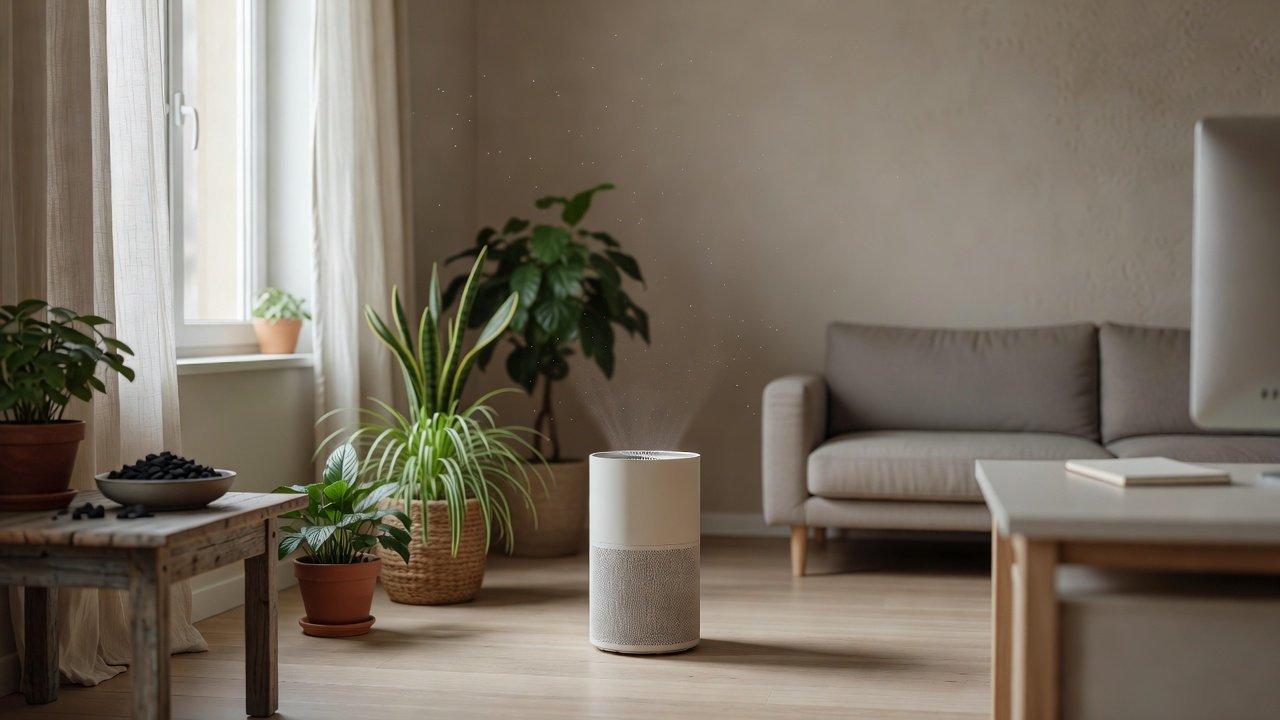
Improve indoor air quality on a budget: ventilate, control moisture, clean smartly, replace filters, stop indoor smoking and add a purifier only when needed. Practical low-cost steps.
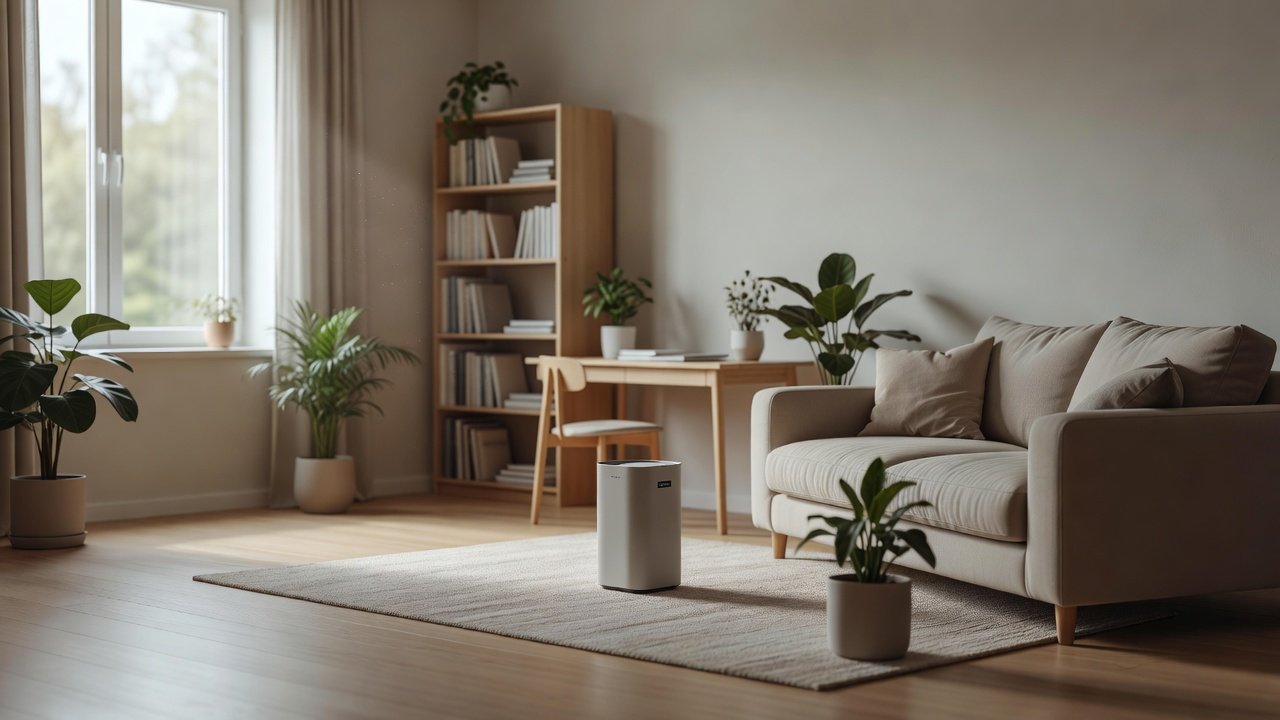
Indoor air quality is shaped by pollution sources, ventilation, humidity and temperature, outdoor air and maintenance. Learn how each factor works and what you can change.