Last updated:
Disclosure: As an Amazon Associate we earn from qualifying purchases. This does not change what we recommend. See our affiliate disclaimer.
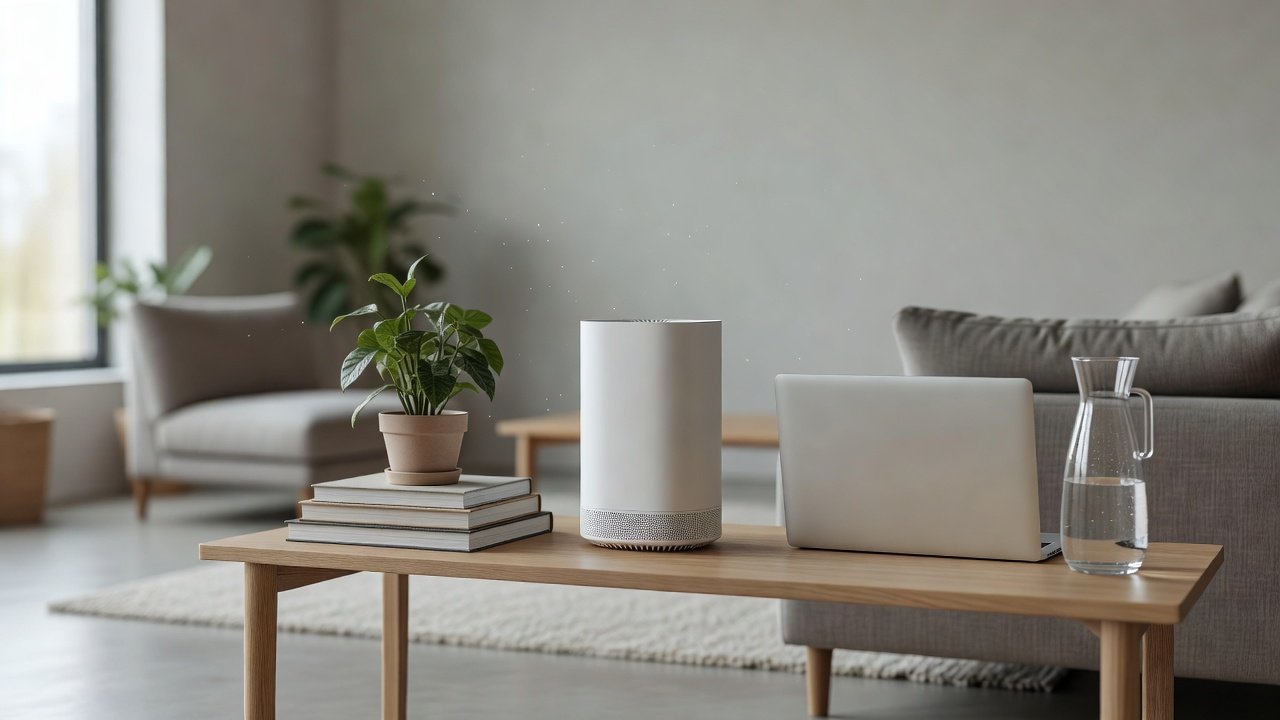
An air purifier improves indoor air quality by drawing room air through a filter and releasing cleaner air back into the room. A true HEPA filter traps fine particles such as dust, pollen, pet dander, mold spores and smoke particles, and an activated carbon filter can reduce some odors and gases. The result is lower concentrations of airborne particles, which can make a room more comfortable, particularly for people with allergies or sensitivity to smoke and dust. A purifier is one tool among several, and it works best with source control, cleaning and ventilation.
We have not tested these products ourselves, so check manufacturer specifications. Nothing here is medical advice. Avoid ozone-producing devices, which the EPA advises against.
What purifiers do well
- Lower airborne particles
- Reduce some odors with carbon
- Support allergy-friendly rooms
What they do not do
- Remove surface dust and mold
- Lower CO2 or radon
- Fix moisture or leaks
Key Takeaways
- Purifiers filter air through HEPA and carbon
- Size by CADR and run them steadily
- They do not remove CO2, radon or surface contaminants
- Combine with cleaning, ventilation and source control
Measuring Whether It Works
A particle monitor shows PM2.5 before and after you run the purifier, and over days and weeks. Place it at breathing height in the room. Compare readings during cooking, cleaning and sleeping. If numbers fall and stay lower with the unit on, it is doing its job. If not, check size, placement, filter age and doors. Pair monitor data with how you feel, but remember symptoms have many causes. If you do not have a monitor, notice dust on surfaces, odors and sleep over a few weeks.
Common Reasons Purifiers Underperform
Common reasons include an undersized unit, a clogged filter, poor placement, open doors and windows, continuous new sources such as smoking or heavy cooking, and expecting it to fix moisture or odor sources. Fixing these often brings a big improvement without buying another unit.
Noise, Energy and Cost of Ownership
Compare noise at the speeds you will use, wattage, filter costs and replacement frequency. A slightly more expensive unit with cheap filters may cost less over time. Check warranty terms and customer support.
Purifiers in Different Rooms
Bedrooms need quiet, living rooms need capacity, kitchens need carbon and strong airflow, nurseries need safe quiet units and home offices need low noise. Choose by room and use. Many homes benefit from one unit in the main living area and one in the bedroom.
Myths and Marketing Claims
Be wary of claims that a purifier cures illness, kills all germs or cleans an entire house. Look for independent testing and clear specifications. Choose filter-based products and avoid ozone generators.
Next Steps
Measure your room, decide your main concern, shortlist two or three units with true HEPA and the right CADR, check filter costs and read the manual. Start in the room you use most and expand if needed.
Particle Sizes a Purifier Targets
Household particles range from visible dust to ultrafine smoke. Pollen and many mold spores are relatively large and are captured easily. Pet dander and dust mite allergens are mid-sized. Smoke and combustion particles are much smaller. True HEPA filters are tested at the size where capture is hardest and perform well across the range. Understanding sizes explains why purifiers are strong against allergens and smoke particles, but not against gases or very small chemical molecules, which need carbon or other approaches and ventilation.
Using Purifiers With Other Measures
Think of a purifier as the last step in a chain. First remove or reduce sources, then ventilate when outdoor air is good, then clean surfaces and then filter what remains airborne. This order gives the best result for effort and cost. If you skip the earlier steps, the purifier has to work harder and you will replace filters more often.
Who Benefits Most
People with allergies or asthma, households with pets or smokers nearby, homes near busy roads or wildfire smoke, and those doing dusty projects often see the most benefit. People in clean, well-ventilated homes may notice little. Decide based on your situation, sources and sensitivity, not on marketing.
Quick Reference
A purifier improves indoor air by removing airborne particles and, with carbon, some gases from the air that passes through it. It does not ventilate, dry, humidify, or remove carbon monoxide or radon. Size it to the room, run it continuously, keep filters clean, and pair it with source control and ventilation.
Air Purifiers Worth Comparing
These picks come from the Hostinger affiliate plugin. Specs change by model year, so confirm filter type, CADR, noise and replacement filter costs on the product page before you buy.






The Basic Mechanism
A fan pulls air through a pre-filter, a HEPA filter and sometimes a carbon filter. Particles stick to the fibers of the HEPA filter, and gases adsorb onto carbon. Cleaner air is released back into the room. Because the unit cleans only the air that passes through it, it needs to run long enough and be sized to the room.
Particles: Dust, Pollen, Dander and Smoke
True HEPA filters are rated at 99.97 percent for 0.3 micrometer particles, which covers many allergens and fine smoke particles. Lowering airborne particles can reduce irritation for sensitive people, though results depend on the source and the room.
Odors and Gases With Carbon
Activated carbon can adsorb some odors and gases, such as cooking smells and certain VOCs. Capacity depends on the amount of carbon. Check the weight and replace the filter on schedule.
CADR, Room Size and Air Changes
CADR measures how much clean air a unit delivers. A common rule is a CADR of about two thirds of the floor area for an eight foot ceiling, which gives several air changes per hour. A unit sized to the room lowers particles faster.
The Limits
Purifiers do not remove particles settled on surfaces, mold growing on damp materials, CO2, radon or carbon monoxide. They do not replace cleaning, ventilation, humidity control or medical care.
Benefits for Allergies and Sensitivities
People with allergies often notice fewer symptoms in rooms with a well-sized HEPA purifier and good cleaning habits, though results vary. Ask a clinician about the right overall plan. A purifier can be one supportive piece.
Pets, Smoke and Cooking
Pets, smoke and cooking add particles and odors. HEPA lowers particles, carbon helps with some odors and source control matters most. Use the range hood, groom pets and avoid smoking indoors.
Wildfire Smoke and Poor Outdoor Air
During smoke events, keep windows closed and run a HEPA purifier with enough capacity. Choose a high CADR and consider a clean room. Follow local guidance.
Getting the Most From Your Purifier
Place it with clearance, run it continuously on low or medium, keep doors closed in the room, clean the pre-filter and replace filters on schedule. Use ventilation and cleaning alongside.
What to Look For When Buying
Look for true HEPA, an AHAM-verified CADR, enough carbon if you need it, low noise, affordable filters and no ozone generation. Read the manual before buying, and check return policies.
How to Choose
- True HEPA filtration
- CADR suited to the room
- Carbon if odors matter
- Quiet speeds and affordable filters
Do
- Match the unit’s rated coverage to your room first
- Run it consistently, not only when the air feels bad
- Leave space around the unit for airflow
- Replace filters on the maker’s schedule
Don’t
- Do not buy on looks or price alone
- Do not block the intake or exhaust
- Do not skip filter changes
- Do not expect a purifier to fix every source of pollution
Honest Limits
- This guide uses manufacturer information and public guidance from the EPA and AHAM, not our own lab tests.
- Features and room ratings change between model years, so confirm on the listing before you buy.
- A purifier is not a medical device and does not replace medical advice or treatment.
Who Should Skip This
When to See a Professional
Frequently Asked Questions
Do air purifiers work?
They lower airborne particles when sized and used properly.
Do they remove odors?
Carbon filters can reduce some odors.
Do they remove viruses?
HEPA can capture aerosols that carry them, but it is not a guarantee of protection.
Are ozone purifiers safe?
The EPA advises against them.
Bottom Line
Air purifiers improve indoor air quality by pulling air through HEPA and carbon filters that trap particles and reduce some odors. They work best when sized to the room, run steadily and combined with cleaning, ventilation and source control. They do not remove CO2, radon, carbon monoxide or surface contaminants.
Related reading: sens,fan,bed
Sources: EPA, Guide to Air Cleaners in the Home; AHAM Verifide.