Last updated:
Disclosure: As an Amazon Associate we earn from qualifying purchases. This does not change what we recommend. See our affiliate disclaimer.
Fan speed problems include a fan stuck on one speed, speeds that do not change, a fan that seems slower than normal or a unit that surges between speeds. Common causes are auto mode reacting to the sensor, a clogged filter, a dirty sensor, a mode setting or a control fault. Start by switching to manual mode, cleaning filters and the sensor and power cycling the unit. If speed still does not respond, contact the manufacturer.
We have not tested these products ourselves, so follow your manual. Nothing here is medical advice.
Check first
- Auto versus manual mode
- Filters and airflow
- Sensor and resets
Then
- Remote or app issues
- Firmware updates
- Contact support
Key Takeaways
- Test in manual mode
- Clean filters and sensor
- Check remote and app
- Contact support for motor faults
A Diagnostic Sequence for Speed Problems
Start by noting the symptom: stuck on one speed, will not change, slow, surging or noisy. Switch to manual mode and cycle through speeds using the unit’s buttons, not the remote. If buttons work but the remote does not, replace remote batteries and check pairing. If neither works, unplug the unit for a minute and restart. Check filters for clogs and clean the pre-filter. Clean the sensor opening. Check for obstructions near the intake and outlet. Listen for unusual noises and smell for burning. If speeds change on manual but not in auto, the sensor or auto logic may be the issue. Record observations and share them with support if the problem persists.
Why Airflow May Feel Weak
Clogged filters, blocked intakes, a worn fan or placement against walls can reduce airflow. Compare noise and air movement at different speeds. If the highest speed feels like low, check filters first.
App-Controlled Units
Check connectivity, app permissions and updates. Restart the app and unit and re-pair if necessary.
Using Manual Mode as a Workaround
Use manual speeds while you troubleshoot so the unit still cleans the air.
Considering Replacement
If the unit is old or repairs are not available, consider replacement. Compare noise, CADR and support.
Safety
If you smell burning or feel excessive heat, stop using the unit.
Maintenance Habits
Clean filters, vacuum around the unit and keep sensors clean.
Understanding Speed Settings and Air Changes
Most purifiers offer several speeds, from very low to turbo. Low speeds are quiet and good for continuous running, medium speeds balance noise and performance and high speeds clean quickly after dusty events. The speed you need depends on the room size and the unit’s CADR. If the unit seems to run slow even on high, compare the noise and air movement to when it was new, check filters for clogs and make sure nothing blocks the intake. If auto mode keeps the fan on high, find out what is raising the reading: cooking, pets, dust or a dirty sensor. Adjust habits or settings so the unit runs at a comfortable speed most of the time. A clean unit with a clear intake should respond smoothly to speed changes.
When Speeds Do Not Match the Display
If the display shows one speed but the airflow feels different, check filters and the intake. A clogged filter can make high speed feel weak. If the display is wrong, reset the unit or contact support.
Noise and Vibration at Different Speeds
Rattles at certain speeds may mean loose parts or an unstable surface. Move the unit to a hard, level spot and check filter seating. If vibration continues, contact support.
What to Include in a Support Request
Provide the model number, a description of the problem, which speeds are affected, what you tried and a short video of the behavior. This helps support diagnose the issue faster.
Preventing Speed Problems
Clean filters and the sensor regularly, keep the unit clear of obstructions and avoid dropping or moving it roughly. Update firmware on smart units and replace remote batteries. Avoid placing the unit in steamy or dusty places that can harm sensors and motors. Keep notes on speeds that work for your room so you can restore them after a reset. Preventive care keeps controls responsive and avoids the need for repairs.
Comparing Models With Better Controls
Some units offer clearer buttons, more speed levels and more reliable remotes. When buying, look at manuals and reviews for control quality, and prefer models with simple manual overrides.
Mode and Control Causes
- Auto mode holding a speed based on a dirty sensor; clean the sensor and try manual
- Child lock preventing speed changes; hold the lock button
- Sleep, night, or eco mode fixing the speed; exit the mode
- Remote with flat batteries or a stuck button; test from the panel
- A schedule or automation in the app overriding manual speeds
Most speed complaints are modes, not motors.
Hardware Causes
A fan stuck at one speed regardless of settings, a fan that surges or slows on its own in manual mode, a hum with slow rotation, or speed changes accompanied by heat or a burning smell point to the speed controller or motor. Power-cycle once; if the behaviour persists, contact the manufacturer and do not run a unit that shows heat or smell.
Living With Reduced Speeds
If only low or medium works, the purifier is still cleaning and can be run continuously while a repair or replacement is arranged. If only high works, use it by day and switch off at night. Loss of speed control is an inconvenience rather than a safety issue unless heat or noise comes with it.
Air Purifiers With Clear Speed Controls
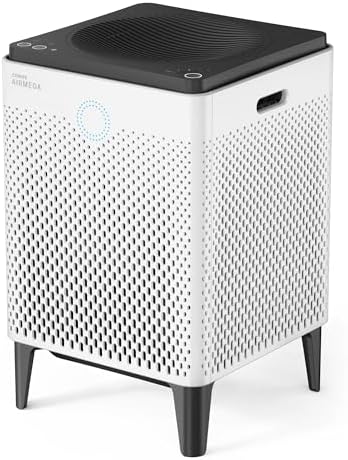
If troubleshooting does not solve the problem, you may prefer to replace the unit. These picks come from the Hostinger affiliate plugin. Specs change by model year, so confirm filter type, CADR, noise and replacement filter costs on the product page.





Auto Mode Behavior
In auto mode, the unit changes speed based on sensor readings. A dirty sensor or dusty room can keep it high. Try manual mode to test.
Clogged Filters and Weak Airflow
Blocked filters reduce airflow and may feel like a slow fan. Clean pre-filters and replace main filters on schedule.
Controls and Remote
Test buttons on the unit and the remote. Replace batteries and check the app connection.
Power Reset and Firmware
Unplug the unit for a minute, plug it in and test again. Update firmware if applicable.
Possible Faults
If speed does not change or the fan is very slow or noisy after these steps, the motor or control board may be faulty. Contact support.
Surging and Fluctuating Speeds
Auto mode may surge as readings change. Use manual or a quieter auto setting if available.
Dust on the Sensor
A dirty sensor can mislead auto mode. Clean it gently as the manual allows.
Sleep and Turbo Modes
Some modes limit speeds. Check mode descriptions and switch to a standard mode.
Motor Issues
Loud grinding, burning smells or no response may signal a motor fault. Stop using the unit.
Warranty
Keep proof of purchase and ask support about repair or replacement.
How to Choose
- Clear manual speed controls
- Quiet low speed
- Reliable remote or app
- Good support
Do
- Match the unit’s rated coverage to your room first
- Run it consistently, not only when the air feels bad
- Leave space around the unit for airflow
- Replace filters on the maker’s schedule
Don’t
- Do not buy on looks or price alone
- Do not block the intake or exhaust
- Do not skip filter changes
- Do not expect a purifier to fix every source of pollution
Honest Limits
- This guide uses manufacturer information and public guidance from the EPA and AHAM, not our own lab tests.
- Features and room ratings change between model years, so confirm on the listing before you buy.
- A purifier is not a medical device and does not replace medical advice or treatment.
Who Should Skip This
When to See a Professional
Frequently Asked Questions
Why is the fan stuck on high?
Auto mode may be reacting to the sensor.
Why is it slow?
Clogged filters or a mode setting.
Can the remote cause problems?
Weak batteries can.
When is it a fault?
If manual speeds do not respond.
Bottom Line
If fan speed is wrong, check auto versus manual mode, clean filters and the sensor, test the remote or app, power cycle and update firmware. Contact support if speeds still do not respond.
Related reading: sens,fan,bed
Sources: EPA, Guide to Air Cleaners in the Home; AHAM Verifide.