
Last updated:
Disclosure: As an Amazon Associate we earn from qualifying purchases. This does not change what we recommend. See our affiliate disclaimer.
In a small room, a well-placed purifier can make a big difference, while a poorly placed one wastes its capacity. The basics are simple: give the unit clearance on all sides, keep intakes unblocked, avoid corners and places behind furniture, position it near where you spend time and keep doors closed so the unit works on the room you care about. Size matters too, because a unit that is too large can be loud and too small may struggle.
We have not tested these products ourselves, so check specifications. Nothing here is medical advice.
Do
- Leave clearance around the unit
- Place near where you spend time
- Keep doors closed
Avoid
- Corners and tight gaps
- Blocking the intake
- Placing near strong sources of dust
Key Takeaways
- Give clearance on all sides
- Place near where you spend time
- Keep doors closed
- Avoid corners and blocked intakes
Placement Examples for Common Small Rooms
In a 100 square foot bedroom, place a compact unit a few feet from the bed, along a wall with at least a foot of clearance and away from curtains. In a small home office, place the unit near the desk on the floor and keep the intake clear of cables. In a nursery, use a stable base, keep the unit out of reach and place it several feet from the crib. In a studio, place the unit between the sleeping and cooking areas. In each case, close the door when the unit runs and check that nothing blocks airflow. Adjust position if you notice noise, vibration or weak airflow and keep a note of what works for you.
Common Placement Mistakes
People often put purifiers behind sofas, under desks with limited space, on top of soft surfaces or in corners. They may also leave doors open, which dilutes performance. Fix these by moving the unit and closing doors.
Testing Placement
Run the unit for a few days in one position, then try another and compare noise, airflow and how the room feels. Small moves can change results.
Sound and Vibration
Place the unit on a hard, level surface. Soft surfaces can amplify vibration.
Sizing and Room Volume
Check the CADR and recommended room size. Small rooms usually need compact units. Avoid oversized units that are loud.
Using Two Units
In small homes with separate rooms, two compact units may work better than one larger one.
Maintenance Around the Unit
Vacuum around the unit and wipe the intake regularly. Keep clearance maintained.
Matching Placement to Your Goal
If your priority is sleep, place the unit near the bed but not blowing directly on you. If your priority is allergies, keep it near where you spend the most time and run it continuously. If your priority is odors, place it between the source and your seating area. If your priority is quiet, choose the farthest spot that still has clear airflow and use a lower speed. Revisit the placement if your furniture changes or if you add a pet. Small rooms change quickly, so a flexible approach works best. Keep notes on what you try so you can return to the best spot.
Corners: When They Work and When They Do Not
Corners can reduce airflow and limit intake. If a corner is the only option, leave as much clearance as possible and check performance. Some units are designed for wall placement, so check the manual.
Pairing Placement With Ventilation
Open windows briefly when outdoor air is clean, then close them and run the unit. Use exhaust fans and keep doors closed during purifier operation.
Seasonal Adjustments
In pollen season, place the unit near the bedroom door or window area to catch incoming particles. In winter, keep away from heaters.
Small Room Setup Checklist
Measure the room and note the recommended room size for your unit. Clear a spot with a foot of space around it and make sure cords are tidy. Place the unit a few feet from the bed or desk, away from curtains, walls and furniture. Close the door, run the unit on a low or medium speed and check noise. Clean the pre-filter monthly and replace filters on schedule. Keep a hygrometer if humidity is a concern and ventilate when outdoor air is clean. Review the setup after a few weeks and adjust position or speed as needed. A short checklist helps you get the benefit without constant fiddling.
Renters and Temporary Setups
If you rent or move often, choose a lightweight unit and keep packaging. Mark your preferred placement and reuse the setup in each new space.
Placement Mistakes in Small Rooms
- Under a desk or inside an alcove, where the intake starves
- Behind a door that swings into it
- On a hollow shelf that amplifies the hum
- Directly beside the bed with the outlet at the pillow
- Under a window that is often open
- Against curtains that get drawn into the intake
Each of these makes a good unit seem useless.
A Simple Placement Test
Put the unit mid-wall with a foot of clearance and the outlet aimed at the room’s centre or ceiling. Run it on medium with the door closed and, if you have a particle monitor, place it on the far side of the room; readings should fall within an hour. If they do not, try the opposite wall. In a shared small room, place the unit between the beds. Once placed well, run it continuously on low.
Quiet Air Purifiers for Small Rooms
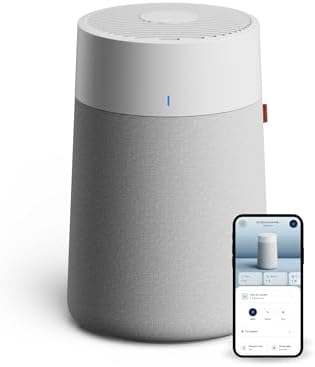
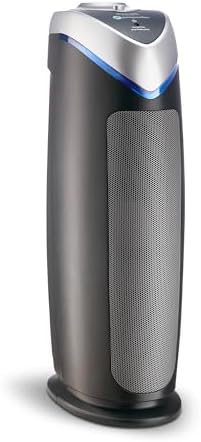
If cleaning does not restore performance, you may prefer to replace the unit or filters. These picks come from the Hostinger affiliate plugin. Specs change by model year, so confirm filter type, CADR, noise and replacement filter costs on the product page.




Clearance and Airflow
Leave at least a foot of space around the unit, as the manual advises. Blocked intakes reduce performance and increase noise.
Near the Bed or Desk
Place the unit a few feet from where you sleep or work so it cleans the air you breathe, but avoid blowing air directly on you.
Away From Walls, Curtains and Furniture
Walls and curtains restrict airflow. Keep the unit away from them and avoid placing it behind couches or inside cabinets.
Height and Surface
Floor placement is fine for many units. If using a table, make sure it is stable and the unit does not vibrate. Keep cords tidy.
Doors, Windows and Sources
Keep doors and windows closed during use so the unit works on the room’s air. Place it away from sources such as litter boxes and heavy lint.
Bedrooms and Sleep
Place the unit a few feet from the bed with clearance and choose a quiet low speed. Turn off bright lights.
Home Offices and Dens
Place the unit near your desk away from microphones and keep cords tidy.
Kids’ Rooms and Nurseries
Place units out of reach and use child locks. Keep cords away from cribs.
Bathrooms and Humid Rooms
Avoid placing units in damp areas unless the manual allows it.
Pets and Hair
Place away from pet beds and clean the pre-filter regularly.
How to Choose
- Compact footprint
- Quiet low speed
- True HEPA filtration
- Easy filter replacement
Do
- Match the unit’s rated coverage to your room first
- Run it consistently, not only when the air feels bad
- Leave space around the unit for airflow
- Replace filters on the maker’s schedule
Don’t
- Do not buy on looks or price alone
- Do not block the intake or exhaust
- Do not skip filter changes
- Do not expect a purifier to fix every source of pollution
Honest Limits
- This guide uses manufacturer information and public guidance from the EPA and AHAM, not our own lab tests.
- Features and room ratings change between model years, so confirm on the listing before you buy.
- A purifier is not a medical device and does not replace medical advice or treatment.
Who Should Skip This
When to See a Professional
Frequently Asked Questions
Can I put it in a corner?
It works better with clearance.
Should it be on the floor?
Floor or a stable surface works.
How far from the bed?
A few feet with clearance.
Does height matter?
Not much for most units.
Bottom Line
In small rooms, give the purifier clearance, place it near where you spend time, keep doors closed and avoid corners and blocked intakes. Choose a quiet, compact unit sized for the room.
Related reading: sens,fan,bed
Sources: EPA, Guide to Air Cleaners in the Home; AHAM Verifide.