
Last updated:
Disclosure: As an Amazon Associate we earn from qualifying purchases. This does not change what we recommend. See our affiliate disclaimer.
An air purifier that turns off by itself can be annoying and sometimes a safety warning. Common causes include a loose plug or faulty outlet, an active timer or sleep mode, a safety switch triggered by a missing or misplaced filter or door, overheating from blocked airflow and a failing component. Start with simple checks: power, timer settings, filters and airflow. If the unit smells of burning, has a hot plug or trips breakers, stop using it and contact the manufacturer.
We have not tested these products ourselves, so follow your manual. Nothing here is medical advice.
Easy checks
- Outlet and plug
- Timer and sleep mode
- Filter and door position
Stop using it if
- Burning smell or heat
- Breakers trip
- Sparks or smoke
Key Takeaways
- Check the outlet, cord and timer first
- Reseat filters and covers
- Clear airflow to prevent overheating
- Stop using the unit if it smells of burning
A Logical Troubleshooting Order
Work from simple to complex. First, observe when the unit shuts off: at a certain time, after some minutes, when you touch the cord or when it is running on high. Next, test another outlet and remove any smart plug or power strip. Check timers, schedules and sleep modes on the unit and any app or remote. Remove the filters, check for damage or dust and reinstall them properly. Make sure the cover or door is fully closed. Clear dust from the intake and exhaust and move the unit away from walls. Run it for an hour and note whether the shutdown repeats. Record what you find and share it with support if the problem continues.
Understanding Thermal Protection
Many electronics include thermal protection that shuts the unit off when it gets too hot. Heat can come from blocked airflow or a failing motor. Do not bypass protections. Clean and clear airflow and contact support if shutdowns continue.
Power Quality and Home Wiring
Flickering lights, tripped breakers or loose outlets may point to wiring issues. Ask a qualified electrician to check them.
Using the Unit Safely While You Troubleshoot
Do not leave a malfunctioning unit running unattended. Keep it away from flammable materials and check for warm plugs or odors.
When to Replace
If the unit is old, repeatedly fails or is no longer supported, consider replacement. Compare warranty terms and support.
Preventing Future Problems
Clean filters on schedule, avoid blocking vents, use a proper outlet and check cords regularly.
Keeping Records
Note dates, symptoms and settings. This helps support diagnose the problem.
Checking the Outlet and Cord Safely
Unplug the unit before touching the plug or cord. Look for bent prongs, scorch marks or a loose fit. A plug that feels warm or smells hot is a sign to stop. Test the outlet with another device or try a different circuit. Do not use damaged cords or extension cords that are not rated for the load. If the unit loses power when the cord is moved, the cord or internal connection may be faulty. Contact the manufacturer for repair or replacement and do not attempt to open the unit. Keep the unit away from water and avoid placing it where the cord can be pinched or stepped on, since damage can cause intermittent shutdowns and safety risks.
Timer Settings and Sleep Modes in Detail
Many purifiers have a timer that turns the unit off after a set number of hours. Others have scheduled modes or sleep modes that dim lights and reduce speed. Check the display, remote and app for active timers. Resetting the unit to factory settings often clears unintended schedules.
Safety Interlocks and Tilt Switches
Some units have tilt sensors that shut them off if they are knocked or placed on a slope. Place the unit on a flat, stable surface. Check that filters and covers are seated.
Humid or Dusty Environments
Humidity, dust and pet hair can interfere with sensors and electronics. Keep the unit away from steamy bathrooms and clean it regularly.
What to Tell Support
Prepare your model number, serial number, purchase date and a short description of the problem. Note when it shuts off, what settings were active, whether there are smells, noises or lights and what you have already tried. Photos or a short video help. Ask whether the unit is covered, whether a repair or replacement is possible and what safety steps to take in the meantime. Keep the unit unplugged if you suspect an electrical fault and do not attempt repairs yourself.
Quick Reference Checklist
Try another outlet, check timers and schedules, reseat filters and covers, clear dust and airflow, move the unit away from walls and heat and watch for warm plugs or smells. If shutdowns persist, stop using it and contact support.
Quick Reference
Timers, schedules, auto standby, sleep mode limits, door interlocks, and smart-home routines explain most self-shutdowns. Heat shutdowns mean clogged filters or a blocked intake. Random shutdowns with a sound cord and latched door point to the power supply or board, and the manufacturer. Stop for any burning smell.
Final Word
A purifier that turns itself off is following a timer, schedule, auto standby, sleep limit, interlock, or smart-home routine, or protecting a hot motor behind clogged filters. Clear the features and clean the filters; random shutdowns beyond that belong with the manufacturer.
Replacement Air Purifier Options
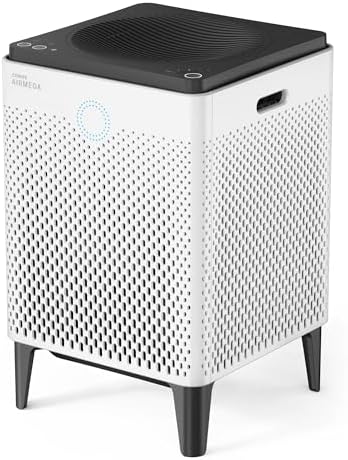
If troubleshooting does not solve the problem, you may prefer to replace the unit. These picks come from the Hostinger affiliate plugin. Specs change by model year, so confirm filter type, CADR, noise and replacement filter costs on the product page.





Check the Power First
Make sure the plug is firmly seated and the outlet works. Try another outlet and avoid power strips that may overload. Check the cord for damage. If the unit loses power when the cord moves, stop using it.
Timers, Schedules and Modes
Many units have timers, sleep modes or schedules that turn them off. Check the display, remote or app. Reset to default settings if needed.
Filter and Cover Safety Switches
Some units shut off if the filter is missing, installed wrongly or the cover is not closed. Reseat the filter and cover and make sure everything clicks into place.
Overheating and Blocked Airflow
Blocked intakes, clogged filters or dust on the motor can cause overheating and thermal shutoffs. Clean the pre-filter, clear the vents and move the unit away from walls and heat sources.
When It Is a Fault
If the unit keeps shutting off after these checks, there may be an internal fault. Contact the manufacturer with the model and serial number.
Smart Plugs and Apps
Smart plugs, schedules and apps can switch units off. Check automation rules and connectivity settings.
Power Strips, Surge Protectors and Circuits
Plug directly into a wall outlet if the manual advises. Avoid sharing circuits with high-power devices.
Humidity and Dust
Moisture and dust can affect electronics. Keep the unit dry and clean the intake.
Firmware and Software
If the unit has an app, update the firmware and restart. Follow the manual for resets.
Warranty and Replacement
Check warranty coverage and keep proof of purchase. Ask support whether a repair or replacement is appropriate.
How to Choose
- Good warranty and support
- True HEPA filtration
- Clear controls
- Reliable power handling
Do
- Match the unit’s rated coverage to your room first
- Run it consistently, not only when the air feels bad
- Leave space around the unit for airflow
- Replace filters on the maker’s schedule
Don’t
- Do not buy on looks or price alone
- Do not block the intake or exhaust
- Do not skip filter changes
- Do not expect a purifier to fix every source of pollution
Honest Limits
- This guide uses manufacturer information and public guidance from the EPA and AHAM, not our own lab tests.
- Features and room ratings change between model years, so confirm on the listing before you buy.
- A purifier is not a medical device and does not replace medical advice or treatment.
Who Should Skip This
When to See a Professional
Frequently Asked Questions
Why does it shut off at night?
A timer or sleep mode may be active.
Can a dirty filter cause it?
Yes, by causing overheating.
Is it safe to keep using it?
Not if you notice burning smells or heat.
Who do I contact?
The manufacturer with your model and serial number.
Bottom Line
If your purifier turns off by itself, check the outlet and cord, timer settings, filter and cover position and airflow. Stop using it if you notice burning smells, heat or tripped breakers and contact the manufacturer.
Related reading: sens,fan,bed
Sources: EPA, Guide to Air Cleaners in the Home; AHAM Verifide.