Last updated:
Disclosure: As an Amazon Associate we earn from qualifying purchases. This does not change what we recommend. See our affiliate disclaimer.
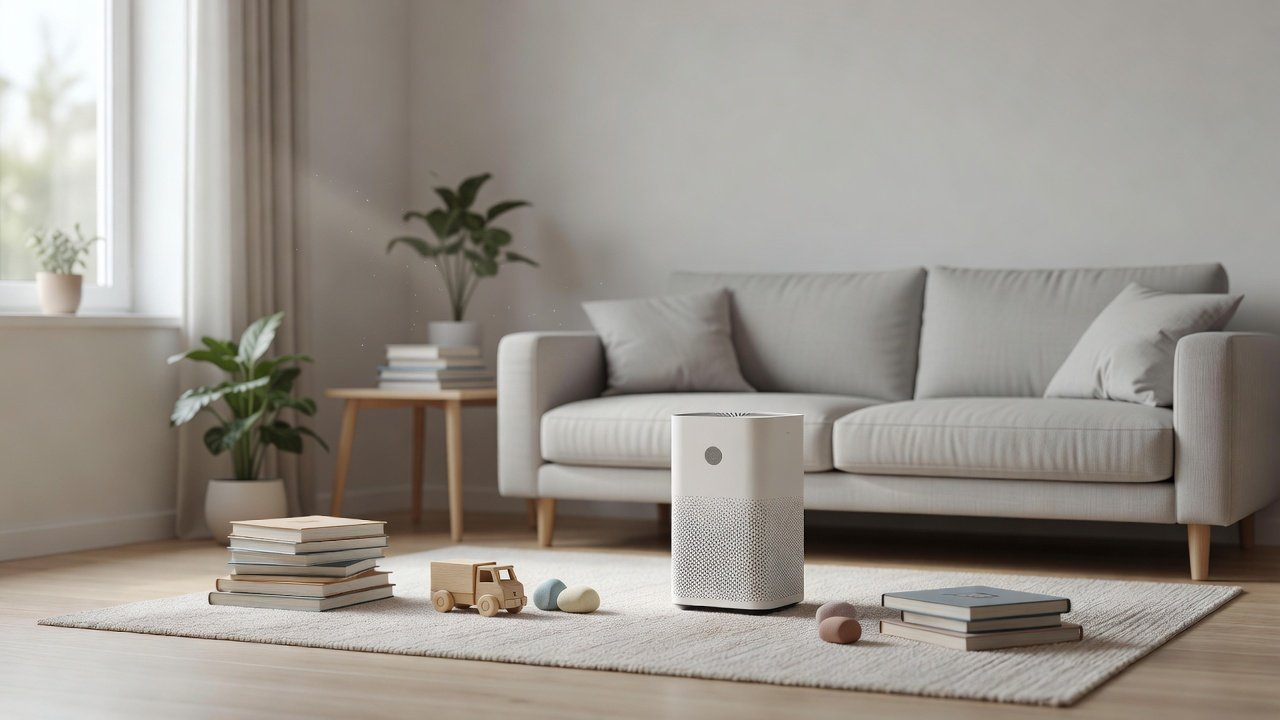
When a child has asthma, parents look for any practical way to reduce triggers at home. A quiet true HEPA purifier can lower airborne dust, pet dander and pollen in a child’s bedroom, and it can be one piece of a broader plan that includes medical care, trigger avoidance, cleaning and a smoke-free home. It does not replace the child’s asthma action plan or medication. Safety, noise and simplicity matter because children sleep and play in the same space.
We have not tested these products ourselves, so check specifications. Nothing here is medical advice. Follow your child’s clinician’s action plan and call emergency services for severe symptoms.
Look for
- Quiet low speed and sleep mode
- True HEPA without ozone
- Child lock and stable base
Avoid
- Ozone or ionizer features
- Cords within reach
- Strong fragrances in the room
Key Takeaways
- Choose a quiet, stable, ozone-free true HEPA unit
- Place safely in the bedroom
- Combine with smoke-free home and cleaning
- Follow the clinician’s action plan
Building a Child’s Asthma-Friendly Bedroom
Start with the bed: allergen covers if advised, a few washable soft toys, and bedding washed weekly in hot water if the fabric allows. Choose hard flooring or washable rugs, washable curtains and simple furniture that is easy to dust. Keep the room cool and comfortable and avoid heavy fragrances. Place the purifier several feet from the bed with clearance and run it on low overnight. Keep the inhaler and spacer where the child and caregivers can reach them quickly. Keep a copy of the action plan and emergency numbers in the room. Review the room every few months as the child grows and needs change.
Colds, Viruses and Air Cleaning
Respiratory infections are a major trigger. A purifier does not prevent infection, so keep up with handwashing, vaccinations as advised and ventilation. Follow the clinician’s advice when the child is sick.
Night-Time Symptoms
If a child has frequent night-time symptoms, talk to a clinician. Keep the room calm, check triggers such as dust, pets or smoke and follow the action plan.
Costs and Filter Planning
Compare filter costs and replacement intervals. Keep spare filters and note replacement dates. Choose models with easy access so you can change filters quickly.
Safety With Cords and Moving Parts
Use cord covers, tape or clips to keep cords out of reach. Place the unit where it cannot be tipped. Check that the filter door is secure and the unit has a child lock.
Working With Teachers and Caregivers
Share the asthma plan with schools and caregivers, provide medication and ask about cleaning products, pests and ventilation.
Travel and Visiting Relatives
Ask relatives to keep smoking outdoors and pets away from sleeping areas, and consider a portable purifier if permitted. Pack medication and the action plan.
Choosing Size, Noise and Features for a Child’s Room
Most children’s bedrooms are between 90 and 150 square feet, so a compact or mid-size unit with a CADR near two thirds of the floor area is usually enough. Prioritize a very quiet low speed so the sound does not disturb sleep, a dimmable display and a child lock. A pre-filter that can be vacuumed helps with pet hair and dust. Avoid ozone and ionizer features. Check the product page for noise levels, filter type and replacement costs, and keep a spare filter in a sealed bag. If the child shares a room, choose a unit sized for the room and place it with clearance on both sides.
Talking With the Clinician About Home Triggers
Bring a short list to appointments: symptom dates, suspected triggers, pets, smoke exposure, mold or moisture problems and what you have already changed. Ask which changes are most likely to help and how to adjust medication during high-risk periods. Share photos of the room if helpful.
Balancing Safety, Cost and Simplicity
The best purifier is one you will actually run. Choose a model with simple controls, reasonable filter costs and easy maintenance. Avoid overspending on features that complicate use.
Weekly Home Routine for Families
Wash bedding, vacuum with a sealed HEPA vacuum, damp-dust, check the pre-filter and wipe the intake. Rotate tasks among family members.
What to Do During an Asthma Flare at Home
Follow the written action plan: use the reliever as directed, sit upright, stay calm and monitor symptoms. If symptoms are severe, not improving or the child struggles to speak, call emergency services immediately. Keep the plan, medication and spacer in an easy-to-find place and make sure every caregiver knows where they are. After a flare, note what happened and share with the clinician. A purifier does not treat a flare, but noting triggers such as smoke, pets or cleaning products helps you adjust the home. Review the plan regularly and update it as the child grows or medication changes.
Seasonal Changes and School Terms
Autumn viruses, winter heating and spring pollen can each shift symptoms. Plan ahead with the clinician, refresh medication supplies and review the home routine each season.
Sibling and Family Routines
Involve siblings in simple routines such as taking shoes off, keeping the bedroom door closed and not using strong sprays. Consistent habits reduce triggers for everyone.
Quiet Air Purifiers for Bedrooms
These picks come from the Hostinger affiliate plugin. Specs change by model year, so confirm filter type, CADR, noise and replacement filter costs on the product page before you buy.






What Parents Can Realistically Expect
A purifier may lower airborne triggers, but results vary. It is one tool among cleaning, humidity control, trigger avoidance and medication. Ask the clinician which triggers matter for your child.
Choosing a Child-Friendly Unit
Pick a stable unit with a child lock, simple controls and low noise. Avoid ozone-emitting features. Check that the unit has no sharp edges and that the cord can be kept out of reach.
Placement in the Bedroom
Place it several feet from the bed with clearance, on the floor or a stable surface. Keep the door closed and run it continuously on low. Do not place it where a child can climb or pull on it.
Home Steps That Support It
Keep the home smoke-free, wash bedding in hot water, use allergen covers if advised, keep pets out of the bedroom, control mold and humidity and use fragrance-free products.
School, Daycare and Travel
Triggers also exist away from home. Share the asthma plan with schools, ask about pest and cleaning practices and keep medication with the child.
Common Childhood Asthma Triggers
Colds and viruses, dust mites, pet dander, pollen, mold, smoke and cold air are common triggers. Identify patterns with a diary and share them with the clinician.
Smoke-Free Homes and Cars
Tobacco smoke is a major trigger. Keep homes and cars smoke-free, and ask visitors to smoke outdoors away from children.
Pets and Stuffed Toys
Keep pets out of the bedroom if dander is a trigger. Wash stuffed toys regularly and limit them in the bed.
Exercise and Outdoor Play
Follow the action plan for exercise. On high-pollen or smoky days, adjust outdoor time and use medication as directed.
Teaching Kids About Their Asthma
Help children recognize symptoms and use their inhaler properly, and involve them in simple home routines such as washing hands and keeping the room tidy.
How to Choose
- Quiet low speed
- True HEPA filtration
- Child lock
- No ozone features
Do
- Match the unit’s rated coverage to your room first
- Run it consistently, not only when the air feels bad
- Leave space around the unit for airflow
- Replace filters on the maker’s schedule
Don’t
- Do not buy on looks or price alone
- Do not block the intake or exhaust
- Do not skip filter changes
- Do not expect a purifier to fix every source of pollution
Honest Limits
- This guide uses manufacturer information and public guidance from the EPA and AHAM, not our own lab tests.
- Features and room ratings change between model years, so confirm on the listing before you buy.
- A purifier is not a medical device and does not replace medical advice or treatment.
Who Should Skip This
When to See a Professional
Frequently Asked Questions
Can a purifier replace asthma medication?
No.
Where should I place it?
In the bedroom, out of reach.
Is ozone safe?
Avoid ozone-emitting devices.
Do I still need to clean?
Yes.
Bottom Line
For children with asthma, choose a quiet, stable true HEPA purifier with a child lock and no ozone features, place it safely in the bedroom and combine it with a smoke-free home, cleaning and the clinician’s action plan.
Related reading: sens,fan,bed
Sources: EPA, Guide to Air Cleaners in the Home; AHAM Verifide.