Last updated:
Disclosure: As an Amazon Associate we earn from qualifying purchases. This does not change what we recommend. See our affiliate disclaimer.
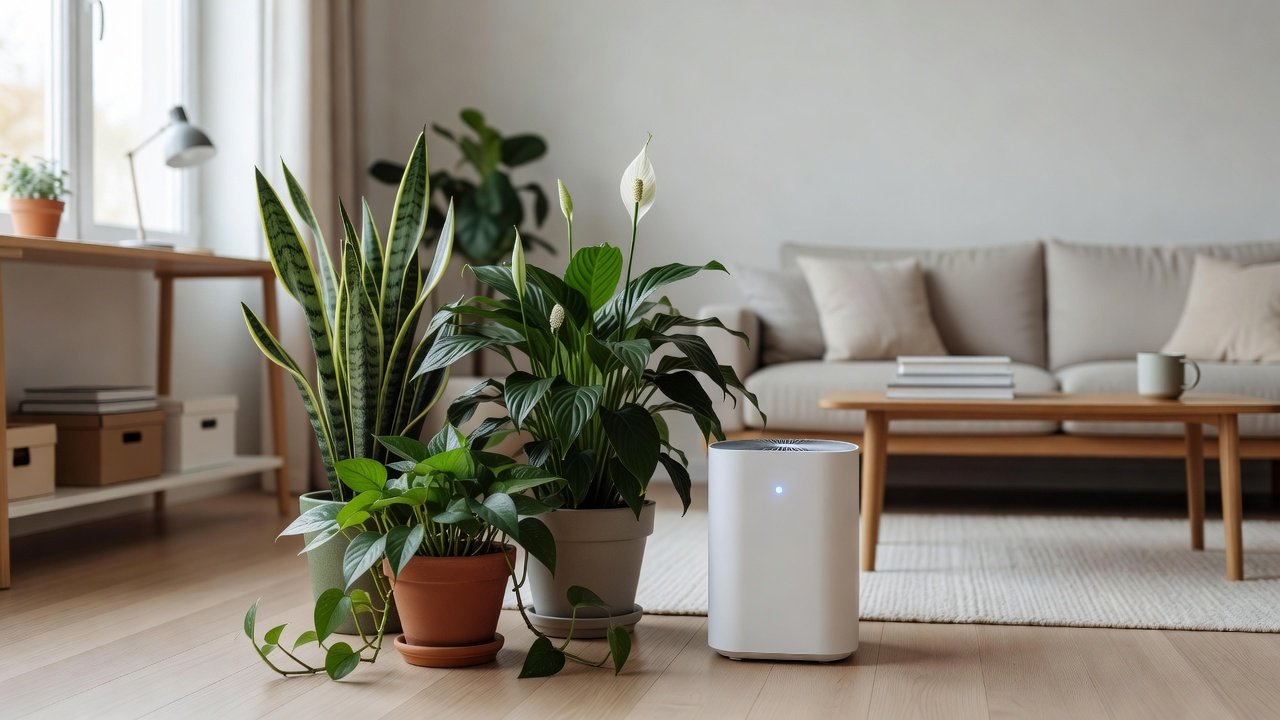
Houseplants are often promoted as natural air purifiers, but the evidence does not support the idea that a few plants clean the air in a typical home. Early laboratory studies showed plants can absorb some VOCs in sealed chambers, yet real homes exchange air with the outdoors constantly, which dilutes pollutants much faster than plants can remove them. Reviews of the research conclude that you would need an impractically large number of plants per room to see a meaningful effect. Plants are still worth having for enjoyment, but if you want cleaner air, use ventilation, source control and filtration.
We have not tested these products ourselves. This article is general information, not medical advice. Overwatered plants and damp soil can grow mold, and some plants are toxic to pets and children.
Plants are good for
- Mood and appearance
- Light humidity
- Biophilic comfort
Plants are not good for
- Cleaning home air
- Removing smoke or dust
- Replacing ventilation or filters
Key Takeaways
- Plants do not meaningfully clean home air
- Ventilation dilutes pollutants far faster
- Watch for mold, pollen and pet toxicity
- Use ventilation, source control and filtration for cleaner air
What a Plant-Based Air Quality Plan Would Need
To match the cleaning effect of an air exchange rate common in homes, researchers estimate you would need tens of plants per square meter of floor area, which would turn rooms into jungles. Even then, benefits for specific pollutants would be modest. Compare that with simply opening a window for a few minutes, running an exhaust fan or switching on a HEPA purifier, which deliver measurable change within minutes. Plants can complement these steps by improving comfort, but they cannot stand in for them.
Choosing Easy-Care Plants
If you want plants, choose forgiving species such as snake plants, pothos or spider plants if they are safe for your pets, and match them to your light. Group plants with similar needs and use a simple watering schedule. Avoid fertilizer overuse and clean leaves gently.
Plants in Bedrooms
Plants do not harm sleep air quality in normal numbers, since the effect on oxygen and carbon dioxide is negligible. The main concerns are mold, pollen and allergies. If you have sensitivities, keep soil dry and consider keeping plants outside the bedroom.
Cleaning and Maintaining Plants
Dust leaves with a damp cloth, remove dead material, check for pests and repot as needed. Use clean pots and saucers and empty saucers after watering. Healthy plants are less likely to harbor mold and pests.
Plants, Humidity and Comfort
Plants release small amounts of moisture, which does not significantly change room humidity. Use a hygrometer and dehumidifiers or humidifiers as needed instead of relying on plants.
Evidence Quality and Skepticism
Many claims about plants and air come from small studies or marketing. Look for peer-reviewed research and public health guidance. A balanced view is that plants are nice to have but not air cleaners.
How to Test Whether Plants Make a Difference in Your Home
If you are curious, use a particle and VOC monitor, record baseline readings with and without plants over several days and note ventilation and activities. Plants rarely change the numbers, while opening a window or running a purifier does. Running your own comparison is a simple, honest way to see the scale of each approach. Keep other variables steady, such as cooking and cleaning, and repeat across a couple of weeks for a fair picture. Treat the results as a rough guide, since monitors have limits, but the gap between plants and ventilation is usually clear.
Safe Placement and Pet Concerns
Place plants where pets and children cannot reach them, use hanging planters or high shelves and choose non-toxic varieties if you have animals. Check lists from veterinary or poison control organizations. If a pet chews a plant, contact a veterinarian promptly.
Gardening Indoors Without Creating Problems
Use sterile potting mix, avoid overwatering, ensure drainage and keep trays dry. Avoid mulch or decorative moss that holds moisture. Clean pots between uses and discard plants that develop persistent mold or pests.
Quick Reference
Plants add almost nothing to air cleaning at household scale and can add mold if overwatered. Keep them for how they look, water carefully, keep pots away from the purifier’s intake, and rely on source control, ventilation, and true HEPA filtration for the air.
Air Purifiers That Actually Filter the Air
These picks come from the Hostinger affiliate plugin. Specs change by model year, so confirm filter type, CADR, noise and replacement filter costs on the product page before you buy.






What the Original Research Showed
Studies in small sealed chambers, such as those carried out by NASA researchers, showed plants and their soil microbes could remove some VOCs over many hours. Those chambers have no air exchange and the plant-to-volume ratio was very high, so the results do not scale to ordinary rooms.
Why Real Homes Are Different
Homes constantly exchange air with outdoors through leaks, doors and ventilation. That air exchange dilutes indoor pollutants far faster than plants can remove them. Reviews of the evidence suggest that hundreds of plants per room would be needed to match even basic ventilation.
Potential Downsides
Overwatering can cause mold in soil, and moist soil can add humidity. Some plants and soils produce pollen, spores or allergens. Many popular plants are toxic to cats, dogs or children, so check before buying.
What Plants Are Good For
Plants can lift mood, add comfort and make a space feel welcoming. Many people find caring for plants relaxing. Enjoy them for those benefits, with realistic expectations about air cleaning.
What Actually Improves Indoor Air
Remove sources, ventilate, control moisture, clean with a sealed HEPA vacuum and damp cloths and use a HEPA purifier with carbon where needed. These measures have more evidence and bigger effects than plants.
Choosing Plants Safely
Check that plants are non-toxic to pets and children if relevant, choose species that match your light and care routine and use well-draining soil and pots with drainage. Do not overwater. Wipe leaves to remove dust and keep plants healthy.
Mold in Soil and Humidity
Keep soil from staying wet, remove dead leaves and avoid standing water. If you see mold on soil, scrape it off, improve airflow and water less. People with mold allergies may prefer fewer plants in bedrooms.
Plants and Allergies
Some plants can aggravate allergies through pollen or soil mold. Choose low-pollen species and keep plants clean. If you have allergies, ask a clinician and consider placing plants away from bedrooms.
Marketing Claims to Watch For
Be skeptical of products claiming that plants or plant-based devices purify rooms. Look for independent evidence. Compare claims with CADR data and independent testing for actual purifiers.
Combining Plants With Real Air Cleaning
Plants and purifiers can coexist. Use filtration for pollutants, ventilation for fresh air and plants for enjoyment. Keep plants away from the purifier intake to avoid soil and leaf debris.
How to Choose
- True HEPA filtration
- Substantial carbon for odors
- CADR suited to the room
- No ozone generation
Do
- Match the unit’s rated coverage to your room first
- Run it consistently, not only when the air feels bad
- Leave space around the unit for airflow
- Replace filters on the maker’s schedule
Don’t
- Do not buy on looks or price alone
- Do not block the intake or exhaust
- Do not skip filter changes
- Do not expect a purifier to fix every source of pollution
Honest Limits
- This guide uses manufacturer information and public guidance from the EPA and AHAM, not our own lab tests.
- Features and room ratings change between model years, so confirm on the listing before you buy.
- A purifier is not a medical device and does not replace medical advice or treatment.
Who Should Skip This
When to See a Professional
Frequently Asked Questions
Do houseplants purify air?
Not enough to matter in a typical home.
Can plants cause mold?
Overwatered soil can grow mold.
Are plants toxic to pets?
Some are; check before buying.
What should I do instead?
Ventilate, control sources and filter.
Bottom Line
Indoor plants are pleasant but do not meaningfully clean the air in a normal home, because ventilation dilutes pollutants far faster than plants remove them. Enjoy plants for comfort, avoid overwatering and toxic species around pets and children, and use ventilation, source control and HEPA and carbon filtration for cleaner air.
Related reading: sens,fan,bed
Sources: EPA, Guide to Air Cleaners in the Home; AHAM Verifide.