Last updated:
Disclosure: As an Amazon Associate we earn from qualifying purchases. This does not change what we recommend. See our affiliate disclaimer.
Your heating and cooling system moves most of the air in your home through a filter, so its condition shapes indoor air quality. A clogged filter, dirty coils, a clogged condensate drain or leaky ducts can reduce airflow, spread dust, promote moisture problems and waste energy. Regular maintenance, a suitable filter and an annual professional check keep the system working properly, and a HEPA purifier in key rooms adds extra particle control.
We have not tested these products ourselves, so follow your HVAC manufacturer’s guidance. Nothing here is medical advice. Do not open or modify gas appliances or electrical components yourself. For gas smells, leave and call emergency services.
Do yourself
- Change filters on schedule
- Keep vents clear
- Clean around the unit
Call a professional
- Annual service
- Coil and drain issues
- Ducts, gas and electrical work
Key Takeaways
- Change filters on schedule
- Keep vents and units clear
- Get annual professional service
- Address moisture, drains and ducts
A Simple HVAC Air Quality Calendar
Monthly: check the filter and replace if dirty, vacuum return and supply grilles and look for water near the indoor unit. Quarterly: clean around the outdoor unit and check the condensate drain. Twice a year: schedule professional service for heating and cooling, test smoke and carbon monoxide alarms and review filter performance. Annually: have ducts inspected if you suspect leaks, check insulation and review the thermostat settings. Keep a log with dates, filter sizes and notes from technicians so you can plan purchases and see patterns over time. A calendar makes upkeep automatic.
Choosing a Contractor
Look for licensed, insured technicians with good reviews. Ask for written estimates, explanations of recommended work and photos of problems. Be wary of high-pressure sales for unnecessary duct cleaning or equipment replacement. Get second opinions for big jobs.
Upgrades That Improve Air
Options include higher-efficiency filter cabinets, balanced ventilation, humidity control and sealing ducts. Ask a professional what suits your system and home, and check costs and benefits. Many homes benefit more from sealing and good filter habits than from add-ons.
Allergy-Friendly HVAC Habits
Keep the filter fresh in pollen season, keep windows closed with the AC on, vacuum vents and run a bedroom HEPA purifier. Ask a clinician about managing allergies.
Signs Your HVAC Needs Attention
Weak airflow, odd noises, musty smells, uneven temperatures, water leaks and rising energy bills indicate issues. Turn off the system and call a professional for burning smells or suspected gas leaks.
Energy and Comfort Benefits
A maintained system uses less energy, keeps temperatures stable and lasts longer. Good maintenance often pays for itself through lower bills and fewer breakdowns.
Understanding MERV Ratings
MERV rates how well a filter captures particles of different sizes on a scale of about 1 to 16 for residential and commercial use. Lower numbers capture mostly larger particles, while higher numbers capture finer particles. Many homes use MERV 8 to 13. Higher ratings can restrict airflow in systems not designed for them, so check your equipment manual or ask a technician. A well-fitting filter that is changed on time is better than a very high rating that is clogged or restricts airflow.
Portable Purifiers Versus Whole-House Filtration
HVAC filters clean air that passes through the system, but they cannot clean rooms when the fan is off, and they may not be designed for very fine particles. A portable HEPA purifier cleans the room it sits in continuously. Many homes use both: a good HVAC filter changed on schedule plus portable units in key rooms.
Ventilation Upgrades to Consider
If your home is airtight, ask about balanced ventilation. If humidity is a problem, ask about dehumidification. If the system is old, ask about efficiency upgrades. A professional can explain benefits and costs and help you prioritize.
Filter and Duct Basics
- Replace or clean the HVAC filter on the manufacturer’s schedule, more often with pets or dust
- Use the highest MERV rating the system supports; MERV 11 to 13 captures a useful share of fine particles
- Check that return grilles are not blocked by furniture
- Seal visible duct leaks with mastic or foil tape, not cloth duct tape
- Have ducts inspected if you see dust blowing from vents or suspect mold
Ask an HVAC professional before going above the filter rating the system was designed for.
Fan Settings and Seasonal Service
Running the blower on a schedule or continuously, rather than only when heating or cooling, keeps air moving through the filter and evens out temperature and humidity. Have the system serviced yearly, including the coil and drain pan, which can grow mold if neglected. Keep humidity between 30 and 50 percent, and consider a whole-home dehumidifier or humidifier if the climate demands it. Portable purifiers then handle bedrooms and problem rooms.
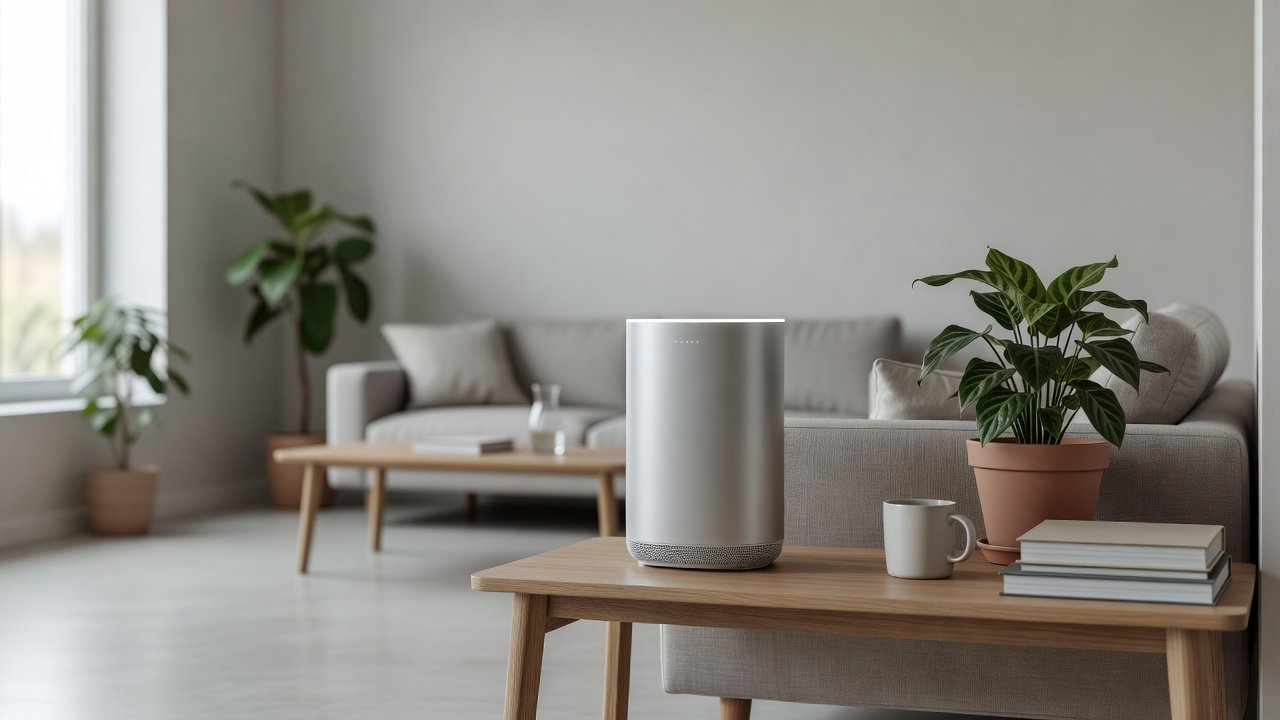
Air Purifiers to Support Your HVAC Filter
These picks come from the Hostinger affiliate plugin. Specs change by model year, so confirm filter type, CADR, noise and replacement filter costs on the product page before you buy.






Choose and Change the Filter
Check the filter size and the MERV rating your system supports. Higher MERV filters capture more fine particles but can restrict airflow in some systems, so follow the manufacturer’s guidance. Replace the filter every one to three months, or as directed, and sooner with pets, smoke or construction dust.
Keep Vents, Returns and the Area Clear
Do not block supply or return vents with furniture or curtains. Vacuum grilles and keep the area around the indoor unit and outdoor condenser clear of dust, clutter and debris.
Coils, Drains and Moisture
Dirty coils reduce efficiency, and a clogged condensate drain can cause leaks and mold. Have a professional clean coils and flush drains as part of annual service. Watch for water around the unit and musty odors.
Ducts and Sealing
Leaky ducts pull in dust and attic air and waste energy. A professional can inspect, seal and insulate ducts. Routine duct cleaning is rarely needed, but may be considered for mold, pests or heavy debris.
Annual Professional Service
Schedule heating service in fall and cooling service in spring. Technicians check combustion safety, refrigerant, electrical components, airflow and filters. Ask them to check carbon monoxide risk and to explain findings.
Humidity and the HVAC System
Air conditioning removes humidity, but oversized units may cool without dehumidifying. A professional can check sizing and settings. Use dehumidifiers in damp basements and keep humidity around 30 to 50 percent.
Thermostat, Fan and Ventilation Settings
Setting the fan to auto or continuous changes filtration and energy use. Continuous fan with a good filter can improve filtration but may add humidity in some climates. Ask a professional about the best setting for your home and consider ventilation upgrades.
Heat Pumps, Furnaces and Combustion Safety
Gas furnaces and boilers need servicing to prevent carbon monoxide. Install CO alarms, keep flue pipes clear and never block air intakes. Replace old equipment as advised.
Mini-Splits and Window Units
Clean filters monthly in mini-splits and window units. Clean drains and coils as directed, and have professionals service them. Dirty units can spread dust and microbes.
Seasonal HVAC Checklist
In spring: service cooling, clean coils, replace filters and check drains. In fall: service heating, test CO alarms, replace filters and clean vents. Year-round: check filters monthly and keep records.
How to Choose
- True HEPA filtration
- CADR suited to the room
- Quiet low speeds
- Reasonable filter costs
Do
- Match the unit’s rated coverage to your room first
- Run it consistently, not only when the air feels bad
- Leave space around the unit for airflow
- Replace filters on the maker’s schedule
Don’t
- Do not buy on looks or price alone
- Do not block the intake or exhaust
- Do not skip filter changes
- Do not expect a purifier to fix every source of pollution
Honest Limits
- This guide uses manufacturer information and public guidance from the EPA and AHAM, not our own lab tests.
- Features and room ratings change between model years, so confirm on the listing before you buy.
- A purifier is not a medical device and does not replace medical advice or treatment.
Who Should Skip This
When to See a Professional
Frequently Asked Questions
How often should I change the filter?
Every one to three months or as directed.
What MERV filter is best?
Check what your system supports.
Do I need duct cleaning?
Rarely; for mold, pests or heavy debris.
Should I run the fan continuously?
Ask a professional about your system and climate.
Bottom Line
To maintain HVAC for better air quality, change filters on schedule, keep vents and units clear, schedule annual professional service, address moisture and drain problems and seal leaky ducts. Add a HEPA purifier in key rooms for extra particle control.
Related reading: sens,fan,bed
Sources: EPA, Guide to Air Cleaners in the Home; AHAM Verifide.