Last updated:
Disclosure: As an Amazon Associate we earn from qualifying purchases. This does not change what we recommend. See our affiliate disclaimer.
Dust mites are microscopic creatures that live in bedding, mattresses, upholstery and carpet and feed on shed skin flakes. Their droppings and body fragments are a common trigger for allergy and asthma symptoms. You cannot eliminate them completely, but you can reduce them substantially by washing bedding hot, using allergen-proof covers, keeping humidity low, cleaning smartly and reducing the soft surfaces where they thrive.
We have not tested these products ourselves. This article is general information, not medical advice. If you have asthma or allergies, talk to a clinician or allergist about testing and treatment.
Most effective steps
- Hot-wash bedding weekly
- Allergen-proof covers
- Humidity under about 50 percent
Helpful extras
- HEPA vacuum
- Hard flooring
- HEPA purifier for airborne particles
Key Takeaways
- Hot-wash bedding weekly
- Use allergen-proof covers
- Keep humidity under about 50 percent
- Add a HEPA purifier for airborne allergens
A Weekly Dust Mite Routine
Strip the bed and wash sheets and pillowcases in hot water as labels allow. Dry thoroughly. Vacuum the mattress and floors with a sealed HEPA vacuum, then damp-dust surfaces from top to bottom. Wash soft toys on a schedule and check humidity. Run the bedroom purifier on a low speed overnight. Every few months, wash duvets and pillows and replace covers as needed. A short weekly routine reduces allergen load and makes the bedroom more comfortable, especially if you have allergies.
Choosing Allergen-Proof Covers
Look for tightly woven covers that block mite allergens, with zippers that seal. Choose breathable fabrics for comfort and wash covers regularly. Cover mattresses, pillows and duvets and check that seams are well made. Replace covers when worn.
Hotels, Travel and Second Homes
Mites also live in hotels and unused rooms. Bring your own pillowcase, ventilate rooms, avoid heavily upholstered furniture and wash clothes after travel if you are sensitive. Air out second homes before use.
Pets and Dust Mites
Pets bring dander and tracked-in debris that mites feed on. Wash pet bedding, groom pets and vacuum often. Keep pets off beds if mites or dander are triggers.
Symptoms and When to See a Clinician
Symptoms may include sneezing, nasal congestion, itchy eyes, cough or wheeze, often worse in the morning or at night. Talk to a clinician if symptoms persist or you have asthma.
What Does Not Work
Sprays that claim to kill mites often have limited evidence and may add chemicals. Opening windows briefly helps only if humidity outdoors is low. Cleaning alone without covers and humidity control tends to be less effective.
Understanding Dust Mite Allergens
Dust mite allergens are proteins in mite droppings and body fragments. They are heavier than many airborne particles and settle quickly, so they are stirred up during bed-making, vacuuming and walking on carpets. That is why washing bedding and covering mattresses matter most, and why a HEPA vacuum and an overnight purifier help capture what is disturbed. Allergen levels are highest in beds and soft furnishings, which is where to focus first.
Hot Water, Dryers and Freezers
Washing in hot water as labels allow reduces mite allergens, and a hot dryer helps. For items that cannot be washed hot, a dryer cycle on high heat for a period can reduce mites, and freezing can kill mites but does not remove allergens, so washing afterwards is needed. Follow care labels to avoid damaging fabrics.
Children’s Rooms and Cribs
Use a washable mattress cover, wash bedding weekly, limit soft toys and choose a quiet purifier. Keep humidity in range and avoid heavy carpeting. Ask your pediatrician about allergies if your child has persistent congestion or wheeze.
Dust Mites and Skin or Eye Symptoms
Dust mite allergens can cause itchy eyes, runny nose and, in some people, skin flares such as eczema. Washing bedding, using covers and keeping humidity in range reduce exposure. If symptoms are persistent, ask a clinician or allergist about testing and treatment. Home steps support, and do not replace, medical care.
How Long Until You Notice a Difference
Allergen levels can fall within weeks of starting hot washing and covers, but symptom changes vary. Keep the routine for a couple of months and note symptoms in a diary. If nothing changes, other triggers such as pets, pollen or mold may matter more, and a clinician can help sort them out.
Quick Reference
Covers on mattress and pillows, bedding washed weekly in hot water, humidity under 50 percent, hard floors where practical, a sealed HEPA vacuum used slowly, soft toys washed or frozen, and a purifier on medium during bed-making and low overnight. The mites live in fabric; the purifier catches what gets stirred up.
HEPA Air Purifiers for Bedrooms
These picks come from the Hostinger affiliate plugin. Specs change by model year, so confirm filter type, CADR, noise and replacement filter costs on the product page before you buy.






Where Dust Mites Live
Mites prefer warm, humid places with plenty of skin flakes: mattresses, pillows, duvets, upholstered furniture, carpets and soft toys. They do not bite. The allergens come from their droppings and body parts, which become airborne when disturbed.
Bedding and Mattress Steps
Wash sheets, pillowcases and blankets weekly in hot water as fabric labels allow, dry on hot, use allergen-proof covers on mattresses, pillows and duvets and replace old pillows. Vacuum mattresses with a sealed HEPA vacuum regularly.
Control Humidity
Mites thrive in humidity above about 50 percent. Keep humidity roughly between 30 and 50 percent with ventilation, air conditioning and dehumidifiers where needed. Use a hygrometer to check.
Clean Smarter
Damp-dust surfaces, vacuum with a sealed HEPA vacuum, wash curtains and soft toys and reduce clutter. Consider hard flooring and washable rugs in bedrooms. Freeze or wash soft toys as the labels allow.
Where Air Purifiers Fit
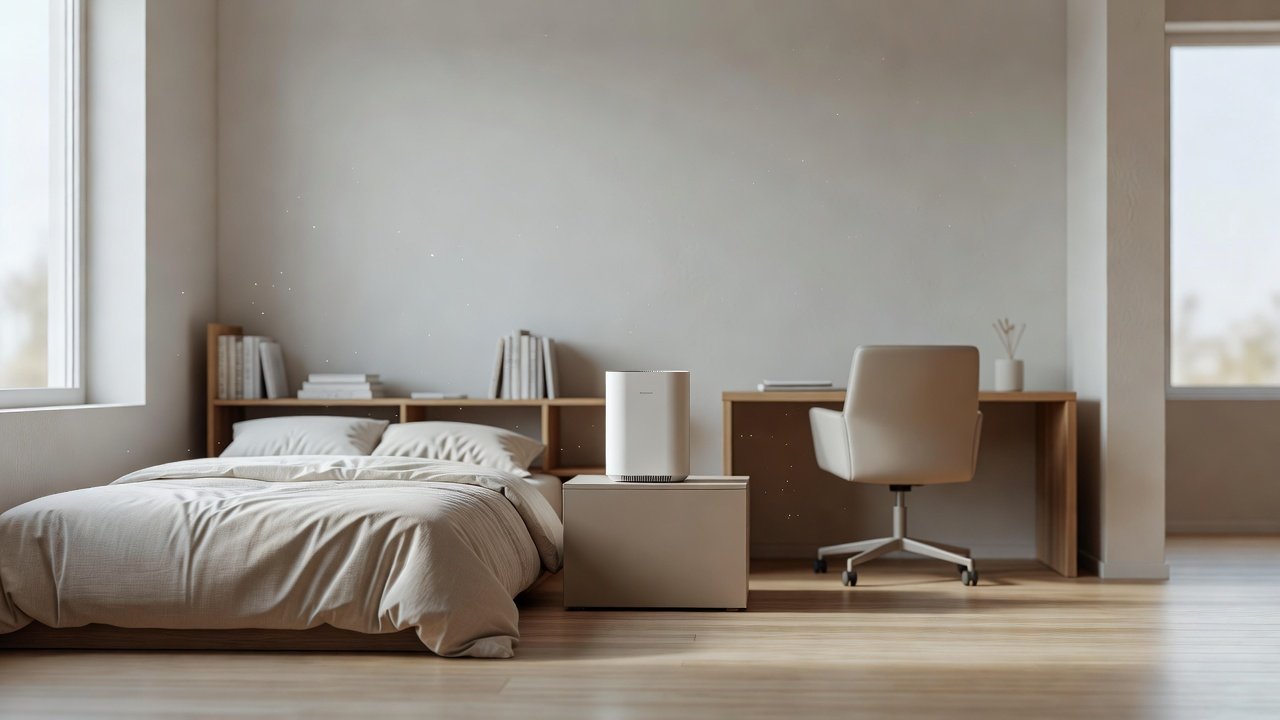
A HEPA purifier can capture dust mite allergens that become airborne, especially after bed-making and vacuuming. It does not remove mites from bedding or fabrics, so use it alongside the steps above.
Pillows, Duvets and Stuffed Toys
Wash pillows and duvets as the labels allow, or replace them every few years. Wash stuffed toys regularly in hot water, or place them in the freezer for 24 hours then wash, as advised for allergy control. Limit the number of soft toys in bedrooms.
Carpets, Rugs and Upholstery
Vacuum slowly and often with a sealed HEPA vacuum. Steam cleaning can reduce mites in carpets if dried quickly. Consider replacing wall-to-wall carpet in bedrooms with hard flooring and washable rugs, and use washable slipcovers on upholstery.
Curtains, Blinds and Dust Collectors
Wash curtains regularly or use washable blinds. Reduce clutter and open shelving that collect dust. Damp-dust surfaces and ceiling fans.
Allergen Testing and Medical Advice
An allergist can test for dust mite allergy and advise on treatment such as medications or immunotherapy. Home steps support medical care and do not replace it.
Seasonal Tips
Mites often increase in humid seasons. Check humidity, wash bedding more often and use dehumidifiers where needed. Air bedding in dry weather where possible.
How to Choose
- True HEPA filtration
- Quiet low speed
- CADR suited to the bedroom
- Affordable filters
Do
- Match the unit’s rated coverage to your room first
- Run it consistently, not only when the air feels bad
- Leave space around the unit for airflow
- Replace filters on the maker’s schedule
Don’t
- Do not buy on looks or price alone
- Do not block the intake or exhaust
- Do not skip filter changes
- Do not expect a purifier to fix every source of pollution
Honest Limits
- This guide uses manufacturer information and public guidance from the EPA and AHAM, not our own lab tests.
- Features and room ratings change between model years, so confirm on the listing before you buy.
- A purifier is not a medical device and does not replace medical advice or treatment.
Who Should Skip This
When to See a Professional
Frequently Asked Questions
Can I get rid of dust mites?
You can reduce them but not eliminate them.
What temperature kills mites?
Hot washing as fabric labels allow reduces them.
Does a purifier help?
It lowers airborne allergens but not mites in bedding.
What humidity is best?
About 30 to 50 percent.
Bottom Line
To reduce dust mites, wash bedding weekly in hot water, use allergen-proof covers, keep humidity under about 50 percent, vacuum with a sealed HEPA vacuum and reduce soft surfaces. A HEPA purifier can lower airborne allergens but does not remove mites from fabrics, so combine it with cleaning and humidity control.
Related reading: sens,fan,bed
Sources: EPA, Guide to Air Cleaners in the Home; AHAM Verifide.