Last updated:
Disclosure: As an Amazon Associate we earn from qualifying purchases. This does not change what we recommend. See our affiliate disclaimer.
Mold usually announces itself through visible growth, a musty smell, water damage or health complaints that seem tied to a particular room. Detecting it is mostly detective work around moisture. Air sampling kits and spore counts can be hard to interpret because mold spores are present in all air, so the more useful questions are where moisture is getting in and whether growth is visible or hidden.
We have not tested these products ourselves, so follow the guidance of qualified inspectors and the EPA. Nothing here is medical advice. If you have symptoms that worry you, talk to a clinician. If mold covers more than about ten square feet or follows flooding or sewage, involve a professional.
Reliable clues
- Visible growth
- Musty smell
- Moisture or past leaks
Less reliable
- Home spore test kits
- Symptoms alone
- Guessing from air readings
Key Takeaways
- Look for visible growth, musty smells and moisture
- Home spore kits are of limited value
- Keep humidity around 30 to 50 percent
- Call a professional for more than about ten square feet
A Home Mold Inspection Walkthrough
Start in the areas most likely to be damp: bathrooms, kitchen, laundry, basement and attic. Check ceilings and walls for stains, look under sinks and around toilets and tubs, inspect window frames and sills and check closets and behind furniture on exterior walls. Smell for mustiness, note humidity readings and look at the exterior for gutters, drainage and roof leaks. Record what you find with photos and dates. A systematic walkthrough once or twice a year, and after any leak, is the most reliable early-warning system available to a homeowner.
Questions to Ask a Mold Inspector
Ask about qualifications and certifications, what testing they use, whether they find moisture sources, how they report results and whether they also perform remediation, which can be a conflict of interest. Request a written report and a plan. Get more than one opinion for major work.
Health Complaints and Mold
Mold can irritate eyes, nose, throat and lungs, and may worsen asthma and allergies in sensitive people. Symptoms are not specific to mold. If you have symptoms, talk to a clinician and share your observations of the home.
Renters and Mold
Report mold and leaks to the landlord in writing, keep copies and photos and know your local tenant rights. Ventilate, wipe condensation and keep humidity in check where you can. Ask about repairs and inspections.
Preventing Mold Growth
Fix leaks quickly, ventilate, keep humidity low, clean gutters, direct water away from the foundation, use exhaust fans and dry wet items fast. Keep stored items off basement floors. Check regularly so small problems stay small.
Recording Your Findings
Keep a log of leaks, humidity readings, repairs and cleaning. Photos help insurers, landlords and professionals. A written record helps you see patterns and decide when to escalate.
Mold Versus Mildew and Other Stains
Not every dark spot is mold. Soap scum, dirt, mildew and staining from tannins can look similar. Mildew is a surface growth often seen on damp bathroom surfaces. A damp cloth with detergent can show whether a stain wipes away, but a stain that returns after cleaning suggests an ongoing moisture source. When in doubt, treat it as mold: fix moisture, clean carefully with protection and ask for professional advice if it keeps coming back.
Protective Gear for Small Cleanups
If you clean a small patch on a hard surface, wear gloves, eye protection and a well-fitting mask or respirator as advised, ventilate and keep other people and pets away. Bag and discard cleaning materials. Do not dry-brush mold, which spreads spores. Wash your clothes afterwards and shower.
Tracking Humidity Over Time
A hygrometer with memory shows daily peaks. Check humidity after showers, cooking and rain. If readings stay high, add ventilation or a dehumidifier. A persistent trend tells you more than a single reading and helps you decide where to act first.
Air Purifiers for Airborne Spores
These picks come from the Hostinger affiliate plugin. Specs change by model year, so confirm filter type, CADR, noise and replacement filter costs on the product page before you buy.






Look for Visible Signs
Mold can appear as fuzzy or spotted patches in black, green, white or other colors on walls, ceilings, window frames, grout, wood and fabric. Check bathrooms, kitchens, basements, around windows and under sinks. Peeling paint, bubbling wallpaper, warped wood and stains can point to moisture behind surfaces.
Follow the Smell
A persistent musty or earthy smell often means hidden mold or damp. Check closets, behind furniture, under carpets, inside cabinets and near plumbing. A smell that is stronger in one room helps you narrow down the source.
Find the Moisture
Mold needs moisture. Look for leaks, condensation on windows, damp basements, poor ventilation, humid air and wet materials that have not dried within a day or two. A hygrometer shows if humidity is above about 50 percent for long periods. A moisture meter can check wall and wood dampness.
What Mold Test Kits Can and Cannot Do
Home kits that collect settled spores or air samples tell you that spores are present, which is normal, but they do not reliably tell you whether there is a problem or how serious it is. The EPA does not generally recommend routine mold sampling. Focus on finding and fixing moisture and visible growth.
When to Call a Professional
Call a qualified professional if mold covers more than about ten square feet, if it follows flooding or sewage, if you suspect hidden mold in walls or HVAC systems, or if there are people with serious health conditions at home. Ask what testing and remediation they recommend and get references.
Hidden Mold Clues
Hidden mold can lurk behind wallpaper, under flooring, inside walls, above ceiling tiles and in HVAC systems. Clues include recurring musty smells, unexplained stains, persistent condensation and symptoms that improve when you are away. Moisture mapping by a professional can find damp areas without opening walls.
Humidity and Condensation Checks
Measure humidity in several rooms, especially basements and bathrooms. Watch for window condensation in cold weather. Improve ventilation, use dehumidifiers and fix insulation or leaks. Keep humidity between about 30 and 50 percent.
Cleaning Small Mold Patches
The EPA says small areas of mold on hard surfaces may be cleaned with detergent and water, wearing gloves and eye protection and ventilating. Do not mix cleaning products. Porous materials such as ceiling tiles and carpets may need to be discarded. Fix the moisture source first or mold will return.
After a Leak or Flood
Dry wet materials within a day or two. Remove soaked carpet and padding, run fans and dehumidifiers and monitor humidity. If materials stayed wet longer, check for hidden mold and consider professional help.
Where Air Purifiers Fit
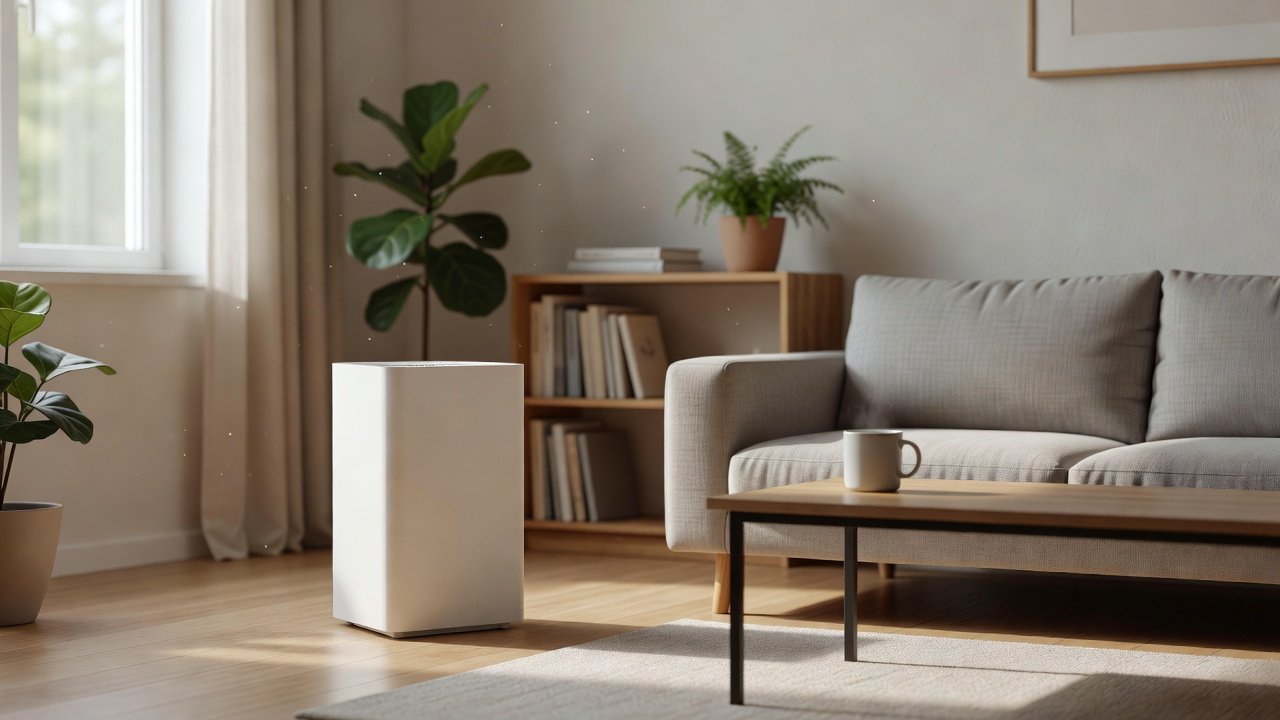
A HEPA purifier can capture airborne spores and some particles stirred up during cleaning, and carbon may reduce some musty odors. It cannot stop mold growing on damp surfaces. Use it as a supplement after you fix the moisture and clean the area. Avoid ozone devices.
How to Choose
- True HEPA filtration
- CADR suited to the room
- Carbon for musty odors
- No ozone generation
Do
- Match the unit’s rated coverage to your room first
- Run it consistently, not only when the air feels bad
- Leave space around the unit for airflow
- Replace filters on the maker’s schedule
Don’t
- Do not buy on looks or price alone
- Do not block the intake or exhaust
- Do not skip filter changes
- Do not expect a purifier to fix every source of pollution
Honest Limits
- This guide uses manufacturer information and public guidance from the EPA and AHAM, not our own lab tests.
- Features and room ratings change between model years, so confirm on the listing before you buy.
- A purifier is not a medical device and does not replace medical advice or treatment.
Who Should Skip This
When to See a Professional
Frequently Asked Questions
Can I test for mold myself?
You can look for signs and moisture; kits are of limited value.
Does a purifier remove mold?
It can capture airborne spores but not fix growth.
When should I call a pro?
For large areas, flooding or suspected hidden mold.
Are ozone machines safe for mold?
The EPA advises against ozone-emitting devices.
Bottom Line
To detect mold in your home, look for visible growth, follow musty smells, check for moisture and past leaks and use a hygrometer and moisture meter. Home spore test kits are of limited value, so call a professional for large or hidden mold. A HEPA purifier may lower airborne spores but does not fix the moisture problem.
Related reading: sens,fan,bed
Sources: EPA, Guide to Air Cleaners in the Home; AHAM Verifide.