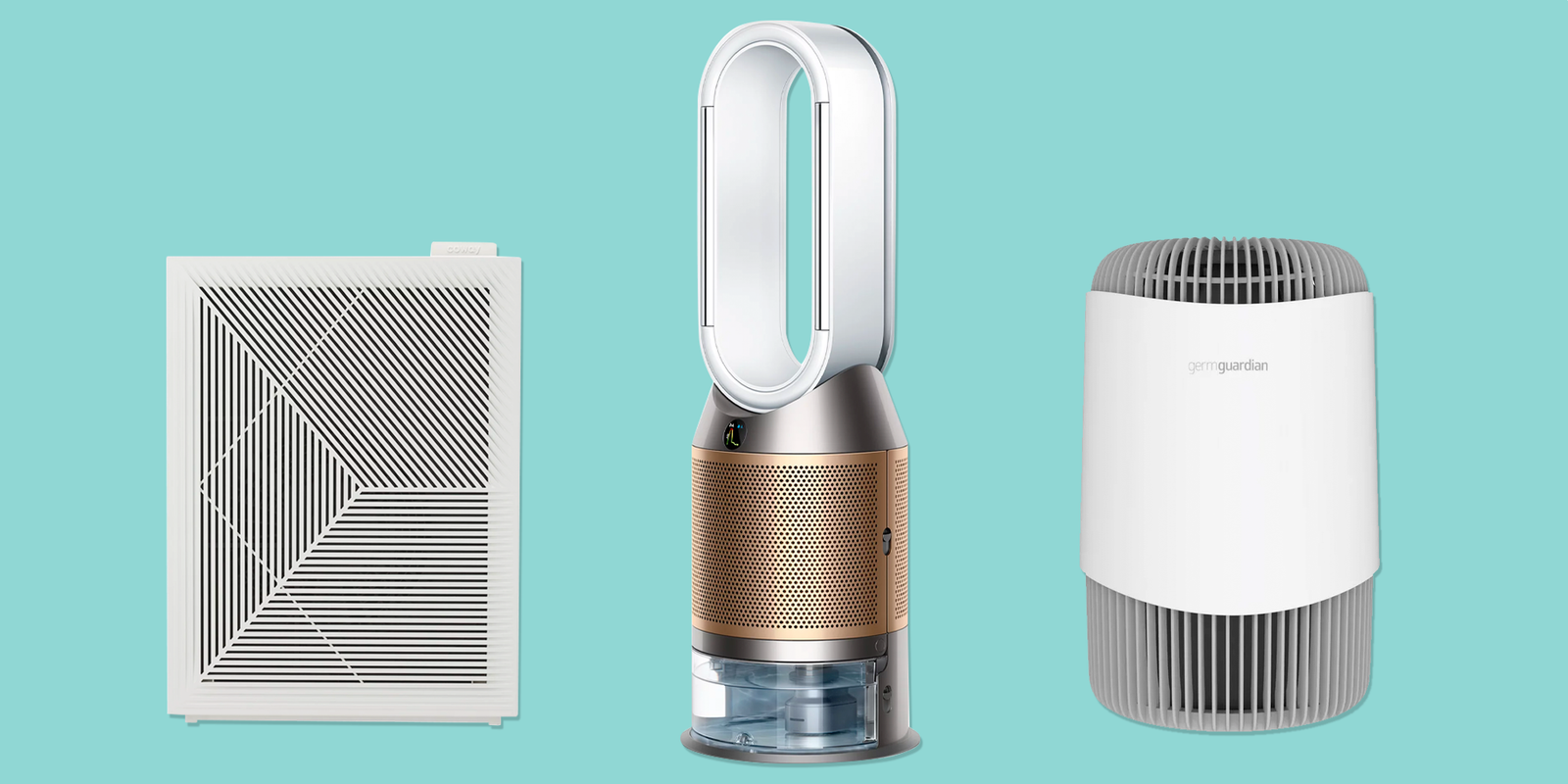
Yes, air purifiers can help remove cigarette smoke from indoor air. They capture smoke particles and reduce odors.
But how effective are they really? Cigarette smoke can linger in your home, making the air unhealthy. It contains harmful particles and chemicals. These can affect your health and comfort. Air purifiers work by filtering out these particles. They use HEPA filters, activated carbon, and other technologies.
Different purifiers have different levels of efficiency. In this blog post, we’ll explore how air purifiers work against cigarette smoke. We’ll discuss their effectiveness and what to look for when choosing one. You’ll learn how to improve your indoor air quality and breathe easier. Stay with us to find out more about air purifiers and cigarette smoke.

Credit: housefresh.com
Introduction To Air Purifiers
Air purifiers are becoming more common in homes today. Their primary goal is to improve indoor air quality. These devices can help remove pollutants, allergens, and unpleasant odors. But can they remove cigarette smoke? To understand this, let’s first explore what air purifiers are and how they work.
Purpose And Function
Air purifiers aim to clean the air by removing contaminants. They use filters and other technologies to capture particles. This helps to improve the air you breathe inside your home. Some models even tackle gases and odors. This can be beneficial for those sensitive to smoke or strong smells.
Types Of Air Purifiers
There are different types of air purifiers available. HEPA purifiers use high-efficiency particulate air filters. These can trap tiny particles, including smoke. Activated carbon filters work by absorbing gases and odors. Ionic purifiers release charged ions to bind with particles, making them easier to capture. Each type has its strengths and weaknesses.
Understanding these types will help you choose the right one. If cigarette smoke is your main concern, look for purifiers with HEPA and activated carbon filters. This combination can effectively reduce smoke and its odor. Investing in the right air purifier can make a big difference in your indoor air quality.
Components Of Cigarette Smoke
Cigarette smoke contains many harmful components. Understanding these components helps to know how air purifiers can help. Cigarette smoke is a complex mixture. It includes both chemicals and particles.
Chemical Constituents
Cigarette smoke has over 7,000 chemicals. Some of these chemicals are highly toxic. For example, nicotine, tar, and carbon monoxide are common. Nicotine is addictive. Tar causes lung cancer. Carbon monoxide reduces oxygen in the blood.
| Chemical | Effect |
|---|---|
| Nicotine | Addictive, increases blood pressure |
| Tar | Lung cancer, respiratory issues |
| Carbon Monoxide | Reduces oxygen in blood |
Health Risks
The health risks of cigarette smoke are serious. Smoke exposure can lead to many diseases. Lung cancer is one of the most severe risks. Other risks include heart disease and respiratory infections. Children and elderly people are more vulnerable.
- Lung cancer
- Heart disease
- Respiratory infections
Long-term exposure can be deadly. Even short-term exposure can cause issues. Headaches, dizziness, and eye irritation are common. Reducing indoor cigarette smoke is essential. An air purifier can help with this task.
Mechanisms Of Air Purifiers
Air purifiers work to clean indoor air. They use different filters to do this. These filters capture harmful particles. Some purifiers can remove cigarette smoke. They use special filters for this task. These filters are very effective.
Hepa Filters
HEPA stands for High-Efficiency Particulate Air. HEPA filters trap small particles. They can capture particles as small as 0.3 microns. This includes dust, pollen, and smoke. HEPA filters can remove some cigarette smoke particles. They are very efficient. But they do not remove gases or odors.
Activated Carbon Filters
Activated carbon filters work differently. They use a special type of carbon. This carbon has many tiny pores. These pores trap gases and odors. Activated carbon filters can remove cigarette smoke odors. They also remove harmful gases. These filters work best when combined with HEPA filters.

Credit: atlantahealthcare.in
Effectiveness Against Cigarette Smoke
Cigarette smoke can make indoor air unhealthy. It leaves behind harmful particles and strong odors. Using an air purifier can help clean the air. But how effective are air purifiers against cigarette smoke? Let’s explore their effectiveness in two key areas: Particle Removal and Odor Elimination.
Particle Removal
Air purifiers use filters to trap particles. Cigarette smoke contains tiny particles, which are hard to remove. High-efficiency particulate air (HEPA) filters are effective. They can trap particles as small as 0.3 microns. Here’s a brief look at how HEPA filters work:
- HEPA filters capture 99.97% of airborne particles.
- They are made of dense fibers that trap particles.
- They help reduce the number of smoke particles in the air.
Another type of air purifier uses ionizers. They release negative ions into the air. These ions attach to smoke particles. This makes the particles heavier, causing them to fall to the ground. While ionizers can reduce smoke particles, they do not remove them completely.
Odor Elimination
Removing the odor of cigarette smoke is another challenge. Air purifiers with activated carbon filters are effective here. Activated carbon filters absorb and trap odors. They work well for volatile organic compounds (VOCs) and gases. Here’s how they help with smoke odors:
- Activated carbon filters have large surface areas.
- The surface traps smoke molecules and odors.
- This process reduces the smell of smoke in the air.
Some air purifiers also use UV light technology. UV light can break down smoke molecules. This helps in reducing both particles and odors. But, UV light alone is not very effective. It works best when combined with other filtration methods.
| Feature | Effectiveness |
|---|---|
| HEPA Filters | High for particles |
| Ionizers | Moderate for particles |
| Activated Carbon Filters | High for odors |
| UV Light | Low to moderate for both |
In summary, air purifiers can help remove cigarette smoke. They reduce both smoke particles and odors. Using a combination of filters gives the best results.
Factors Influencing Performance
When considering the effectiveness of air purifiers in removing cigarette smoke from indoor air, several factors come into play. These factors can greatly influence the performance of an air purifier. Understanding these elements is crucial for achieving optimal air quality in your home.
Room Size
The size of the room where you use the air purifier matters. Air purifiers are designed for specific room sizes. A purifier suitable for a small bedroom may not work well in a large living room. Always check the recommended room size on the purifier’s specifications.
Here’s a simple guide to room sizes and suitable air purifiers:
| Room Size | Air Purifier Capacity |
|---|---|
| Small Room (up to 200 sq ft) | Compact air purifiers |
| Medium Room (200-400 sq ft) | Standard air purifiers |
| Large Room (400+ sq ft) | High-capacity air purifiers |
Filter Maintenance
Maintaining the air purifier’s filter is vital. Filters trap the smoke particles. Over time, they become clogged and less effective. Regular maintenance ensures the purifier works at its best.
Follow these filter maintenance tips:
- Check the filter status indicator regularly.
- Replace HEPA filters every 6-12 months.
- Clean pre-filters every month.
- Use genuine replacement parts.
Neglecting maintenance can reduce the purifier’s efficiency. This can allow smoke particles to remain in the air.
Comparing Different Air Purifiers
Choosing the right air purifier for cigarette smoke removal can be challenging. Different technologies offer various benefits. Understanding these can help you make an informed decision. Let’s compare some common types.
Hepa Vs. Ionic
HEPA filters are well-known for their efficiency. They trap tiny particles, including smoke. Their dense fibers capture contaminants, improving air quality. Ionic purifiers work differently. They release charged ions into the air. These ions attach to smoke particles, making them heavy. The particles then fall to the ground or stick to surfaces. Both have their pros and cons. HEPA filters are great for removing smoke particles. Ionic purifiers reduce airborne contaminants but may leave residue.
Activated Carbon Vs. Ozone Generators
Activated carbon filters are excellent for odors. They absorb smoke smells and other gases. The porous material traps these pollutants. This makes activated carbon filters ideal for cigarette smoke. Ozone generators use ozone to clean the air. Ozone reacts with pollutants, breaking them down. This can remove smoke particles and odors. However, ozone can be harmful at high levels. It’s essential to use ozone generators with caution. Activated carbon filters are safer for regular use.
Additional Strategies For Smoke Removal
While air purifiers can help in removing cigarette smoke from indoor air, they are not the only solution. There are additional strategies that can complement the efforts of air purifiers. These strategies can further enhance the air quality in your home or office.
Ventilation
Proper ventilation is key to reducing cigarette smoke indoors. It helps to circulate fresh air and remove stale, smoky air. Here are some effective ventilation methods:
- Open windows and doors to allow fresh air in.
- Use exhaust fans to draw smoke out of the room.
- Install a whole-house ventilation system for continuous air exchange.
Good ventilation not only removes smoke but also reduces other indoor pollutants. It creates a healthier living environment.
Air Quality Monitoring
Keeping track of indoor air quality is crucial. Air quality monitors can detect pollutants, including cigarette smoke. They provide real-time data on air quality levels. This helps you take timely actions to improve air quality. Consider these features when choosing an air quality monitor:
- Detection of smoke particles and other pollutants.
- Real-time alerts for high pollution levels.
- Integration with smart home systems for automated responses.
Regular monitoring ensures that you are aware of the air quality in your home. It helps you maintain a smoke-free environment.
Combining these strategies with air purifiers maximizes their effectiveness. Together, they ensure the air you breathe is clean and healthy.

Credit: www.youtube.com
Frequently Asked Questions
Can Air Purifiers Remove Cigarette Smoke?
Yes, air purifiers can help remove cigarette smoke. They use HEPA filters and activated carbon to capture smoke particles and odors.
What Type Of Filter Is Best For Smoke?
HEPA filters combined with activated carbon are best for smoke removal. They capture fine particles and neutralize odors effectively.
Do Air Purifiers Eliminate All Cigarette Smoke?
Air purifiers significantly reduce cigarette smoke, but they may not eliminate it completely. Proper ventilation also helps.
Are There Specific Air Purifiers For Smokers?
Yes, some air purifiers are designed specifically for smokers. They feature advanced filters to handle smoke particles and odors efficiently.
Conclusion
Air purifiers can help reduce cigarette smoke indoors. They improve air quality. Choosing the right purifier is crucial. Look for HEPA filters and activated carbon. These features effectively remove smoke particles. Regular maintenance ensures optimal performance. Air purifiers are not a complete solution.
Combine with good ventilation and no-smoking policies. This approach keeps indoor air healthier. Cleaner air means better health for everyone. Stay informed and breathe easier.
{ “@context”: “https://schema.org”, “@type”: “FAQPage”, “mainEntity”: [ { “@type”: “Question”, “name”: “Can air purifiers remove cigarette smoke?”, “acceptedAnswer”: { “@type”: “Answer”, “text”: “Yes, air purifiers can help remove cigarette smoke. They use HEPA filters and activated carbon to capture smoke particles and odors.” } } , { “@type”: “Question”, “name”: “What type of filter is best for smoke?”, “acceptedAnswer”: { “@type”: “Answer”, “text”: “HEPA filters combined with activated carbon are best for smoke removal. They capture fine particles and neutralize odors effectively.” } } , { “@type”: “Question”, “name”: “Do air purifiers eliminate all cigarette smoke?”, “acceptedAnswer”: { “@type”: “Answer”, “text”: “Air purifiers significantly reduce cigarette smoke, but they may not eliminate it completely. Proper ventilation also helps.” } } , { “@type”: “Question”, “name”: “Are there specific air purifiers for smokers?”, “acceptedAnswer”: { “@type”: “Answer”, “text”: “Yes, some air purifiers are designed specifically for smokers. They feature advanced filters to handle smoke particles and odors efficiently.” } } ] }
Rakib Sarwar is a Registered Pharmacist and a reputed health and wellness blogger. He has a great interest in Air purifiers.