Last updated:
Disclosure: As an Amazon Associate we earn from qualifying purchases. This does not change what we recommend. See our affiliate disclaimer.
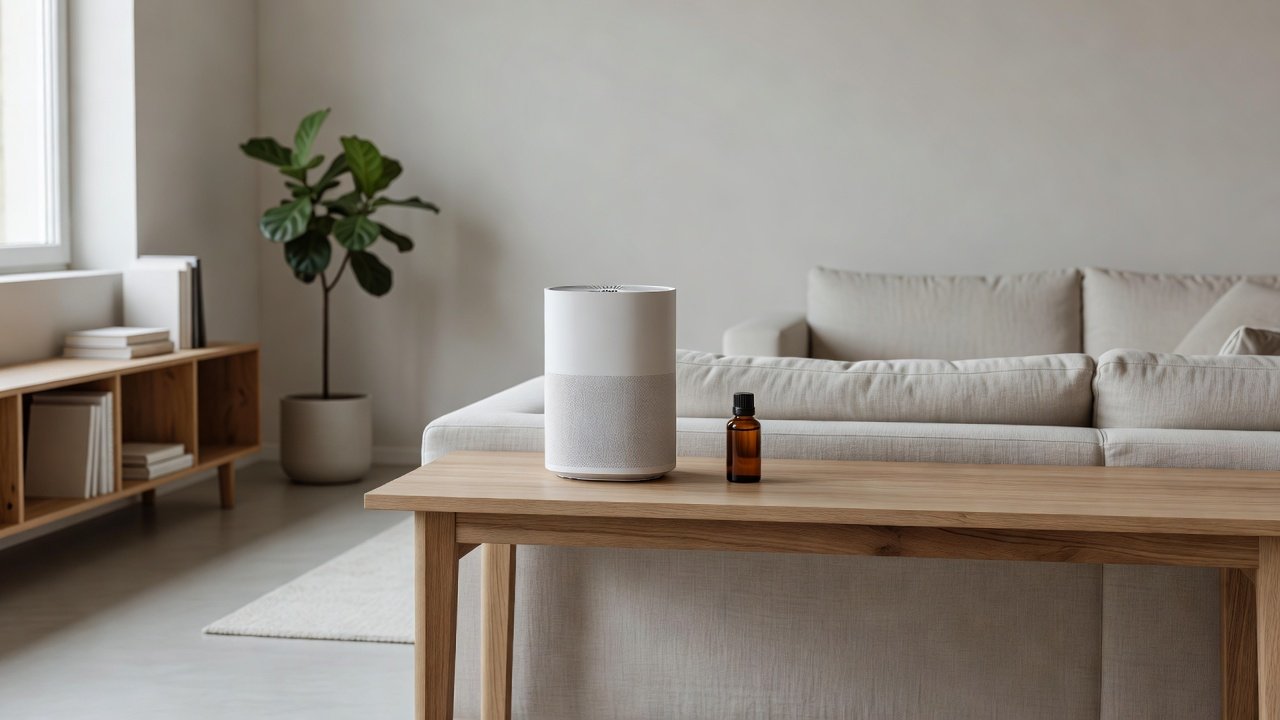
Adding a few drops of essential oil to an air purifier sounds like an easy way to get a fresh scent and clean air at the same time. In most cases it is a poor idea. Oils can clog pre-filters, coat HEPA media, damage carbon, foul sensors and, in some units, create a fire or warranty problem. The oil is also not a purifier ingredient, so it does not make the air cleaner.
This guide explains the risks, shows what to do if you already tried it, and offers safer ways to enjoy scent. We have not tested these products ourselves, so follow your manual and the manufacturer instructions. If your model has a scent feature built in, use only the products the maker approves.
Why it is risky
- Oil can clog or coat filters and sensors
- Fragrance can add particles and VOCs to the air
- Many warranties exclude oil use or damage
Safer options
- Use a separate diffuser away from the purifier
- Use only maker-approved scent features
- Ventilate and remove odor sources
Key Takeaways
- Essential oils can clog filters, foul sensors and void warranties
- Fragrance changes smell, not air quality, and can add compounds
- If oil was added, unplug the unit and replace oily filters
- Use a separate diffuser at a distance, or a carbon filter for odors
How to Choose a Purifier for Odors
For cooking, pet, smoke or musty smells, look for a unit with a meaningful amount of activated carbon, not a thin carbon-coated sheet. Check the carbon weight if the maker lists it, the room size rating and the replacement cost. Pair the purifier with source control, such as cleaning the litter box, using the range hood and fixing damp problems. This approach does more for odors than any added fragrance.
What to Check on the Product Page
Before buying, read the maker’s notes on oils, scents and cleaning. Look for the filter types and their replacement schedule, the room size rating and the noise level at low speed. Check recent owner feedback about odors and about scent-related problems, and confirm that replacement filters will be available for several years. Because models change, confirm specs on the product page.
Cleaning Up After an Oil Mishap
If a small amount of oil reached the exterior or the interior, wipe it with a dry cloth first and then a lightly dampened cloth with a drop of mild dish soap, following the manual. Dry thoroughly before plugging in. Do not use more oil, sprays or air fresheners in the filter area. If the unit still smells or the sensor is erratic after you replace filters, contact the manufacturer and describe what happened, so they can advise on service or replacement.
Everyday Habits That Keep Air Fresher
Open windows when outdoor air is clean, run the kitchen or bathroom fan, empty the trash and litter box often, wash bedding and vacuum with a HEPA vacuum. These habits remove sources of odor and particles and let the purifier work more efficiently. A purifier is best treated as one part of a routine, not as a stand-alone fix.
Reading the Warnings in Product Listings
Be cautious with listings that promise scent features, aromatherapy or additive pads without naming the maker’s approved products. Look for clear statements about what may be added to the unit, and treat vague claims with suspicion. A scent feature should be a documented part of the design, with parts you can buy from the manufacturer, not an improvised oil-soaked pad. When in doubt, ask the seller or the manufacturer in writing and keep the reply with your purchase records.
Air Purifiers to Compare Instead
If you want a purifier that handles odors properly, look for models with a real activated carbon layer rather than scent additives. These options come from the Hostinger affiliate plugin. Specs change by model year, so confirm filter type, any scent features and replacement filter cost on the product page.






What Happens When Oil Meets a Purifier
An air purifier moves air through filters, and a few drops of oil on a pad or filter can spread as a film across the media. HEPA filters work by capturing particles in a fine fiber mat, and a layer of oil can reduce airflow, attract more dust and make the filter heavier and harder to clean. Activated carbon can be saturated by oil, which uses up its capacity to adsorb odors and gases.
Sensors are also at risk. Particle sensors use light or a laser, and oil droplets can coat the lens or the channel and trigger false readings. A fouled sensor can make auto mode behave oddly, and the manufacturer may not cover the damage.
Scent and Air Quality Are Not the Same Thing
Essential oils are volatile organic compounds. Some can react with other chemicals in indoor air and form secondary pollutants, and fragrance can irritate people with asthma, allergies or chemical sensitivities. Using a purifier to carry fragrance may add particles and compounds to the air rather than remove them.
If anyone in the home has breathing problems, check with a medical professional before using essential oils or fragrance products, and be especially careful around babies, children and pets.
What to Do If You Already Added Oil
Stop using the purifier, unplug it and remove the filters. Look for oil on the pre-filter, the HEPA filter and the carbon layer, and check the intake for residue. A greasy or strongly scented filter should be replaced, because wiping rarely removes oil from the media. Wipe the interior and the sensor area with a dry or lightly dampened cloth as the manual allows.
Let everything dry, put in new filters where needed and run the unit for a short test. If you notice odors, noise or a sensor that behaves strangely, contact the manufacturer.
Why Fragrance Is Not Filtration
Many people expect a pleasant scent to mean fresher air, but fragrance only changes what you smell. It does not remove dust, pollen, smoke or gases. A purifier with a good HEPA filter reduces particles, and a carbon layer can reduce some odors and gases, but neither is designed to be a scent carrier. Mixing the two can reduce the performance you bought the purifier for.
Think of it as two separate jobs. Cleaning air is one job, and scenting a room is another. Keeping them separate protects your filters and your lungs.
Fire, Heat and Warranty Concerns
Essential oils are flammable, and some purifiers have warm electronics, heating elements or moving parts. Oil on or near these parts is a safety risk. Most manuals say not to add liquids, oils or sprays to the unit, and a warranty claim can be refused if oil is found in the filter bay or on the sensor. Check your manual before trying anything unusual, and ask the manufacturer if you are not sure.
Safer Ways to Scent a Room
If you enjoy scent, use a separate diffuser or a simmer pot in a different room or at a distance from the purifier, and keep it well ventilated. Choose products labeled for use around children and pets only if appropriate, and avoid using them in small, closed rooms. Many people find that simply removing odor sources and opening windows when outdoor air is clean is enough. For lingering odors, carbon filtration and cleaning the source work better than masking them.
Pets, Children and Sensitive People
Some essential oils are toxic to pets, particularly cats and birds, and can irritate children and sensitive adults. Even oils that smell pleasant can trigger headaches or breathing symptoms. If anyone in the home is sensitive, avoid adding fragrance in any form near the purifier. If a pet or child shows signs of distress, move them to fresh air and contact a medical professional or veterinarian.
If Your Purifier Has a Scent Feature
A few models include a scent tray, fragrance pod or aroma function. Use only the products the manufacturer sells or approves, follow the amounts in the manual and keep the tray away from the filters. Read the warranty to see whether third-party oils are covered. If you notice a change in performance, remove the scent product for a week and see whether things return to normal.
How to Choose
- Choose a carbon filter for odors instead of adding fragrance
- Look for a clear manufacturer statement about oils and additives
- Prefer models with simple, serviceable pre-filters
- Keep scent products in a separate room or device
Do
- Match the unit’s rated coverage to your room first
- Run it consistently, not only when the air feels bad
- Leave space around the unit for airflow
- Replace filters on the maker’s schedule
Don’t
- Do not buy on looks or price alone
- Do not block the intake or exhaust
- Do not skip filter changes
- Do not expect a purifier to fix every source of pollution
Honest Limits
- This guide uses manufacturer information and public guidance from the EPA and AHAM, not our own lab tests.
- Features and room ratings change between model years, so confirm on the listing before you buy.
- A purifier is not a medical device and does not replace medical advice or treatment.
Who Should Skip This
When to See a Professional
Frequently Asked Questions
Can I put essential oil on my air purifier filter?
It is not recommended. Oil can coat the media, reduce airflow and void the warranty. Use a separate diffuser instead.
Will essential oils make my purifier smell nice?
They may, but they can damage filters and add compounds to the air. A carbon filter works better for odors.
Can oil damage the sensor?
Yes. Oil droplets can coat the sensor and cause false readings or erratic auto mode behavior.
What should I do if I already added oil?
Unplug the unit, remove the filters, replace any oily ones, wipe the interior and test the unit before using it again.
Bottom Line
Essential oils do not belong in an air purifier unless the manufacturer specifically provides and approves a scent feature. They can clog filters, foul sensors and add compounds to the air. If you want a nice scent, use a separate diffuser at a distance, and for real odors, use carbon filtration and remove the source. If you already added oil, unplug the unit and replace any oily filters.
Related reading: sens,fan,bed
Sources: EPA, Guide to Air Cleaners in the Home; AHAM Verifide.