Last updated:
Disclosure: As an Amazon Associate we earn from qualifying purchases. This does not change what we recommend. See our affiliate disclaimer.
A clicking sound is easy to ignore in the day and impossible to ignore at 2 a.m. The good news is that most clicking in an air purifier is harmless: plastic expanding as the room cools, a damper or sensor shutter moving in auto mode, or a filter that is not quite seated. A few causes do deserve attention, such as debris touching the fan or a motor that is wearing out.
This guide sorts the clicks by pattern so you can match what you hear to the likely cause. We have not tested these products ourselves, so the advice is general. Check your manual for model-specific steps, and contact the manufacturer if the sound is grinding, scraping, or comes with a burning smell.
Usually harmless
- Slow tick as plastic warms and cools overnight
- Single click when auto mode changes fan speed
- Soft click from a sensor shutter or louver
Worth checking
- Fast repeating click tied to the fan speed
- Click with a rattle that changes when you touch the case
- Click with grinding, burning smell or a hot case
Key Takeaways
- Slow ticking at night is usually thermal expansion and harmless
- A single click with a speed change is normal in auto mode
- A fast click that follows the fan speed points to debris or a loose part
- Grinding, burning smells or heat mean stop and contact the manufacturer
Sleep Mode and Quiet Settings Compared
Sleep mode usually lowers the fan speed, dims the lights and reduces sensor-driven changes, which also reduces the number of clicks and speed shifts you hear. If your model has a night mode or quiet setting, test it for a few nights and compare it with auto. A lower speed moves less air, so check that the unit is still sized for the room, and increase the speed in the daytime when you are out of the bedroom.
Choosing a Quieter Purifier Next Time
Compare published noise figures at the lowest speed, not only at the top speed. Look for a real sleep mode, a dimmable display, easy filter seating and a washable pre-filter. Check recent owner feedback for nighttime noise, and remember that individual units vary. Because models change, confirm specs and filter availability on the product page.
What to Tell Support if the Click Continues
Describe when it happens, which setting you are on, whether the sound follows the fan speed and whether it continues with the fan off. Share the model number, the purchase date and a short audio clip. Say what you already tried, such as re-seating the filters and moving the unit to a hard floor. A clear description gets a faster answer and helps the manufacturer decide between a part replacement and a warranty swap.
Keeping a Sound Log Helps
If the noise is intermittent, a short log makes the cause obvious. Note the time, the fan speed, whether auto mode was on and what else was happening, such as the heating coming on or a door opening. After a week the pattern usually points to thermal movement or a sensor-driven change. If the sound never changes with settings or time of day, treat it as mechanical and work through the seating and debris checks again before contacting support.
Quiet Air Purifiers to Compare for Bedrooms
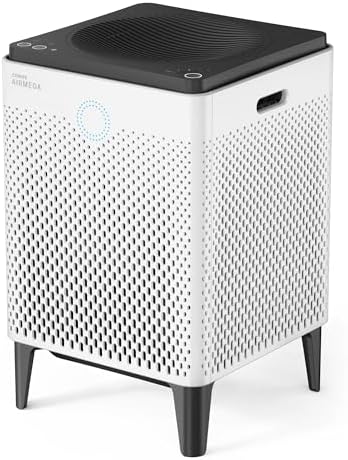
If your current unit is old, noisy at every setting or no longer supported, replacing it may be easier than chasing the sound. These options come from the Hostinger affiliate plugin. Specs change by model year, so confirm noise levels, sleep mode and filter availability on the product page.





Match the Click to the Pattern
Start by noticing when the click happens. A slow, irregular tick every few minutes that fades after the room settles is typically thermal: plastic housings expand and contract with small temperature changes, and bedrooms cool off at night. A single click that comes with a change in fan sound often means the unit changed speed in auto mode after its sensor saw a shift in air quality.
A fast, steady click that speeds up when the fan speeds up is different. That pattern follows the spinning part, so look for something touching the blades or a loose component rattling with each turn. Record a short audio clip on your phone at each fan speed so you can compare patterns and describe them accurately if you contact support.
Auto Mode and Sensors
Many purifiers adjust the fan automatically using a particle or air quality sensor. When the reading changes, the unit may click as a relay or switch moves, then change speed. At night, small changes such as a door opening or a heating system cycling can trigger this more often than you expect.
If the clicking bothers you, try a fixed low speed or the manufacturer sleep mode for a few nights and see whether it stops. If it does, the sound is part of normal auto behavior rather than a fault.
Loose Filters, Covers and Debris
A filter that is slightly off its seat, a cover that is not latched or a pre-filter that has shifted can all tick against the housing as air pushes on them. Unplug the unit, remove the filters, check the guides and gaskets, and re-seat everything in the order shown in the manual.
Also look for debris. A pet hair clump, a bit of packaging or a fallen leaf can touch the fan guard once per rotation. Use a dry cloth or soft brush on visible areas only, and never push tools into the fan.
Thermal Ticking: Why Plastic Clicks as the Room Cools
Every plastic part expands slightly when warm and contracts when cool. An air purifier that has been running all day holds a little heat from its motor and electronics, and when the room cools at night the housing can tick as it settles. The sound is usually slow, irregular and a bit like a radiator or a car engine cooling down.
You can test this by switching the unit off for ten minutes during the evening and listening as it cools. If the same ticks appear with the fan off, the cause is thermal movement, not the fan or motor. It is normal and does not affect performance.
Relays, Dampers and Child-Lock Parts
Some models have a small relay, a damper or a shutter that opens and closes when the unit starts, stops or changes mode. These can produce a distinct single click. If you use a timer, scheduled start or smart-home automation, the click may line up with those events. Check the app or timer log to see whether the sound matches a scheduled change.
A Short Troubleshooting Routine for Night Noise
Unplug the unit and wait a minute. Remove each filter, check for debris, and re-seat them in order. Close and latch the cover. Place the purifier on a flat, hard surface away from walls and furniture that can resonate. Plug it in and listen at low, medium and high settings, then with auto mode on. Change only one thing at a time, so you know what worked.
Keep a simple note of the date, the setting and when the click occurs. If the pattern follows the fan speed, the cause is mechanical. If it follows a schedule or a mode change, the cause is electronic and normal.
Placement and Surface Effects
A purifier on a thin shelf, a wooden bedside table or a stack of books can amplify a quiet click into a clear tap. Moving it to the floor or a sturdy surface often removes the problem entirely. Leave the clearance your manual recommends so airflow is not restricted, because blocked intakes make the fan work harder and noisier. A thin rubber or felt pad under the feet can help if the manual allows it.
When the Sound Means Something Is Wrong
Stop using the purifier and contact the manufacturer if you notice grinding, scraping, a burning smell, a hot case, sparks or a tripped breaker. Those are not normal. Have the model number, purchase date and a short audio clip ready, and ask about the warranty. If the unit is old and the part is not available, compare current options in the table above and confirm filter availability before you buy.
How to Choose
- Look for a published low-speed noise figure and a real sleep mode
- Choose a model with a dimmable display so the room stays dark
- Prefer a design with easy filter seating and a clear latch
Do
- Match the unit’s rated coverage to your room first
- Run it consistently, not only when the air feels bad
- Leave space around the unit for airflow
- Replace filters on the maker’s schedule
Don’t
- Do not buy on looks or price alone
- Do not block the intake or exhaust
- Do not skip filter changes
- Do not expect a purifier to fix every source of pollution
Honest Limits
- This guide uses manufacturer information and public guidance from the EPA and AHAM, not our own lab tests.
- Features and room ratings change between model years, so confirm on the listing before you buy.
- A purifier is not a medical device and does not replace medical advice or treatment.
Who Should Skip This
When to See a Professional
Frequently Asked Questions
Is a clicking air purifier dangerous?
Light ticking is usually harmless. Grinding, scraping, burning smells or a hot case are not, so unplug the unit and contact the manufacturer.
Why does my air purifier click only at night?
The room cools, plastic contracts, and auto mode sometimes adjusts as air conditions change. Both are common in bedrooms.
Can a dirty filter cause clicking?
Indirectly. A loose or misaligned filter can tick against the housing. Re-seat it in the order shown in the manual.
Should I turn auto mode off?
You can try a fixed low speed or sleep mode for a few nights. If the click stops, it was part of normal auto behavior.
Bottom Line
Most nighttime clicking is thermal expansion, auto-mode changes or a loosely seated part, and all three are easy to check. Re-seat the filters, try a fixed low speed, and place the unit on a hard flat surface. If the click is fast, grinding or comes with a hot or burning smell, unplug it and contact the manufacturer.
Related reading: sens,fan,bed
Sources: EPA, Guide to Air Cleaners in the Home; AHAM Verifide.