Last updated:
Disclosure: As an Amazon Associate we earn from qualifying purchases. This does not change what we recommend. See our affiliate disclaimer.
When wildfire smoke drifts into your area, the goal is to keep as much smoke out as you can and clean the air that gets in. The most effective plan combines a few steps: close windows and doors, run your heating and cooling system on recirculate with a good filter, use a properly sized true HEPA purifier, and set up one room as a clean space where you spend the most time.
Smoke contains fine particles and gases. A true HEPA filter captures many fine particles, and a substantial activated carbon filter may reduce some smoke odors, but neither makes indoor air perfectly clean. This guide follows public guidance from agencies such as the EPA and is not medical advice. We have not tested these products ourselves. If you have heart or lung conditions, ask your clinician about a smoke plan.
Do
- Keep windows and doors closed
- Run a true HEPA purifier
- Use recirculation and a good HVAC filter
Avoid
- Ozone-emitting air cleaners
- Frying, candles and indoor burning
- Vacuuming without a HEPA vacuum
Key Takeaways
- Keep windows and doors closed
- Run a properly sized true HEPA purifier
- Use recirculation and a good HVAC filter
- Avoid ozone devices
How Smoke Gets Indoors
Smoke enters through open windows and doors, gaps around frames, vents, chimneys, leaky ducts and fresh-air intakes on ventilation or HVAC systems. Even in a closed home, indoor levels can rise over time, so ongoing filtration matters.
Reducing leaks and setting up filtration limits how much gets in and how quickly it is removed. Both matter: sealing slows infiltration and filtration cleans what still comes in.
Sizing Your Purifier for Smoke Days
A rule of thumb is a CADR of about two thirds of the floor area for 8 foot ceilings, but smoke events are a good reason to size up. A higher CADR lets you clean the air faster at a speed you can tolerate. Calculate your room area, then choose a unit with margin.
If one unit cannot cover your space, prioritize the room where you sleep. Several smaller units in key rooms may work better than one large unit in an open area with many doors.
Filter Care During Smoke Season
Smoke loads filters faster than ordinary dust. Check the filter indicator, look for darkening and listen for rising fan noise. Replace HEPA and carbon filters as the manual directs, or sooner if airflow drops.
Keep spare filters on hand. Do not wash HEPA filters unless the manual says they are washable, and do not use compressed air on them.
A DIY Option and Its Limits
Some public health guidance describes DIY fan-and-filter purifiers as a stopgap when commercial units are unavailable. They are less quiet and less predictable than certified units, and they need a suitable fan and careful use.
If you try one, follow reputable guidance, never leave a fan running unattended and keep cords and heat sources in mind. A well-sized true HEPA purifier remains the simpler, safer choice.
Plan Ahead for Smoke Season
Before smoke arrives, buy spare filters, check that windows and doors close well, identify your clean room, stock supplies such as medications and know where to get air quality updates. Talk to your clinician if you have a respiratory or heart condition.
Preparation is cheaper and less stressful than scrambling when air quality drops.
What to Do With Pets and Kids
Keep pets indoors on smoky days and provide water and a place to rest in the clean room. Keep children’s outdoor play to a minimum and follow local guidance. Watch for signs of discomfort and ask a vet or pediatrician if worried.
When to Seek Help
Seek medical advice for breathing difficulty, chest pain, severe coughing or symptoms that worry you. Do not rely on a purifier during an emergency. Follow local evacuation orders and official guidance.
Air Purifiers for Wildfire Smoke Days
These picks come from the Hostinger affiliate plugin. Specs change by model year, so confirm filter type, CADR, noise and replacement filter costs on the product page.






Check the Air Quality First
Look at your local air quality index from official sources such as AirNow to see current conditions and forecasts. Smoke levels can change quickly through the day, so check again before opening windows or going outside.
Use the guidance for sensitive groups if you or someone in your home has asthma, heart or lung disease, or is pregnant, elderly or a young child.
Seal Up the Home
Close windows and doors, and seal obvious gaps with weatherstripping or tape for the duration of the event. Turn off whole-house fans or economizer settings that pull in outdoor air.
Run your air conditioner on recirculate if you have the option, so it reuses indoor air rather than pulling in smoky outdoor air. Clean or replace outdoor intake filters as directed.
Upgrade the HVAC Filter If Your System Allows
A higher-efficiency filter, often one rated MERV 13 or higher if your system is designed for it, captures more fine smoke particles than a basic filter. Check your manual first, because a very dense filter can restrict airflow in equipment not designed for it.
Replace the filter more often during heavy smoke, since it loads quickly. If you are unsure what your system can handle, ask an HVAC professional.
Use a True HEPA Purifier
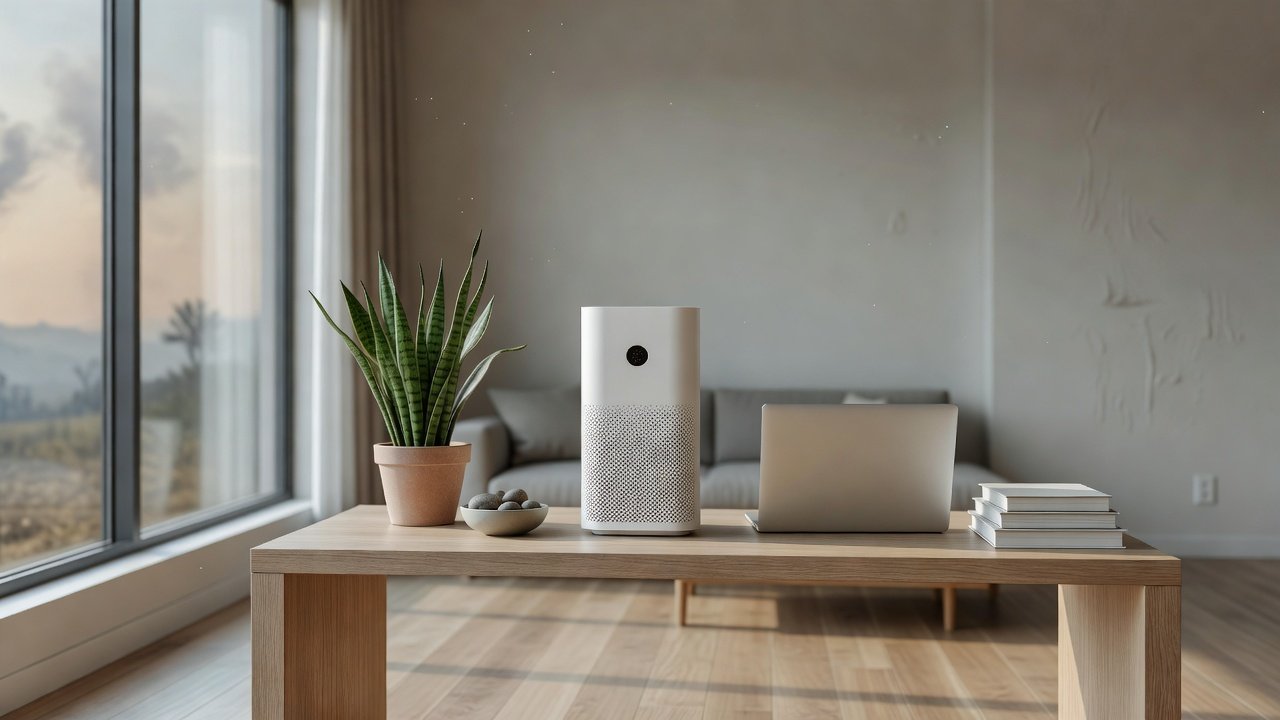
A true HEPA purifier with enough CADR for the room is the main tool for cleaning indoor air during smoke. Choose a unit sized for the room, with extra margin so it can run at a higher speed during the worst days.
Place it where you spend the most time, with clearance on all sides and the door closed. Replace filters on schedule, because smoke loads them faster than normal.
Set Up a Clean Room
Pick one room, usually a bedroom, and make it your cleaner space. Close the door, run the purifier and avoid bringing in smoke on clothing. Spend as much time there as you can on bad days.
Keep an eye on comfort and temperature. Do not seal a room so tightly that you lose a safe way to leave in an emergency.
Avoid Adding to the Smoke Indoors
Do not burn candles, incense or wood fires, and avoid frying or broiling, which add particles. Avoid vacuuming with a vacuum that lacks a HEPA filter, since it can stir up particles.
Do not smoke indoors. Gas stoves also add combustion products, so use them sparingly and ventilate with a range hood vented outside only if outdoor air is acceptable.
Masks Outdoors
If you must go outside, public health guidance generally recommends a well-fitting respirator such as an N95 rated for fine particles, rather than cloth or surgical masks. Fit matters.
Masks are not a substitute for staying indoors on very smoky days. People with lung or heart conditions should ask a clinician before using a respirator.
Avoid Ozone Devices
The EPA advises against ozone-emitting air cleaners because ozone can irritate the lungs. Choose a true HEPA purifier without ozone features.
Ionizer or plasma features should be switchable off or avoided if you are unsure.
Keep Cool and Hydrated
Sealed homes can get hot. Use air conditioning on recirculate, close curtains on sunny sides and drink water. Check on elderly neighbors and relatives.
If you have no air conditioning, check local clean air shelters or cooling centers.
After the Smoke Clears
When outdoor air improves, open windows for a good airing, replace HVAC and purifier filters and clean surfaces with damp cloths. Wash bedding and clothes that smell of smoke.
Keep spare filters on hand for the next season so you can replace them quickly.
How to Choose
- True HEPA filtration
- High CADR for the room
- Substantial activated carbon if smoke odor bothers you
- Easy, affordable filter replacement
Do
- Match the unit’s rated coverage to your room first
- Run it consistently, not only when the air feels bad
- Leave space around the unit for airflow
- Replace filters on the maker’s schedule
Don’t
- Do not buy on looks or price alone
- Do not block the intake or exhaust
- Do not skip filter changes
- Do not expect a purifier to fix every source of pollution
Honest Limits
- This guide uses manufacturer information and public guidance from the EPA and AHAM, not our own lab tests.
- Features and room ratings change between model years, so confirm on the listing before you buy.
- A purifier is not a medical device and does not replace medical advice or treatment.
Who Should Skip This
When to See a Professional
Frequently Asked Questions
What is the best air purifier for wildfire smoke?
A true HEPA unit with enough CADR for the room; carbon may help with odors.
Should I open windows?
Not while smoke is heavy. Check local air quality first.
Do HEPA purifiers remove smoke gases?
They capture fine particles; carbon may reduce some odors, but gases are not fully removed.
Can a HVAC filter help?
A higher-rated filter may help if your system supports it.
Bottom Line
During wildfire smoke, keep the home sealed, upgrade and maintain HVAC filtration, run a properly sized true HEPA purifier and set up a clean room. Avoid ozone devices, and ask a clinician if you have health concerns.
Related reading: sens,fan,bed
Sources: EPA, Guide to Air Cleaners in the Home; AHAM Verifide.