Last updated:
Disclosure: As an Amazon Associate we earn from qualifying purchases. This does not change what we recommend. See our affiliate disclaimer.
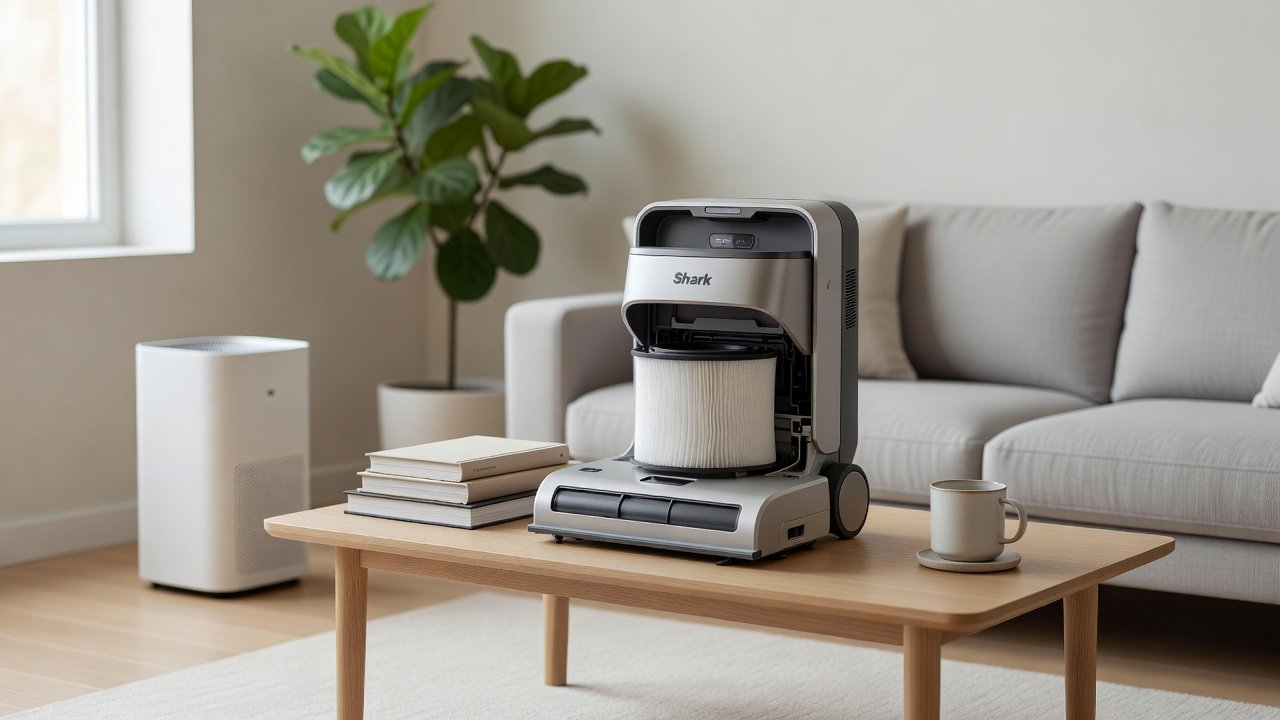
The HEPA filter in a Shark Lift-Away vacuum is part of the machine’s filtration system, and its location and removal steps vary by model. In general, you unplug the vacuum, find the filter compartment using your manual, release the cover or latch, lift the filter out carefully and install the replacement in the same orientation. Some filters are washable and others are replaced, so check your model’s manual.
This guide gives general steps and cautions and points you to the manual for model-specific details. A vacuum is not an air purifier, but its HEPA filter plays a similar role in trapping fine dust. We have not tested these products ourselves. Nothing here is medical or electrical advice.
Do
- Unplug first
- Follow your model’s manual
- Install the correct replacement
Do not
- Run without filters
- Wash non-washable filters
- Force parts open
Key Takeaways
- Unplug before you start
- Use your model’s manual
- Check if the filter is washable
- Never run without filters
Why Vacuum Filters Matter
A vacuum with a sealed system and a HEPA filter traps fine dust instead of blowing it back into the room. If the filter is clogged or missing, dust can pass through, suction drops and the motor may strain. Keeping filters clean and replacing them on schedule protects both air quality and the machine.
This is especially important if anyone in the home has sensitivities to dust or pet dander.
After You Replace It
Run the vacuum and check suction and noise. Empty the dust cup regularly, since a full cup reduces performance. Record the replacement date and set a reminder for the next change.
Pairing With an Air Purifier
Vacuuming stirs up dust temporarily. Running a purifier during and after cleaning helps capture what becomes airborne. Close doors and use a true HEPA unit sized for the room.
Troubleshooting
If suction does not improve after replacing filters, check for clogs in the hose and brush roll, and make sure all parts are seated. Contact support if problems persist.
Before You Start
Unplug the vacuum and empty the dust cup so nothing spills when the filter housing opens. Work over a bin or outdoors if the filter is heavily loaded, because a dirty HEPA sheds fine dust when handled. Have the manual or the model number handy, since Lift-Away models differ slightly in where the post-motor HEPA sits and how the cover releases.
A few minutes of preparation keeps the dust in the bin rather than in the room.
Locating the HEPA Filter
On most Shark Lift-Away uprights, the post-motor HEPA filter sits behind a grille on the lower front or side of the base, under a cover that releases with a tab or a quarter-turn. The foam and felt pre-motor filters live under the dust cup. The HEPA is the flat, pleated filter in a plastic frame; it is not the foam pad. Check the manual diagram if you are unsure which is which, because they are cleaned differently.
- Post-motor HEPA: behind the lower grille in the base
- Pre-motor foam and felt: under the dust cup
- Grille releases by tab or quarter-turn
Removing It Step by Step
- Unplug the vacuum and lay it flat or tilt the base for access
- Press the release tab or turn the grille cover and lift it away
- Grip the HEPA frame by its edges and pull it straight out
- Set it on newspaper or over a bin
- Inspect the frame for damage and the seal for wear
If the filter resists, check for a second latch rather than forcing it; the frames crack easily.
Cleaning or Replacing
Shark states that many of its HEPA filters can be rinsed with water only, no soap, and must air dry completely for at least a day before reinstalling. Follow the instruction for your specific model; if the manual says replace rather than rinse, do that. Never put a damp filter back, and never use a hairdryer or heater to speed drying. If the pleats are torn or the frame is cracked, replace the filter. Pre-motor foam and felt filters are rinsed, squeezed gently, and dried fully.
Reinstalling Correctly
Slide the dry filter in the same orientation it came out, seat it flush, and refit the grille until it clicks. Run the vacuum briefly and listen; a whistle at the grille means the filter is not seated or the seal is worn. Note the date so you know when the next check is due. Shark suggests rinsing HEPA filters roughly yearly and pre-motor filters more often, but households with pets or heavy use should check more frequently.
Why It Matters
The post-motor HEPA is the last barrier before exhaust air returns to the room. A clogged one restricts airflow and makes the motor run hot; a damaged or missing one lets fine dust blow back out. Keeping it clean and intact is what makes the vacuum a help rather than a hindrance for allergy sufferers.
Troubleshooting
If suction has dropped, check the pre-motor filters and the dust cup first, since they clog sooner than the HEPA. If the vacuum smells hot, the filters are probably loaded; clean them and let the motor cool. If the grille will not close, the filter is in backwards or not fully seated. If the vacuum stops during use, it may have overheated and will usually restart after cooling and cleaning the filters. For any burning smell or smoke, stop and contact the manufacturer.
Air Purifiers to Complement Your Vacuum
These picks come from the Hostinger affiliate plugin. Specs change by model year, so confirm filter type, CADR, noise and replacement filter costs on the product page.






Unplug and Prepare
Unplug the vacuum and empty the dust cup. Work over a bin or outdoors to avoid spreading dust.
Find the Filter Compartment
Look for a labeled cover, often on the canister or near the motor. The manual shows where the HEPA filter sits for your model.
Remove the Filter
Release the latch or twist the cover as indicated, and lift out the filter by its frame without squeezing. Note how it sits so you can install the new one the same way.
Clean or Replace
Check your manual to see whether the filter is washable. If it is, rinse as directed and dry fully before reinstalling. If not, replace it.
Reinstall and Test
Install the correct filter, close the cover firmly and run the vacuum briefly to check for unusual noise or leaks.
Which Model Do You Have?
Shark offers several Lift-Away models with different filter layouts. Find the model number on the label.
Search the manual for the HEPA filter section.
Washable Foam Filters
Some filters near the motor or in the canister are washable foam. Rinse and dry fully, which can take a day.
Never use a damp filter.
Signs You Need a New Filter
Loss of suction, dust coming from the exhaust, odors or noise changes suggest filters need attention.
Check the dust cup too.
Filter Part Numbers
Order filters that match your model number. Check the manufacturer’s site first.
Compare with reputable sellers.
Warranty and Support
Check warranty terms and contact support if you are unsure.
Keep your receipt.
How to Choose
- True HEPA filtration
- CADR suited to the room
- Easy filter replacement
- Quiet operation
Do
- Match the unit’s rated coverage to your room first
- Run it consistently, not only when the air feels bad
- Leave space around the unit for airflow
- Replace filters on the maker’s schedule
Don’t
- Do not buy on looks or price alone
- Do not block the intake or exhaust
- Do not skip filter changes
- Do not expect a purifier to fix every source of pollution
Honest Limits
- This guide uses manufacturer information and public guidance from the EPA and AHAM, not our own lab tests.
- Features and room ratings change between model years, so confirm on the listing before you buy.
- A purifier is not a medical device and does not replace medical advice or treatment.
Who Should Skip This
When to See a Professional
Frequently Asked Questions
Where is the HEPA filter?
It varies by model; check your manual.
Can I wash it?
Only if the manual says so.
How often to replace?
Follow the manual.
Can I run without a filter?
No.
Bottom Line
Follow the manual for your model, handle the filter gently and never run the vacuum without its filters installed. Replace or clean filters on schedule.
Related reading: sens,fan,bed
Sources: EPA, Guide to Air Cleaners in the Home; AHAM Verifide.