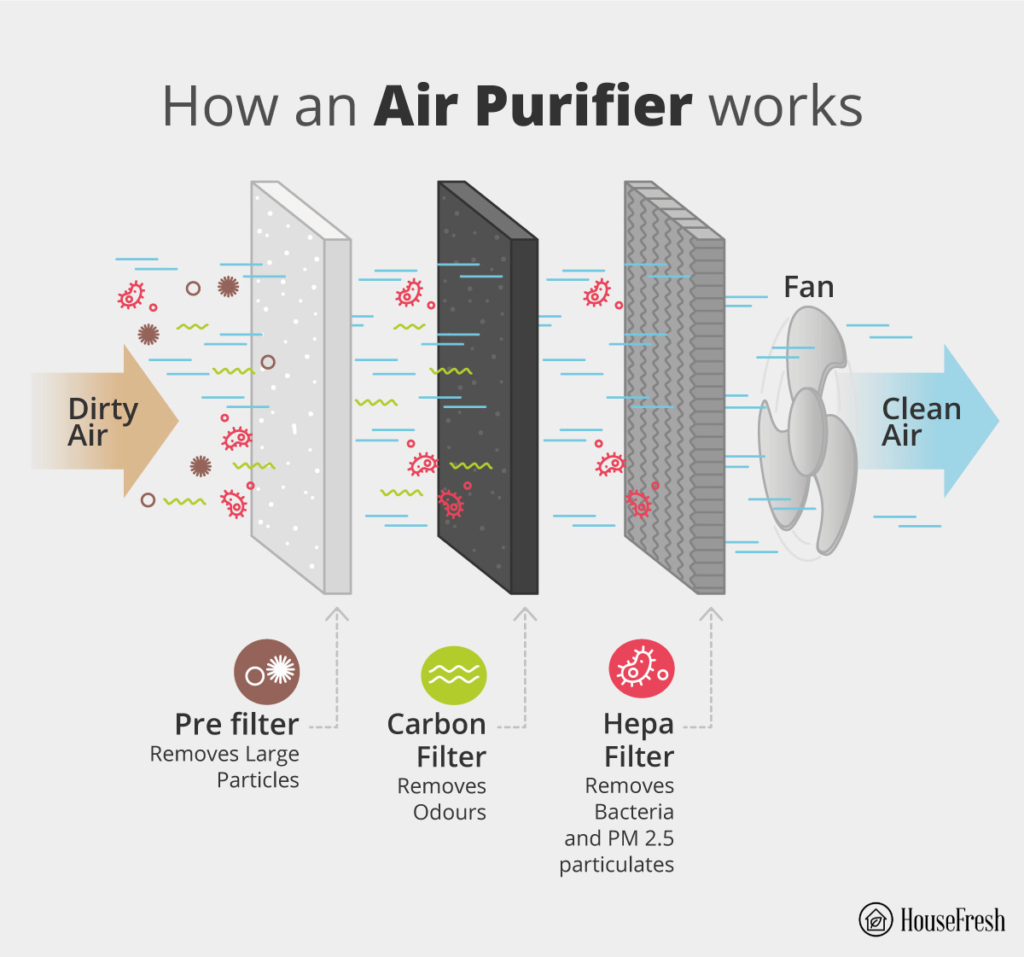
Air purifiers help improve indoor air quality by removing harmful particles. Two popular options are washable HEPA filters and disposable HEPA filters.
Choosing the right air purifier can be confusing. Washable HEPA filters offer the advantage of reusability, saving money over time. Disposable HEPA filters, on the other hand, are known for their convenience and efficiency. But which one is better for your needs?
Understanding the differences between these filters is essential. This comparison will help you make an informed decision. We will explore the pros and cons of each type, considering factors like cost, maintenance, and effectiveness. By the end, you’ll know which air purifier filter suits your lifestyle best.
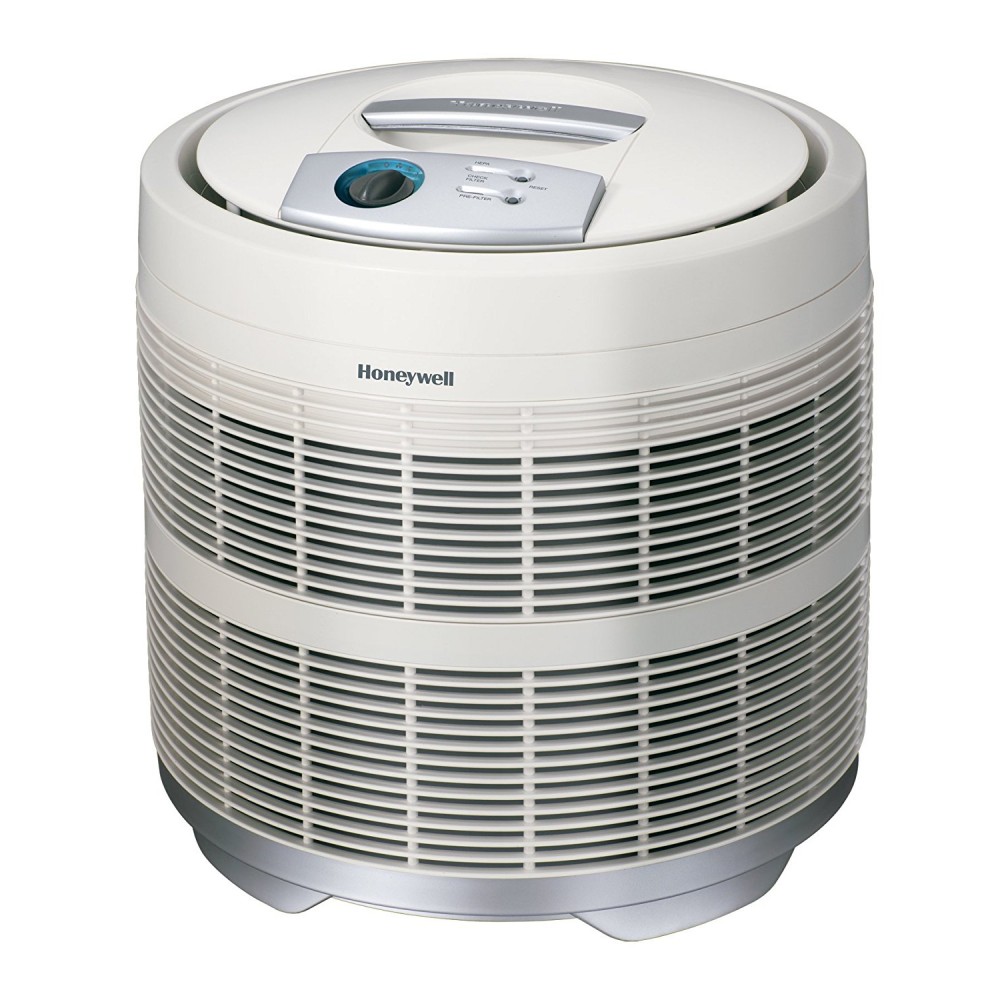
Credit: www.honeywellstore.com
Introduction To Air Purifiers
Air purifiers have become essential in our daily lives. They help to improve the air quality in our homes and offices. With increasing pollution levels, having clean air is more important than ever. Air purifiers come with different types of filters, including washable and disposable HEPA filters. Understanding their benefits can help you make the right choice for your needs.
What Are Air Purifiers?
Air purifiers are devices designed to remove contaminants from the air. These devices are essential for people who suffer from allergies or asthma. They work by trapping dust, pollen, pet dander, and other particles. The goal is to provide cleaner, healthier air.
Importance Of Air Purifiers
Having clean air is crucial for your health. Poor air quality can lead to respiratory problems and other health issues. Air purifiers help reduce these risks by removing harmful particles from the air. Here are some key benefits:
- Reduces Allergens: Helps to remove allergens like pollen and dust.
- Eliminates Odors: Removes unpleasant smells from your home.
- Improves Air Quality: Makes the air fresher and cleaner to breathe.
Choosing the right type of air purifier can make a big difference. Both washable and disposable HEPA filters have their own pros and cons. In the following sections, we will explore these differences to help you decide which is best for you.
Hepa Filters Explained
HEPA filters are essential in improving indoor air quality. They trap tiny particles that can cause health problems. This section explains what HEPA filters are and how they work, helping you choose the right air purifier for your home.
What Is A Hepa Filter?
A HEPA filter, or High-Efficiency Particulate Air filter, is a type of air filter. It removes at least 99.97% of airborne particles 0.3 micrometers or larger. These filters are used in various devices, including air purifiers, vacuum cleaners, and HVAC systems. HEPA filters are critical for people with allergies or respiratory issues.
How Hepa Filters Work
HEPA filters use a dense mat of fibers to trap particles. As air passes through the filter, particles get caught in the fibers. The filtering process involves three main mechanisms:
- Interception: Particles follow the airflow and stick to the fibers.
- Impaction: Larger particles collide with fibers and get trapped.
- Diffusion: Tiny particles move randomly and bump into fibers, getting stuck.
The combination of these mechanisms makes HEPA filters very effective. They capture dust, pollen, pet dander, mold spores, and even some bacteria and viruses. This process significantly improves air quality and reduces health risks.
Choosing between washable HEPA filters and disposable HEPA filters depends on your needs. Washable filters can be reused, saving money over time. Disposable filters need replacing regularly but often offer better performance. Understanding how HEPA filters work helps you make an informed decision for a healthier home.
Washable Hepa Filters
Washable HEPA filters are gaining popularity among air purifier users. These filters can be cleaned and reused multiple times, reducing waste. They offer an eco-friendly option for those concerned about the environment.
Benefits Of Washable Hepa Filters
One of the main benefits is cost savings. You don’t need to buy replacement filters often. This saves money in the long run.
Washable HEPA filters are also easy to maintain. Simply rinse them under water and let them dry. This process keeps your air purifier running efficiently.
These filters are eco-friendly. Reducing waste by reusing filters helps the environment. Less waste means a smaller carbon footprint.
Washable HEPA filters are durable. They are designed to last longer than disposable ones. This means fewer replacements and less hassle.
Drawbacks Of Washable Hepa Filters
There are some drawbacks to consider. Cleaning the filters can be time-consuming. It requires regular maintenance to ensure optimal performance.
Another issue is the drying time. After washing, filters must dry completely before reuse. This can take several hours or even a day.
Washable HEPA filters may not be as effective as disposable ones. Over time, their efficiency can decrease. This might affect the air quality in your home.
Some air purifier models do not support washable filters. Always check compatibility before buying. This ensures you get the right filter for your device.
Disposable Hepa Filters
Disposable HEPA filters are a popular option for many air purifiers. They are designed for single use and must be replaced periodically. These filters are known for their high efficiency in trapping small particles, including dust, pollen, and other allergens. For many households, they offer a convenient and effective way to maintain clean indoor air.
Benefits Of Disposable Hepa Filters
High Efficiency: Disposable HEPA filters can capture up to 99.97% of particles as small as 0.3 microns. This makes them highly effective in improving air quality.
Low Maintenance: Since these filters are meant to be discarded after use, there is no need for regular washing or cleaning. This saves time and effort.
Improved Air Quality: Regular replacement ensures that the air purifier continues to operate at peak performance. This consistently provides clean air.
Availability: Disposable HEPA filters are widely available and can be easily purchased from various retailers and online stores.
Drawbacks Of Disposable Hepa Filters
Cost: Over time, the cost of replacing disposable HEPA filters can add up. This makes them a more expensive option in the long run.
Environmental Impact: Disposing of used filters contributes to landfill waste. This has a negative impact on the environment.
Replacement Frequency: Depending on air quality and usage, filters may need to be replaced frequently. This could be inconvenient for some users.
Storage: Keeping a stock of replacement filters requires storage space. This might be an issue for those with limited space.
Cost Comparison
Air purifiers are essential for keeping indoor air clean. Choosing between washable HEPA filters and disposable ones can impact your wallet. This cost comparison will help you understand the financial differences.
Initial Costs
Washable HEPA filters usually come with a higher upfront cost. They are designed to last longer, which justifies the initial investment. Disposable HEPA filters, on the other hand, have a lower initial price. This makes them more appealing for buyers on a budget.
Long-term Costs
Over time, washable HEPA filters prove to be more economical. You can clean and reuse them, reducing the need for replacements. This means less frequent spending. Disposable filters require regular replacement. This leads to ongoing expenses that add up over time. Considering the long-term perspective, washable filters can save you money.

Credit: www.amazon.com
Maintenance And Durability
Choosing between air purifiers with washable HEPA filters and disposable HEPA filters often comes down to maintenance and durability. Understanding these factors can help you make an informed decision.
Maintenance Requirements
Washable HEPA filters require regular cleaning. This involves removing the filter, washing it with water, and letting it dry completely before reinserting it. The process is simple and cost-effective.
Disposable HEPA filters, on the other hand, need to be replaced periodically. They do not require washing, which can save time. However, replacing them can be costly over time.
Durability And Lifespan
Washable HEPA filters tend to have a longer lifespan. They can be reused for several years with proper maintenance. This makes them a durable option.
Disposable HEPA filters have a shorter lifespan. They need to be replaced every few months. This frequent replacement ensures optimal performance but adds to the cost.
In terms of durability, washable HEPA filters are more robust. They withstand multiple cleaning cycles. Disposable filters are less durable due to their single-use nature.
Environmental Impact
Air purifiers with washable HEPA filters reduce waste, making them more eco-friendly. Disposable HEPA filters often end up in landfills.
Air purifiers are essential for maintaining clean indoor air. Their filters play a significant role in this process. Understanding the environmental impact of these filters is crucial. Washable HEPA filters and disposable HEPA filters each have distinct effects.Environmental Benefits
Washable HEPA filters reduce waste. Users can clean and reuse them. This lowers the number of filters sent to landfills. They also decrease the need for manufacturing new filters. This reduces resource consumption. Disposable HEPA filters are often made from recyclable materials. Proper disposal can minimize their environmental footprint. Some brands use eco-friendly packaging. This further reduces waste.Environmental Drawbacks
Washable HEPA filters require water for cleaning. This can lead to water waste. They also need energy for drying. This contributes to energy consumption. Disposable HEPA filters increase landfill waste. They need regular replacement. Manufacturing them consumes resources. Packaging often involves plastics. This adds to environmental pollution. “`Making The Right Choice
Choosing between air purifiers with washable HEPA filters and those with disposable filters can be tough. Both options have their pros and cons. Understanding the key differences helps in making an informed decision.
Factors To Consider
There are several factors to keep in mind. First, think about maintenance. Washable filters need regular cleaning to stay effective. Disposable filters need to be replaced once clogged. This means recurring costs but less hassle.
Another factor is longevity. Washable HEPA filters last longer if maintained properly. Disposable HEPA filters need frequent changes. This can add to long-term expenses.
Next, consider the environmental impact. Washable filters are more eco-friendly. They reduce waste. Disposable filters contribute to landfill waste. This is a crucial point for eco-conscious buyers.
Best For Different Situations
Washable HEPA filters suit those who don’t mind regular cleaning. They are great for long-term cost savings. Ideal for homes with pets or high dust levels.
Disposable HEPA filters are best for people who prefer convenience. They are easy to replace and great for those with busy lifestyles. Perfect for spaces where air quality needs constant monitoring.
Each type has its own set of benefits. Choose based on your specific needs and lifestyle. This ensures you get the most out of your air purifier.

Credit: www.breathenaturally.com
Frequently Asked Questions
What Is A Washable Hepa Filter?
A washable HEPA filter can be cleaned and reused multiple times. This makes it cost-effective and environmentally friendly.
How Do Disposable Hepa Filters Work?
Disposable HEPA filters trap airborne particles and allergens. They need to be replaced regularly to maintain efficiency.
Are Washable Hepa Filters Effective?
Yes, washable HEPA filters are effective at removing particles. Regular cleaning ensures they maintain their performance.
Which Is More Cost-effective, Washable Or Disposable Hepa Filters?
Washable HEPA filters are more cost-effective in the long run. They reduce the need for frequent replacements.
Conclusion
Choosing the right air purifier can be challenging. Washable HEPA filters save money and reduce waste. Disposable HEPA filters provide convenience and consistent performance. Both options have their benefits. Consider your needs, budget, and maintenance preferences. Clean air is essential for health.
Make an informed decision for a fresher home.
{ “@context”: “https://schema.org”, “@type”: “FAQPage”, “mainEntity”: [ { “@type”: “Question”, “name”: “What is a washable HEPA filter?”, “acceptedAnswer”: { “@type”: “Answer”, “text”: “A washable HEPA filter can be cleaned and reused multiple times. This makes it cost-effective and environmentally friendly.” } } , { “@type”: “Question”, “name”: “How do disposable HEPA filters work?”, “acceptedAnswer”: { “@type”: “Answer”, “text”: “Disposable HEPA filters trap airborne particles and allergens. They need to be replaced regularly to maintain efficiency.” } } , { “@type”: “Question”, “name”: “Are washable HEPA filters effective?”, “acceptedAnswer”: { “@type”: “Answer”, “text”: “Yes, washable HEPA filters are effective at removing particles. Regular cleaning ensures they maintain their performance.” } } , { “@type”: “Question”, “name”: “Which is more cost-effective, washable or disposable HEPA filters?”, “acceptedAnswer”: { “@type”: “Answer”, “text”: “Washable HEPA filters are more cost-effective in the long run. They reduce the need for frequent replacements.” } } ] }
Rakib Sarwar is a Registered Pharmacist and a reputed health and wellness blogger. He has a great interest in Air purifiers.