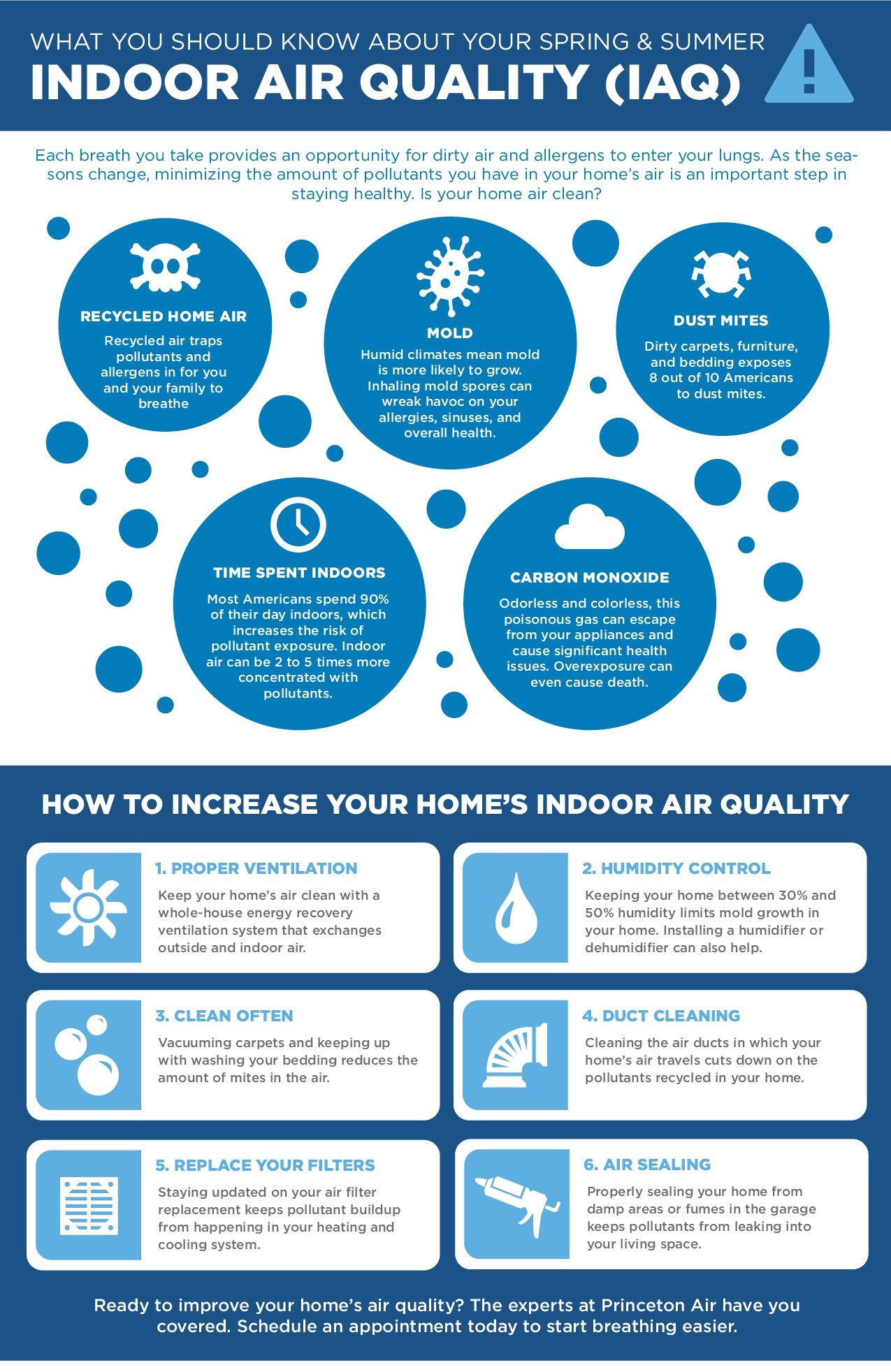
Yes, using a dirty air purifier can increase indoor air pollution. A neglected air purifier might spread contaminants rather than remove them.
Understanding this is crucial for maintaining a healthy living space. Air purifiers are essential for clean indoor air. They trap dust, pollen, and other pollutants, improving air quality. But what happens when the air purifier itself becomes dirty? Instead of helping, it may harm your home’s air.
Clogged filters can no longer effectively capture particles. This allows pollutants to circulate back into the room. Regular maintenance is key to ensuring your air purifier works properly. Let’s explore how a dirty air purifier can impact your indoor air quality and what you can do to prevent it.
Introduction To Air Purifiers
Air purifiers help keep indoor air clean. They remove pollutants like dust, smoke, and pollen. This is important for health. Clean air reduces allergies and breathing problems. Let’s explore their purpose, benefits, and types.
Purpose And Benefits
The main purpose of an air purifier is to clean indoor air. Here are some key benefits:
- Reduces Allergens: Removes dust, pollen, and pet dander.
- Eliminates Odors: Gets rid of smoke and food smells.
- Removes Harmful Particles: Filters out bacteria and viruses.
- Improves Sleep: Clean air helps you sleep better.
Common Types
There are several types of air purifiers. Each has its unique features:
| Type | Features |
|---|---|
| HEPA Purifiers | High-Efficiency Particulate Air filters. Capture 99.97% of particles. |
| Activated Carbon Filters | Absorb odors and gases. Good for smoke and cooking smells. |
| UV Purifiers | Use ultraviolet light. Kill bacteria and viruses. |
| Ionic Purifiers | Release ions to attract particles. Not as effective for allergens. |
Using a clean air purifier is crucial. A dirty filter can increase indoor pollution. Regular maintenance is key.
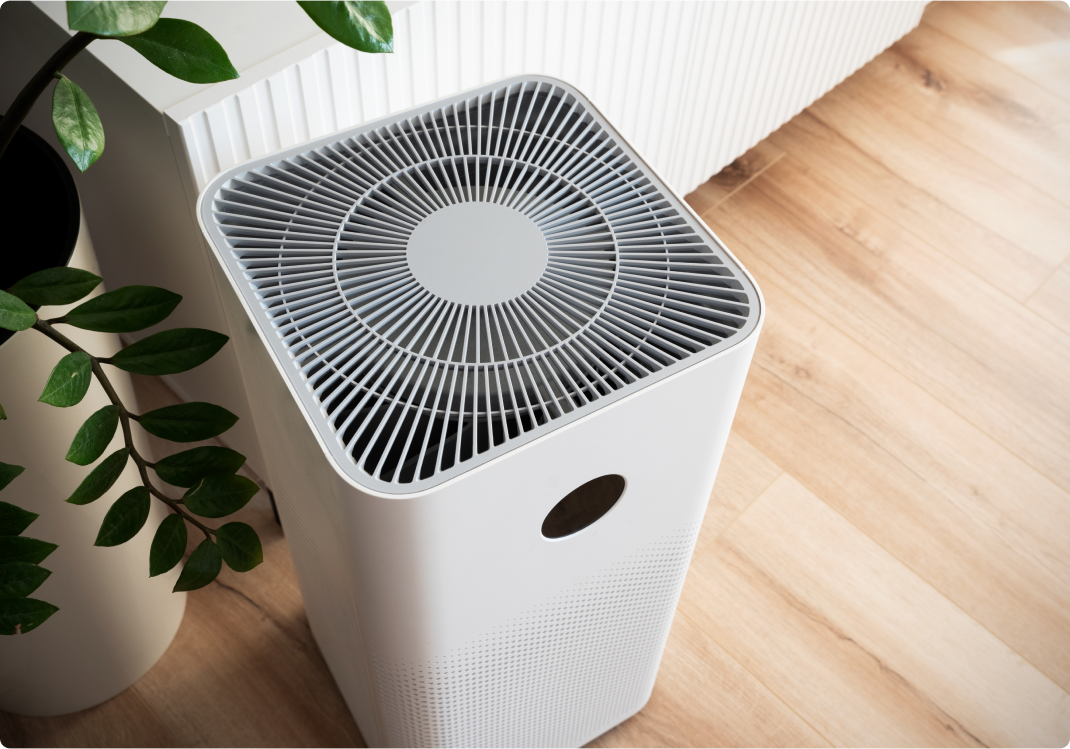
Credit: www.ahs.com
Importance Of Clean Filters
Clean filters in air purifiers are essential for healthy indoor air. Many people overlook this aspect, which can lead to increased indoor air pollution. Understanding the importance of clean filters can help maintain a healthier living environment.
How Filters Work
Air purifier filters trap dust, pollen, and other airborne particles. These particles get stuck in the filter, allowing clean air to pass through. Different filters, such as HEPA and carbon filters, target different types of pollutants.
HEPA filters remove tiny particles like allergens. Carbon filters absorb gases and odors. Together, they keep the air fresh and clean. Regular maintenance ensures these filters work efficiently.
Impact Of Dirty Filters
Dirty filters can harm indoor air quality. They get clogged with trapped particles, reducing their effectiveness. This can cause pollutants to recirculate into the air.
Here are some impacts of dirty filters:
- Reduced Efficiency: The purifier works harder to push air through a clogged filter. This can wear out the machine faster.
- Increased Energy Consumption: A dirty filter makes the air purifier use more power. This raises electricity bills.
- Health Risks: Pollutants like allergens and bacteria can re-enter the air. This can cause respiratory issues and allergies.
Regularly replacing or cleaning filters helps avoid these problems. Check the manufacturer’s guidelines for proper maintenance.
Health Risks Of A Dirty Air Purifier
Using a dirty air purifier can increase indoor air pollution. It may release trapped particles back into the air. This can lead to health risks like allergies and respiratory problems.
A dirty air purifier can harm your health. The device meant to clean air can do the opposite if not maintained. Dust and allergens can build up in the purifier. This can cause indoor air pollution. Let’s explore the health risks involved.Respiratory Issues
Dirty air purifiers can release trapped particles back into the air. These particles include dust, pollen, and pet dander. Breathing in these particles can irritate your lungs. You may experience coughing, wheezing, or shortness of breath. People with asthma may have more frequent attacks.Allergy Exacerbation
Allergens can accumulate in a dirty air purifier. These allergens include mold spores, dust mites, and pollen. When released back into the air, they can worsen allergies. You may have a runny nose, itchy eyes, or sneezing. This can make your living environment uncomfortable. Cleaning your air purifier regularly is essential. It helps ensure the air you breathe is clean and safe. This can reduce the risk of respiratory issues and allergies. “`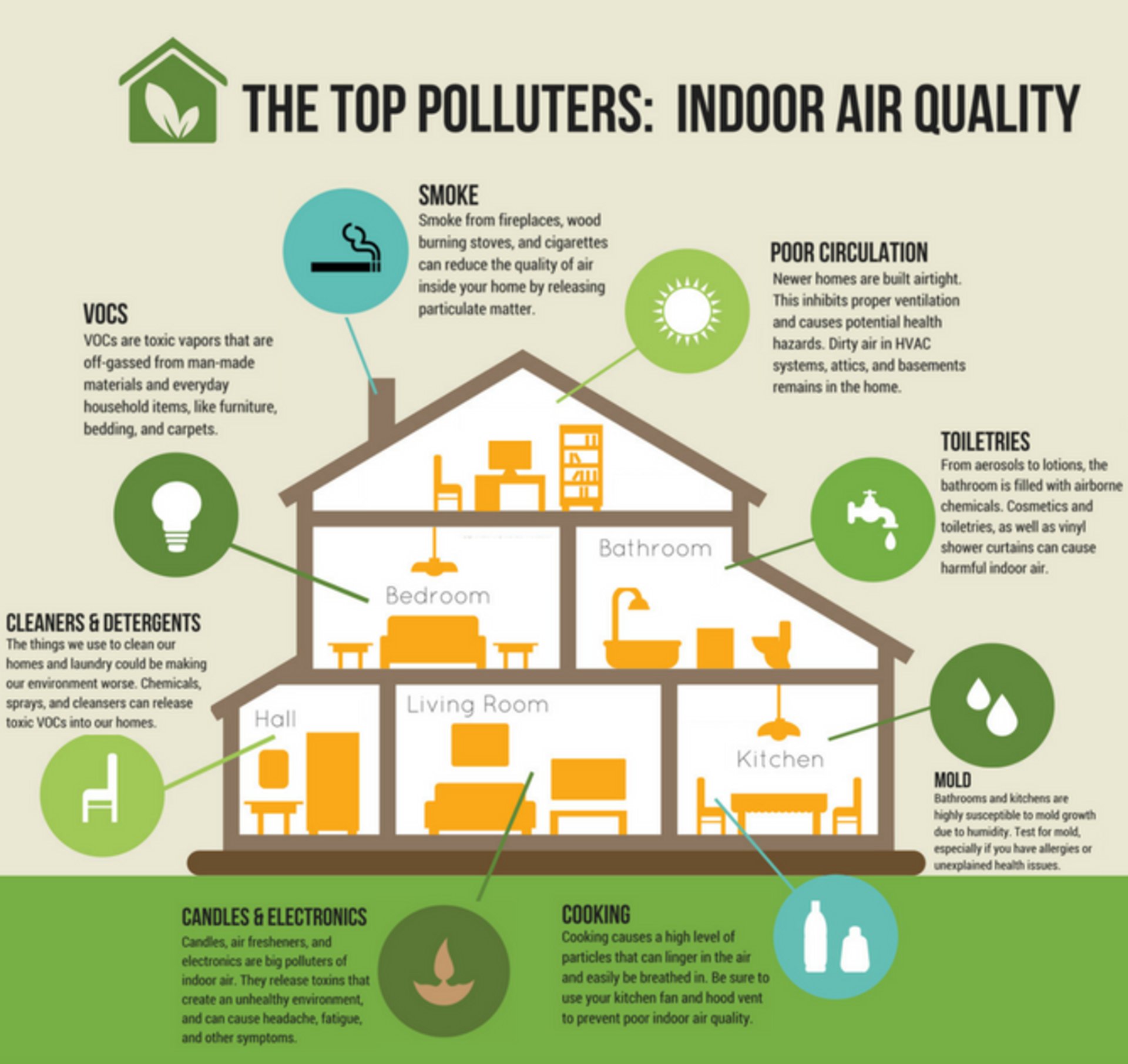
Credit: ntpropertycare.com
Signs Your Air Purifier Needs Cleaning
Keeping your air purifier clean is essential for maintaining good indoor air quality. A dirty air purifier can become a source of pollution itself. Let’s explore some signs that indicate your air purifier needs cleaning.
Visual Cues
One of the most obvious signs is visible dirt and dust on the unit. Check the exterior and vents. If you see dust buildup, it’s time for a cleaning. Another visual cue is the color of the filter. A clean filter should be white or light gray. If it appears dark or clogged, it needs replacement or cleaning.
Performance Decline
Another sign is a noticeable decline in performance. If the air in your home doesn’t seem as fresh, your purifier might be struggling. Listen for unusual noises. A clean unit runs quietly. Loud or strange sounds can indicate a blockage. Also, if you notice increased allergies or respiratory issues, your purifier may not be working effectively. A clean air purifier helps reduce these problems.
Proper Maintenance Techniques
Proper maintenance of your air purifier is crucial. A dirty air purifier can actually increase indoor air pollution. Regular cleaning and timely replacement of parts are essential. This ensures the device works efficiently and safely.
Cleaning Methods
First, unplug the air purifier. Remove the filter according to the manufacturer’s instructions. Use a vacuum cleaner with a brush attachment to remove dust from the filter. Wipe the exterior and interior of the unit with a damp cloth. Avoid using harsh chemicals. They can damage the unit. Dry all parts completely before reassembling.
Replacement Schedules
Follow the manufacturer’s guidelines for filter replacement. Most filters need changing every 3 to 6 months. Check the filter regularly for signs of wear. Replace it if it looks dirty or damaged. Keep a record of replacement dates. This helps ensure timely maintenance.
Choosing The Right Air Purifier
A dirty air purifier can indeed worsen indoor air pollution. Regular maintenance ensures it filters out pollutants effectively. Breathe cleaner air by keeping your purifier clean.
Selecting the right air purifier can seem daunting. With many options available, making an informed choice is crucial. A good air purifier can improve your indoor air quality. But a dirty air purifier can worsen it.Hepa Vs. Other Filters
HEPA filters are highly effective. They can capture 99.97% of particles as small as 0.3 microns. This includes pollen, dust, and pet dander. Other filters, like activated carbon, absorb odors and gases. Both types have their strengths. Some air purifiers use a combination of HEPA and activated carbon filters. This provides both particle and gas removal. Make sure to check the specifications. Ensure the air purifier meets your needs.Considerations For Purchase
Consider the size of the room. Air purifiers come with a recommended room size. Choose one that matches your space. Check the Clean Air Delivery Rate (CADR). Higher CADR means faster cleaning. Noise level is another factor. Some air purifiers can be noisy. Look for one with a low decibel rating. You want it to be effective but quiet. Maintenance is key. Regularly clean or replace the filters. A dirty filter can reduce efficiency. It can also release trapped pollutants back into the air. Energy consumption matters too. Choose an energy-efficient model. This can save you money on your electricity bill. Budget is important. Prices vary widely. Find a balance between cost and quality. An expensive purifier is not always the best. Read reviews and do your research. Remember, the right air purifier can improve your indoor air quality. Choose wisely and maintain it properly. “`Environmental Impact
A dirty air purifier can worsen indoor air pollution by releasing trapped particles back into the air. Regular maintenance ensures cleaner, healthier indoor environments.
Using a dirty air purifier can harm the environment. It may seem surprising, but a neglected device can lead to unintended consequences. Let’s explore the environmental impact under two main aspects: energy consumption and waste management.Energy Consumption
A dirty air purifier works harder. This means it uses more energy. More energy use means higher electricity bills. It also means a bigger carbon footprint. Clean filters help the device run efficiently. This saves energy and reduces environmental harm.Waste Management
Dirty air purifiers need frequent filter changes. This creates more waste. Throwing away old filters adds to landfill issues. Proper disposal is crucial. Some filters can be recycled. Check with local waste management for options. Regular cleaning extends filter life. This reduces waste and is better for the planet. “`
Credit: www.sandium.com
Conclusion And Recommendations
A dirty air purifier can worsen indoor air quality by releasing trapped pollutants back into the air. Regular maintenance and filter changes are essential for optimal performance and cleaner indoor air. Keep your air purifier clean to ensure a healthier living environment.
Using a dirty air purifier can increase indoor air pollution. It is essential to maintain your air purifier for it to function correctly. Let’s explore the risks and the best practices to keep your air clean.Summary Of Risks
A dirty air purifier can’t filter air effectively. Dust and pollutants build up inside the filter. This reduces its efficiency. The purifier might then release trapped pollutants back into the air. This could worsen indoor air quality. Mold and bacteria could also grow in a dirty filter. This can lead to health issues.Tips For Optimal Use
Regularly clean or replace the filter. Follow the manufacturer’s guidelines. Check the filter at least once a month. If it looks dirty, clean or replace it. Use a vacuum to clean reusable filters. Ensure the air purifier is in a well-ventilated area. Avoid placing it in corners or behind furniture. This ensures better air circulation. Keep the purifier running continuously. This helps maintain consistent air quality. Clean the exterior of the purifier weekly. Dust and dirt can accumulate on the surface. Use a damp cloth to wipe it down. Ensure the purifier’s sensors are clean. Dirty sensors can affect performance. Follow the manual for proper sensor maintenance. Choose the right size purifier for your room. A small purifier won’t work well in a large room. Measure the room and check the purifier’s specifications. Use the purifier in rooms where you spend the most time. This includes bedrooms and living rooms. By following these tips, you can ensure your air purifier works effectively. This will help keep your indoor air clean and healthy. “`Frequently Asked Questions
Can A Dirty Air Purifier Increase Pollution?
Yes, a dirty air purifier can increase indoor air pollution. Clogged filters can release trapped pollutants back into the air.
How Often Should I Clean My Air Purifier?
Clean your air purifier every 1-3 months. This ensures optimal performance and reduces indoor air pollution.
What Happens If You Don’t Clean The Air Purifier?
Not cleaning the air purifier can lead to decreased efficiency. It can also increase indoor air pollution due to clogged filters.
Can Dirty Filters Affect Air Quality?
Yes, dirty filters can negatively impact air quality. They can release trapped pollutants back into the indoor environment.
Conclusion
A dirty air purifier can indeed increase indoor air pollution. Regular maintenance is essential. Clean filters ensure the purifier works effectively. Neglecting this can lead to harmful particles circulating. Always follow the manufacturer’s cleaning instructions. This keeps your air fresh and safe.
It’s a simple step with significant benefits. Your health depends on it. Keep your air purifier clean and enjoy better indoor air quality.
{ “@context”: “https://schema.org”, “@type”: “FAQPage”, “mainEntity”: [ { “@type”: “Question”, “name”: “Can a dirty air purifier increase pollution?”, “acceptedAnswer”: { “@type”: “Answer”, “text”: “Yes, a dirty air purifier can increase indoor air pollution. Clogged filters can release trapped pollutants back into the air.” } } , { “@type”: “Question”, “name”: “How often should I clean my air purifier?”, “acceptedAnswer”: { “@type”: “Answer”, “text”: “Clean your air purifier every 1-3 months. This ensures optimal performance and reduces indoor air pollution.” } } , { “@type”: “Question”, “name”: “What happens if you don’t clean the air purifier?”, “acceptedAnswer”: { “@type”: “Answer”, “text”: “Not cleaning the air purifier can lead to decreased efficiency. It can also increase indoor air pollution due to clogged filters.” } } , { “@type”: “Question”, “name”: “Can dirty filters affect air quality?”, “acceptedAnswer”: { “@type”: “Answer”, “text”: “Yes, dirty filters can negatively impact air quality. They can release trapped pollutants back into the indoor environment.” } } ] }
Rakib Sarwar is a Registered Pharmacist and a reputed health and wellness blogger. He has a great interest in Air purifiers.