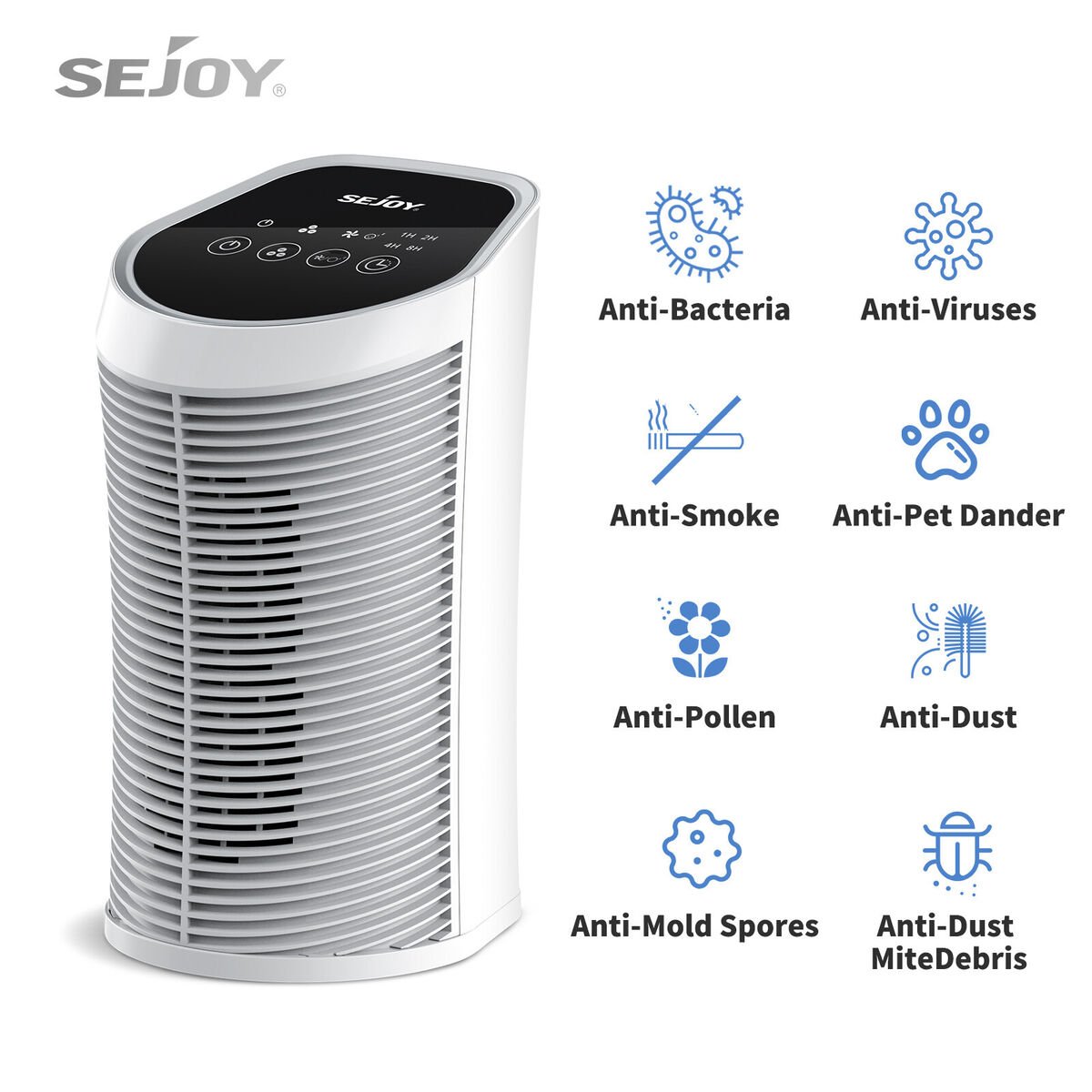
Maintaining an air purifier ensures consistent air quality improvement. Proper care extends its life and efficiency.
Air purifiers are essential in combating indoor pollution. They trap dust, allergens, and harmful particles, enhancing your home’s air quality. But to keep them working efficiently, regular maintenance is key. Neglecting this can reduce their effectiveness and lifespan. Simple, routine tasks can make a significant difference.
Cleaning filters, checking for blockages, and monitoring performance are crucial steps. This guide will walk you through these steps, ensuring your air purifier remains in top condition. Consistent maintenance not only improves air quality but also promotes a healthier living environment. Ready to breathe cleaner air? Let’s dive into the details of maintaining your air purifier.
Choosing The Right Location
Choosing the Right Location for your air purifier is crucial for maintaining consistent air quality. The right spot ensures the purifier works efficiently and effectively. This section will guide you on how to choose the best place for your air purifier, focusing on Optimal Placement and Avoiding Obstructions.
Optimal Placement
Placing your air purifier in the right location is essential. Find a spot where the air flows freely. The purifier should cover the main living areas. Ensure the device is close to the center of the room. This helps in even air distribution.
Consider the room size. Different air purifiers cater to different room sizes. Check the manufacturer’s recommendations. Use the purifier in the recommended space for best results.
Avoiding Obstructions
To maintain air quality, avoid placing the air purifier near obstructions. Do not place it behind furniture. Obstructions block air intake and output. This reduces the purifier’s effectiveness.
Keep the purifier away from walls. Allow at least 2-3 feet of space around the device. This ensures proper air circulation.
Avoid placing the air purifier near electronic devices. These devices can interfere with the purifier’s sensors. The purifier should also be away from high humidity areas. Humidity can damage its filters and reduce efficiency.
| Location | Effectiveness |
|---|---|
| Center of Room | High |
| Behind Furniture | Low |
| Near Walls | Medium |
| Near Electronics | Low |
By choosing the right location and avoiding obstructions, you can ensure your air purifier works at its best. This will help maintain consistent air quality in your home.
Regular Filter Replacement
Maintaining an air purifier is crucial for consistent air quality improvement. One of the most important tasks is to replace the filters regularly. This ensures the purifier works efficiently and keeps the air clean.
Types Of Filters
Air purifiers use different types of filters. Each type has a specific purpose and replacement schedule. Here are some common filters:
- HEPA Filters: These filters capture small particles like dust and pollen.
- Activated Carbon Filters: These remove odors and gases.
- Pre-Filters: These capture larger particles and extend the life of other filters.
Replacement Schedule
Each filter type has a different replacement schedule. Follow these guidelines to ensure optimal performance:
| Filter Type | Replacement Frequency |
|---|---|
| HEPA Filters | Every 12 months |
| Activated Carbon Filters | Every 6 months |
| Pre-Filters | Every 3 months |
Check the manufacturer’s instructions for specific guidelines. Regular replacement keeps the air purifier effective and ensures the air remains clean.
Cleaning The Exterior
Regular cleaning of your air purifier’s exterior is essential. It helps maintain its efficiency. Dust and dirt can accumulate on the surface. This can block air intake and reduce performance. Below are some simple steps to keep the exterior clean.
Dusting And Wiping
Start by dusting the exterior. Use a soft cloth or a duster. Gently wipe the surface to remove dust. Pay attention to the air vents. Dust can clog these areas. Ensure they are clear for optimal air flow.
Next, use a damp cloth for wiping. It helps remove stubborn dirt and grime. Avoid soaking the cloth. Excess water can damage the device. Wipe in gentle, circular motions. This ensures thorough cleaning without causing scratches.
Safe Cleaning Products
Choose safe cleaning products. Mild soap and water work well. Avoid harsh chemicals. They can damage the surface. Also, keep away from abrasive cleaners. They can scratch and dull the finish.
Test any cleaner on a small area first. This ensures it doesn’t harm the material. After cleaning, dry the surface with a clean cloth. This prevents water spots and streaks.

Credit: epic.uchicago.edu
Monitoring Air Quality Indicators
Monitoring air quality indicators is crucial for maintaining an air purifier. These indicators help you understand how well your air purifier is working. By keeping an eye on these, you can ensure consistent air quality improvement in your home.
Understanding Indicators
Most air purifiers come with built-in indicators. These show various aspects of air quality. Common indicators include:
- Filter Life: Shows how much life your filter has left.
- Air Quality Level: Displays the current air quality in your room.
- PM2.5 Levels: Measures fine particulate matter in the air.
Filter Life indicators are essential. They let you know when to replace your filter. Air Quality Level indicators often use colors. Green means good air quality. Yellow means moderate. Red means poor air quality. Understanding these indicators is the first step in maintaining your air purifier.
Responding To Alerts
Air purifiers often have alert systems. These alerts tell you when action is needed. Common alerts include:
- Filter Replacement Alert: Indicates it’s time to change the filter.
- High Pollution Alert: Suggests poor air quality detected.
When you see a Filter Replacement Alert, change the filter immediately. Ignoring this can reduce the efficiency of your purifier. For a High Pollution Alert, consider increasing the purifier’s power. You may also need to identify and remove the source of pollution.
Responding promptly to these alerts ensures your air purifier works effectively. This keeps your indoor air quality at its best.
Maintaining The Fan And Motor
Regularly clean the fan and motor to ensure your air purifier functions effectively. Dust and debris can clog these parts. This helps maintain consistent air quality improvement.
Maintaining the fan and motor in your air purifier is crucial. This ensures the device works efficiently and provides clean air. Regular maintenance also prolongs the life of your air purifier. Below, you will find simple steps to keep the fan and motor in top shape.Lubrication Tips
Lubricating the fan and motor is essential for smooth operation. Check the manufacturer’s instructions first. Use the recommended lubricant for your specific model. Apply a small amount to the motor’s moving parts. Avoid over-lubricating, as this can attract dust. Ensure you clean excess lubricant to prevent build-up.Checking For Wear
Regularly check the fan and motor for signs of wear. Look for unusual noises or vibrations. Inspect the fan blades for damage or dust accumulation. Examine the motor for any signs of overheating or burning smells. Replace worn-out parts promptly to maintain optimal performance. Clean the fan and motor housing to ensure proper airflow. “`Addressing Unusual Noises
Air purifiers are designed to operate quietly. Unusual noises can indicate a problem. Addressing these noises is crucial for maintaining consistent air quality improvement. This section will help you identify common sounds and provide troubleshooting solutions.
Identifying Common Sounds
Unusual noises can stem from various issues. Common sounds include:
- Buzzing: This may indicate a loose part or electrical issue.
- Rattling: Often caused by debris or a misaligned filter.
- Grinding: Could point to motor or fan problems.
- Whistling: Typically due to airflow obstructions or dirty filters.
Troubleshooting Solutions
Follow these steps to address the noises:
- Turn off and unplug the air purifier.
- Inspect the filter: Remove and check for debris. Clean or replace if needed.
- Check for loose parts: Tighten any loose screws or components.
- Clear obstructions: Ensure there are no blockages in the airflow path.
- Listen: Plug the purifier back in and listen for changes.
- Consult the manual: Refer to the user manual for specific troubleshooting tips.
If the noise persists, it may be time to contact customer support or a professional technician.
Seasonal Maintenance Tasks
Maintaining your air purifier throughout the year ensures it works efficiently. Seasonal maintenance tasks can keep your air purifier in top condition. These tasks help to consistently improve air quality.
Pre-winter Checks
Before the cold season, perform a thorough inspection of your air purifier. Ensure it is ready to handle the increased indoor activity.
- Filter Replacement: Check and replace filters if needed. Dirty filters reduce efficiency.
- Vent Cleaning: Clean all vents to ensure unobstructed airflow.
- Fan Inspection: Ensure the fan is clean and working smoothly.
- Seal Inspection: Check seals around the purifier. They should be tight to avoid air leaks.
Spring Cleaning
Spring is an ideal time to give your air purifier a deep clean. This helps to remove any accumulated dust and allergens.
- Disassemble: Carefully take apart the purifier for a thorough clean.
- Vacuum: Use a vacuum to remove dust from internal components.
- Wipe Down: Wipe all surfaces with a damp cloth to remove grime.
- Filter Care: Wash or replace filters as per manufacturer’s instructions.
- Reassemble: Put the purifier back together once all parts are dry.
| Task | Frequency | Season |
|---|---|---|
| Filter Replacement | Every 3 months | All seasons |
| Vent Cleaning | Every 6 months | Pre-Winter, Spring |
| Fan Inspection | Every 6 months | Pre-Winter |
| Seal Inspection | Every 6 months | Pre-Winter |
| Deep Clean | Once a year | Spring |
Credit: twitter.com
Prolonging Air Purifier Lifespan
Maintaining an air purifier is crucial for ensuring consistent air quality improvement. One key aspect of this maintenance is prolonging the air purifier’s lifespan. By taking the right steps, you can keep your air purifier running efficiently for many years. Here are some essential tips to help you achieve this.
Proper Usage
Place your air purifier in a spot with good airflow. Avoid placing it in corners or behind furniture. This ensures the purifier can effectively clean the air. Follow the manufacturer’s guidelines for usage. This includes running it for the recommended hours each day. Make sure to regularly check and replace filters as needed.
Avoiding Common Mistakes
Do not neglect the pre-filter. Clean it regularly to prevent clogging. Avoid using harsh chemicals when cleaning the purifier. This can damage the internal components. Never block the air intake or outlet. Obstructions can reduce efficiency and increase wear and tear. Ensure the air purifier is on a stable surface. Unstable placement can lead to damage over time.

Credit: www.instagram.com
Frequently Asked Questions
How Often Should I Clean My Air Purifier?
You should clean your air purifier every 2-4 weeks. This ensures optimal performance and consistent air quality improvement.
What Parts Of An Air Purifier Need Maintenance?
The filter, pre-filter, and air vents need regular maintenance. Check the user manual for specific cleaning instructions.
Can I Use Water To Clean The Air Filter?
Yes, but only if the filter is washable. Use mild soap and water, then let it dry completely.
How Do I Know When To Replace The Air Filter?
Replace the filter when you notice reduced air flow or increased noise. Follow the manufacturer’s replacement schedule.
Conclusion
Regular maintenance of your air purifier ensures clean, fresh air at home. Clean filters often to keep it working effectively. Check for any clogs or dust buildup. Replace filters as recommended by the manufacturer. Keep the purifier in a dust-free area.
Consistent care leads to better air quality. Breathe easier with a well-maintained air purifier. Stay proactive and enjoy healthier air every day.
{ “@context”: “https://schema.org”, “@type”: “FAQPage”, “mainEntity”: [ { “@type”: “Question”, “name”: “How often should I clean my air purifier?”, “acceptedAnswer”: { “@type”: “Answer”, “text”: “You should clean your air purifier every 2-4 weeks. This ensures optimal performance and consistent air quality improvement.” } } , { “@type”: “Question”, “name”: “What parts of an air purifier need maintenance?”, “acceptedAnswer”: { “@type”: “Answer”, “text”: “The filter, pre-filter, and air vents need regular maintenance. Check the user manual for specific cleaning instructions.” } } , { “@type”: “Question”, “name”: “Can I use water to clean the air filter?”, “acceptedAnswer”: { “@type”: “Answer”, “text”: “Yes, but only if the filter is washable. Use mild soap and water, then let it dry completely.” } } , { “@type”: “Question”, “name”: “How do I know when to replace the air filter?”, “acceptedAnswer”: { “@type”: “Answer”, “text”: “Replace the filter when you notice reduced air flow or increased noise. Follow the manufacturer’s replacement schedule.” } } ] }
Rakib Sarwar is a Registered Pharmacist and a reputed health and wellness blogger. He has a great interest in Air purifiers.