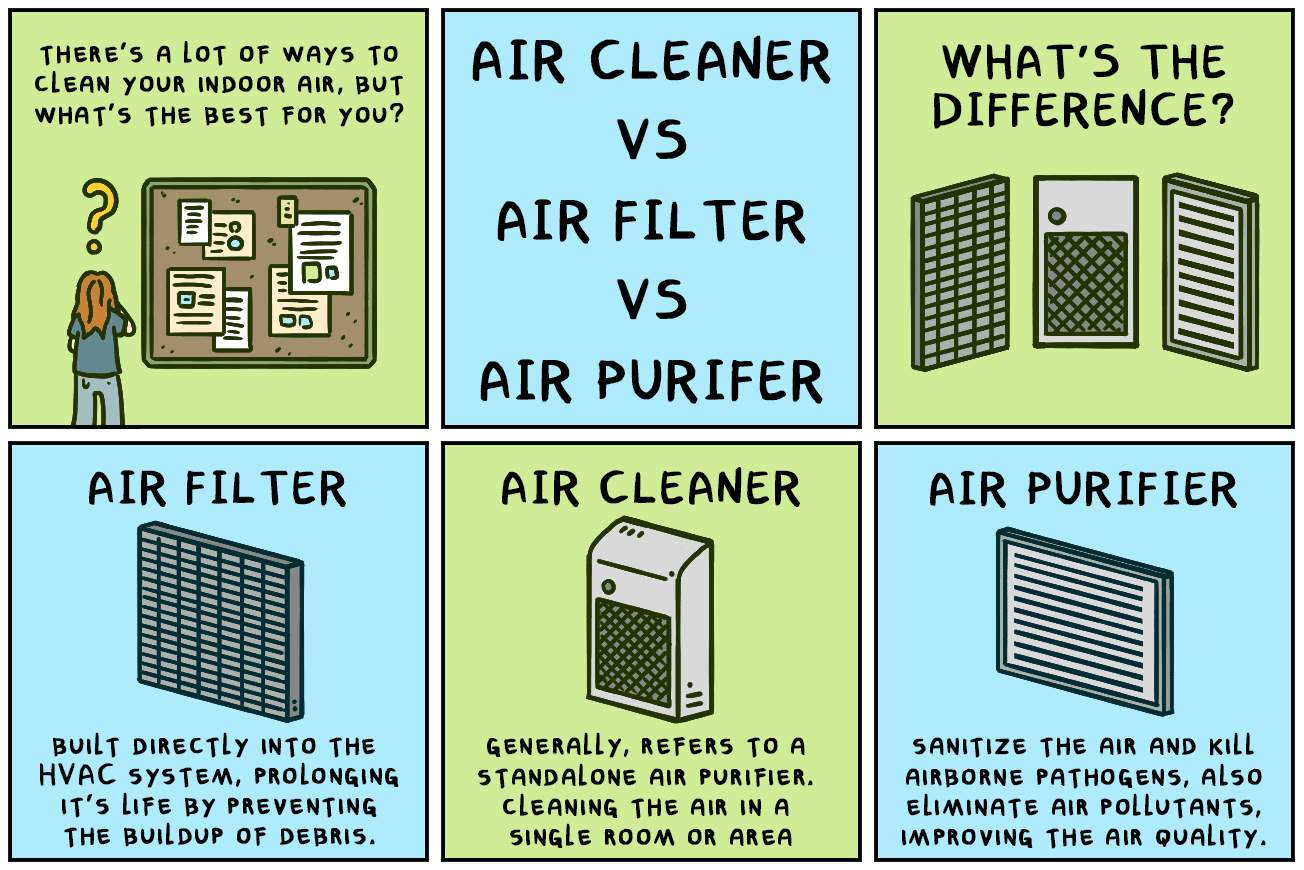
Cleaning air purifiers is crucial for maintaining air quality. But what are the best cleaning solutions?
Air purifiers help keep indoor air clean, but they need regular maintenance. Using the right cleaning solutions ensures they work effectively. Different air purifiers have different cleaning needs, and using the wrong products can damage them. This guide will help you choose the best cleaning solutions.
We will discuss safe and effective options suitable for various types of air purifiers. This way, you can ensure your air purifier runs smoothly and keeps your air fresh. Read on to learn which products work best and how to use them safely.
Importance Of Cleaning Air Purifiers
Air purifiers play a crucial role in maintaining indoor air quality. They trap dust, allergens, and other pollutants, ensuring a healthier living environment. Regular cleaning of air purifiers is vital to their performance. Neglecting this can lead to reduced efficiency and increased health risks.
Health Benefits
Cleaning air purifiers regularly can significantly improve your health. A clean purifier filters out harmful particles more effectively. This reduces the risk of respiratory issues, allergies, and other health problems. Cleaner air means better sleep quality, fewer headaches, and a lower chance of asthma attacks.
Efficiency And Longevity
Maintaining your air purifier ensures it works at peak efficiency. A clean filter can capture more pollutants, improving air quality. This also reduces energy consumption, saving you money on electricity bills.
Regular cleaning also extends the life of your air purifier. Dust and debris buildup can damage internal components over time. By keeping your purifier clean, you protect your investment and avoid costly repairs or replacements.
Credit: blog.leonandgeorge.com
Common Pollutants In Air Purifiers
Air purifiers play a crucial role in maintaining clean indoor air. They trap various pollutants that can harm our health. Understanding these common pollutants is essential for ensuring your air purifier works effectively.
Dust And Pollen
Dust and pollen are the most common pollutants in air purifiers. They can cause allergies and respiratory issues. Dust consists of tiny particles from dead skin cells, fabric fibers, and dirt. Pollen comes from plants and trees, especially during the spring and summer months. Regular cleaning of your air purifier’s filters can help trap these particles, ensuring cleaner air.
Pet Dander
Pet dander is another frequent pollutant. It consists of tiny flakes of skin shed by cats, dogs, and other pets. These flakes can trigger allergies and asthma attacks. Pet dander particles are lightweight and can stay airborne for a long time. Using a high-efficiency particulate air (HEPA) filter can effectively trap these particles, reducing their presence in your home.
Mold And Bacteria
Mold and bacteria thrive in damp and humid environments. They can spread through the air, causing various health problems. Mold spores can cause allergic reactions, while bacteria can lead to infections. Air purifiers with UV-C light technology can help kill these microorganisms, ensuring a healthier living space.
Types Of Cleaning Solutions
Keeping your air purifier clean is essential for optimal performance. Different cleaning solutions cater to various needs. From chemical cleaners to natural alternatives, choosing the right one is crucial. Each type has its benefits and drawbacks. This guide helps you decide which solution fits your requirements.
Chemical Cleaners
Chemical cleaners are effective for deep cleaning. They eliminate tough stains and bacteria. Many brands offer specialized formulas for air purifiers. Always check the manufacturer’s guidelines before use. Some chemicals might damage the purifier’s filters or components. Wear gloves and ensure proper ventilation while using them.
Natural Cleaners
Natural cleaners are eco-friendly and safe for your family. They use ingredients like vinegar, baking soda, and essential oils. These ingredients effectively remove dust and mild stains. Natural cleaners are less likely to cause allergies or respiratory issues. They are a great choice for households with kids or pets.
Using natural cleaners also reduces chemical exposure. They are easy to make at home with common household items. This makes them a cost-effective solution. Always test a small area of the purifier first. This ensures the cleaner does not cause any damage.
Diy Cleaning Solutions
DIY cleaning solutions are a cost-effective way to maintain your air purifier. They use simple household ingredients, making them easy to prepare. This section explores two effective DIY cleaning solutions. These solutions can help keep your air purifier running smoothly.
Vinegar And Water
Vinegar is a powerful natural cleaner. Mix one part vinegar with one part water. This solution can clean filters and surfaces. It removes dust, bacteria, and mold. Vinegar also has deodorizing properties. It helps to neutralize bad odors. Use a cloth soaked in the mixture. Wipe down the parts of the air purifier. Let it dry before reassembling.
Baking Soda Mixtures
Baking soda is another great cleaning agent. It is gentle yet effective. Mix baking soda with water to form a paste. Apply this paste to the filter and other parts. Let it sit for about 15 minutes. Scrub gently with a soft brush. Rinse with water and let it dry completely. Baking soda helps to absorb odors and remove grime. This ensures your air purifier works efficiently.
Commercial Cleaning Products
Commercial cleaning products offer a convenient way to clean your air purifier. These products are specially designed to remove dust, allergens, and bacteria from your device. Using commercial solutions ensures you maintain a healthy indoor environment. Let’s explore some of the top brands available and their pros and cons.
Top Brands
Several reputable brands provide high-quality cleaning solutions for air purifiers:
- Hoover: Renowned for their effective disinfecting solutions.
- Dyson: Offers eco-friendly and non-toxic cleaning agents.
- 3M: Known for their powerful and efficient cleaning products.
- Honeywell: Provides versatile and easy-to-use cleaning sprays.
Pros And Cons
| Brand | Pros | Cons |
|---|---|---|
| Hoover |
|
|
| Dyson |
|
|
| 3M |
|
|
| Honeywell |
|
|
Step-by-step Cleaning Guide
Keeping your air purifier clean is essential for optimal performance. A regular cleaning routine ensures the device works efficiently, providing fresh air in your home. Below, you’ll find a step-by-step guide to help you clean your air purifier. Follow these instructions to ensure your air purifier remains in top condition.
Disassembly
Before starting, unplug the air purifier. This step ensures safety. Next, disassemble the unit carefully. Check the user manual if needed. Most units have a simple mechanism for opening. Remove the cover and take out the filter. Place the parts on a clean, dry surface.
Cleaning The Filter
Cleaning the filter is crucial. Follow these steps for a thorough clean:
- Check the filter type: Refer to the manual to know if it’s washable or replaceable.
- Washable filters: Rinse under running water. Use a soft brush for stubborn dirt. Let it air dry completely.
- Non-washable filters: Vacuum gently to remove dust and debris. Do not use water.
Ensure the filter is completely dry before reassembling. A wet filter can damage the unit.
Reassembly
Once the filter is clean and dry, reassemble the unit. Follow these steps:
- Place the filter back into the purifier.
- Secure the cover properly.
- Plug the unit back in.
Run the purifier to ensure it functions properly. Your air purifier should now be clean and ready to provide fresh air.
Safety Tips
Cleaning air purifiers is essential for maintaining good air quality. But safety during the cleaning process is crucial. Follow these safety tips to ensure a safe and effective cleaning experience.
Protective Gear
Always wear gloves to protect your skin from harsh chemicals. Gloves also help avoid direct contact with dust and allergens. Use a mask to prevent inhaling any particles released during cleaning. Safety goggles protect your eyes from splashes or debris.
Proper Ventilation
Ensure the area is well-ventilated before starting the cleaning process. Open windows and doors to allow fresh air to circulate. This helps disperse any fumes from cleaning agents. Avoid cleaning in confined spaces without proper airflow.

Credit: bestfriends.org
Maintaining Clean Air Purifiers
Maintaining an air purifier is essential for its efficiency. Clean air purifiers help remove dust, allergens, and pollutants. This keeps your air fresh and healthy. Regular upkeep ensures the purifier works effectively and lasts longer.
Regular Cleaning Schedule
Setting up a regular cleaning schedule is crucial. Make a habit of cleaning the air purifier at least once a month. Here’s a simple routine to follow:
- Unplug the air purifier.
- Wipe the exterior with a damp cloth.
- Remove the filter and clean it if reusable.
- Vacuum the interior to remove dust.
- Reassemble the parts and plug it back in.
This routine helps keep your air purifier in top condition.
Filter Replacement
Replacing the filter is vital for maintaining clean air. Filters trap particles and can get clogged over time. A dirty filter reduces the purifier’s efficiency.
Here’s a quick guide on filter replacement:
- Check the manufacturer’s guidelines for replacement intervals.
- Unplug the air purifier before replacing the filter.
- Remove the old filter carefully.
- Insert the new filter as per instructions.
- Secure the filter and reassemble the purifier.
Using a new filter ensures optimal performance and clean air.
Credit: www.zehnder-cleanairsolutions.com
Frequently Asked Questions
What Are The Best Air Purifier Cleaning Solutions?
The best cleaning solutions for air purifiers are mild soap, water, and vinegar. Avoid harsh chemicals. They can damage filters and components. Regular cleaning ensures efficiency and longevity.
How Often Should Air Purifiers Be Cleaned?
Clean air purifiers every 3 to 6 months. Check filters monthly. This maintains optimal performance and improves air quality.
Can Vinegar Be Used To Clean Air Purifiers?
Yes, vinegar is effective for cleaning air purifiers. Mix equal parts water and vinegar. Use it to wipe down surfaces and filters.
Are Commercial Cleaning Solutions Safe For Air Purifiers?
Some commercial solutions are safe but check the manufacturer’s recommendations. Avoid bleach and ammonia-based products. They can damage filters and components.
Conclusion
Choosing the best cleaning solutions for air purifiers can seem daunting. However, with proper knowledge, it becomes manageable. Always consider non-toxic, eco-friendly options. They ensure safety for both you and the environment. Regular maintenance extends the life of your air purifier.
Don’t forget to check the manufacturer’s guidelines. They often suggest the best cleaning methods. A clean air purifier means better air quality. Breathe easier and stay healthier by keeping your device clean. Happy cleaning!
{ “@context”: “https://schema.org”, “@type”: “FAQPage”, “mainEntity”: [ { “@type”: “Question”, “name”: “What are the best air purifier cleaning solutions?”, “acceptedAnswer”: { “@type”: “Answer”, “text”: “The best cleaning solutions for air purifiers are mild soap, water, and vinegar. Avoid harsh chemicals. They can damage filters and components. Regular cleaning ensures efficiency and longevity.” } } , { “@type”: “Question”, “name”: “How often should air purifiers be cleaned?”, “acceptedAnswer”: { “@type”: “Answer”, “text”: “Clean air purifiers every 3 to 6 months. Check filters monthly. This maintains optimal performance and improves air quality.” } } , { “@type”: “Question”, “name”: “Can vinegar be used to clean air purifiers?”, “acceptedAnswer”: { “@type”: “Answer”, “text”: “Yes, vinegar is effective for cleaning air purifiers. Mix equal parts water and vinegar. Use it to wipe down surfaces and filters.” } } , { “@type”: “Question”, “name”: “Are commercial cleaning solutions safe for air purifiers?”, “acceptedAnswer”: { “@type”: “Answer”, “text”: “Some commercial solutions are safe but check the manufacturer’s recommendations. Avoid bleach and ammonia-based products. They can damage filters and components.” } } ] }
Rakib Sarwar is a Registered Pharmacist and a reputed health and wellness blogger. He has a great interest in Air purifiers.