Last updated:
Disclosure: As an Amazon Associate we earn from qualifying purchases. This does not change what we recommend. See our affiliate disclaimer.
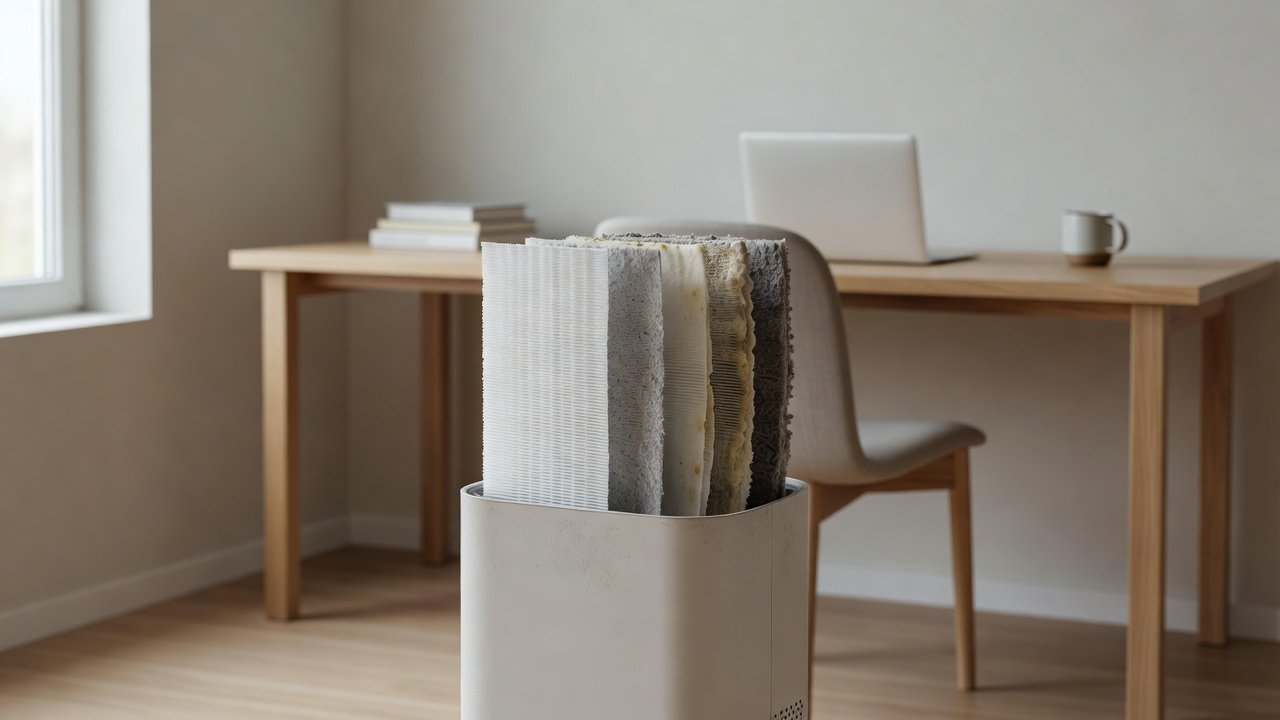
How long an air purifier filter lasts depends on the type of filter, the unit and, most of all, your home. Washable pre-filters can last for years, HEPA filters often last six months to a year or more and carbon filters commonly last three to six months, though makers vary widely. The manual and filter indicator are the best guide, and a few signs help you decide sooner.
We have not tested these products ourselves, so use the manufacturer’s guidance as your baseline. Do not wash HEPA or carbon filters unless the maker says they are washable, and confirm the exact replacement model on the product page.
Typical ranges
- Pre-filter: wash and reuse
- HEPA: often 6 to 12 months or more
- Carbon: often 3 to 6 months
Replace sooner if
- Heavy smoke, pets or cooking
- Damp or moldy
- Airflow is weak
Key Takeaways
- Pre-filters can be cleaned and reused
- HEPA often lasts six to twelve months or more; carbon often three to six
- Heavy dust, pets, smoke and cooking shorten life
- Replace damp, smelly or damaged filters
A Sample Replacement Calendar
Write the install date on a label or in a log. Check the pre-filter monthly. At three months, check carbon and replace if odors return. At six months, inspect the HEPA filter and replace if loaded or per the manual. At twelve months, replace the HEPA if you have not already. Adjust for seasons such as smoke or pollen. Keep one spare of each filter on hand so replacement is never delayed. A calendar reminder on your phone helps.
Why Manufacturers Give Different Numbers
Filter life depends on the filter’s size, media and the test conditions. A big filter with a lot of media can last longer than a small one. Manufacturers estimate life based on typical use, often some hours per day in a standard home. Your conditions may differ. Treat the number as a starting point, and compare filters by cost per month rather than the sticker price.
Smoke Events, Pets and Construction
Smoke events, shedding pets, renovations and heavy cooking can use up filters in weeks. Check the filter more often at those times and replace if it is loaded. Keep a spare. After the event, return to the normal schedule. Avoid running a loaded filter, since it strains the fan and offers less protection.
Counterfeits and Poor-Quality Filters
Cheap, unbranded filters may not fit well, may contain little media and may not last. Check the model number, seller reviews and packaging. A poor filter can cost more in the long run. Contact the manufacturer if you cannot tell whether a filter is genuine.
Disposal and Recycling
Seal used filters in a bag and dispose of them according to local rules. Wear gloves and a mask for very dusty filters. Some makers offer recycling programs. Do not burn filters.
What to Do If a Filter Is No Longer Sold
If the maker no longer sells your filter, check other sellers and the manufacturer. Compatible filters may exist but check fit and quality. If you cannot find a filter, consider replacing the unit with one that has widely available filters.
Filter Life in Different Room Types
A bedroom with few sources can stretch filter life, while a kitchen-adjacent living room, a room with pets or a home office with printers and open windows will load filters faster. If you run several units, expect different replacement dates for each. Track each unit separately, and use the first few filters to learn how long they last in each room. This gives you a more accurate schedule than a single number.
Cost Per Month: A Better Way to Compare
Divide the filter price by its expected life in months to compare options. A cheaper filter that lasts four months can cost more per month than a pricier one that lasts twelve. Include the carbon filter if separate. Add electricity and the unit price over several years for a full picture. Use the Hostinger affiliate plugin cards above to compare units and check the product pages for current filter details.
Final Word
Filter lifespan depends on the room more than the manual: clean closed bedrooms stretch it, pets, smoke, and cooking shorten it. Inspect monthly, let airflow and appearance decide, replace carbon when odors return, and keep a spare so a loaded filter never stays in service.
Air Purifiers With Reasonable Filter Costs
These picks come from the Hostinger affiliate plugin. Specs change by model year, so confirm filter type, CADR and replacement costs on the product page before you buy.






Pre-Filters
Washable pre-filters catch large particles and can last for years if cleaned as the manual says. Foam may wear out sooner than mesh. Replace them if they tear, crumble or no longer fit.
HEPA Filters
Many HEPA filters are rated for six to twelve months, and some for longer, based on typical use. Heavy dust, pets, smoke and constant high speeds shorten the life. Replace if the filter is dark, loaded, damp, smelly or the indicator says so.
Activated Carbon Filters
Carbon filters wear out as they adsorb gases, so they often last about three to six months. Cooking, smoke and strong fumes shorten the life. A saturated carbon filter can release odors, so replace it when odors return.
Combined and Specialty Filters
Some units use a single filter combining HEPA and carbon, replaced together. Others use washable permanent filters or electrostatic cells. Check the manual for what applies to your unit and what to replace.
What Shortens or Extends Life
Dusty homes, pets, smoke, cooking, open windows, high humidity and constant high speed shorten life. A clean pre-filter, a right-sized unit on a lower speed and good housekeeping extend it.
Reading the Filter Indicator
Many units count run time and light up when it is time to replace the filter. This is an estimate, not a measurement of dirt. If you run in dusty conditions, replace sooner than the light. If the light is on but the filter looks clean, still follow the manual, since carbon may be spent.
Checking Filters by Eye and Nose
Look for dark discoloration, heavy dust, damaged pleats and dampness. Smell for mustiness. A heavily loaded HEPA filter looks gray or black. A carbon filter cannot be judged visually, so use schedule and odor. Do not shake or wash filters unless the manual allows.
How to Stretch Filter Life Safely
Keep the pre-filter clean, vacuum vents, run the unit on a lower speed, keep windows closed in dusty seasons and reduce sources like smoking and frying. Do not try to extend life by washing HEPA or carbon filters.
Budgeting for Replacements
Add the price of filters per year to the unit cost. Compare filter cost and life when choosing a unit. Keep a spare filter ready. Buy from reputable sellers to avoid poor-quality filters.
Storing Spare Filters
Store spare filters sealed in packaging in a cool, dry place away from fumes. Check the packaging before use. Replace stored filters that are very old, damaged or smelly.
How to Choose
- Check filter price and expected life
- Look for easy filter access
- Confirm the exact replacement model
- Match the CADR to the room
Do
- Match the unit’s rated coverage to your room first
- Run it consistently, not only when the air feels bad
- Leave space around the unit for airflow
- Replace filters on the maker’s schedule
Don’t
- Do not buy on looks or price alone
- Do not block the intake or exhaust
- Do not skip filter changes
- Do not expect a purifier to fix every source of pollution
Honest Limits
- This guide uses manufacturer information and public guidance from the EPA and AHAM, not our own lab tests.
- Features and room ratings change between model years, so confirm on the listing before you buy.
- A purifier is not a medical device and does not replace medical advice or treatment.
Who Should Skip This
When to See a Professional
Frequently Asked Questions
How long does a HEPA filter last?
Often six to twelve months or more, depending on the unit and use.
How long does carbon last?
Often three to six months.
Can I make filters last longer?
Keep the pre-filter clean and run the unit sensibly. Do not wash HEPA or carbon.
What if the light is not on?
Check by schedule, smell and airflow.
Bottom Line
Pre-filters can last years with washing, HEPA filters often last about six to twelve months or more and carbon filters often three to six months, but homes with pets, smoke, cooking or heavy dust need replacements sooner. Follow the manual and indicator, and replace filters that are damp, smelly or clogged.
Related reading: sens,fan,bed
Sources: EPA, Guide to Air Cleaners in the Home; AHAM Verifide.