Last updated:
Disclosure: As an Amazon Associate we earn from qualifying purchases. This does not change what we recommend. See our affiliate disclaimer.
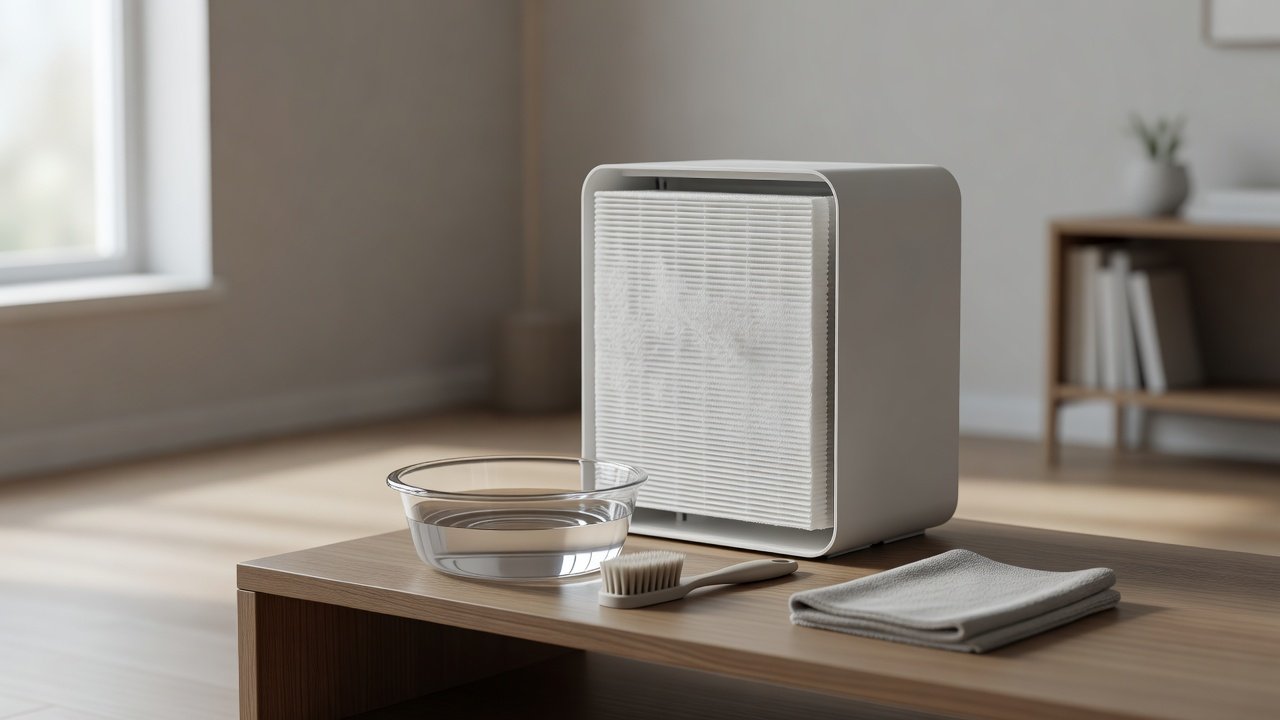
Most true HEPA filters are disposable and should not be washed, since water can damage the fine fibers and reduce performance. A smaller number of units use filters that the manufacturer specifically labels as washable or reusable. If yours is one of them, you can clean it, but only by the maker’s method, and drying must be complete before reinstalling.
We have not tested these products ourselves, so follow your manual. Do not wash a HEPA filter unless the manufacturer says it is washable. For a standard HEPA, replacement is the answer.
Only if labeled washable
- Rinse gently with cool water
- Air dry completely
- Reinstall only when dry
Never
- Wash standard HEPA
- Use hot water or detergents
- Use heat or compressed air
Key Takeaways
- Most HEPA filters are not washable; check the label
- If washable, rinse gently with cool water and dry completely
- Never use heat, compressed air or harsh detergents
- Replace damaged or smelly filters
A Practical Step-by-Step for Washable Filters
Confirm the filter is labeled washable. Unplug the unit and remove the filter. Tap off loose dust outdoors. Rinse with cool water as the manual directs, without scrubbing. Shake off water and set the filter on a rack in a ventilated room. Check it by touch and smell after many hours. Wait until it is fully dry, then reinstall and close the cover. Write the date on your log. If you cannot confirm the filter is washable, do not wet it. Replace it instead.
Cost Comparison: Washable Versus Replaceable
Washable filters can save on replacement costs but may cost more upfront and require maintenance time. Replaceable HEPA filters have ongoing costs but are simple to change. Compare the yearly cost and effort. Check whether the washable filter’s efficiency matches your needs, and how long it lasts before it needs replacing.
Alternatives to Washing
If your filter is not washable, you can extend its life by keeping the pre-filter clean, vacuuming vents, reducing sources of dust and running the unit at a moderate speed. Replace the filter on schedule. Keep spare filters on hand so you never run without one.
Safety and Disposal
Wear gloves and a mask when handling dusty filters. Place used filters in a sealed bag for disposal. Wash your hands afterward. Do not burn filters or shake them indoors. Dispose of old filters according to local rules.
Understanding HEPA Standards and Labels
True HEPA filters meet a recognized standard, commonly captured as 99.97 percent efficiency at 0.3 microns. Many products use similar sounding names that do not meet that standard. A washable filter may have a different efficiency rating, and the manufacturer should state it. If you need true HEPA performance, check the specification and choose a replaceable filter from a reputable maker.
Common Mistakes With Reusable Filters
Mistakes include reinstalling a filter that is still damp, using hot water or detergents, scrubbing the media, using compressed air, drying with heat and ignoring signs of wear. Another mistake is assuming all filters are washable because the pre-filter is. Check each part’s instructions. If you are unsure, replacing the filter is the safest path.
When to Switch to a Replaceable HEPA Filter
If you find washing a chore, if the filter wears out quickly or if you want standard true HEPA performance, consider a unit with replaceable HEPA filters. Compare the cost and the availability of filters, and choose a unit that matches your routine. A well-kept routine matters more than the type.
Washing Steps for a Washable HEPA
- Confirm the filter is labelled washable; most HEPA filters are not
- Unplug the unit and remove the filter over a bin
- Vacuum both sides gently with a brush attachment
- Rinse with lukewarm water from the clean side toward the dirty side; no soap unless the manual allows it
- Shake off excess water and air dry flat for at least a day
- Reinstall only when completely dry
Never scrub, wring, or use compressed air; the media tears.
Knowing When to Replace Instead
Even washable HEPA filters wear out: pleats soften, the frame warps, efficiency drops, and odors persist after washing. Replace when the filter no longer comes clean, has tears or crushed pleats, or airflow stays weak after a wash. Most manufacturers suggest replacement after a set number of washes or a year or two of use. A filter that has grown mold is replaced, not washed.
Air Purifiers to Consider With Reusable or Easy-Replace Filters
These picks come from the Hostinger affiliate plugin. Specs change by model year, so confirm filter type, CADR and replacement costs on the product page before you buy.






First, Check Whether It Is Washable
Look for the words washable, reusable or a water symbol on the filter or in the manual. If you are not sure, assume it is not washable. HEPA filters are usually pleated paper or glass fiber and do not tolerate water. Reusable filters are typically labeled by the manufacturer and made from different media.
Prepare to Clean
Unplug the unit and remove the filter. Take it outdoors or over a bin and tap it gently to remove loose dust. Do not use compressed air. Use a soft brush or low-suction vacuum only if the manual allows.
Rinse Gently
Rinse with cool water, letting the water run from the clean side to the dirty side if the manual says so. Do not use hot water, detergents or scrubbing unless the manual says it is allowed. Do not twist or squeeze the filter.
Dry Completely
Shake off water and let the filter air dry fully, usually for many hours or a day, in a ventilated room away from heat. Do not use a hair dryer on high or an oven. Make sure the filter is completely dry, including the pleats, before reinstalling.
Reinstall and Replace on Schedule
Reinstall the dry filter, close the cover and run the unit. Reusable filters still wear out. Replace the filter as the manual says or if it is torn, discolored, smelly or no longer performing. Note the date in your log.
Why Standard HEPA Filters Are Not Washable
HEPA media is a mat of very fine fibers that capture particles. Water can collapse or tear the fibers and create gaps, lowering capture efficiency. A wet filter also encourages mold. This is why manufacturers specify replacement.
Washable Pre-Filters Are Different
Many units have a washable foam or mesh pre-filter ahead of the HEPA filter. That part can be vacuumed or rinsed as the manual allows. Do not confuse the pre-filter with the HEPA filter.
Signs a Reusable Filter Is Done
Tears, thinning, discoloration, a stiff or crumbling texture, a musty smell that does not go away or reduced airflow after cleaning mean it is time to replace the filter. Do not keep using a damaged filter.
Marketing Terms to Watch
Terms like HEPA-type, HEPA-style or washable permanent filter may not mean true HEPA. True HEPA is rated 99.97 percent efficient at 0.3 microns. Check the specs and the model’s support page. Washable filters may have different efficiency ratings.
Mold and Damp Warning
A filter that stays damp can grow mold. Replace it if it smells musty or shows dark spots. Do not reinstall a damp filter. Keep humidity moderate and spare filters dry.
How to Choose
- Check whether filters are washable or replaceable
- Compare replacement filter costs
- Look for easy filter access
- Match the CADR to the room
Do
- Match the unit’s rated coverage to your room first
- Run it consistently, not only when the air feels bad
- Leave space around the unit for airflow
- Replace filters on the maker’s schedule
Don’t
- Do not buy on looks or price alone
- Do not block the intake or exhaust
- Do not skip filter changes
- Do not expect a purifier to fix every source of pollution
Honest Limits
- This guide uses manufacturer information and public guidance from the EPA and AHAM, not our own lab tests.
- Features and room ratings change between model years, so confirm on the listing before you buy.
- A purifier is not a medical device and does not replace medical advice or treatment.
Who Should Skip This
When to See a Professional
Frequently Asked Questions
Can I wash a HEPA filter?
Only if the manufacturer says it is washable.
How long should it dry?
Until fully dry, often many hours to a day.
Can I use a hair dryer?
Avoid heat.
What about the pre-filter?
Many pre-filters are washable. Check the manual.
Bottom Line
Do not wash a HEPA filter unless the manufacturer labels it washable or reusable. If it is, rinse gently with cool water, air dry completely and reinstall only when fully dry. For standard HEPA filters, replace them on the maker’s schedule instead of washing.
Related reading: sens,fan,bed
Sources: EPA, Guide to Air Cleaners in the Home; AHAM Verifide.