Last updated:
Disclosure: As an Amazon Associate we earn from qualifying purchases. This does not change what we recommend. See our affiliate disclaimer.
An RV is a small, tightly built space with a lot going on: cooking, propane appliances, pets, campfire smoke drifting in and limited ventilation when the weather is bad. A purifier can help with particles and some odors, but power, space and safety need attention.
This guide explains how to size a purifier for an RV, how to power it, where to put it and what it cannot do. Choices come from our affiliate table. Our guidance follows EPA and AHAM information and is not based on our own lab testing.
A compact unit fits if
- Your RV or camper is under about 300 square feet
- You have a reliable power source
- You want help with dust, smoke and pet dander
Be careful if
- You rely on battery power only
- You use propane or gas appliances without alarms
- You expect a purifier to remove carbon monoxide
Key Takeaways
- RVs are small, so a modest CADR works, but power and secure placement matter.
- Purifiers do not remove carbon monoxide; keep working CO and propane alarms.
- Check the unit’s wattage against your shore power, generator or battery.
- Secure the unit so it cannot slide or tip while driving.
- Cooking, campfire smoke and pets are the main sources in an RV.
- Humidity and cooking load carbon quickly; carry spare filters.
- Avoid ozone and ionizer modes, which the EPA advises against.
Boondocking, Campgrounds and Dusty Roads
Dry camping on dirt roads or desert sites brings fine dust into the RV through vents, doors and gaps. Close roof vents when driving on unpaved roads, wipe the intake area and run the purifier on a higher setting after you arrive. Check the pre-filter daily at first, since dust can clog it quickly. If you camp in smoky areas during wildfire season, check local air quality reports before you go and be ready to adjust plans.
At full-service campgrounds, neighboring campfires, generators and cooking can also affect your air. Park with the door and windows away from the main smoke source when possible.
Comparing a Purifier With Other RV Air Upgrades
Several upgrades help RV air: a better air conditioner filter, a range hood that vents outside, a bathroom exhaust fan, sealed storage for pet food and a dehumidifier. A purifier is one piece. In a leaky RV, fixing obvious air leaks and keeping vents clean gives benefits at low cost. If you have to choose, ventilation and moisture control come before a purifier, and the purifier then deals with what is left.
Keeping Your Setup Simple
Choose one reliable purifier rather than several gadgets, mark filter dates on the RV maintenance calendar and keep a basic kit for cleaning. Review the setup each season and adjust to your travel patterns. Simple routines last longer than complicated ones.
A Pre-Trip RV Air Checklist
- Replace or clean the pre-filter and check the HEPA filter date
- Test CO and propane alarms and replace batteries
- Check the range hood and bathroom fan operation
- Wipe vents and check for rodent nests or damp
- Pack spare filters and a power adapter
- Check weather and air quality forecasts for your route
Ten minutes of preparation before a trip prevents most air quality headaches on the road, especially in a small space where problems build up quickly.
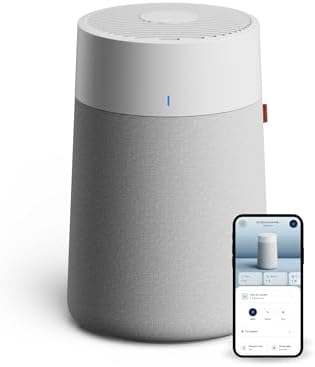
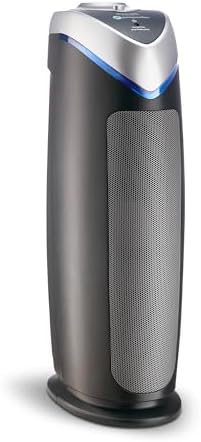
Top Picks: Compact Air Purifiers for Small Spaces
These options come from our affiliate table. Check the listing for the current CADR, filter type and power requirements.




Power Considerations
RV power can come from shore power, a generator, a battery with an inverter or solar. Check the unit’s wattage and run it on a power source that can support it. A small purifier on low draws little, but running one all night on a battery can drain it.
Combustion Gases and Safety
Purifiers do not remove carbon monoxide. Propane appliances and generators can produce it. Install working carbon monoxide and propane alarms, ventilate when cooking or heating and have appliances serviced.
Vibration and Secure Placement
Secure the unit so it cannot slide or tip while driving. Use non-slip pads or a bracket. Do not run it while moving unless the maker says it is safe.
Noise in a Small Space
Noise is more noticeable in a small space. Choose a quiet low setting and test it in the sleeping area. A unit that sounds fine in a house can be loud in a camper.
Filters and Odors
True HEPA captures dust, pollen and smoke particles. Carbon helps with cooking and pet odors. In RVs, humidity and cooking odors load carbon quickly, so plan on spare filters.
Campgrounds, Smoke and Pollen
Campfire and wildfire smoke can drift in. Close windows, run the purifier on a higher setting and use recirculate on the vehicle HVAC. In pollen seasons, keep windows closed during peak hours.
What Makes RV Air Different
RVs have small volumes, so pollution builds up fast. Cooking in a small space raises particles quickly, and campfire smoke can drift through windows. Pets add dander and odors. Many RVs also use propane for cooking or heating, which adds combustion gases.
The small volume works in your favor for filtration: a modest CADR can change the air quickly.
Sizing for Small Spaces
Use the two-thirds rule for floor area and add margin for the small, leaky space. A camper of 120 square feet needs a CADR near 80, and a 300 square foot motorhome near 200.
| RV type | Floor area | CADR target |
|---|---|---|
| Camper van | 60 to 100 sq ft | 40 to 70 |
| Travel trailer | 150 to 250 sq ft | 100 to 170 |
| Motorhome | 250 to 350 sq ft | 170 to 235 |
A Worked Example: 200 Square Foot Travel Trailer With a Dog
A travel trailer of about 200 square feet with a 7 foot ceiling has a small air volume. The two-thirds guideline points to a CADR near 135; a unit rated 150 to 200 gives margin for the leaky space and the dog. Place it centrally on a stable surface, away from the stove and the dog’s bed, and secure it with a non-slip mat or a bracket. Run it on low overnight and on medium while cooking.
| Source | Typical effect | Best response |
|---|---|---|
| Cooking | Particles and odors | Exhaust fan, purifier on medium |
| Campfire smoke | Fine particles | Close windows, purifier on high |
| Pets | Dander and hair | Pre-filter, regular cleaning |
| Propane appliances | Combustion gases | Ventilation, alarms, service |
Power Planning
Add up the wattage of your devices and check that your power source can handle them. A small purifier may draw a few watts on low and tens of watts on high. If you rely on a battery and inverter, plan for the extra load and check inverter efficiency. On shore power, make sure the circuit is not overloaded when the air conditioner and microwave are running.
Ventilation and Moisture in RVs
RVs trap moisture from cooking, showers and breathing. Use exhaust fans, open vents when weather allows and avoid drying wet clothing inside. Excess humidity can lead to mold. A purifier does not solve moisture; a dehumidifier and ventilation do.
Storage and Seasonal Use
Before storing the RV, remove the filter and seal it in a bag, clean the pre-filter and wipe the unit. Store it in a dry spot. When you reopen the RV in spring, check for mice, mold and damp, and air it out before running the purifier.
Traveling With the Unit
Pack the unit in its box or secure it in a cabinet. Do not leave it plugged in while driving unless the maker allows it and it is secured. At campgrounds with limited power, check pedestal ratings before plugging in.
Pets, Kids and Small Quarters
In a small space, a purifier can be a trip hazard or can be knocked over. Place it where it will not be kicked, and route cords carefully. Use child locks if the unit has them.
What to Pack for Filter Maintenance
- A spare pre-filter and HEPA filter
- A small brush or vacuum for the pre-filter
- A sealed bag for old filters
- The manual or a photo of the filter model number
- A note of replacement dates
How to Choose
- Measure the interior and find the CADR target
- Check the unit’s power draw
- Check noise on the lowest setting
- Plan secure mounting or a stable placement
- Install CO and propane alarms
- Pack spare filters
Do
- Match the unit’s rated coverage to your room first
- Run it consistently, not only when the air feels bad
- Leave space around the unit for airflow
- Replace filters on the maker’s schedule
Don’t
- Do not buy on looks or price alone
- Do not block the intake or exhaust
- Do not skip filter changes
- Do not expect a purifier to fix every source of pollution
Honest Limits
- This guide uses manufacturer information and public guidance from the EPA and AHAM, not our own lab tests.
- Features and room ratings change between model years, so confirm on the listing before you buy.
- A purifier is not a medical device and does not replace medical advice or treatment.
Who Should Skip This
Skip units that cannot be secured for travel or that exceed your power budget.
Skip ionizer and ozone modes; the EPA advises against ozone-generating devices.
When to See a Professional
If you smell propane or suspect carbon monoxide, leave the RV, ventilate and call emergency services.
If you have asthma or allergies, talk to your doctor about a travel plan.
Frequently Asked Questions
Do RVs need air purifiers?
They can help with dust, smoke, pollen and pet dander in a small space, but they do not replace ventilation or safety alarms.
What CADR do I need for an RV?
About two-thirds of the floor area. A 200 square foot trailer points to roughly 135, with margin for leaks.
Can I run it on battery power?
Only if your battery and inverter can support the load. Check wattage before overnight use.
Does a purifier remove carbon monoxide?
No. Install working CO and propane alarms.
Where should I place it?
Centrally, on a stable surface, away from the stove and secured against sliding.
Can I run it while driving?
Only if the maker allows it and the unit is secured.
How often should I change filters?
Follow the maker, and check more often after cooking or smoky trips.
Will it help with campfire smoke?
HEPA captures fine particles and carbon helps with some smell. Close windows and run it on a higher setting.
Do I need a dehumidifier?
If humidity is high, a dehumidifier and ventilation work better than a purifier for moisture.
Are ionizer modes safe?
Some produce ozone, which the EPA advises against.
Bottom Line
A compact True HEPA purifier can improve RV air for dust, smoke and pet dander, if you size it, power it and secure it well.
It does not replace ventilation or safety alarms.
Related reading: port,bed,fan
Sources: EPA, Guide to Air Cleaners in the Home; AHAM Verifide.