Last updated:
Disclosure: As an Amazon Associate we earn from qualifying purchases. This does not change what we recommend. See our affiliate disclaimer.
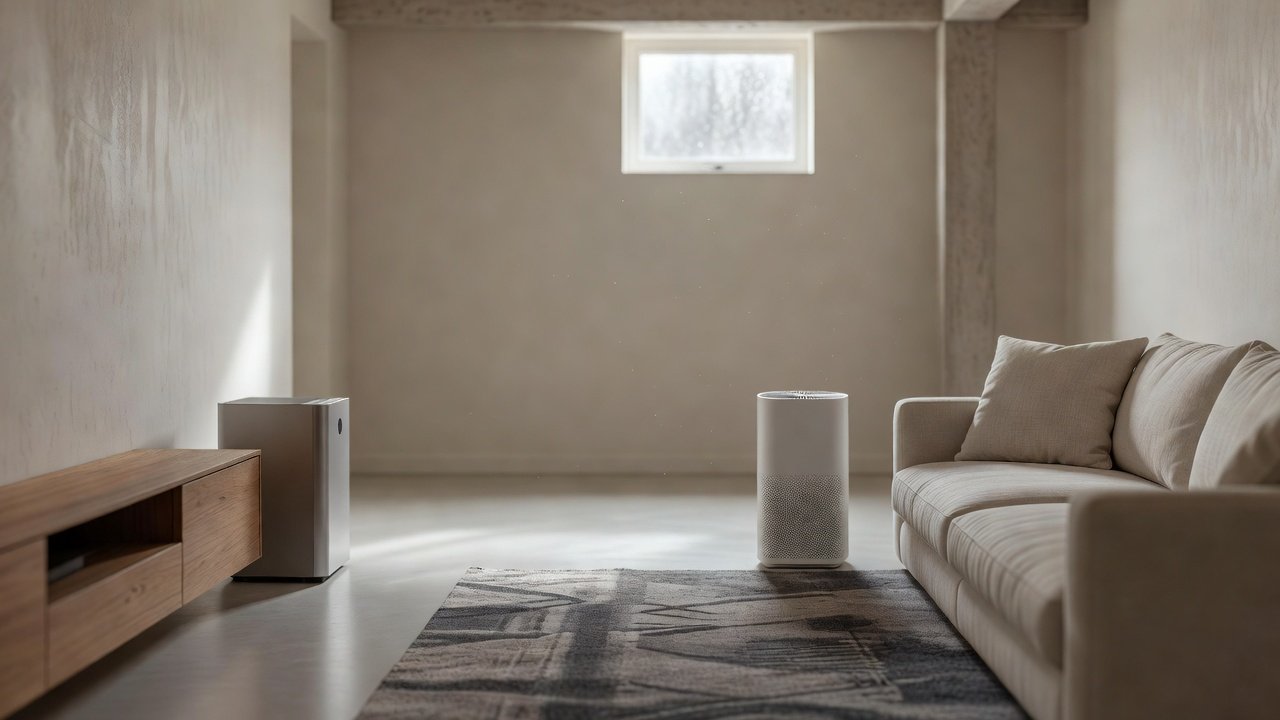
A musty smell usually points to moisture and mold or mildew somewhere in the home. It might come from a damp basement, a leaky pipe, wet carpet, a hidden problem in a wall or a damp closet.
An air purifier with a HEPA filter and carbon layer can reduce airborne spores and some of the odor, but it does not fix the moisture that causes it. The EPA says that controlling moisture is the key to controlling mold.
This guide explains how to find the source, what a purifier can do, how much carbon matters and which larger-room models to compare. Recommendations follow EPA guidance and manufacturer information, not our own tests.
A purifier helps with
- Airborne mold spores with HEPA
- Some musty odor with carbon
- Cleaner air while you fix the cause
It will not fix
- A leak or damp area
- Mold growing on surfaces
- Poor ventilation
- Smells soaked into carpets or furniture
Key Takeaways
- Musty smells usually come from moisture and mold or mildew; the lasting fix is finding and drying the source.
- A purifier with a meaningful carbon filter can reduce odor molecules, but it does not stop mold from growing.
- HEPA filters can capture airborne mold spores, but surface growth needs cleaning and moisture control.
- The EPA suggests keeping indoor humidity near 30 to 50 percent and fixing leaks promptly.
- Check basements, closets, bathrooms, under sinks and behind furniture for hidden dampness.
- Large or recurring mold problems call for a professional, especially after water damage.
- Use a purifier sized for the room and place it in the space that smells.
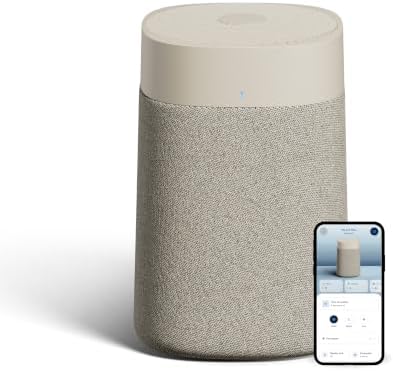
Top Picks: Larger-Room Purifiers for Musty Smells
Six models rated for larger rooms. Check each listing for carbon details, rated room size and replacement cost.





What Causes Musty Smells
Musty smells come from microbial growth, mainly mold and mildew, that thrives in damp, poorly ventilated places. Common sources are basements, bathrooms, laundry rooms, under sinks, behind furniture, wet carpet and damp storage.
The smell can persist even after you clean the visible mold, if moisture remains.
Find and Fix the Moisture
Check for leaks, condensation and damp spots. Fix plumbing leaks, improve drainage, use exhaust fans in bathrooms and kitchens and keep humidity in a moderate range, as the EPA recommends.
A hygrometer shows humidity, and a dehumidifier can help in damp spaces.
What a Purifier Does
| Feature | What it does for musty smell |
|---|---|
| True HEPA filter | Captures airborne mold spores |
| Carbon layer | Adsorbs some odor, limited capacity |
| Airflow | Cleans the room faster |
| Does not | Remove moisture or surface mold |
Carbon Capacity
Musty smells are gases, and carbon fills as it adsorbs them. A purifier with a thick carbon bed lasts longer than one with a thin sheet.
If the smell returns after a few weeks, the carbon may be full or the source may still be active.
Sizing and Placement
Choose a unit rated above your room size, and place it where the smell is strongest, with clear airflow. Avoid putting it in a wet area or on a damp floor.
Run it continuously on a low or medium setting.
Cleaning Up Safely
- Wear protective gear for small areas
- Clean hard surfaces with detergent and water, and dry them
- Discard porous materials that stay moldy
- Follow EPA mold guidance
- Call a professional for large areas
Keep It From Coming Back
- Keep humidity moderate with a dehumidifier if needed
- Use exhaust fans
- Fix leaks quickly
- Improve ventilation in closets and storage
- Check regularly for damp spots
When to See a Doctor
If mold or musty smells are linked with symptoms such as coughing, wheezing or irritation, talk to your doctor. A purifier is not a medical treatment.
The Smell Is a Message
A musty smell is a signal that something in the space is damp, stale or growing. Microbial growth releases volatile compounds that create the earthy, stale odor many people recognize. The smell can linger even after the visible problem has been dealt with, which is why people are tempted to cover it up or mask it.
Treat the smell as a clue. Where is it strongest? When does it appear? Does it get worse after rain, showers or cooking? Answering those questions points you toward the cause.
A Walk-Through Checklist
- Basement walls and floors, especially near drains and windows
- Under sinks, around dishwashers and washing machines
- Closets against exterior walls
- Behind furniture pushed against walls
- Window sills with condensation
- Bathrooms with weak ventilation
- HVAC drain pans and ducts
- Stored cardboard, books and fabrics in damp rooms
Use a flashlight and look for stains, peeling paint, warped material and visible growth. A moisture meter helps find hidden dampness.
Humidity Targets and Tools
The EPA suggests keeping indoor relative humidity at about 30 to 50 percent. A hygrometer shows you where each room stands. A dehumidifier can help in damp spaces, and exhaust fans in bathrooms and kitchens move moisture outside. Fix gutters and downspouts that send water toward the foundation.
| Cause | Fix |
|---|---|
| Leaky plumbing | Repair the leak and dry the area |
| Condensation on windows | Increase ventilation, reduce humidity |
| Damp basement | Improve drainage, use a dehumidifier |
| Wet laundry or towels | Dry promptly, avoid piling damp items |
| Poor bathroom ventilation | Run exhaust fan during and after showers |
What a Purifier Can Add
A purifier with real activated carbon can adsorb some odor molecules. A HEPA filter can capture airborne mold spores and dust. Together they can make a room more comfortable while you fix the cause.
What they cannot do is stop mold growing on a wet surface. If you only use a purifier and leave the moisture problem in place, the smell will return.
Choosing the Right Carbon Filter
Carbon is measured by weight and thickness. A thin carbon sheet saturates quickly, while a thick bed of granular carbon lasts longer and does more. Check the listing for the amount of carbon, not just the word carbon. Replace carbon filters on the maker’s schedule, because they stop working when full.
Cleaning Up Safely
- Wear gloves, eye protection and a mask rated for the task when cleaning mold
- Clean hard surfaces with detergent and water, and dry completely
- Discard porous materials that are moldy, such as ceiling tiles or carpet padding
- Do not mix cleaning chemicals, especially bleach and ammonia
- Ventilate during cleanup
- Avoid disturbing large areas of mold without guidance
If a small patch returns quickly, there is probably still moisture present.
Preventing a Return
Maintain steady humidity, repair leaks quickly, keep air moving in closets and storage areas, and avoid storing fabrics and paper in damp rooms. Clean HVAC condensate pans and replace filters on schedule. After any flood or major leak, dry materials within a day or two, and replace those that cannot be dried.
When to Call for Help
Consider a professional if mold covers a large area, if you suspect hidden mold inside walls, after flooding or sewage backup or if residents have health concerns. A professional can find moisture sources, remove damaged materials and test if needed.
How to Choose
- Find and fix the moisture source.
- Measure the room and choose a unit rated above it.
- Look for true HEPA and a thick carbon layer.
- Avoid ozone-producing devices.
- Check filter cost and schedule.
- Monitor humidity.
Do
- Match the unit’s rated coverage to your room first
- Run it consistently, not only when the air feels bad
- Leave space around the unit for airflow
- Replace filters on the maker’s schedule
Don’t
- Do not buy on looks or price alone
- Do not block the intake or exhaust
- Do not skip filter changes
- Do not expect a purifier to fix every source of pollution
Honest Limits
- This guide uses manufacturer information and public guidance from the EPA and AHAM, not our own lab tests.
- Features and room ratings change between model years, so confirm on the listing before you buy.
- A purifier is not a medical device and does not replace medical advice or treatment.
Who Should Skip This
Skip scented sprays and plug-ins as a fix. They mask odors without removing the cause and can irritate sensitive airways.
Skip ozone generators sold for odor removal. The EPA advises against them.
When to See a Professional
If you notice persistent musty smells together with respiratory symptoms, water damage or visible mold, talk to a doctor and consider a qualified mold or building professional.
For large areas of mold, hidden growth or flooding, professional remediation is often the safest approach.
Frequently Asked Questions
What causes a musty smell in a house?
Usually moisture and microbial growth such as mold or mildew, often in damp basements, closets, bathrooms or behind furniture. Stale air and stored damp materials can also cause it.
Can an air purifier remove a musty smell?
A purifier with a meaningful carbon filter can reduce odor molecules, and HEPA can capture airborne spores. It will not stop the source, so fix the moisture and clean any mold as well.
Will a HEPA filter remove mold spores?
A true HEPA filter can capture airborne mold spores. It does not remove mold growing on surfaces, which needs cleaning and moisture control.
What humidity prevents musty smells?
The EPA suggests keeping indoor relative humidity between 30 and 50 percent. Use a hygrometer to monitor, and a dehumidifier or better ventilation if levels stay high.
How do I find hidden dampness?
Check under sinks, behind furniture, around windows and in basements, look for stains or warped materials and use a moisture meter if you have one. Follow your nose to the strongest area.
Should I use ozone generators for musty smells?
No. The EPA advises against ozone-generating air cleaners because ozone can irritate the lungs and does not fix the moisture problem. Use proven steps instead.
How much carbon should a purifier have?
More is better for odors. Look for a thick carbon bed or a stated carbon weight instead of a thin sheet, and replace it on schedule because it stops working when saturated.
Can I clean mold myself?
Small patches on hard surfaces can often be cleaned with detergent and water. Fix the moisture source and follow EPA guidance. For large areas, hidden mold or water damage, consider a professional.
Why does the smell come back?
Usually because moisture is still present. Mold and mildew return when surfaces stay damp. Find and fix the leak, humidity or ventilation problem for a lasting result.
Where should I put a purifier for musty smells?
In the room that smells, with clear airflow and away from walls. In a basement, run it with a dehumidifier. Keep doors closed to the space while you treat it.
Bottom Line
Musty smells mean moisture. Fix the cause, then use a purifier with HEPA and a thick carbon layer to clean the air.
Monitor humidity so the problem does not return.
Related reading: bed,sens,port
Sources: EPA, Guide to Air Cleaners in the Home; AHAM Verifide.