Last updated:
Disclosure: As an Amazon Associate we earn from qualifying purchases. This does not change what we recommend. See our affiliate disclaimer.
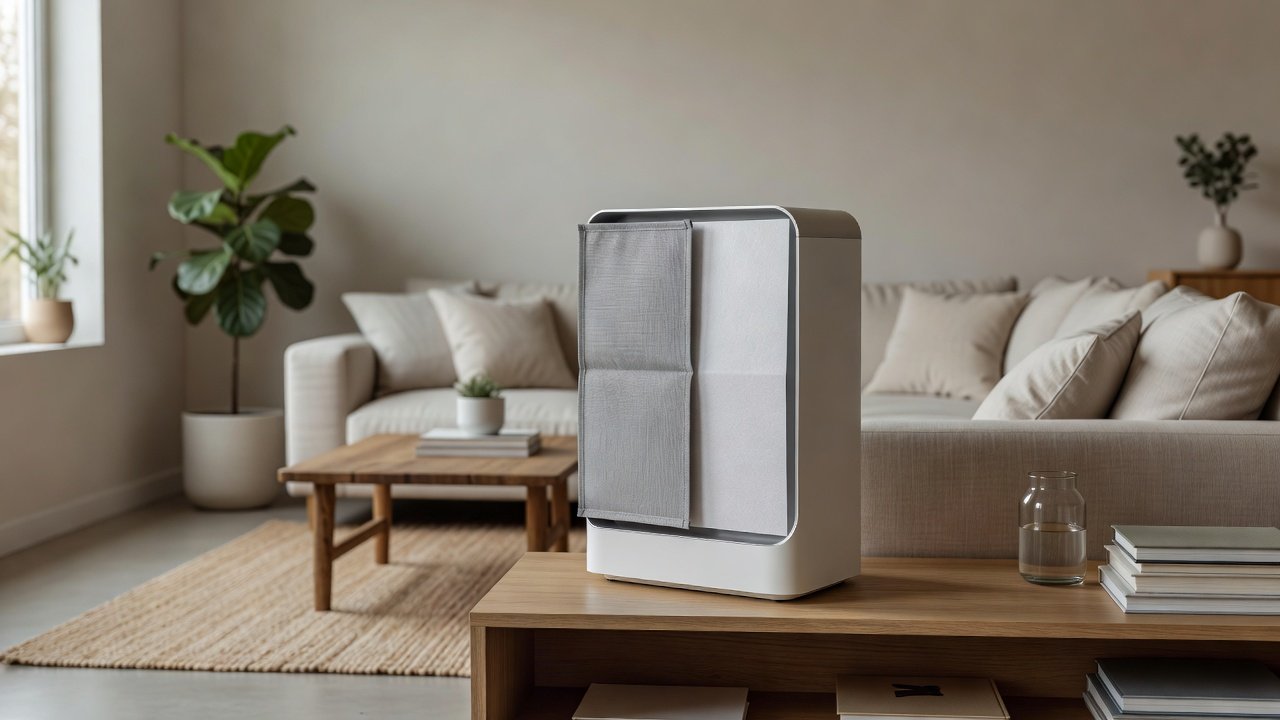
The pre-filter is the first line of defense inside an air purifier. It catches hair, lint and large dust so that the more expensive main filter lasts longer. Some purifiers have a washable, reusable pre-filter that you rinse or vacuum; others use a disposable one that you replace, or a pre-filter built into the main cartridge. The choice affects upkeep, cost and performance.
This guide compares reusable and disposable pre-filters, explains how to clean a washable one safely and helps you decide what suits your home. We have not tested these products ourselves, and models change, so follow your manual and confirm specifications on the product page.
Washable pre-filters suit
- Pet homes and dusty rooms
- People who want lower running costs
- Households that will do light weekly upkeep
Disposable pre-filters suit
- People who prefer no cleaning
- Low-dust, low-hair homes
- Simple replace-and-go routines
Key Takeaways
- A pre-filter protects the HEPA filter and keeps airflow high and noise low.
- Washable pre-filters cut running costs but must be fully dry before reinstalling.
- Disposable pre-filters are simpler but add ongoing cost and depend on supply.
- Always follow your manual: not every pre-filter is meant to be washed.
Troubleshooting Pre-Filter Problems
If the unit smells musty after cleaning, the pre-filter may have been reinstalled damp or the unit may have absorbed moisture. Remove the pre-filter and main filter, let everything dry, wipe the interior with a dry cloth and check for visible mold. Replace any filter with mold on it. If the pre-filter becomes misshapen, discolored or torn, replace it with the correct part, because gaps let hair reach the main filter.
If airflow stays weak after cleaning, inspect the main filter, as it may be loaded. If the unit is noisy, check that the pre-filter is seated properly and that the grille is not bent. A loose pre-filter can rattle. Keep the manual handy, and if the problem persists, contact the maker, particularly if the unit is still under warranty.
Spare Pre-Filters and Planning Ahead
Having a spare washable pre-filter is a simple way to avoid downtime: you swap in the clean one and wash the dirty one at your leisure. Some makers sell pre-filters separately; check availability and the correct model number before buying. For disposable types, buy a few ahead of time, particularly if you live in a smoky or dusty region.
Store spares in a dry place in their wrapping. Write the date of the last change on the unit or in a calendar. If you move or change the room where the purifier lives, review how much hair and dust it collects, and adjust your cleaning schedule. Confirm part numbers on the product page.
Pre-Filters and Allergy Control
For allergy sufferers, the pre-filter plays a supporting role. It does not capture fine allergens like pollen fragments or dander particles, but by catching large dust and hair it keeps the HEPA filter operating at its best. A clogged pre-filter forces the fan to work harder and may reduce the unit’s ability to move air, which weakens its overall performance.
Clean the pre-filter regularly during allergy seasons, when more dust and pollen are in the air. Wear a mask if cleaning triggers your symptoms, and vacuum outdoors or in a well-ventilated area. If someone in the household has asthma or severe allergies, ask them to avoid handling dusty filters, and consider an alternate person for the task.
A Simple Pre-Filter Checklist
Check your manual to confirm whether the pre-filter is washable or disposable. Set a recurring reminder to inspect it. Vacuum or rinse as directed, and make sure it is dry before reinstalling. Keep a spare if possible. Replace it if it is torn, misshapen or no longer cleans well.
Pair the pre-filter routine with a look at the main filter and the unit’s exterior. A few minutes every month keeps airflow high, noise low and the main filter lasting. This is the cheapest improvement you can make to any purifier, and it works whatever brand you own. As always, confirm part details and cleaning instructions in the manual and on the product page.
Air Purifiers to Compare
The table below lists purifiers from our affiliate partner. Compare filter details on each product page, including whether the pre-filter is washable.
Disposable Pre-Filters
Disposable pre-filters are simple to use: you remove the dirty one and fit a new one. They require no drying or cleaning, and they can be a good choice if you prefer minimal upkeep. Some are made of fine fabric that captures more small dust than a coarse mesh.
The trade-off is cost and supply. You need to buy replacements, and if the maker discontinues the part, you may be left without. In a heavy-shedding home you may need to replace them often.
Washable vs Disposable at a Glance
The table below summarizes the comparison.
| Factor | Washable | Disposable |
|---|---|---|
| Running cost | Low | Ongoing |
| Effort | Regular cleaning | Occasional replacement |
| Best for | Pets, dust | Low-maintenance homes |
| Risk | Reinstalled damp or neglected | Supply and cost |
| Waste | Low | Higher |
What a Pre-Filter Does
A pre-filter is a coarse screen or mesh placed ahead of the HEPA filter. It traps large particles such as hair, lint, pet fur and visible dust. By stopping these early, it prevents the HEPA filter from clogging quickly, which preserves airflow, lowers noise and extends the main filter’s life.
It does not remove fine particles or odors. That is the job of the HEPA and carbon layers. Think of the pre-filter as a protective layer that makes the rest of the system last.
Washable (Reusable) Pre-Filters
Washable pre-filters are typically a nylon or similar mesh that you can vacuum or rinse. Their advantage is cost: you do not buy replacements, and in a home with pets or dust, they can save a lot over time. They also reduce waste.
The trade-off is effort. You have to remember to clean them, and you must let them dry completely before reinstalling. A damp pre-filter can encourage mold or damage the unit. If you tend to forget upkeep, a washable pre-filter may end up clogged.
How to Clean a Washable Pre-Filter Safely
Start by unplugging the unit and removing the pre-filter as the manual shows. Take it outside or over a sink and shake or vacuum off loose hair and dust with a soft brush attachment. If the manual says it can be washed, rinse it under lukewarm running water and, if needed, use a small amount of mild soap. Rinse thoroughly and shake off excess water.
Let the pre-filter air dry completely, which may take several hours or overnight, away from direct heat. Do not use a hair dryer or place it on a radiator, which can warp it. Never reinstall it damp, because moisture can grow mold and can damage the motor or main filter. If your unit has a spare pre-filter, swap in the dry one while the other dries.
How Often to Clean
The right interval depends on your home. In a house with shedding pets, check the pre-filter every one to two weeks. In a home with moderate dust, monthly is typical. After renovation, wildfire smoke or heavy cleaning, check it sooner. A good rule is to look whenever the airflow seems weaker or the unit seems louder.
Set a recurring reminder, such as the first of each month, and make it part of other household chores. A pre-filter that is cleaned regularly keeps the main filter from clogging, so the cost of replacement drops.
Cost Over Time
A washable pre-filter has a higher upfront value, since you pay nothing for replacements. A disposable one costs a small amount each time, which adds up over years, especially in a pet household. If the maker sells a pack of pre-filters at a reasonable price, the cost may be acceptable, but check availability before you buy.
Remember that the pre-filter also protects the main filter, which is usually the most expensive part. A well-maintained pre-filter can make the main filter last several months longer, which offsets its own cost.
Pets, Dust and Smoke
In pet homes, hair builds up quickly, so a washable pre-filter that you can vacuum in seconds is very convenient. In dusty homes or after construction, the pre-filter may fill quickly; keeping a spare helps. After wildfire smoke, the pre-filter may collect ash and fine soot that can stain; a gentle vacuum or replacement is better than aggressive scrubbing.
For smoke odors, the pre-filter does not help much; the carbon layer does. If the smell persists after you clean the pre-filter, check the carbon layer and the main filter.
Choosing Based on Your Habits
Be honest about your routine. If you will clean the pre-filter every few weeks, a washable one is economical and effective. If you know you will forget, a disposable pre-filter or a unit with a built-in pre-filter in the cartridge may be more reliable, because replacement happens on a schedule you notice.
Whichever you choose, check the manual for instructions, keep a note of when you last cleaned or replaced the pre-filter and confirm specifications on the product page, as designs differ by model.
How to Choose
- Check whether the pre-filter is washable or disposable.
- Confirm how to clean it in the manual.
- Look at replacement part availability.
- Match the choice to your upkeep habits.
- Avoid ozone generating or ionizer modes; the EPA advises against ozone-emitting air cleaners.
Do
- Match the unit’s rated coverage to your room first
- Run it consistently, not only when the air feels bad
- Leave space around the unit for airflow
- Replace filters on the maker’s schedule
Don’t
- Do not buy on looks or price alone
- Do not block the intake or exhaust
- Do not skip filter changes
- Do not expect a purifier to fix every source of pollution
Honest Limits
- This guide uses manufacturer information and public guidance from the EPA and AHAM, not our own lab tests.
- Features and room ratings change between model years, so confirm on the listing before you buy.
- A purifier is not a medical device and does not replace medical advice or treatment.
Who Should Skip This
When to See a Professional
Pick the pre-filter type that matches your habits, and keep it clean and dry.
Frequently Asked Questions
What does a pre-filter do?
It traps hair and large dust so the main filter lasts longer.
Can I wash my pre-filter?
Only if the manual says it is washable.
How long should it dry?
Until completely dry, often several hours or overnight.
How often should I clean it?
Every one to four weeks, depending on pets and dust.
Are disposable pre-filters better?
They are simpler but cost more over time.
Can I wash a HEPA filter?
Only if the manual says so; most are not washable.
What if the pre-filter is damaged?
Replace it with the correct part for your model.
Does a clean pre-filter improve airflow?
Yes, it reduces resistance and noise.
Do all purifiers have a pre-filter?
Many do, but some integrate it into the cartridge.
Where do I confirm details?
In the manual and on the product page.
Bottom Line
A washable pre-filter saves money in homes with hair and dust, while a disposable one suits people who want zero cleaning.
Follow the manual for cleaning, never reinstall a damp filter, and confirm details on the product page.
Related reading: sens,fan,bed
Sources: EPA, Guide to Air Cleaners in the Home; AHAM Verifide.