Last updated:
Disclosure: As an Amazon Associate we earn from qualifying purchases. This does not change what we recommend. See our affiliate disclaimer.
An 800 square foot space is the size of a large open-plan living area or a small apartment. It is more than most single purifiers are rated for with a comfortable margin, so planning matters.
AHAM\u2019s two-thirds rule points to a CADR of about 530 for 800 square feet with standard ceilings. Few single units reach that, and many that do are loud on high speed.
This guide explains how to size for 800 square feet, when to use two units, how to place them and which models to compare. Recommendations follow AHAM and EPA guidance and manufacturer information, not our own tests.
One large unit works if
- The space is one open area
- Ceilings are standard height
- The unit is rated at or above 800 sq ft
Use two units if
- The space has walls or an L-shape
- You want a quiet setting
- One side needs more attention
- Ceilings are high
Key Takeaways
- An 800 square foot open space needs a CADR near 530 under AHAM’s two-thirds guideline, and more with tall ceilings.
- One large unit or two mid-size units can work; two units often mix air more evenly and run quieter.
- Open-plan layouts spread air in odd ways, so placement matters as much as capacity.
- Run units on low or medium most of the time; high is for cooking, smoke or sudden dust.
- Check low-setting noise because you will likely hear it in a shared living area.
- Plan for filter costs over two years, especially if you buy two units.
- Avoid ozone and ionizer modes, which the EPA advises against.
Top Picks: Purifiers for 800 Square Feet
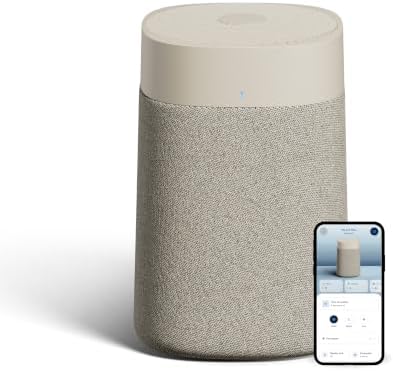
Six larger-room models. Check each listing for CADR or rated room size, and consider two units for divided layouts.





The Sizing Math
Using AHAM\u2019s two-thirds rule, 800 square feet needs a CADR near 530. Many maker room ratings assume fewer air changes, so a unit rated for 800 sq ft by a maker may have a lower real CADR than that.
If a unit lists CADR, use it. If not, choose a rating above 800 sq ft for a margin.
One Large Unit or Two
| Setup | Pros | Cons |
|---|---|---|
| One large unit | Simple, one filter set | May be loud on high, uneven in alcoves |
| Two mid-size units | Better coverage, quieter at low speed | Two filter sets |
| One large plus a small bedroom unit | Strong main space, quiet bedroom | More to buy |
Open Plan and Airflow
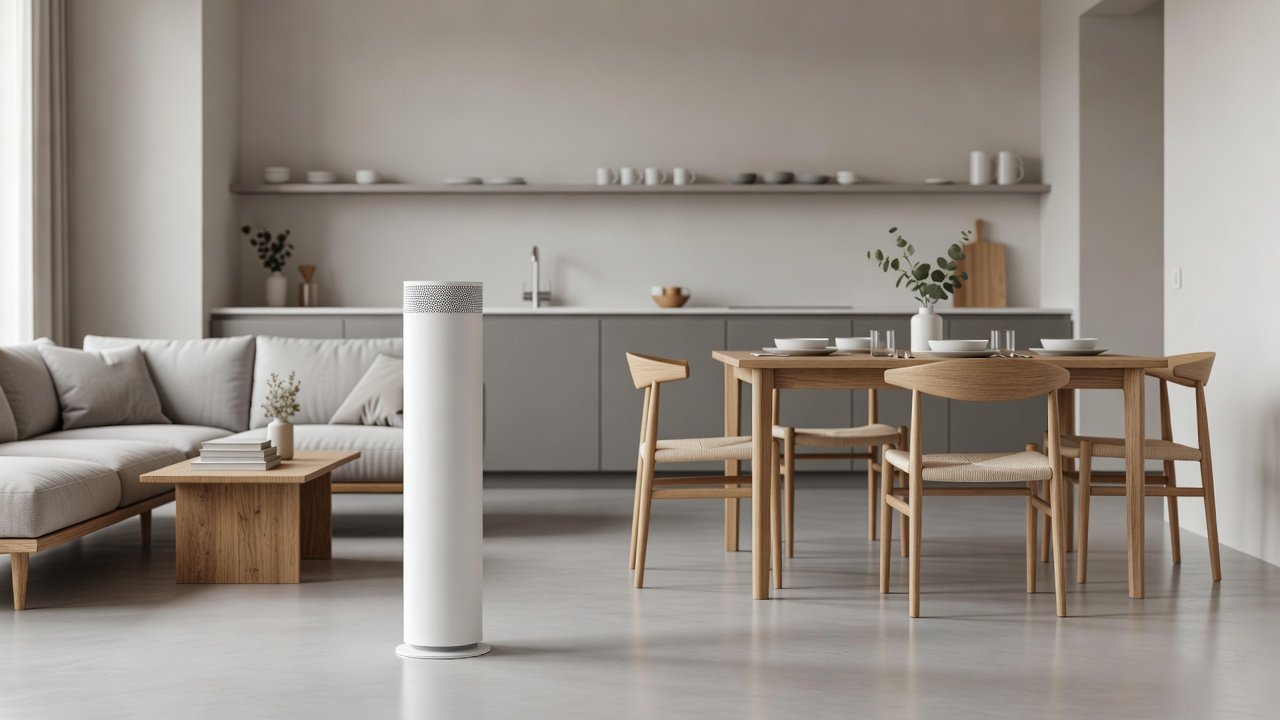
In an open-plan space, air moves between kitchen, dining and living areas. Place the purifier centrally with clear airflow and avoid corners.
If you cook often, put a unit near the kitchen but not beside the stove, and ventilate when cooking.
Noise at This Scale
Large fans get loud on high. Oversizing lets you run on low or medium. Compare the maker\u2019s noise levels and read reviews.
Two units on low are often quieter than one on high.
Filters and Running Costs
Large units use bigger filters that cost more to replace but may last longer. A pre-filter that is easy to clean protects the main filter.
Check price per year of filters, not just the purchase price.
Pets, Smoke and Allergies
With pets, smoke or allergies, size up so the purifier can cope with higher particle loads. A carbon layer helps with odors.
Our guides to pets and smoke explain extra considerations.
Placement Tips
- Central position with clear airflow
- Away from walls and curtains
- Not behind sofas
- Near the main seating area
- Keep spares for filters
Maintenance
- Clean the pre-filter regularly
- Replace HEPA and carbon on schedule
- Wipe the intake
- Vacuum around the unit
What Makes 800 Square Feet Hard
An 800 square foot open plan combines living, dining and kitchen air in one volume. Cooking particles, pet dander, dust and outdoor pollutants mix freely, and air moves along paths set by doors, vents and furniture. A purifier that works well in a closed bedroom may struggle here because the clean air it makes is diluted by air that has not been filtered.
The solution is capacity plus placement: enough CADR to cycle the space several times an hour, and positions that help air move across the whole area.
A Worked Sizing Example
Take 800 square feet with an 8 foot ceiling. Two-thirds of 800 is about 530. With a 9 foot ceiling the volume is 12 percent larger, so aim near 600. If you have two dogs or a smoker, add another 20 to 30 percent and plan for around 700 in total capacity.
That target can come from one very large unit or from two units that add up. Two units with a CADR of 350 each give 700 combined, and they can run on lower, quieter settings than one smaller unit on high.
| Situation | Rough CADR target |
|---|---|
| 800 sq ft, 8 ft ceiling, typical use | About 530 |
| 800 sq ft, 9 ft ceiling | About 600 |
| Add pets or occasional smoke | About 700 |
| Severe allergies or wildfire smoke days | 700 or more |
One Large Unit or Two Smaller Ones
| Factor | One large unit | Two mid-size units |
|---|---|---|
| Coverage evenness | Depends on room shape | Better for long or L-shaped rooms |
| Noise on low | Often quieter per CADR | Two quiet fans, check both |
| Filter cost | One set | Two sets |
| Placement | One good spot needed | Flexible |
| Failure risk | Single point | Backup if one fails |
For a simple rectangle, one large unit is often enough. For a long room, an L shape or a layout with a partial wall, two units can work better.
Placement in an Open Plan
Place a unit where air can pull in freely and push out without hitting a wall or sofa. A central location near the main seating area is often a good start. For two units, put them at opposite ends of the space so they work on different zones.
Keep the intake clear. Do not tuck a unit behind furniture or inside a corner, which restricts flow and increases noise. If you cook often, place one unit closer to the kitchen and use the range hood while cooking.
Cooking Smoke and Odors
Kitchens in open-plan spaces release particles and odors into the whole area. A HEPA filter captures cooking particles, and a carbon layer helps with some odors. Source control matters most: use the exhaust hood, cook with lids and open a window when practical.
Check the amount of carbon in the unit. A thin sheet will do little for strong odors, while a thicker carbon filter lasts longer and does more.
Pets, Allergies and Seasonal Pollen
Pet dander and hair spread through an open space and settle on soft furniture. A purifier with a washable pre-filter and a sturdy HEPA filter helps. During pollen season or wildfire smoke events, keep windows closed, run the purifiers on a higher setting and consider a unit with more capacity.
Running Costs
Add up the cost of replacement filters for each unit, how often they need changing and the electricity. Many large purifiers use a modest amount of power on low. If you plan to run the units continuously, favor models with efficient motors, and consider ENERGY STAR certified units where available.
Mistakes to Avoid
- Buying a unit rated for a 300 square foot bedroom
- Placing it in a corner behind furniture
- Running on high all the time and then hating the noise
- Skipping pre-filter cleaning
- Ignoring ventilation, which still matters
How to Choose
- Measure the area and ceiling height.
- Calculate target CADR.
- Decide between one large or two mid-size units.
- Check noise at low and medium.
- Compare filter costs per year.
- Place centrally with clear airflow.
Do
- Match the unit’s rated coverage to your room first
- Run it consistently, not only when the air feels bad
- Leave space around the unit for airflow
- Replace filters on the maker’s schedule
Don’t
- Do not buy on looks or price alone
- Do not block the intake or exhaust
- Do not skip filter changes
- Do not expect a purifier to fix every source of pollution
Honest Limits
- This guide uses manufacturer information and public guidance from the EPA and AHAM, not our own lab tests.
- Features and room ratings change between model years, so confirm on the listing before you buy.
- A purifier is not a medical device and does not replace medical advice or treatment.
Who Should Skip This
Skip a single small unit for 800 square feet. It will run constantly on high and still fall short.
Skip any unit with an ozone or ionizer mode you cannot disable.
When to See a Professional
If you or a family member have asthma or serious allergies, talk to your doctor about care. A purifier can reduce airborne particles, but it is not a treatment.
If you notice persistent musty odors, moisture or visible mold, address the source and consult a professional where needed.
Frequently Asked Questions
What CADR do I need for 800 square feet?
AHAM’s guideline of two-thirds of the floor area gives about 530 for an 8 foot ceiling. Taller ceilings, pets, smoke or allergies call for more, so many people aim for 600 to 700 and run the units on a lower setting.
Should I buy one big purifier or two smaller ones?
Either can work. One large unit is simpler for a rectangular room. Two units often cover long or L-shaped spaces more evenly and can run quieter, but you pay for two sets of filters.
Where should I place purifiers in an open-plan space?
Near the main living area with clear intake and outlet space, and away from walls and blocked corners. With two units, place them at opposite ends so each handles a different part of the space.
Are large purifiers loud?
On high they can be. Choose capacity above what you need so you can run them on low or medium, and check noise figures. Two units on low are often quieter than one smaller unit on high.
Will a purifier help with cooking odors?
A carbon layer can reduce some odors, but the best step is source control with a range hood and ventilation. A purifier with real carbon and strong airflow helps clear what escapes.
How often should I replace filters?
Follow the maker’s guidance, often every six to twelve months for HEPA filters and sooner for carbon in heavy odor use. Check pre-filters monthly in homes with pets or dust.
Do I need an air quality monitor?
No, but it can help you see the effect of cooking or cleaning and decide when to run the unit on high. Treat consumer sensors as trend indicators rather than precise instruments.
Can purifiers replace ventilation?
No. Purifiers clean particles from indoor air, but they do not bring in fresh air or remove carbon dioxide. Use them with good ventilation and source control.
Are ionizers a good idea in a large space?
The EPA advises against ozone-generating devices, and some ionizers produce ozone as a by-product. Choose filter-based units and turn off any ionizer mode.
What if I have pets?
Choose a unit with a washable pre-filter and a robust HEPA filter, clean the pre-filter often and consider adding capacity. Pets add dander and hair that load filters faster than in a pet-free home.
Bottom Line
For 800 square feet, plan for a CADR around 530 and decide whether one large unit or two units suits the layout.
Oversizing lets you run quietly, and filters need regular care.
Related reading: bed,port,fan
Sources: EPA, Guide to Air Cleaners in the Home; AHAM Verifide.