Last updated:
Disclosure: As an Amazon Associate we earn from qualifying purchases. This does not change what we recommend. See our affiliate disclaimer.
A nursery is a small room where a baby spends many hours asleep, so noise, safety and cleanliness matter more than features. A well-chosen purifier can reduce dust, pollen and pet dander in the room, though it does not replace good ventilation, cleaning and smoke-free habits.
The best nursery purifier is quiet, uses a true HEPA-type filter, has no ozone and is placed safely out of reach. This guide explains how to size one, what to avoid and which compact models to compare.
This is general information, not medical advice. For questions about your baby\u2019s health, allergies or breathing, ask your pediatrician. Recommendations follow manufacturer information and public guidance from the EPA and AHAM, not our own tests.
Look for
- A very quiet low setting
- A true HEPA-type filter
- No ozone production
- A stable base and a cord you can keep out of reach
Avoid
- Ozone-producing or ionizing devices
- Bright lights that cannot be turned off
- Units a baby could reach or tip
- Scented or fragrance features
Key Takeaways
- A baby room purifier should be quiet, stable, free of ozone and sized for the room; it does not replace safe sleep practices.
- Keep cords out of reach and place the unit where the baby cannot touch it, including once they crawl or stand.
- Avoid ozone, ionizer and scented features; babies have sensitive airways.
- Size by CADR with margin so you can run it on low; noise can double as white noise but keep it modest.
- Source control matters: no smoking, ventilate after painting or new furniture, wash bedding.
- Check the pre-filter often; nurseries collect lint and fibers.
- Talk to your pediatrician about health concerns; a purifier is not a treatment.
Setting Up for the Best Results
Place the unit away from walls, keep the intake clear and close doors and windows in the room. Run it on a moderate setting continuously, and boost when pollution rises. Check and clean the pre-filter every few weeks and note replacement dates.
Quick Troubleshooting
- Weak airflow: clean the pre-filter and check the filter is seated
- Odd smell: replace carbon or clean the unit
- Loud noise: check for blocked grilles and a level surface
- Filter light stuck: reset per the manual after replacing
Top Picks: Compact Purifiers for Small Rooms
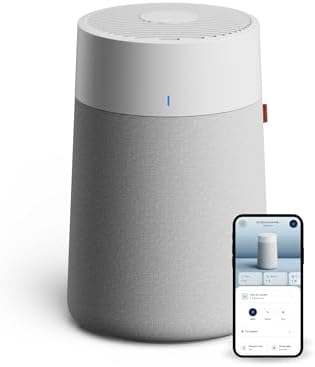
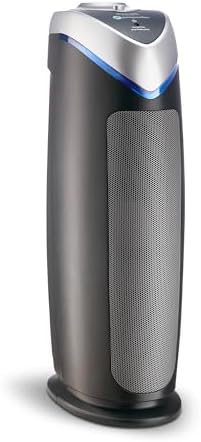
Six compact models that suit small rooms. Check each listing for noise, light controls and rated room size, and place any unit safely out of reach.




What a Purifier Can Do in a Nursery
A purifier with a true HEPA-type filter captures airborne dust, pollen, pet dander and some smoke particles. This can make the air in a closed nursery cleaner, particularly in a dusty house or during pollen or smoke season.
It cannot remove odors without a carbon layer, cannot fix damp problems and does not replace opening windows when the outdoor air is good.
Safety First
Place the unit well out of the baby\u2019s reach, on a stable surface or the floor in a spot a crawling baby cannot get to, and keep cords out of reach. Avoid any unit with hot surfaces or small removable parts the baby could grab.
Avoid devices that produce ozone. The EPA advises against ozone generators sold as air cleaners because ozone can irritate the lungs.
Nursery Purifier Features Compared
| Feature | Why it matters for a nursery |
|---|---|
| Quiet low setting | Avoid waking the baby |
| Sleep mode and dim lights | Keeps the room dark at night |
| True HEPA-type filter | Captures fine dust and allergens |
| No ozone | Safer for the lungs |
| Child-safe design | Stable base, hidden cord, no hot parts |
| Rated room size | Right size for a small room |
Noise and White Noise
A steady low hum can sound like white noise, which some babies find soothing, but it should not be loud. Check the lowest setting noise in reviews and test the unit before the baby sleeps with it.
Keep the sound level as low as practical, and ask your pediatrician about safe sound levels for babies.
Size and Placement
Nurseries are small, so a compact unit is usually enough. Check the maker\u2019s rated room size and choose one rated for at least the room, so it can run on a low setting.
Place it a little away from the crib with clear airflow, and avoid blowing air directly at the baby.
Filters and Smells
A carbon layer can reduce some diaper and cleaning smells, though it has limits. Choose a model with a true HEPA-type filter, and replace filters on schedule.
Avoid fragrance modules or scented filters in a nursery.
Other Ways to Keep Nursery Air Clean
- Keep the home smoke-free, and do not smoke near the baby
- Use fragrance-free cleaning products
- Wash bedding and soft toys regularly
- Open windows when outdoor air is good
- Keep humidity moderate, since damp encourages mold
When to Talk to a Doctor
If your baby has frequent coughing, wheezing, congestion or suspected allergies, talk to your pediatrician. A purifier is not a medical treatment and should not delay medical advice.
Why Nursery Air Gets Special Attention
Babies breathe faster than adults relative to their size, spend most of the day indoors and are close to floors and soft surfaces where dust settles. Parents also bring new items into the room: furniture, paint, mattresses and fabrics, some of which release volatile compounds when new.
That is why many parents look for a purifier. The right choice is simple and safe: a filter-based unit with good airflow and no extras that add chemicals or ozone.
Nursery Safety Checklist
- Place the purifier out of reach, ideally on a high stable shelf or a low stable spot behind a gate or furniture the baby cannot move
- Keep the cord short, secured and out of reach
- Avoid units with small removable parts
- Choose a unit with a stable base
- Check for hot surfaces and moving parts
- Keep the display or sounds low
- Follow safe sleep guidance from your pediatrician
Sizing and Noise in a Nursery
A nursery is often 100 to 150 square feet. A CADR near 100 meets AHAM’s guidance for 150 square feet, and a model rated at 130 or more lets you run it on low. Choose one with a documented quiet setting. Some parents find a steady purifier hum soothing, but treat it as background sound, not a substitute for a sleep routine.
New Furniture, Paint and Off-Gassing
New cribs, mattresses, paint and flooring can release volatile compounds for days or weeks. Ventilate the room, choose low-emission products and allow time before the baby sleeps there. A purifier with carbon can help reduce some odors, but ventilation and source control matter most. Do not rely on a purifier to make an unsafe product safe.
Dust, Lint and Allergens in Nurseries
Stuffed toys, blankets and curtains hold dust. Wash bedding often, vacuum with a HEPA vacuum, wipe surfaces damp and limit dust-collecting items. A HEPA purifier captures fine particles that float, but cleaning handles the rest.
Keeping the Purifier Clean
Nurseries generate lint from diapers, blankets and clothing. Check the pre-filter weekly at first, wipe the exterior and replace filters on the maker’s schedule. A clogged filter increases noise and reduces cleaning.
When Your Baby Starts to Move
Once your baby crawls and pulls up, anything in the room becomes a target. Move the purifier higher, behind a gate or to a spot where the intake and cord cannot be reached. Check regularly for tipping risks.
How to Choose
- Measure the nursery.
- Choose a unit rated for at least that size.
- Pick a quiet low setting and dim lights.
- Avoid ozone and scented features.
- Place it out of reach with the cord secured.
- Check filter cost and replacement.
Do
- Match the unit’s rated coverage to your room first
- Run it consistently, not only when the air feels bad
- Leave space around the unit for airflow
- Replace filters on the maker’s schedule
Don’t
- Do not buy on looks or price alone
- Do not block the intake or exhaust
- Do not skip filter changes
- Do not expect a purifier to fix every source of pollution
Honest Limits
- This guide uses manufacturer information and public guidance from the EPA and AHAM, not our own lab tests.
- Features and room ratings change between model years, so confirm on the listing before you buy.
- A purifier is not a medical device and does not replace medical advice or treatment.
Who Should Skip This
Skip ionizers, ozone, plasma and scent features in a nursery.
Skip units with accessible cords, small parts or bright blinking lights.
When to See a Professional
Talk to your pediatrician about breathing, allergy, asthma or sleep concerns in your baby. A purifier is not a treatment or a safety device.
If you smell burning, see sparks or find a damaged cord, unplug the unit and contact the maker or an electrician.
Frequently Asked Questions
Is an air purifier safe for a baby room?
A filter-based purifier with no ozone or ionizer is generally considered a reasonable choice if it is placed safely out of reach. Ask your pediatrician about specific concerns.
What size purifier do I need for a nursery?
AHAM suggests a CADR near two-thirds of the floor area. For 150 square feet, about 100. Choose a model with extra capacity so it can run on low.
Should the purifier run all night?
Many parents run it on a low setting. Choose a quiet model and place it away from the crib. Ask your pediatrician if you have concerns.
Can a purifier help with new furniture smells?
Carbon may reduce some odors, but ventilation and choosing low-emission products matter more. Allow new items to air out before the baby sleeps in the room.
Are ionizers safe around babies?
The EPA advises against ozone-generating devices, and some ionizers produce ozone. Choose a filter-based unit.
How far from the crib should the purifier be?
Far enough that the baby cannot touch it, and the cord cannot reach. A few feet or more with clear airflow works well. Follow safe sleep guidance.
Does a purifier prevent SIDS or asthma?
No. A purifier is not a safety or medical device. Follow safe sleep guidance and talk to your pediatrician about health concerns.
What noise level is okay?
Look for a quiet low setting. Some babies sleep well with steady background sound, but keep it modest and consult your pediatrician.
How often should I clean the filter?
Check the pre-filter weekly at first, since nurseries collect lint. Replace HEPA filters on the maker’s schedule.
Do I need a purifier if I keep the room clean?
Not necessarily. Cleaning and ventilation help a lot. A purifier adds an extra layer, especially in dusty, polluted or smoky areas.
Bottom Line
A good nursery purifier is quiet, filter-based, ozone-free and placed safely out of reach. It helps with dust and allergens but does not replace ventilation or medical advice.
Choose a compact true HEPA-type unit with a dim sleep mode and secure the cord.
Related reading: fan,sens,bed
Sources: EPA, Guide to Air Cleaners in the Home; AHAM Verifide.