Last updated:
Disclosure: As an Amazon Associate we earn from qualifying purchases. This does not change what we recommend. See our affiliate disclaimer.
Basements trap moisture, dust, laundry and storage smells, and sometimes radon or mold concerns. A purifier can help with dust, spores and odor, but it does nothing for the damp itself, which is what drives most basement air problems.
Before choosing a unit, look at humidity, leaks and ventilation. The EPA advises controlling moisture to control mold, and a dehumidifier often does more for a damp basement than any purifier.
This guide explains what to fix first, what to look for in a basement purifier, how to size it and which models to compare. The recommendations follow public guidance from the EPA and AHAM and manufacturer information, not our own tests.
A purifier helps with
- Dust from storage, laundry and workshops
- Airborne mold spores while you fix the cause
- Some musty odor, with a carbon layer
A purifier does not fix
- A damp or leaking basement
- Mold growing on surfaces
- Radon, which needs its own test and mitigation
Key Takeaways
- Basements are damp, dusty and low in fresh air; fix moisture before buying anything.
- Aim for 30 to 50 percent relative humidity, per EPA guidance, with a dehumidifier if needed.
- A purifier helps with dust and some mold spores but does not stop mold growth.
- Size by CADR to the basement area and ceiling height; low ceilings reduce volume.
- Choose a washable pre-filter and carbon for musty odors.
- Radon and combustion gases are not handled by a purifier; test and use alarms.
- Avoid ozone and ionizer modes, which the EPA advises against.
Reading the Hygrometer and Acting on It
A small hygrometer costs little and tells you whether your fixes work. Place it at table height away from the dehumidifier and check it at the same times each day for a week. If readings stay above 50 percent, increase dehumidifier capacity, check for leaks and ventilate. If they drop below 30 percent in winter, you may be over-drying and can reduce the setting.
Record the readings for a few weeks. A pattern, such as humidity spikes after laundry or after rain, points directly at the cause and shows which habit or repair will help most.
Choosing Filters and Features for Damp Spaces
In a damp area, a washable pre-filter makes maintenance easier, because it traps dust before it reaches finer filters. Look for True HEPA and a meaningful carbon layer for musty odor. Metal housings and sealed electronics are not a guarantee of damp-room safety, so read the manual and keep the unit off damp floors, on a small stand if needed.
Choose a model with a filter-change indicator, since basements load filters faster than upstairs rooms. A unit with easily available replacement filters saves money and ensures you actually change them.
Planning a Seasonal Routine
Spring and summer bring the highest humidity; plan to check the dehumidifier reservoir, inspect for leaks after storms and clean the pre-filter monthly. In autumn, clear gutters and check seals. In winter, watch for condensation on cold surfaces and confirm that the furnace and water heater vents are clear.
Top Picks: Purifiers for Larger Basements
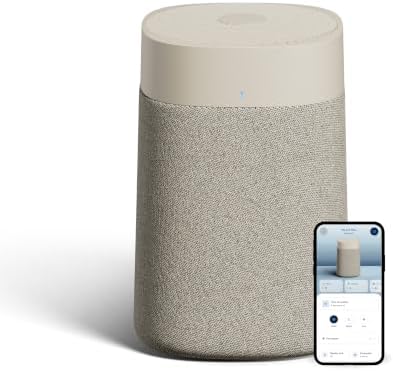
Six models rated for larger spaces. Check each listing for rated room size, filter details and replacement cost.





Why Basement Air Is Different
Basements are cooler and often damper than the rest of the house, with less ventilation and more storage. Humidity encourages mold and dust mites, and stored items give off odors.
Many basements also hold laundry areas, workshops or a utility space, which add dust and fumes of their own.
Fix Moisture First
The EPA advises keeping indoor humidity in a moderate range, fixing leaks quickly and drying wet materials fast. A dehumidifier sized for the space and a hygrometer to check the reading are inexpensive ways to start.
If the basement floods or has persistent water problems, talk to a professional rather than relying on an air purifier.
What to Look For in a Basement Purifier
| Feature | Why it matters |
|---|---|
| True HEPA filter | Captures dust and mold spores |
| Substantial carbon layer | Reduces musty and stored-item odor, to a limit |
| Airflow rated for the space | Basements are often large, open areas |
| Easy-clean pre-filter | Basement dust loads filters fast |
| Rugged, simple controls | Less to fail in a damp space |
Sizing for a Basement
Measure the floor area and note the ceiling height, since many basements are lower than standard. AHAM suggests a clean air delivery rate of about two-thirds of the floor area, so choose a unit rated for at least your area.
For a finished basement used as a living or play space, size up so the purifier can run on a quieter setting.
Mold, Mildew and Musty Smells
A HEPA filter captures mold spores in the air, and a carbon layer can reduce some musty odor. Neither removes mold growing on walls, floors or stored items.
If you see mold, follow EPA guidance for cleanup, fix the moisture source and call a professional for large areas.
Placement in a Basement
Put the purifier where air can circulate, away from damp walls and floor drains, and keep the cord and unit off wet floors. A small stand or shelf can lift it off the ground.
Avoid placing it right next to a dehumidifier\u2019s exhaust, since both will work against each other.
Noise, Running Costs and Maintenance
A basement is often a place where noise matters less, so a higher fan setting is more acceptable. Even so, running on a lower setting saves power and extends filter life.
Clean the pre-filter regularly and replace the HEPA and carbon filters on the maker\u2019s schedule, or sooner in a dusty or damp space.
Other Basement Air Steps
- Run a dehumidifier and check humidity with a hygrometer
- Fix leaks and clean up water quickly
- Store items off the floor in sealed bins
- Test for radon and follow the EPA guidance
- Ventilate laundry and workshop areas
A Worked Example: Finished 800 Square Foot Basement
A finished basement of 800 square feet with a 7.5 foot ceiling has a floor area that points to a CADR near 530 by the two-thirds guideline, assuming standard ceilings. Lower ceilings mean less volume, so a unit in the 400 to 500 range may be enough in practice, but if the space is open and dusty, err on the higher side.
Many basements are divided by walls. Treat each zone separately and run one unit where people spend time. Keep doors open between zones if you want one purifier to cover two spaces.
| Basement type | Main problem | First step |
|---|---|---|
| Unfinished storage | Dust, damp | Dehumidifier, shelving off the floor |
| Finished family room | Dust, musty smell | Dehumidifier, purifier with carbon |
| Laundry area | Humidity, lint | Vent dryer outdoors, exhaust fan |
| Workshop | Dust, fumes | Dust collection, ventilation |
Radon, Gas Appliances and Safety
Basements are where radon, a radioactive gas, tends to accumulate. A purifier does not remove it. The EPA recommends testing the home for radon and mitigating if levels are high. If you have gas furnaces, water heaters or dryers, make sure they are vented and install carbon monoxide alarms.
Controlling Moisture
- Grade the soil so water flows away from the foundation
- Keep gutters and downspouts clear and extended
- Use a dehumidifier sized for the space and empty or drain it regularly
- Fix leaks and seal cracks
- Insulate cold pipes to reduce condensation
- Keep boxes and fabric off the floor
- Vent the dryer outdoors
Dust, Storage and Flooring
Basements collect dust from concrete, storage and laundry. Seal bare concrete if possible, store items in sealed bins and vacuum with a HEPA vacuum. Carpet in a damp basement can trap moisture; consider flooring that dries easily.
Using a Dehumidifier With a Purifier
A dehumidifier lowers moisture and therefore mold risk; the purifier handles dust and some odor. Place them in different spots so air circulates and both can do their work. Check the hygrometer weekly in humid seasons.
How to Choose
- Measure the floor area and ceiling height.
- Check and control humidity before buying.
- Choose a unit rated above your area with a true HEPA filter.
- Add a carbon layer for musty smell, with realistic expectations.
- Pick an easy-clean pre-filter.
- Place it off wet floors with clear airflow.
Do
- Match the unit’s rated coverage to your room first
- Run it consistently, not only when the air feels bad
- Leave space around the unit for airflow
- Replace filters on the maker’s schedule
Don’t
- Do not buy on looks or price alone
- Do not block the intake or exhaust
- Do not skip filter changes
- Do not expect a purifier to fix every source of pollution
Honest Limits
- This guide uses manufacturer information and public guidance from the EPA and AHAM, not our own lab tests.
- Features and room ratings change between model years, so confirm on the listing before you buy.
- A purifier is not a medical device and does not replace medical advice or treatment.
Who Should Skip This
Skip using an air purifier as your only response to damp or mold. It does not stop growth.
Skip ozone generators for musty smell; the EPA advises against them.
When to See a Professional
If you see mold across a large area, notice repeated flooding or smell strong mustiness, consult a qualified professional.
If you have asthma or allergies that worsen in the basement, talk to your doctor.
Frequently Asked Questions
Do I need an air purifier in a basement?
It can help with dust and some odors, but moisture control comes first. A dehumidifier and ventilation usually matter more.
What humidity should a basement have?
The EPA suggests 30 to 50 percent relative humidity. A hygrometer helps you check.
Will a purifier remove mold?
It can capture some airborne spores but does not stop mold growing. Fix moisture and clean affected surfaces.
What size purifier do I need?
Start with about two-thirds of the floor area in CADR for standard ceilings. Lower ceilings reduce volume, but open dusty spaces may need more.
Does carbon help with musty smell?
Carbon can reduce some odors, but the source must be fixed. Replace it when the smell returns.
Does a purifier remove radon?
No. Test for radon and mitigate if needed. A purifier is not a radon solution.
Should I run a dehumidifier and purifier together?
Yes, if you need both. Place them where air can circulate and check humidity regularly.
Are ozone generators safe for musty basements?
The EPA advises against them because ozone can irritate the lungs.
How often should I change filters?
Basements load filters faster. Check the pre-filter monthly and replace on the maker’s schedule or sooner.
Where should I place the purifier?
In the main living area, a few feet from walls, away from the dehumidifier outlet and not on damp floors.
Bottom Line
Basement air improves most when you control moisture, test for radon and then add a purifier for dust, spores and odor.
Choose a true HEPA unit with enough carbon and airflow for the area, and keep the pre-filter clean.
Related reading: bed,sens,port
Sources: EPA, Guide to Air Cleaners in the Home; AHAM Verifide.