Last updated:
Disclosure: As an Amazon Associate we earn from qualifying purchases. This does not change what we recommend. See our affiliate disclaimer.
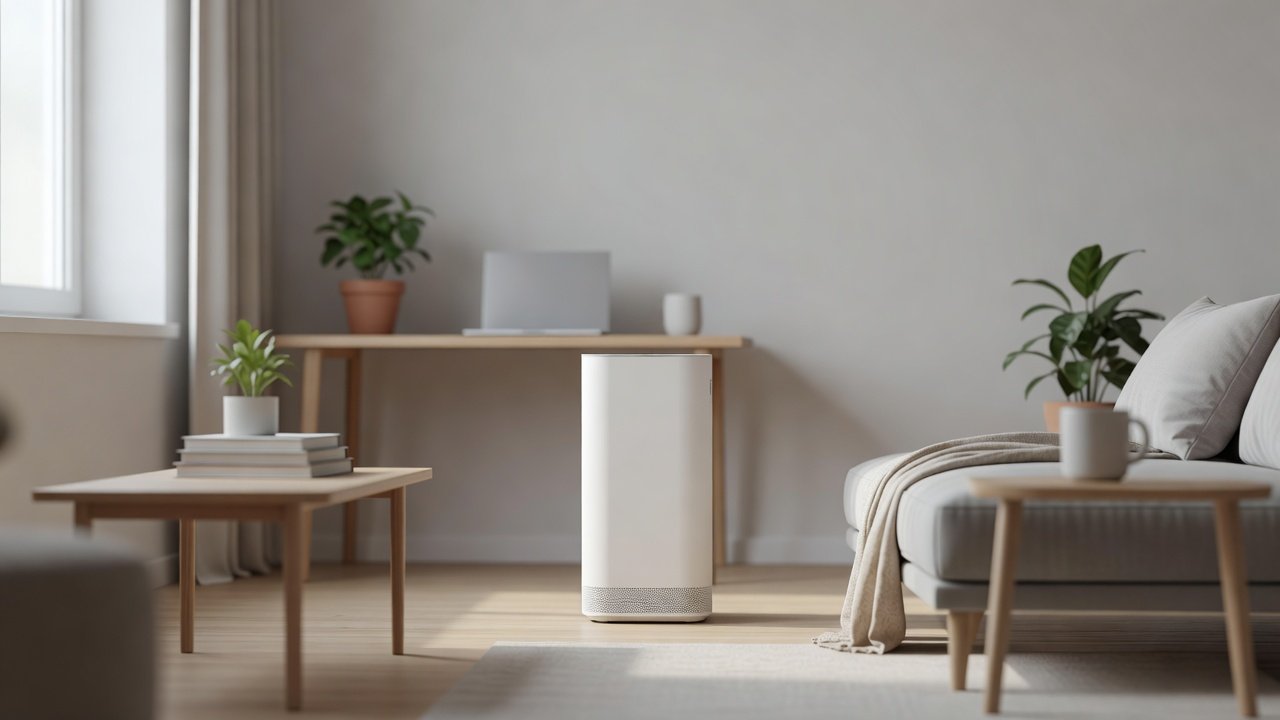
People in cancer treatment may be advised to take extra care about infection risk and irritants, and the right precautions depend on the person, the treatment and the care team’s guidance. An air purifier is not a treatment and cannot guarantee protection from infection, but a properly sized true HEPA purifier may reduce airborne dust, pollen, pet dander and some smoke particles in the room where someone spends time. Ask your oncology team what precautions they recommend before buying anything.
This guide explains what to ask, which features matter, which claims to treat with caution and how to maintain a purifier so it does not become a problem itself. We have not tested these products ourselves, so confirm specifications on product pages. Nothing here is medical advice; ask your care team about your situation.
Look for
- True HEPA filtration
- CADR suited to the room
- Easy filter replacement
Avoid
- Ozone-emitting devices
- Unproven germ-killing claims
- Neglected filters
Key Takeaways
- Ask your care team first
- True HEPA reduces airborne particles but is not protection from infection
- Avoid ozone and unproven germ-killing claims
- Maintain filters and control moisture
Questions to Bring to Your Appointment
Write down the questions in advance: Which environmental precautions apply to my treatment? Is a purifier useful for me? Should I avoid houseplants, pets, humidifiers or certain activities? What should I do about home renovation or mold? Who should clean? Which symptoms mean I should call you right away?
Take notes and share the information with caregivers so everyone follows the same plan.
Choosing a Unit Step by Step
Measure the room and choose a CADR of roughly two thirds of the floor area at 8 foot ceilings, with extra margin so the unit can run quietly. Confirm true HEPA and no ozone-generating features. Check noise at low and medium speeds, since rest matters. Check filter costs and that replacement filters are easy to get.
Place the unit with clearance, keep doors closed and keep cords away from walkways.
Keeping the Purifier Itself Clean
A neglected unit can perform poorly. Clean the pre-filter as directed, wipe the exterior with a dry or slightly damp cloth while unplugged and replace HEPA and carbon filters on schedule. Ask a caregiver to handle filter changes if the care team recommends avoiding dust exposure.
Do not use compressed air on HEPA filters and do not wash filters that are not washable.
What Not to Rely On
Do not rely on a purifier for protection from infection, as a substitute for medical advice or in place of precautions your care team recommends. Do not rely on marketing statements such as medical-grade or kills 99.9 percent of germs.
Supporting Habits
Rest, nutrition, hygiene and following the treatment plan matter far more than any device. Ask about safe ways to keep the home comfortable and clean.
A Short Checklist for Caregivers
- Ask the oncology team what environmental precautions apply and write them down
- Choose a true HEPA unit without ozone, sized for the bedroom, and run it continuously on a quiet speed
- Keep humidity roughly between 30 and 50 percent and clean any humidifier daily
- Keep fragrances, candles, sprays, and smoke out of the home
- Handle filter changes and dusting yourself, away from the person, if the care team advises limiting dust exposure
- Keep a note of filter dates and any questions for the next appointment
The purifier supports the care plan; the care team leads it. Nothing here is medical advice.
Keeping Expectations Realistic
A purifier lowers airborne particles in one room. It cannot prevent infection, cannot replace hygiene or any precaution the care team recommends, and should never be the reason to relax other measures. If the team has no specific view on air cleaners, a plain true HEPA unit maintained on schedule is the sensible default, and the time saved on marketing comparisons is better spent on rest and the plan.
Final Word
Ask the oncology team first and follow their precautions. If a purifier fits the plan, a sealed true HEPA unit without ozone, sized to the bedroom, run continuously and maintained by a caregiver, is the sensible default. It supports care; it protects against nothing on its own.
True HEPA Air Purifiers for Sensitive Households
These picks come from the Hostinger affiliate plugin. Specs change by model year, so confirm filter type, CADR, noise and replacement filter costs on the product page.


Start With Your Care Team
Ask your oncology team what precautions they recommend for your treatment, including advice on infection risk, mold, dust, smoke, pets, cleaning products and renovation. Their guidance comes before any product claim.
Ask whether a purifier is useful for you, and what other steps, such as hand hygiene, food safety and avoiding sick contacts, matter more.
What a True HEPA Purifier Can Do
A true HEPA filter captures at least 99.97 percent of particles at 0.3 microns, which includes many dust, pollen, dander and mold spore particles. It reduces particles in the air that passes through it.
It does not remove every pollutant, does not remove gases without carbon and cannot guarantee that a person will not get an infection.
Be Careful With Germ-Killing Claims
Some products advertise UV-C light or other features that claim to kill germs. Effectiveness depends on design, exposure time and airflow, and independent evidence for home units varies. Some UV and ionizing designs can produce ozone.
Do not rely on these features for protection. Ask your care team before choosing them.
Avoid Ozone
Ozone can irritate the lungs, and the EPA advises against ozone-emitting air cleaners. Choose a true HEPA unit with no ozone-generating features, or ones you can turn off.
Placement and Maintenance
Choose a unit sized for the room where the person spends most time, often the bedroom. Place it with clearance and keep doors closed. Replace filters on schedule and clean pre-filters, since a neglected filter performs poorly.
Keep humidifiers and other water-based devices clean or avoid them if your care team advises, because they can grow microbes when neglected.
Dust, Mold and Moisture
Moisture control matters. Fix leaks, keep humidity roughly between 30 and 50 percent and clean small damp areas safely. Ask your care team whether someone else should handle cleaning of mold.
Avoid disturbing dust during renovation and ask about precautions.
Pets, Plants and Soil
Ask your care team about pets and houseplants, since soil and pet waste can carry microbes. They may suggest specific precautions.
Do not change routines without advice.
Cleaning Products and Fragrances
Strong fragrances and harsh cleaning products can irritate airways. Choose milder products and ventilate as advised.
Never mix cleaning chemicals.
Caregivers and Visitors
Caregivers can help by keeping the home clean, replacing filters, managing moisture and following the care team’s guidance on visitors and illness.
Wash hands and follow advice.
Smoke and Outdoor Air
Avoid tobacco smoke and ask about wildfire smoke or poor outdoor air days. Keep windows closed on bad air days and use filtration as advised.
Check local air quality forecasts.
How to Choose
- True HEPA filtration without ozone features
- CADR suited to the bedroom or main room
- Quiet operation for rest
- Affordable replacement filters
Do
- Match the unit’s rated coverage to your room first
- Run it consistently, not only when the air feels bad
- Leave space around the unit for airflow
- Replace filters on the maker’s schedule
Don’t
- Do not buy on looks or price alone
- Do not block the intake or exhaust
- Do not skip filter changes
- Do not expect a purifier to fix every source of pollution
Honest Limits
- This guide uses manufacturer information and public guidance from the EPA and AHAM, not our own lab tests.
- Features and room ratings change between model years, so confirm on the listing before you buy.
- A purifier is not a medical device and does not replace medical advice or treatment.
Who Should Skip This
When to See a Professional
Frequently Asked Questions
Can an air purifier protect me from infection?
It may reduce some airborne particles, but it cannot guarantee protection. Follow your care team’s advice.
Is UV-C helpful?
Evidence for home units varies. Ask your care team and avoid ozone-producing designs.
What type should I choose?
A true HEPA unit sized for the room without ozone features.
Who should I ask?
Your oncology care team.
Bottom Line
Ask your care team first. If a purifier is suitable, choose a true HEPA unit without ozone, size it for the room and keep it maintained. It supports other precautions but does not replace them.
Related reading: sens,fan,bed
Sources: EPA, Guide to Air Cleaners in the Home; AHAM Verifide.