Last updated:
Disclosure: As an Amazon Associate we earn from qualifying purchases. This does not change what we recommend. See our affiliate disclaimer.
Dorm rooms are small, shared and often poorly ventilated. Add dust, laundry smells, cooking in a shared kitchen and a roommate who sleeps at different hours, and a compact air purifier can make the room more comfortable.
The right dorm purifier is small enough for a desk or floor corner, quiet enough to run overnight, and allowed by your housing rules. Bigger is not better here, because most dorm rooms are well under 300 square feet.
This guide covers how to size a purifier for a dorm, what features matter, what to avoid and which compact models to look at. The picks come from manufacturer information and public guidance from the EPA and AHAM, not from our own testing.
Look for
- A rated coverage that fits a small room
- A true HEPA-type filter
- A quiet low setting or sleep mode
- A small footprint and cheap replacement filters
Skip it if
- It makes ozone on purpose (ionizers and ozone generators)
- Your housing rules ban it
- It is rated for a much larger room than you have
- Replacement filters are hard to find
Key Takeaways
- Check housing rules first: some dorms ban certain appliances or require approved models.
- Most dorm rooms are 100 to 200 square feet, so a CADR of about 70 to 130 is usually enough.
- True HEPA, a quiet low setting and a compact footprint matter most.
- Avoid ozone and ionizer modes; the EPA advises against ozone-generating devices.
- Filters in small units load faster, so budget for replacements.
- Shared rooms need agreement on noise, light and placement.
- Moving in and out is easier with a unit that has a handle and a carry bag.
Top Picks: Compact Air Purifiers for Small Rooms
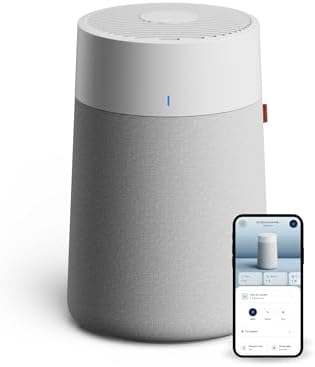
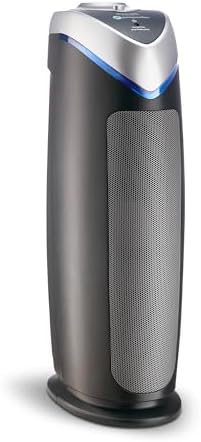
Six models that suit small rooms, from very compact units to a mid-size option. Check each listing for the maker\u2019s rated room size, and confirm the current filter type and replacement filter cost before you buy.




Check Your Housing Rules First
Some colleges restrict certain appliances, mostly heaters, hot plates and anything that produces ozone. Most plain filter-based purifiers are allowed, but rules differ by school and by building, so read your housing handbook or ask your residence office before you buy.
Avoid devices that deliberately generate ozone. The EPA advises against ozone generators sold as air cleaners because ozone is a lung irritant, and many states restrict them.
What Size Purifier Does a Dorm Need?
Typical dorm rooms are roughly 100 to 250 square feet, though some suites are bigger. Makers list the room size each model is rated for, usually based on how often the unit can filter the air in an hour.
AHAM suggests that a purifier\u2019s clean air delivery rate should be about two-thirds of the room\u2019s area to get good results. In practice, pick a model rated for at least your room size and preferably more, so it can run on a lower, quieter setting.
Compact vs Larger Models: Side by Side
| Factor | Compact unit | Larger unit |
|---|---|---|
| Rated room size | Small rooms, as the maker lists | Medium and large rooms |
| Footprint | Fits a desk or shelf | Needs floor space |
| Noise on high | Can be noticeable on small fans | Often quieter at the same airflow |
| Filter cost | Usually lower | Usually higher |
| Moving between rooms | Easy, good for moving out each year | Harder to carry |
| Best for | Single or double dorm rooms | Large suites and shared common areas |
Noise: Living With a Roommate
Noise matters more in a dorm than in most homes, because you sleep, study and relax in the same small room. Look for a low setting that you can barely hear and a sleep mode that dims the lights.
Makers list noise levels, but the figures are measured differently across brands. Treat them as a rough guide and read recent reviews about how loud the lowest and highest settings really are.
Filters: What to Look For
A true HEPA-type filter is the standard for catching fine dust, pollen and pet dander. An activated carbon layer helps with odors from laundry, food and shared bathrooms, although it does not remove every smell.
Check the cost of replacement filters before you buy. A cheap purifier with expensive filters can cost more over a school year than a mid-priced model with affordable ones.
Pre-Filters, Odors and Smells
Dorms collect lint, hair and dust, so a washable pre-filter or an easy-to-reach outer filter is a plus. Cleaning it extends the life of the main filter.
Smells from shared kitchens and bathrooms are hard to fully remove with any purifier. If odor is your main concern, look for a model with a good carbon layer and keep expectations realistic.
Where to Put It in a Small Room
Place the purifier where air can flow in and out, a foot or so from walls and furniture if the manual advises it. A spot near the bed works for sleep, but keep the airflow from blowing directly on you if it bothers you at night.
Do not tuck it behind a desk or in a closet corner. Blocking the intake or exhaust lowers how much air it can clean and makes the fan work harder.
Running Costs for Students on a Budget
Most compact purifiers use modest power on the low setting, so electricity is rarely the main cost. Filters are. Plan for a replacement about once or twice a year, depending on the maker and how dusty the room is.
If you share the cost with a roommate, split the filter fund at the start so a worn filter does not stay in place all year.
Moving In and Out: Portability
A small, light purifier is easy to carry home at the end of term and to pack into a different room next year. Check the weight and whether the original box is worth keeping.
Our guide to portable and fixed purifiers explains the trade-offs if you are unsure how big to go.
Who Benefits Most From a Dorm Purifier
- Students with dust or pollen allergies who want cleaner air at night
- Anyone in an older building with limited ventilation
- Rooms near construction, a busy road or a shared kitchen
- People who want a quiet white-noise-like fan while they sleep
A Worked Example: Double Room With Two Beds
A typical double dorm room is about 180 square feet with an 8 foot ceiling. The two-thirds guideline points to a CADR near 120. A unit rated 130 to 180 gives margin for an open door or heavy use. Place it between the beds or near the one that is most sensitive to dust, a few feet from walls, and keep the intake clear of bedding.
| Room | Approx. size | Suggested CADR |
|---|---|---|
| Single | 110 sq ft | 75 or more |
| Double | 180 sq ft | 120 to 180 |
| Suite common area | 300 sq ft | 200 or more |
Sharing the Room Politely
A purifier is a shared appliance. Agree on the fan speed, light settings and bedtime noise before you plug it in. Many units have display lights that can be dimmed or switched off. A quiet low setting is usually more welcome than a powerful top speed.
Dorm Air Challenges
- Dust from carpets, bedding and clothes
- Cooking odors from shared kitchens
- Cleaning product fumes
- Seasonal pollen when windows are open
- Smoke or vape residue in some buildings
- Humidity from laundry or showers
A purifier helps with airborne particles but not with building-level issues. Ask the housing office about ventilation and moisture problems.
Power, Cords and Fire Safety
Dorms often limit extension cords and power strips. Use a wall outlet directly, keep the unit away from curtains and bedding and do not cover the intake. Check any campus rules about heating elements and appliances; purifiers are usually allowed but verify.
Budget and Value
Students often have tight budgets. Compare the purchase price, replacement filter cost and warranty. A slightly higher up-front price with cheaper filters usually wins over two years. Consider splitting the purchase with a roommate and agreeing who keeps the unit afterward.
Moving In and Out
Keep the original box and filter bags. When you move, remove the filter and seal it in a bag to avoid dust, and wrap the unit to protect the fan. Clean the pre-filter before storing it over summer break.
How to Choose
- Measure the room and pick a unit rated for at least that area.
- Confirm your housing rules allow it, and avoid ozone-producing devices.
- Choose a true HEPA-type filter with a carbon layer if odors matter.
- Check the lowest setting noise and the sleep mode.
- Compare replacement filter price and how long each lasts.
- Make sure you can carry it home at the end of term.
Do
- Match the unit’s rated coverage to your room first
- Run it consistently, not only when the air feels bad
- Leave space around the unit for airflow
- Replace filters on the maker’s schedule
Don’t
- Do not buy on looks or price alone
- Do not block the intake or exhaust
- Do not skip filter changes
- Do not expect a purifier to fix every source of pollution
Honest Limits
- This guide uses manufacturer information and public guidance from the EPA and AHAM, not our own lab tests.
- Room ratings and features change between model years, so confirm on the listing before you buy.
- A purifier is not a medical device and does not replace medical advice, ventilation or cleaning.
Who Should Skip This
Skip units that violate housing rules or have ozone or ionizer modes you cannot turn off.
Skip tiny desktop units for a shared double room.
When to See a Professional
If you have asthma or allergies, talk to your doctor or campus health service about accommodation options.
If you notice mold or persistent moisture in your room, report it to housing staff.
Frequently Asked Questions
Are air purifiers allowed in dorms?
Many are, but rules vary. Check your housing handbook or ask the housing office before buying.
What size purifier does a dorm need?
Most rooms are 100 to 200 square feet. A CADR of about 70 to 130 fits most, and more gives margin.
Will it be loud?
Choose a model with a quiet low setting and test it at night. Roommates should agree on the setting.
Do dorm purifiers help with allergies?
They reduce airborne particles such as dust and pollen. Cleaning bedding and surfaces still matters.
Should I get a HEPA or HEPA-type filter?
True HEPA is the standard to look for, since HEPA-type is a marketing term with no strict definition.
Where should I put it?
A few feet from walls and beds, with the intake clear. Between beds works well in a shared room.
How often do filters need replacing?
Follow the maker’s schedule and check more often in dusty or smoky conditions.
Can I use an ionizer?
Some produce ozone, which the EPA advises against. Choose a filter-based unit.
Can it handle vape or smoke smell?
HEPA captures particles and carbon helps with some odor. Building rules on smoking and vaping still apply.
What do I do with it in summer?
Remove the filter, seal it and store it dry. Clean the pre-filter.
Bottom Line
A good dorm purifier is small, quiet, filter-based and sized for your room. It will not fix a damp or dirty room by itself, but it can make a small shared space more comfortable.
Check your housing rules, choose a true HEPA-type filter and plan for the filter cost, and you will have cleaner air for the school year.
Related reading: port,fan,bed
Sources: EPA, Guide to Air Cleaners in the Home; AHAM Verifide.