Last updated:
Disclosure: As an Amazon Associate we earn from qualifying purchases. This does not change what we recommend. See our affiliate disclaimer.
Household dust is a mix of skin flakes, fibres, pollen, pet dander, soil and particles from outdoors. Some of it floats for a while and some settles quickly, which is why a surface can look clean in the morning and dusty again by evening.
An air purifier with a true HEPA-type filter captures the dust that is floating in the air. It cannot clean surfaces, but it can reduce how much dust lands on them and how much you breathe.
This guide explains how purifiers handle dust, what to look for, how to place one and what else reduces dust. The advice follows public guidance from the EPA and AHAM and manufacturer information, not our own tests.
A purifier helps with
- Airborne dust and fine particles
- Less settling on surfaces over time
- Cleaner air when you vacuum or dust
It will not replace
- Vacuuming and damp dusting
- Washing bedding and curtains
- Fixing sources such as old carpet or leaks
Key Takeaways
- Dust is a mix of skin flakes, fabric fibers, pollen, soil and pet dander; much of it settles quickly, and only the fine part stays airborne.
- A HEPA purifier captures airborne dust, but settled dust needs cleaning with a damp cloth and a HEPA vacuum.
- Size by CADR: about two-thirds of the floor area for standard ceilings, more for dusty homes or pets.
- A washable pre-filter takes the first hit from lint and hair and protects the HEPA filter.
- Run the unit on low continuously rather than on high occasionally.
- Reduce dust at the source: fewer soft surfaces, regular washing, doormats and a good HVAC filter.
- Avoid ozone and ionizer modes, which the EPA advises against.
Dust Control Habits That Pair With a Purifier
Damp-wipe surfaces, wash bedding weekly, vacuum with a sealed HEPA unit and declutter surfaces that collect dust. Keep a doormat and remove shoes at the door. These steps cut the dust your purifier has to handle and extend filter life.
Top Picks: Air Purifiers for Dusty Homes
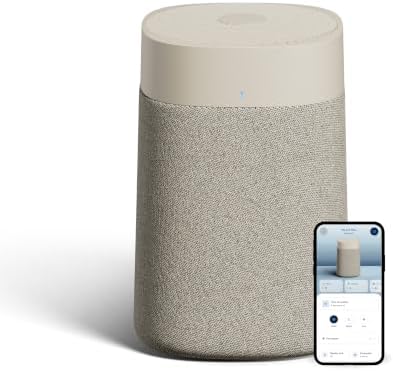
Six models rated for larger rooms. Check each listing for pre-filter design, rated room size and replacement filter cost.





Where House Dust Comes From
Dust comes from people, pets, fabrics, cooking, outdoor air and building materials. Activity such as walking, making beds and vacuuming stirs it up again.
Larger dust particles settle fast, while fine ones can stay in the air for hours.
What a Purifier Does and Does Not Do
A purifier draws air through a filter and captures the particles that pass through it. Over time it reduces the airborne dust in the room.
It cannot lift dust from floors, shelves and fabrics. Regular cleaning removes the settled dust that a purifier never touches.
Choosing a Purifier for Dust
| Feature | Why it matters |
|---|---|
| True HEPA-type filter | Captures fine dust |
| Airflow for the room size | Cleans the air quickly enough |
| Easy-clean pre-filter | Catches larger dust and lint |
| Quiet low setting | You will run it all day |
| Affordable filters | Dusty homes load filters faster |
Sizing
Use the maker\u2019s rated room size and choose a unit rated for at least your room. AHAM suggests a clean air delivery rate of about two-thirds of the room area.
A larger unit can run on a lower, quieter setting and still keep up.
Placement
Put the purifier where air can flow in and out, away from walls and curtains. Dusty rooms such as bedrooms and workspaces benefit most.
Do not place it directly on the floor of a very dusty area where it will pull in the heaviest dust and lint; a low table or stand helps.
Pre-Filters and Maintenance
Dust loads the pre-filter first. Vacuum or wash it according to the maker\u2019s guidance, and replace the main filter on schedule.
A clogged filter reduces airflow and cleaning.
Other Ways to Cut Dust
- Vacuum with a HEPA-filter vacuum and a good seal
- Damp dust surfaces instead of dry dusting
- Wash bedding weekly in hot water as safe for the fabric
- Reduce clutter and soft furnishings that hold dust
- Change HVAC filters on schedule
Noise and Running Costs
Run the purifier continuously on a low or medium setting. Filters are the main cost, so check price and life before you buy.
Dust in Different Rooms
Bedrooms collect dust from bedding, clothes and skin flakes, so a purifier there works hardest overnight. Living rooms collect more from upholstery, pets and foot traffic, and kitchens add fine grease particles.
Home offices and rooms with printers or electronics can collect fine particles around equipment. If one room is clearly the dustiest, put the purifier there first rather than splitting your budget across rooms.
How Long Until You Notice a Difference
Airborne dust drops within hours of running a purifier, but surfaces change more slowly. You may notice less dust on shelves after a week or two, and fresher air sooner if you were bothered by fine particles.
If surfaces stay dusty, check the sources: old carpet, open windows, shedding pets, a poorly sealed vacuum or a dirty HVAC filter. Fixing those usually matters more than adding a bigger purifier.
A Worked Example: A Dusty Two-Bedroom Apartment
Imagine a 700 square foot apartment with carpet, a cat and a window that faces a busy street. Two-thirds of 700 is about 470. Add margin for the cat and street dust, and aim for about 550. That could be one large unit in the living area or two mid-size units, one in the living room and one in the bedroom.
Place the main unit where you spend the most time awake, and the second near the bed. Run them continuously on low and clean the pre-filters every couple of weeks. After a month, you may notice less dust on surfaces and cleaner air in the evenings.
Dust and Humidity
Dust mites thrive when relative humidity is above about 50 percent. Keeping humidity in the EPA’s suggested 30 to 50 percent range makes life harder for them. A dehumidifier may help in damp climates. Washing bedding in hot water and using allergen-proof covers helps too.
Room-by-Room Dust Strategies
| Room | Main dust sources | Practical step |
|---|---|---|
| Bedroom | Bedding, clothing, pets | Wash bedding weekly, run purifier on low |
| Living room | Upholstery, rugs, curtains | HEPA vacuum, damp wipe, washable throws |
| Entry | Soil and pollen tracked in | Doormat, shoes off, damp mop |
| Home office | Paper, electronics | Damp cloth, keep stacks covered |
| Basement | Stored boxes, damp | Dehumidify, store in sealed bins |
Prioritise the rooms where you spend the most time, especially the bedroom.
Why Dust Returns Quickly
Dust returns because sources keep producing it. People shed skin cells, fabric sheds fibers, pets shed hair and the outdoors blows in. A purifier reduces the airborne portion and slows how fast surfaces get covered, but it does not stop dust being made. The best results come from reducing sources and filtering what remains.
Choosing Between Models
- Pick the CADR first, then check noise on low
- Choose a washable pre-filter you can reach easily
- Look for a True HEPA filter and avoid vague HEPA-type labels
- Check filter replacement price and availability
- Prefer auto mode if it costs little extra
- Skip extras you will not use
A Weekly Dust Routine
Dust high surfaces first and work down, with a damp microfiber cloth so dust sticks instead of flying. Vacuum with a sealed HEPA vacuum, slowly, to avoid stirring dust. Wash bedding and curtains regularly, and clean or replace the purifier pre-filter. Run the purifier a little higher while you clean, then return it to low.
How to Choose
- Measure the room.
- Choose a unit rated above that area.
- Require a true HEPA-type filter and an easy pre-filter.
- Check quiet low-setting noise.
- Compare filter cost.
- Plan to clean the pre-filter regularly.
Do
- Match the unit’s rated coverage to your room first
- Run it consistently, not only when the air feels bad
- Leave space around the unit for airflow
- Replace filters on the maker’s schedule
Don’t
- Do not buy on looks or price alone
- Do not block the intake or exhaust
- Do not skip filter changes
- Do not expect a purifier to fix every source of pollution
Honest Limits
- This guide uses manufacturer information and public guidance from the EPA and AHAM, not our own lab tests.
- Features and room ratings change between model years, so confirm on the listing before you buy.
- A purifier is not a medical device and does not replace medical advice or treatment.
Who Should Skip This
Skip a small bedroom unit for a dusty open-plan home. It will run on high and not keep up.
Skip ionizers and ozone devices. They may make particles settle and can add ozone.
When to See a Professional
If dust seems to trigger cough, wheezing or allergy symptoms, talk to a doctor or allergist. A purifier can help reduce airborne dust but is not a treatment.
If dust is unusually heavy, black or oily, check for sources such as a malfunctioning furnace, mold or construction nearby, and consult a professional.
Frequently Asked Questions
Do air purifiers reduce dust?
They capture airborne dust with a HEPA filter, which can slow how quickly surfaces collect dust. They do not remove dust already settled, so you still need to clean.
What CADR do I need for a dusty home?
AHAM suggests about two-thirds of the floor area for standard ceilings. For dusty homes or pets, add 20 to 30 percent so the unit can run on low.
How often should I clean the pre-filter?
Every two to four weeks, or more often with pets, carpet or construction nearby. A clogged pre-filter reduces airflow and raises noise.
Will a purifier help with dust mites?
It can capture airborne fragments, but mites live in bedding and carpets. Wash bedding in hot water, use covers and keep humidity near 30 to 50 percent.
Where should I put the purifier for dust?
Where you spend the most time, with clear space around it, away from walls and corners. In a bedroom, a few feet from the bed works well.
Is it better to run it constantly?
Yes, on low or medium. Continuous low-speed running keeps airborne dust down at lower noise than short bursts on high.
Do I still need to vacuum?
Yes. A purifier does not remove settled dust. Use a sealed HEPA vacuum and damp wiping.
Are ionizers good for dust?
Not reliably. They may make particles settle on surfaces, and some produce ozone, which the EPA advises against.
Does my HVAC filter matter?
Yes. A good filter changed on schedule reduces dust circulating through the house. The EPA suggests MERV 13 or higher where the system supports it.
How soon will I notice a difference?
Many people notice less visible dust within a few weeks of continuous use, along with cleaner-feeling air. Results depend on sources and how well you clean.
Bottom Line
A purifier cuts the dust that floats, and cleaning handles the rest. Choose a true HEPA-type unit sized above your room and keep the pre-filter clean.
Combined with vacuuming and damp dusting, it makes a noticeable difference.
Related reading: sens,bed,port
Sources: EPA, Guide to Air Cleaners in the Home; AHAM Verifide.