Last updated:
Disclosure: As an Amazon Associate we earn from qualifying purchases. This does not change what we recommend. See our affiliate disclaimer.
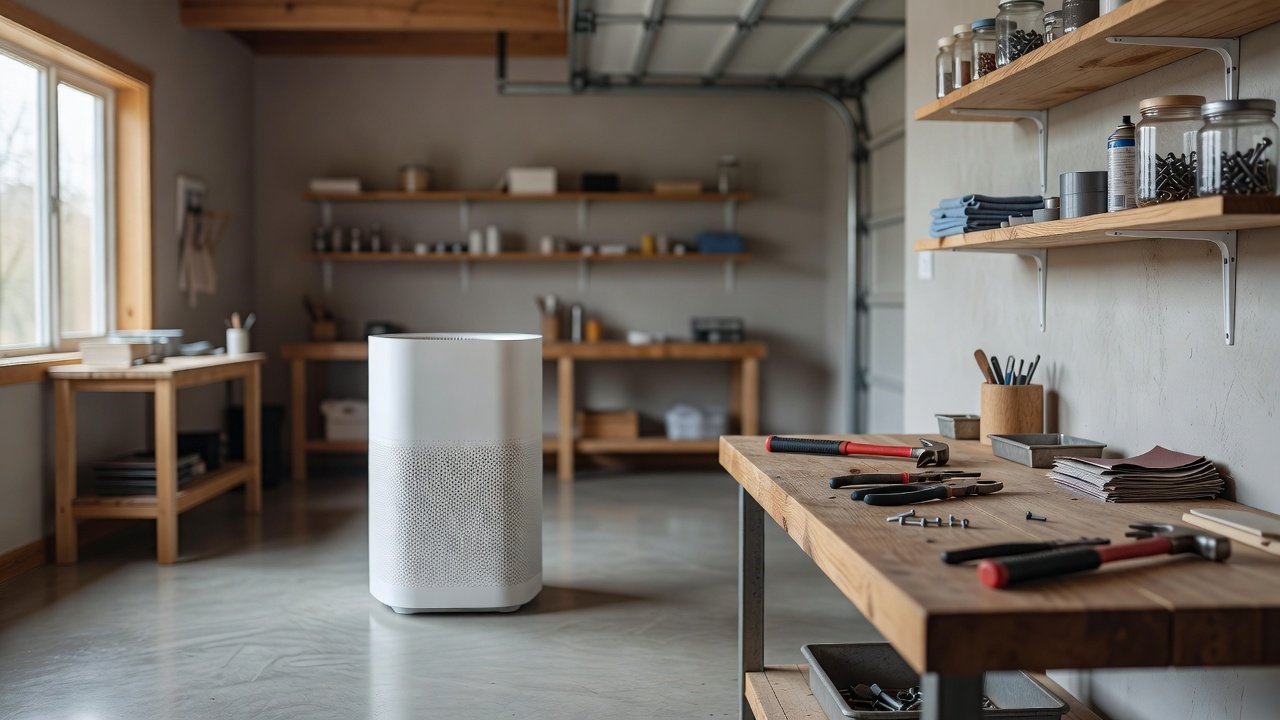
A garage or workshop collects sawdust, sanding dust, paint and solvent fumes, exhaust and storage odors. A purifier can help with the fine dust, but it cannot deal with carbon monoxide or strong chemical fumes.
The first rule of garage air is safety. Never run engines in a closed garage, install a carbon monoxide alarm and ventilate when using solvents, paints or fuel-powered tools. A purifier is an addition to those steps, not a replacement.
This guide explains what a purifier can and cannot do in a garage, how to size one, how to protect its filters and which larger-room models to compare. Recommendations follow EPA guidance and manufacturer information, not our own tests.
A purifier helps with
- Fine dust from sanding and woodworking
- Some odors with a carbon layer
- Keeping dust from drifting into the house
It cannot replace
- Ventilation when using solvents or paints
- A carbon monoxide alarm
- Respirators for dusty or chemical work
- Proper fuel and chemical storage
Key Takeaways
- A garage purifier helps with fine dust, not with fumes from solvents, fuel or exhaust; HEPA does not capture gases.
- Carbon helps with some odors but is limited for hazardous vapors; ventilation is the main control.
- Never run a car, generator or fuel-burning tool in an enclosed garage; carbon monoxide is deadly and a purifier does not remove it.
- Filters clog quickly in a workshop; use a washable pre-filter and check it often.
- Cold, heat and humidity can affect electronics; check the maker’s operating range.
- Size by CADR: about two-thirds of the floor area for standard ceilings, more for tall ceilings and heavy dust.
- Keep flammable vapors away from any electrical device unless it is rated for that environment.
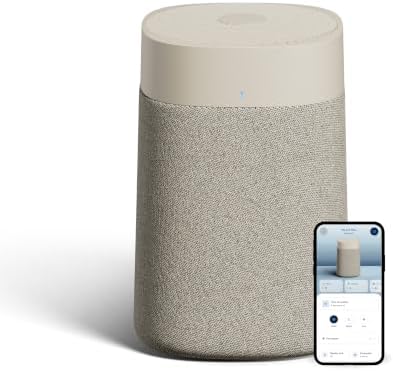
Top Picks: Larger-Room Purifiers for Garages and Workshops
Six models rated for larger spaces. Check each listing for operating conditions, rated room size and filter costs.





What Is in Garage Air
Garages hold wood and drywall dust, paint and solvent vapors, fuel and exhaust fumes from cars and lawn equipment and the smell of stored items. Many are not insulated or sealed, so outdoor temperature and humidity shape the air too.
Garage air can leak into the house through shared walls and doors, so reducing garage pollutants helps indoors as well.
Safety First
Carbon monoxide from engines is deadly and a purifier does not remove it. Never leave a vehicle or engine running in a closed garage, even briefly with the door open into the house.
Install a carbon monoxide alarm near the door to the house and follow the manufacturer\u2019s guidance on placement and testing.
What a Purifier Can Do in a Workshop
| Pollutant | Purifier helps? | Better answer |
|---|---|---|
| Fine wood or drywall dust | Yes, with a true HEPA filter | Dust collection plus purifier |
| Paint and solvent fumes | Little | Ventilation and a suitable respirator |
| Carbon monoxide | No | Alarm and no running engines indoors |
| Stored-item odors | Some, with carbon | Source cleanup and airing out |
Filters Clog Fast in a Workshop
Sawdust and sanding dust can overwhelm a purifier\u2019s pre-filter in hours. Use a tool-mounted dust collector or shop vacuum at the source, and put the purifier where it will catch fine dust left in the air.
Clean the pre-filter often and keep spares on hand.
Sizing and Placement
Garages are large and often have high ceilings, so choose a unit rated above the floor area. AHAM suggests a clean air delivery rate of about two-thirds of the floor area for standard ceilings.
Place the purifier away from the dustiest tool and where airflow is clear. Keep it off damp floors and away from flammable fumes, and check the maker\u2019s guidance about use in garages.
Temperature and Humidity
Extreme cold or heat and high humidity can shorten the life of electronics. Check the maker\u2019s operating temperature range before you put a purifier in an unheated garage.
Protect Yourself First
- Wear the respirator recommended for the dust or fumes
- Use dust collection at the tool
- Ventilate with open doors and fans where safe
- Store fuel and chemicals properly
- Install a carbon monoxide alarm
After the Project
Fine dust lingers after you stop working. Run the purifier and clean with a HEPA vacuum, then replace the pre-filter if it is loaded.
The Garage as an Air Quality Special Case
Garages connect to the house in ways that matter for air quality. They store fuel, paint, pesticides and cleaning chemicals. They house vehicles that emit exhaust when started. They gather dust from tools and storage. Air from the garage can leak into living spaces through doors and shared walls.
Because of that, improving garage air has two goals: protect the people working there, and keep contaminants from drifting into the home. A purifier plays a small role in both. Source control and ventilation do most of the work.
A Safety-First Checklist
- Never idle a vehicle in a closed garage; carbon monoxide can build up quickly
- Install carbon monoxide alarms in and near the garage and in rooms adjacent
- Store fuels and chemicals in approved containers away from ignition sources
- Ventilate when painting, welding or using solvents
- Seal gaps between the garage and the house
- Do not use a purifier where flammable vapors are present unless the maker says it is rated for that use
Which Garage Pollutants a Purifier Can Help With
| Pollutant | Purifier help? | Better control |
|---|---|---|
| Fine dust from sanding or sweeping | Yes, HEPA | Dust collection, wet cleaning |
| Pollen and outdoor particles | Yes, HEPA | Closed door, weatherstripping |
| Paint and solvent fumes | Limited | Ventilation, low-VOC products |
| Fuel and exhaust odors | Limited | Source control, ventilation |
| Carbon monoxide | No | CO alarm, ventilation, no idling |
Think of the purifier as the cleanup layer after other controls.
Sizing a Garage Unit
A two-car garage of about 450 square feet with a 9 foot ceiling needs a CADR near 300 under AHAM’s two-thirds guideline, plus margin for the taller ceiling and dusty work, so aim around 350 to 400. A one-car garage of 250 square feet might be well served by a CADR around 200.
Open garage doors change everything. When the door is open, a purifier cannot keep up with outdoor air. Use it with the door closed, or accept that it is working on the dust you generate.
Temperature, Humidity and Placement
Many purifiers are designed for indoor conditions. Garages can get very cold or hot, and humidity can swing. Check the maker’s operating range, and avoid placing the unit where it can be splashed or exposed to dust plumes.
Place it where air can flow freely, away from direct dust sources and not blocking walkways. Raise it off the floor on a stable stand if the floor gets wet.
Filters in a Dusty Space
Garage dust loads filters fast. A washable pre-filter takes the first hit and should be cleaned often. Replace the HEPA filter sooner than the usual schedule if airflow drops. Keep spares, and log filter changes.
Protect Yourself First
If you create heavy dust or work with chemicals, use appropriate respiratory protection, collect dust at the tool and follow product labels. A room purifier does not protect your breathing zone while you work.
After the Project
Let the purifier run for a while after you finish to catch fine dust that remains airborne. Wet-wipe surfaces and use a HEPA vacuum rather than sweeping. Keep the door to the house closed while you work and for a while afterward.
How to Choose
- Install a carbon monoxide alarm first.
- Measure the garage and choose a unit rated above it.
- Use dust collection at the source.
- Check operating temperature range.
- Buy spare pre-filters.
- Ventilate for fumes.
Do
- Match the unit’s rated coverage to your room first
- Run it consistently, not only when the air feels bad
- Leave space around the unit for airflow
- Replace filters on the maker’s schedule
Don’t
- Do not buy on looks or price alone
- Do not block the intake or exhaust
- Do not skip filter changes
- Do not expect a purifier to fix every source of pollution
Honest Limits
- This guide uses manufacturer information and public guidance from the EPA and AHAM, not our own lab tests.
- Features and room ratings change between model years, so confirm on the listing before you buy.
- A purifier is not a medical device and does not replace medical advice or treatment.
Who Should Skip This
Skip a garage purifier as a solution to exhaust, fuel fumes or carbon monoxide. Fix the source and ventilate.
Skip units with ozone or ionizer modes. The EPA advises against ozone-generating devices.
When to See a Professional
If you smell fuel, gas or exhaust, or have symptoms such as headache or dizziness, get to fresh air and call emergency services. Install working carbon monoxide alarms.
For hazardous chemicals, asbestos, lead paint or mold, consult a qualified professional and follow safety rules.
Frequently Asked Questions
Can an air purifier help in a garage?
It can reduce fine dust from sanding, sweeping and tool use. It does not remove fumes, fuel vapors or carbon monoxide, so ventilation and source control remain essential.
Does HEPA remove fumes from paint or solvents?
No. HEPA filters capture particles, not gases. Carbon filters adsorb some vapors, but capacity is limited. Ventilate and use appropriate protective equipment.
Will a purifier remove carbon monoxide?
No. Carbon monoxide is a gas that purifiers do not remove. Use carbon monoxide alarms, never idle vehicles in an enclosed garage and ventilate.
What size purifier do I need for a garage?
AHAM suggests a CADR near two-thirds of the floor area for standard ceilings. For a 450 square foot garage with a 9 foot ceiling and dusty work, aim around 350 to 400.
Can I use a purifier in a cold or hot garage?
Check the maker’s operating temperature and humidity range. Extreme conditions can damage electronics or reduce performance, so many people use a purifier only in moderate conditions.
How often do garage filters need replacing?
More often than in a living room. Check the pre-filter weekly during dusty work, and replace HEPA and carbon filters sooner if airflow drops.
Is it safe to use a purifier near flammable vapors?
Not unless the maker states it is designed for that environment. Electrical devices can ignite flammable vapors. Ventilate and keep ignition sources away from fuels and solvents.
Should I keep the garage door closed?
When using a purifier, yes, because open doors let in outdoor air and dust. Ventilate separately when you need to clear fumes, then close up and run the purifier.
Do I still need a respirator for dusty work?
Often yes. A room purifier does not protect your breathing zone. Use appropriate respiratory protection and capture dust at the source.
How can I keep garage air from entering the house?
Seal gaps in the door and walls, use weatherstripping, keep the interior door closed, and consider a door sweep. Ventilate the garage and fix leaks.
Bottom Line
A purifier can help with fine dust in a garage, but safety measures come first. Use an alarm, ventilate and protect yourself, then add a purifier for the dust that remains.
Choose a larger unit and keep spare pre-filters.
Related reading: bed,port,fan
Sources: EPA, Guide to Air Cleaners in the Home; AHAM Verifide.