Last updated:
Disclosure: As an Amazon Associate we earn from qualifying purchases. This does not change what we recommend. See our affiliate disclaimer.
Hay fever, or seasonal allergic rhinitis, is triggered by pollen from trees, grasses and weeds. Pollen enters the home through open windows and doors and on clothes, hair and pets, then settles and gets stirred up again.
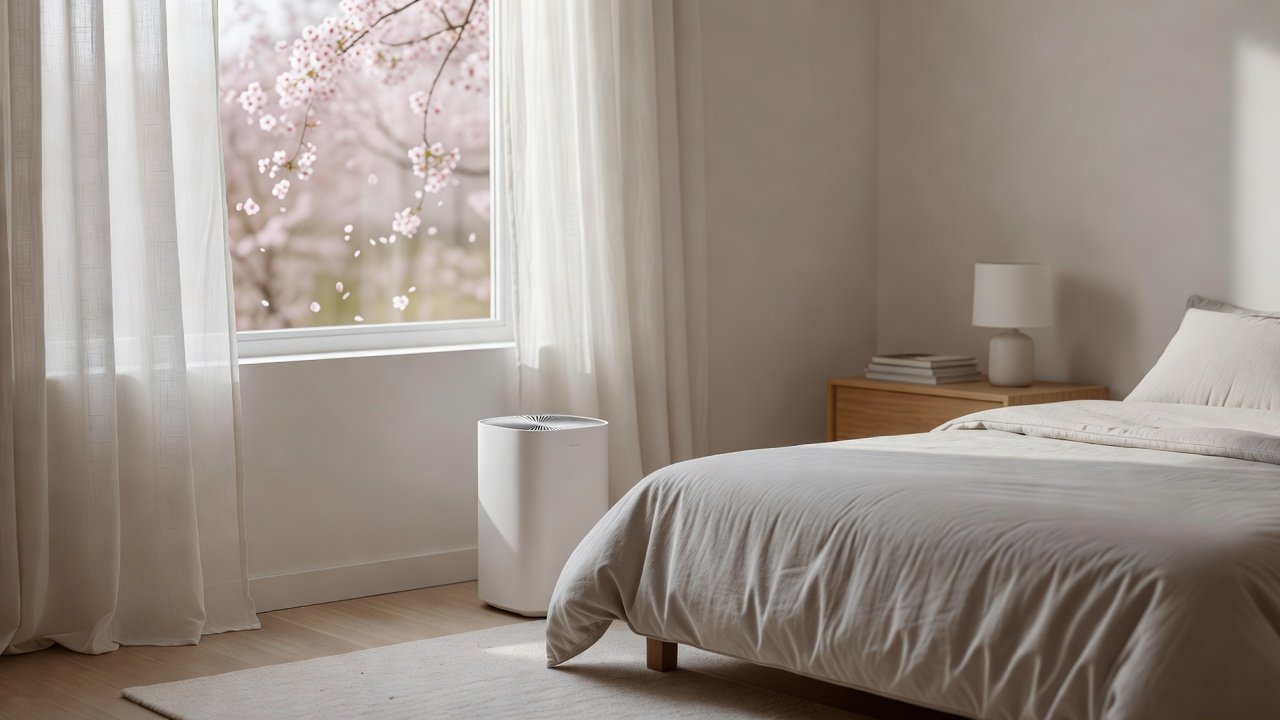
A true HEPA purifier can capture pollen that is floating in the air of a room, which may reduce symptoms for some people. It is a helper, not a cure, and works best with simple habits such as keeping windows closed on high-pollen days.
This guide explains how pollen behaves indoors, what features to look for, how to use a purifier during pollen season and which models to compare. It is general information, not medical advice. Ask your doctor about treating allergies. Recommendations follow manufacturer information and public guidance from the EPA and AHAM.
A purifier helps with
- Capturing airborne pollen in a closed room
- Reducing dust that carries pollen
- A cleaner bedroom while you sleep
A purifier cannot
- Cure allergies
- Remove pollen from outside
- Replace medication or medical advice
Key Takeaways
- Pollen gets indoors on clothes, pets, hair and through open windows and doors; a purifier helps with what gets in.
- A True HEPA filter captures pollen grains and fragments efficiently.
- Keep windows closed on high-pollen days, shower after being outdoors and wash bedding often.
- Size by CADR, with a margin for allergy season, and run the unit continuously in the main room and bedroom.
- Check pollen forecasts and plan outdoor time and ventilation accordingly.
- HVAC filters at MERV 13 or higher can help where supported.
- A purifier does not replace allergy treatment; talk to a doctor or allergist.
Pollen Season Routine
In pollen season, close windows during peak hours, shower and change clothes after being outdoors, wash bedding weekly and run the purifier in the bedroom overnight. Check local pollen forecasts and plan outdoor time for lower-count hours. Replace the pre-filter more often in high season because pollen and dust load it quickly.
Keep a simple log of symptoms and what you did on high-pollen days. Patterns help you and your doctor decide what works.
Choosing Entry Points and Windows
Pollen enters through open windows, on clothing, on pets and through gaps. Seal gaps, use window screens in good repair and keep a doormat. Leave shoes at the door to cut tracking.
Top Picks: Air Purifiers for Allergy Season
Six models that suit allergy homes. Check each listing for the maker\u2019s rated room size, filter type and replacement filter cost.


How Pollen Gets Indoors
Pollen blows in through open windows, rides on clothes and hair, and is carried in by pets. Once indoors it settles on surfaces and is lifted again when you walk, sit or vacuum.
Pollen grains are fairly large compared with other airborne particles, which is why a good HEPA filter can capture them well.
What a HEPA Purifier Does for Pollen
A true HEPA filter captures very small particles, including pollen. Running a purifier in a closed room such as a bedroom lowers the airborne pollen there, which may mean fewer symptoms at night for some people.
Allergy effects vary from person to person, and a purifier does not treat the condition.
Simple Steps That Work With a Purifier
- Keep windows closed on high-pollen days and use air conditioning if you have it
- Shower and change clothes after being outdoors
- Wash bedding often in hot water as safe for the fabric
- Vacuum with a HEPA-filter vacuum
- Wipe surfaces with a damp cloth rather than dusting dry
Picking the Right Features
| Feature | Why it matters |
|---|---|
| True HEPA filter | Captures pollen and fine dust |
| Right size for the room | Cleans the air quickly enough |
| Quiet low setting | Lets you run it overnight |
| Easy filter changes | Pollen season loads filters faster |
| No ozone | The EPA advises against ozone generators |
Where to Put the Purifier
Place it in the bedroom, where you spend many hours, or in the room you use most. Keep it a little away from walls and furniture so air can flow, and avoid putting it right by an open window.
Keep the window closed so the purifier is not fighting a constant stream of new pollen.
Running It During Pollen Season
Run the purifier continuously on a low or medium setting through the season, with a higher setting when you have been indoors with the windows open or just vacuumed.
Check the filter more often during peak season, since it can load faster.
Noise, Sleep and Sensors
A quiet low setting and a sleep mode make it easier to run the purifier all night. An air quality sensor with auto mode can raise the fan when particles rise, but it is not required.
Our guide to sensor models explains when they are worth paying for.
When to See a Doctor
If hay fever interferes with sleep or daily life, or you have asthma, talk to your doctor or an allergist. They can advise on testing and treatments, and a purifier is only one small part of managing symptoms.
What Counts as Hay Fever
Hay fever, or allergic rhinitis, is an allergic reaction to airborne substances, most often pollen from trees, grasses and weeds. Symptoms include sneezing, itchy eyes, a runny or blocked nose and sometimes tiredness. Mold spores and dust can trigger similar symptoms, which is why some people feel unwell year round.
Different plants release pollen at different times. Tree pollen peaks in spring, grass in late spring and summer, and weeds in late summer and autumn, though this varies by region.
The Pollen Journey Into Your Home
- Open windows and doors during pollen release
- Clothes, hair and shoes after outdoor time
- Pets that carry pollen on fur
- Open car doors and bags
- Ventilation systems that bring in unfiltered air
Reducing these routes is a major part of controlling pollen indoors.
A Simple Allergy-Season Routine
| When | What to do |
|---|---|
| Morning | Check the pollen forecast, keep windows closed if high |
| After outdoors | Shower, change clothes, rinse hair |
| Evening | Wipe pets with a damp cloth, wash hands and face |
| Weekly | Wash bedding in hot water, vacuum with a HEPA vacuum |
| Continuous | Run the purifier on low in the bedroom and main room |
Small habits compound. Keeping pollen from settling in the bedroom matters most because you spend hours there.
Sizing for Allergy Season
Use AHAM’s two-thirds guideline and add a margin. A 250 square foot bedroom needs about 165, so aim for 200 or more. A 500 square foot living area needs about 330, so aim for 400. A larger CADR lets you run on low most of the time and on a higher setting during a heavy pollen day.
Open Windows and Fresh Air
Fresh air is good for indoor air in general, but not on a high-pollen day. Ventilate when pollen counts are low, typically after rain or in the evening, depending on your region and plants. On bad days, keep windows closed and use air conditioning with a clean filter if you have it.
Medications and Medical Care
Over-the-counter and prescription treatments exist for hay fever, and a doctor or allergist can recommend the right approach. A purifier is a supplement that can reduce exposure, not a replacement for treatment. If symptoms are severe, affect sleep or involve wheezing, seek medical advice.
How to Choose
- Choose the room where you most want relief, such as the bedroom.
- Pick a unit rated for at least that room.
- Require a true HEPA filter and avoid ozone devices.
- Check the lowest-setting noise.
- Plan for more frequent filter checks in season.
- Combine with closing windows and rinsing off pollen.
Do
- Match the unit’s rated coverage to your room first
- Run it consistently, not only when the air feels bad
- Leave space around the unit for airflow
- Replace filters on the maker’s schedule
Don’t
- Do not buy on looks or price alone
- Do not block the intake or exhaust
- Do not skip filter changes
- Do not expect a purifier to fix every source of pollution
Honest Limits
- This guide uses manufacturer information and public guidance from the EPA and AHAM, not our own lab tests.
- Features and room ratings change between model years, so confirm on the listing before you buy.
- A purifier is not a medical device and does not replace medical advice or treatment.
Who Should Skip This
Skip small desktop units for whole rooms during peak pollen. Choose a unit sized for the space.
Skip ionizers and ozone-producing devices. The EPA advises against them.
When to See a Professional
See a doctor or allergist if hay fever symptoms are severe, last for months, disturb sleep or come with wheezing or shortness of breath.
Seek urgent care for breathing difficulty, chest tightness or swelling of the face or throat.
Frequently Asked Questions
Do air purifiers help with hay fever?
A True HEPA purifier can reduce airborne pollen indoors, which may help lower exposure. It is not a treatment, so keep following your doctor’s advice.
What size purifier do I need for pollen season?
AHAM suggests a CADR near two-thirds of the floor area. For allergy season, add margin so you can run on low most days and higher on bad days.
Should I keep windows closed during pollen season?
On high-pollen days, yes. Ventilate when counts are lower, such as after rain, and use air conditioning with a clean filter if you have it.
Does a HEPA filter capture pollen?
Yes. Pollen grains are large compared with HEPA test particles, so a True HEPA filter captures them efficiently, as long as air passes through the filter.
Where should I put the purifier for hay fever?
In the bedroom and the room where you spend the most time, with clear airflow. Keep doors closed while it runs.
Do I still need to clean?
Yes. Pollen settles on surfaces, bedding and floors. Wash bedding weekly, vacuum with a HEPA vacuum and wipe with a damp cloth.
Can my HVAC system help?
A good filter, such as MERV 13 or higher if your system supports it, helps remove pollen. Change it on schedule and keep return vents clear.
Are ionizers helpful for pollen?
Not reliably, and some produce ozone, which the EPA advises against. A filter-based purifier is better documented.
Should I shower after being outside?
Yes. Showering and changing clothes removes pollen from hair and skin and keeps it out of the bedroom.
When should I see a doctor?
If symptoms are severe, long-lasting, disturb sleep or come with wheezing or breathing trouble. A doctor or allergist can recommend testing and treatment.
Bottom Line
A HEPA purifier can lower the pollen in a closed room, which may make hay fever season easier. It works best with closed windows, rinsing off pollen and regular cleaning.
Choose a quiet, right-sized unit for the bedroom, and talk to your doctor if symptoms are significant.
Related reading: port,sens,wifi
Sources: EPA, Guide to Air Cleaners in the Home; AHAM Verifide.